Technology
Space / Innovation
More stories from this topic
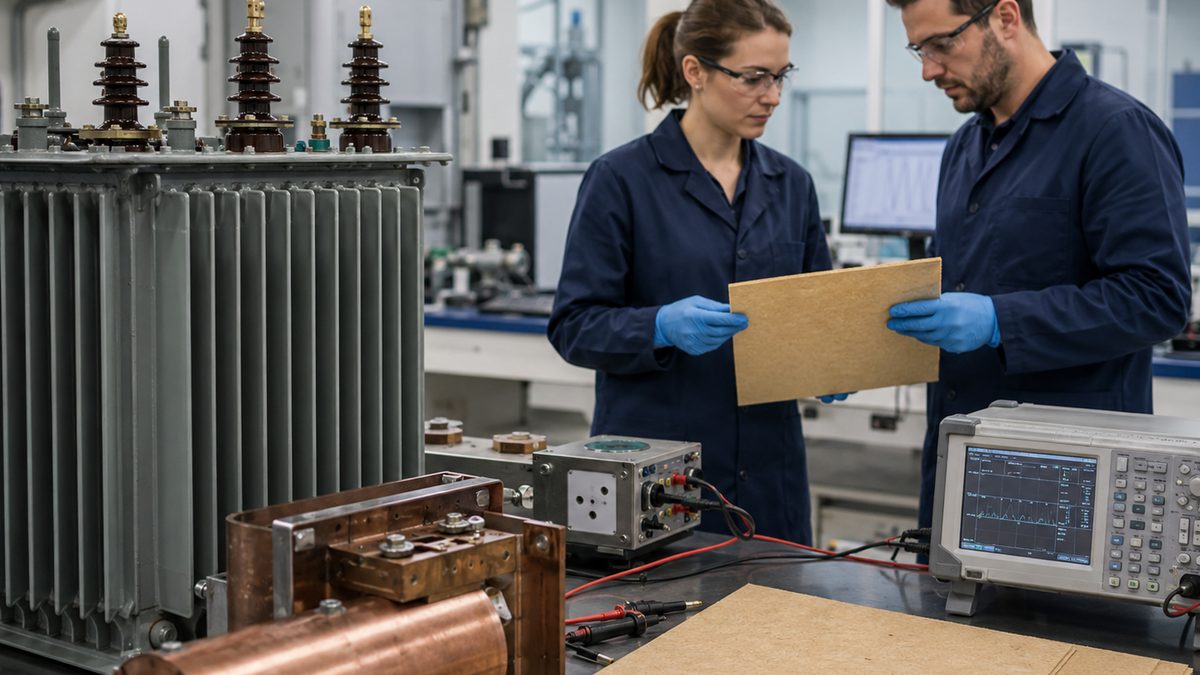
Nanoengineered Wood Could Help Strengthen the Aging Power Grid
Yale-led researchers are studying oil-impregnated densified wood as transformer insulation, a hidden but important part of power-grid reliability.
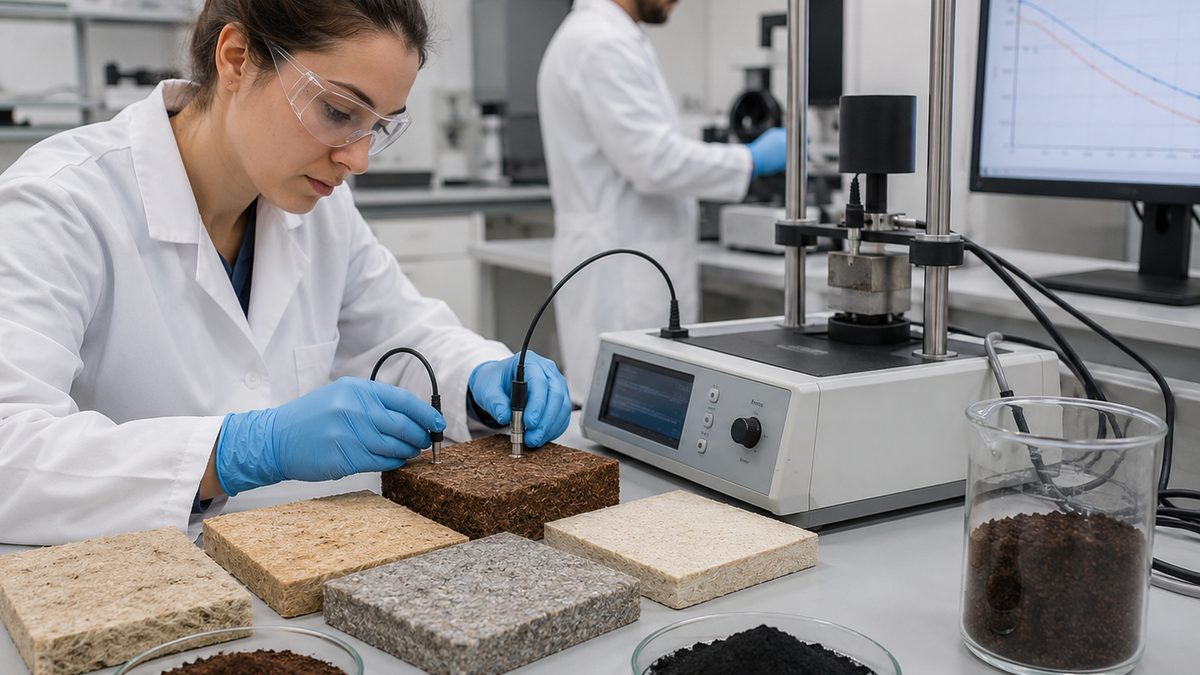
Coffee Grounds Could Become Biodegradable Insulation
Researchers are studying whether spent coffee grounds can be turned into biodegradable insulation, offering a new use for a common waste stream.
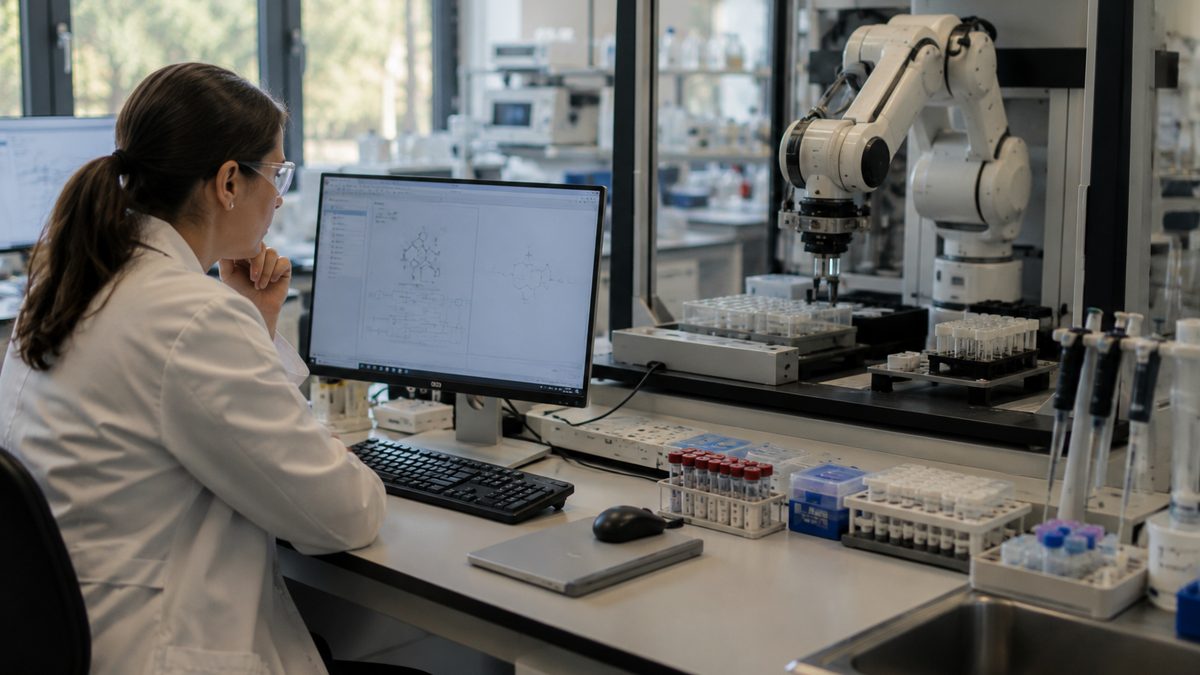
AI Lab Assistants Could Help Scientists Program Robots Faster
PNNL's AutoLabs system points to a practical use for AI in research labs: helping scientists turn experiment goals into instructions autonomous lab robots can follow.
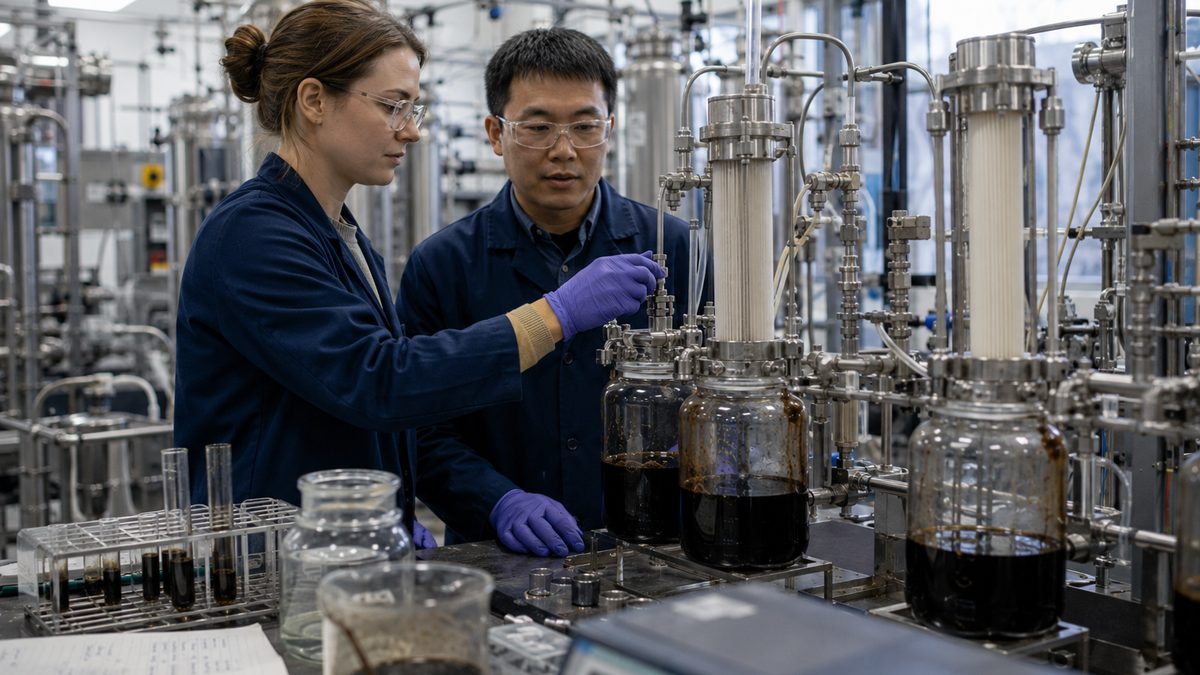
Could Refineries One Day Use Less Heat? Researchers Test a New Membrane Approach
Researchers from KAIST and Georgia Tech have developed a polymer membrane that separates components of crude oil at room temperature, an early-stage technology that could reduce energy use if it proves practical at industrial scale.
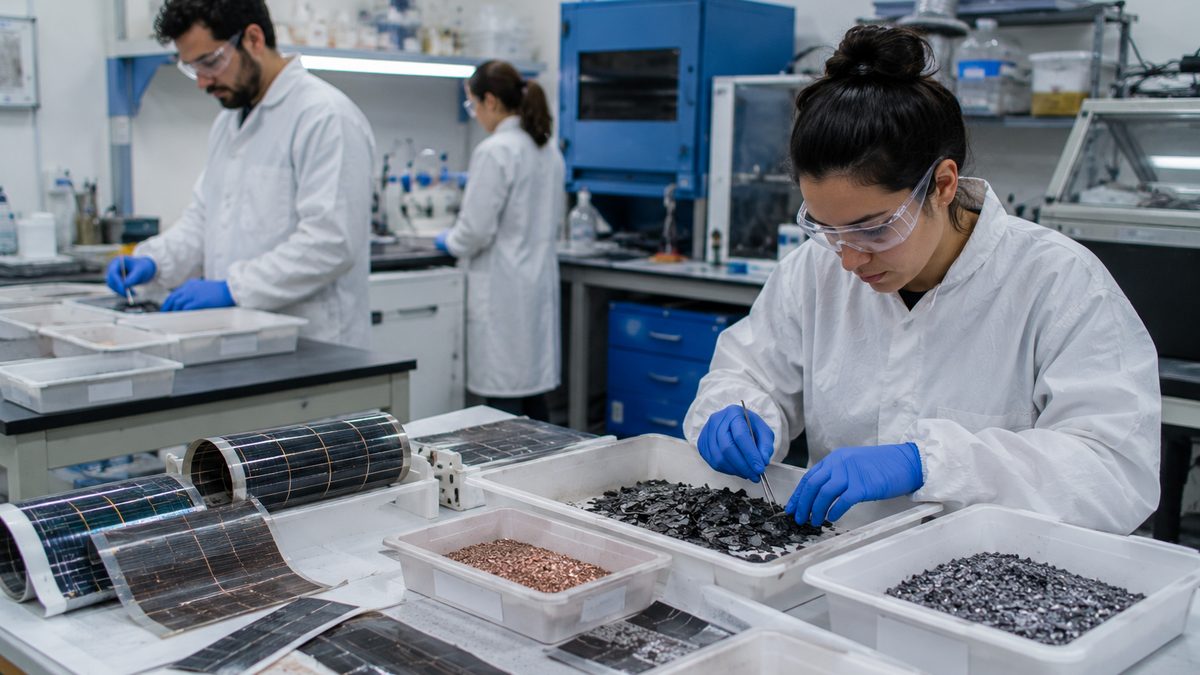
Recycling Perovskite Solar Cells Could Solve a Lead Problem Before It Grows
Researchers report a recycling method that recovers lead and valuable metals from experimental perovskite solar cells, addressing one of the technology's most discussed environmental concerns.
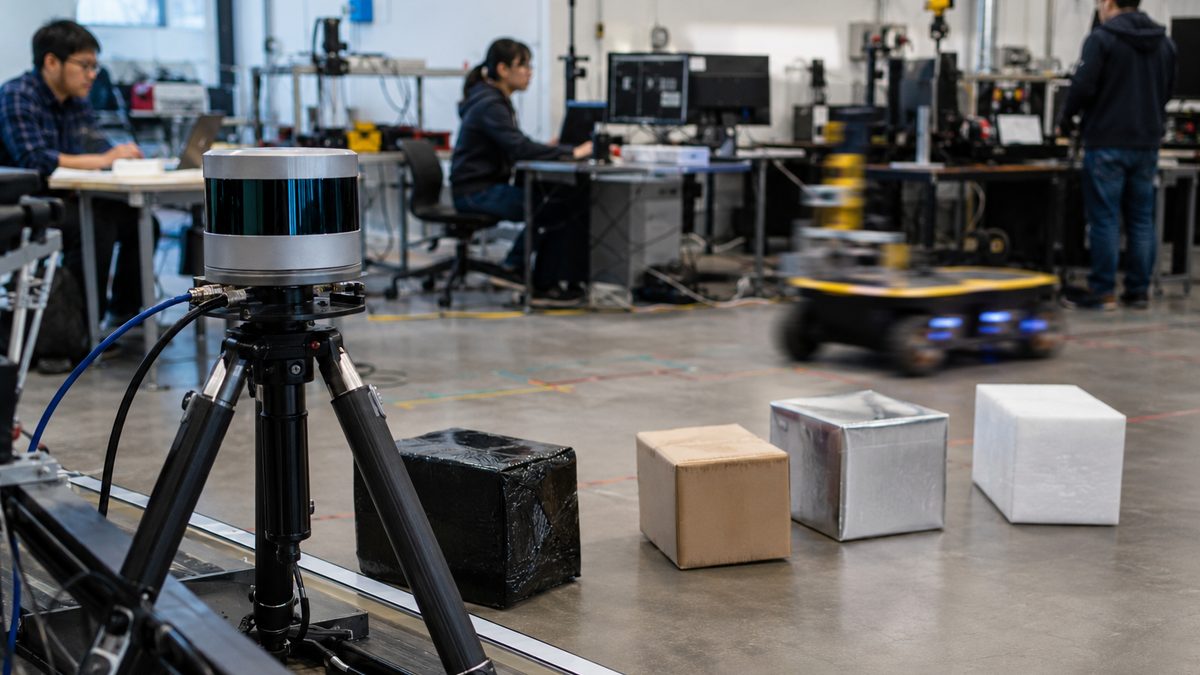
New Lidar Could Help Robots See More Than Distance
Researchers have developed a lidar system that can measure distance, motion and surface characteristics at the same time, potentially giving robots a richer view of their surroundings.
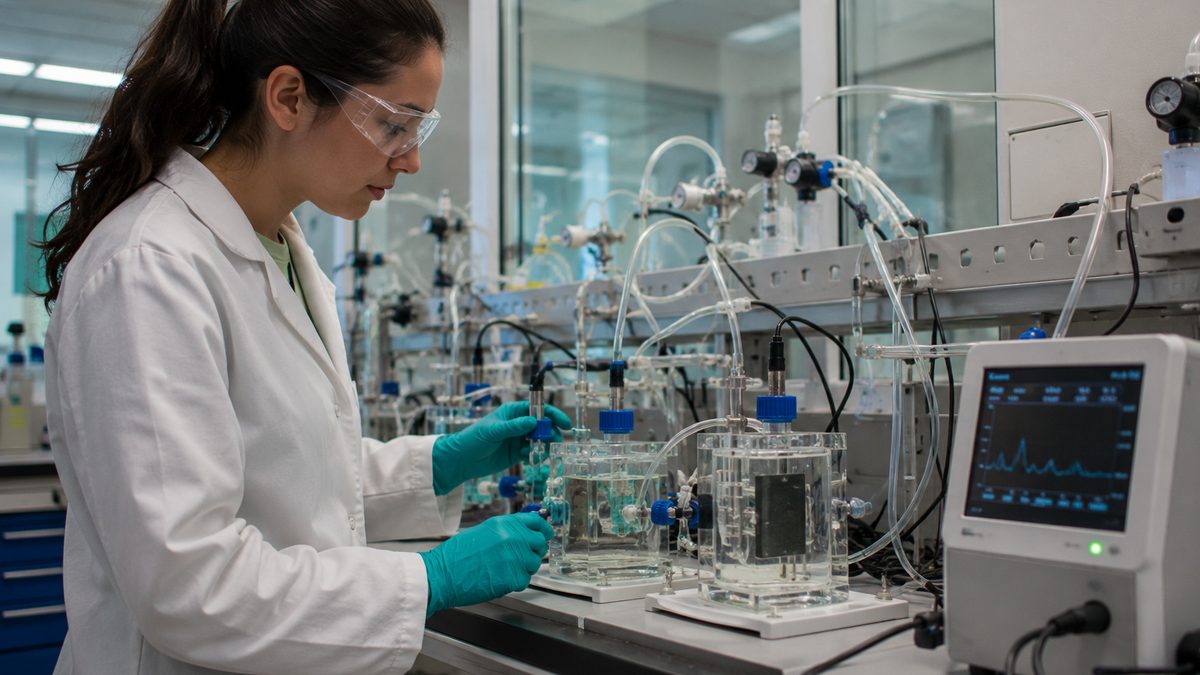
A New Carbon Capture Method Uses Electricity Instead of Heat
MIT researchers are studying an electrochemical approach that could make carbon capture more flexible, but the method still has to prove durability, scale and cost.
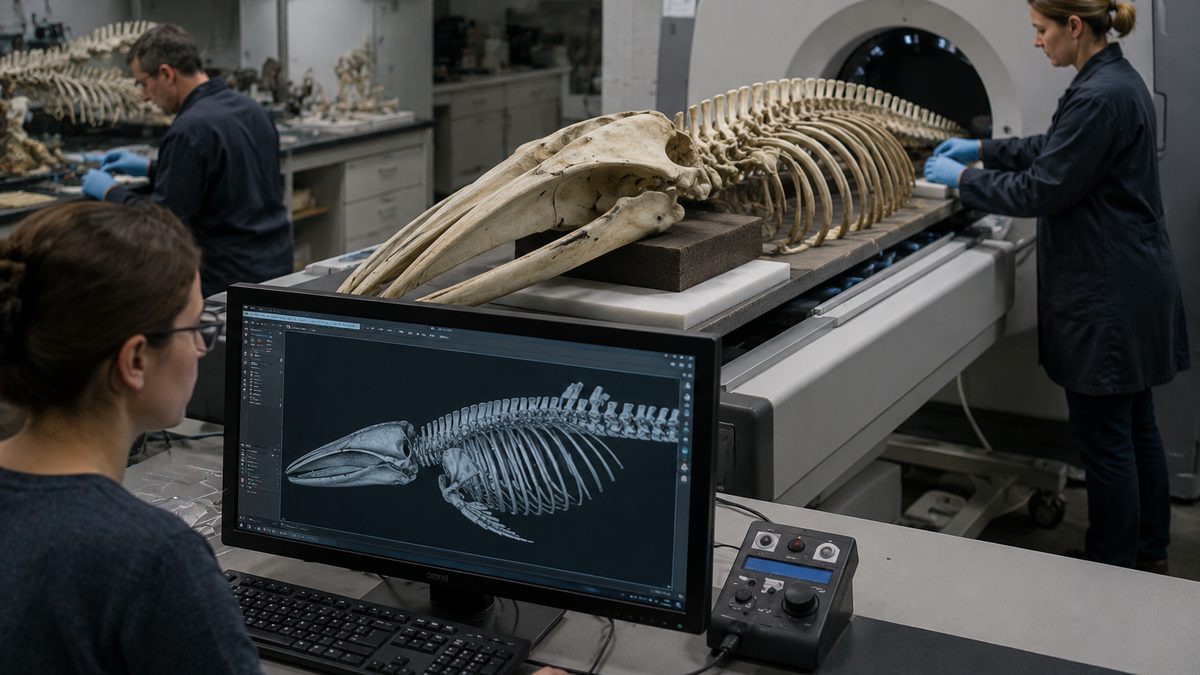
A 3D Digital Archive Is Preserving the Vaquita Before It Vanishes
Researchers created a high-resolution 3D archive of a rare vaquita skeleton, preserving scientific access to one of the world's most endangered marine mammals.
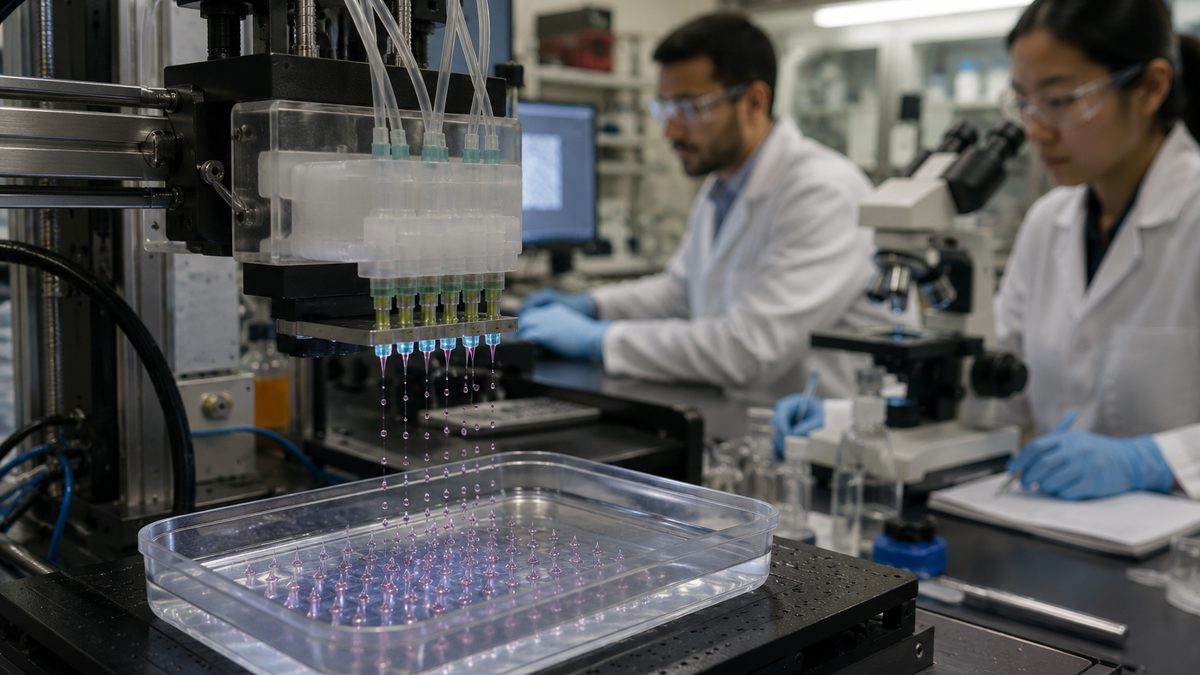
3D-Printed Nozzles Could Help Make Future Medicines More Consistent
MIT researchers demonstrated 3D-printed devices that create precise layered microdroplets, a manufacturing technique that could support future drug-delivery systems and advanced materials.
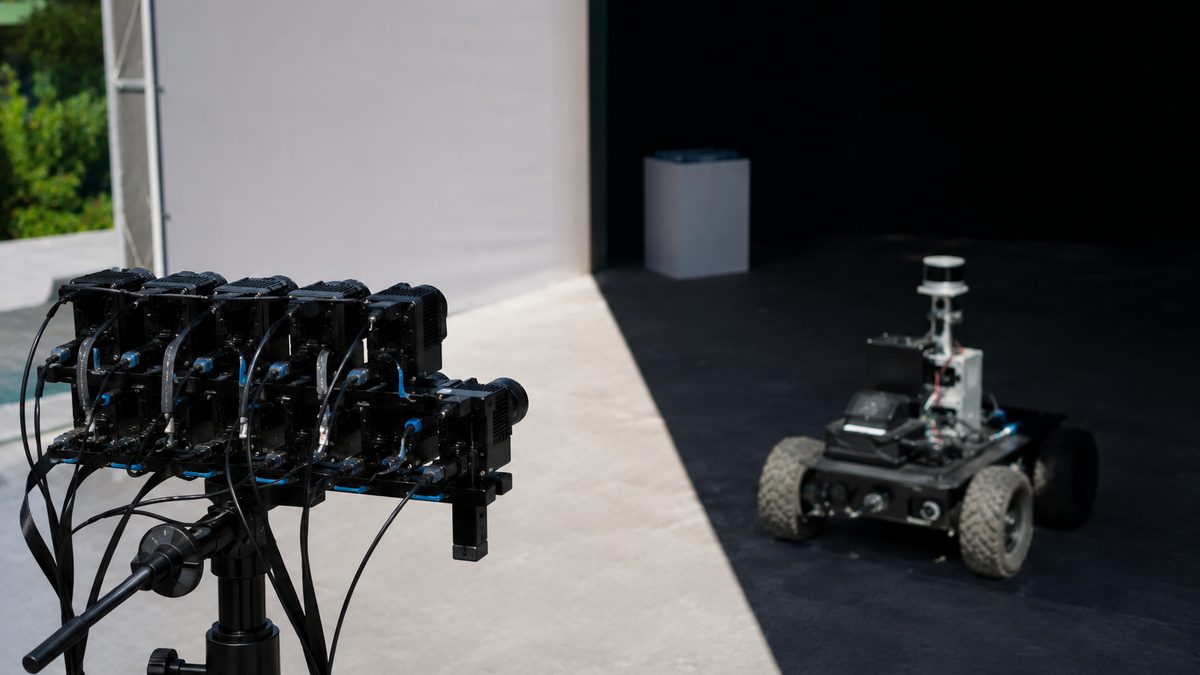
Artificial Eyes Could Help Robots and Self-Driving Cars Handle Changing Light
Researchers reported a vision system inspired by how human eyes adapt to changing light, a challenge that still limits many machine-vision systems.
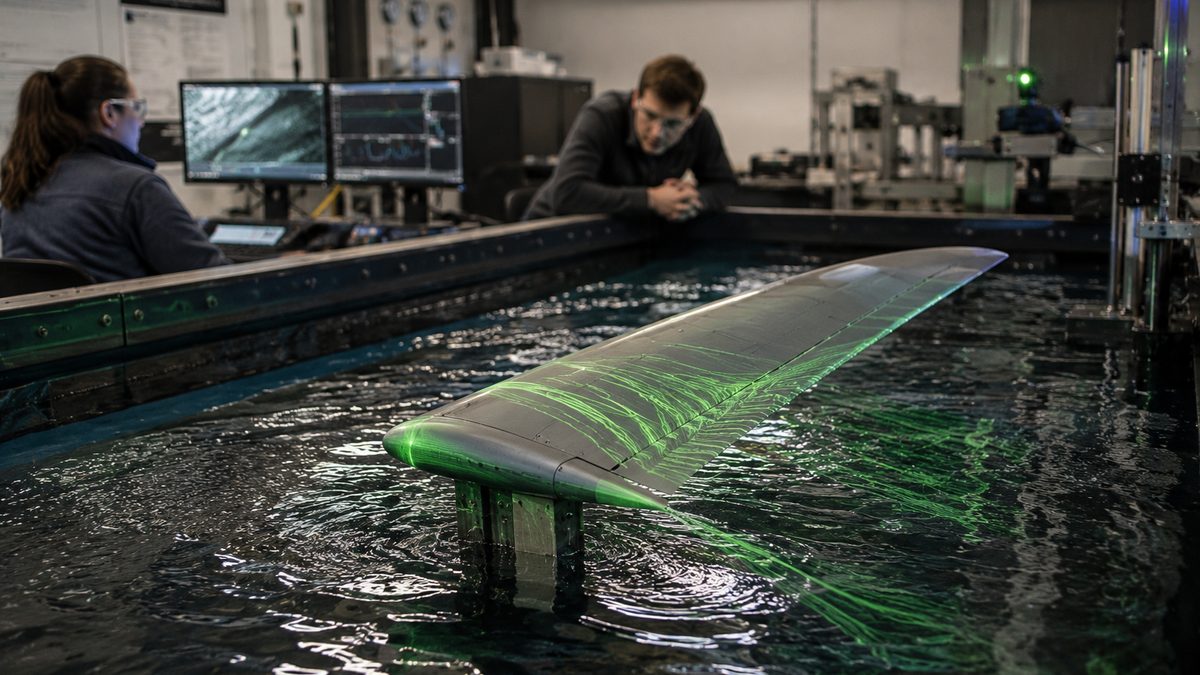
Why Launching a Drone From Water Is Harder Than It Looks
Researchers at the University of Central Florida are studying one of the biggest challenges facing future amphibious drones: the moment a vehicle leaves the water and enters the air.
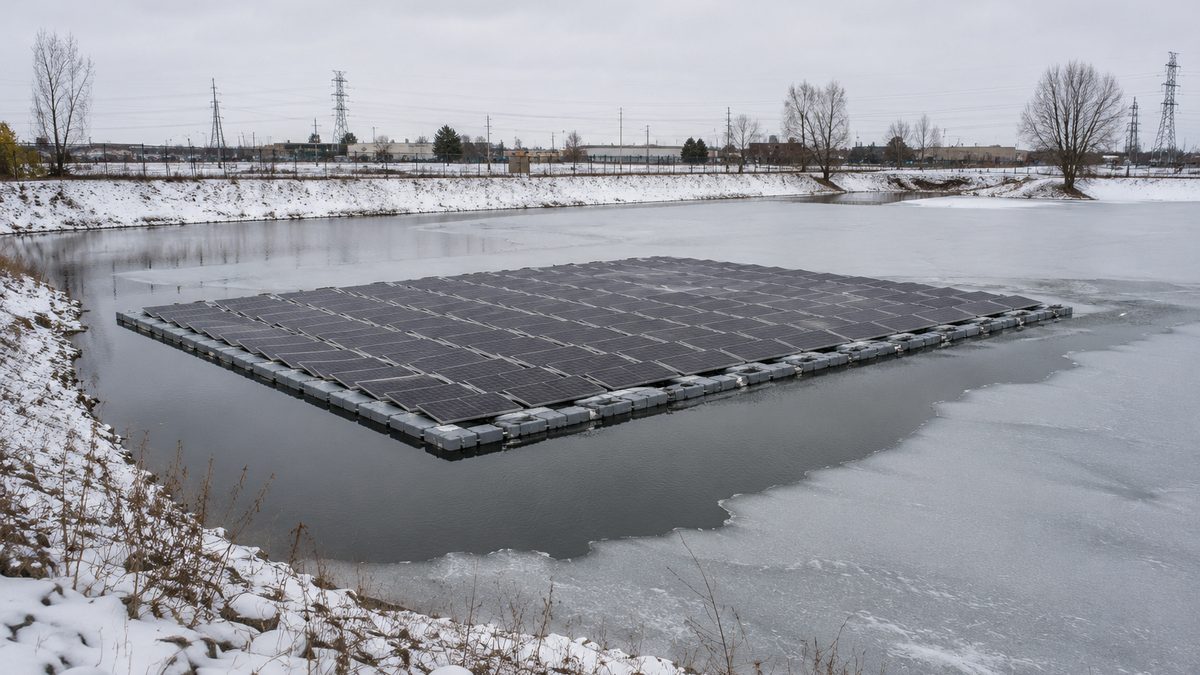
Floating Solar Panels Are Being Tested for Icy Winters
A year-long Canadian field test explored whether floating solar panels can continue generating power through freezing winters, one of the biggest challenges facing the technology in colder climates.
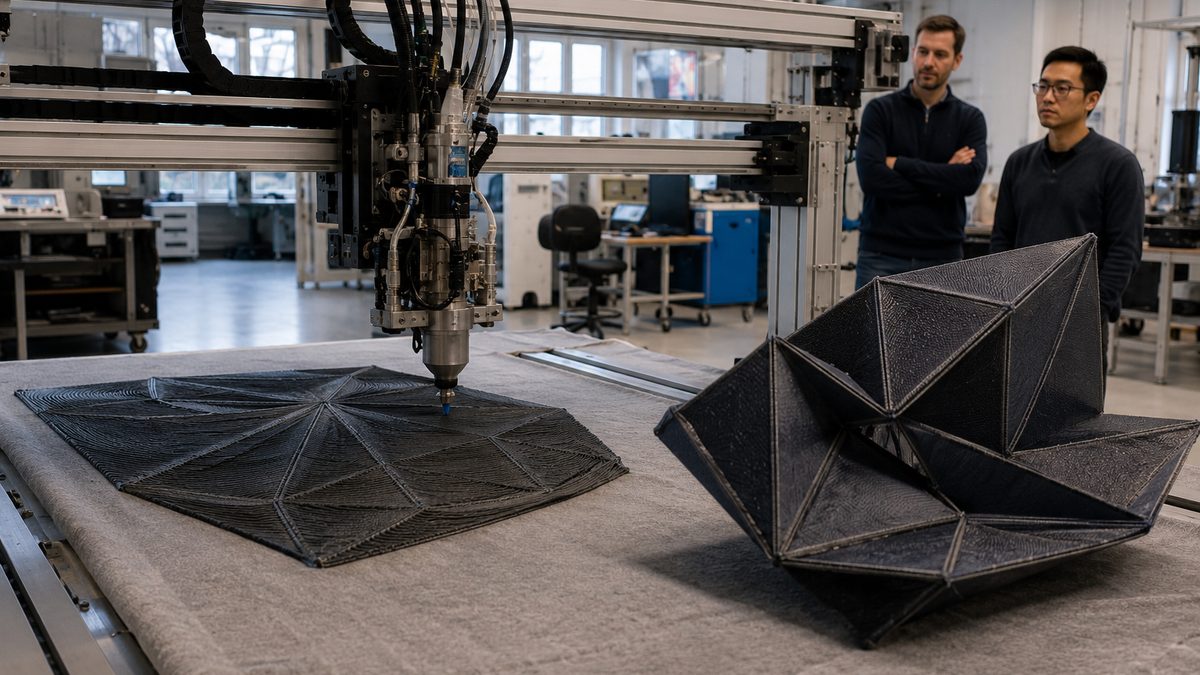
Origami-Inspired 3D Printing Could Build Lightweight Structures Without Molds
Researchers at Oak Ridge National Laboratory are testing a manufacturing approach that combines 3D printing, flexible materials, and origami-inspired folding to create lightweight structures without traditional molds.
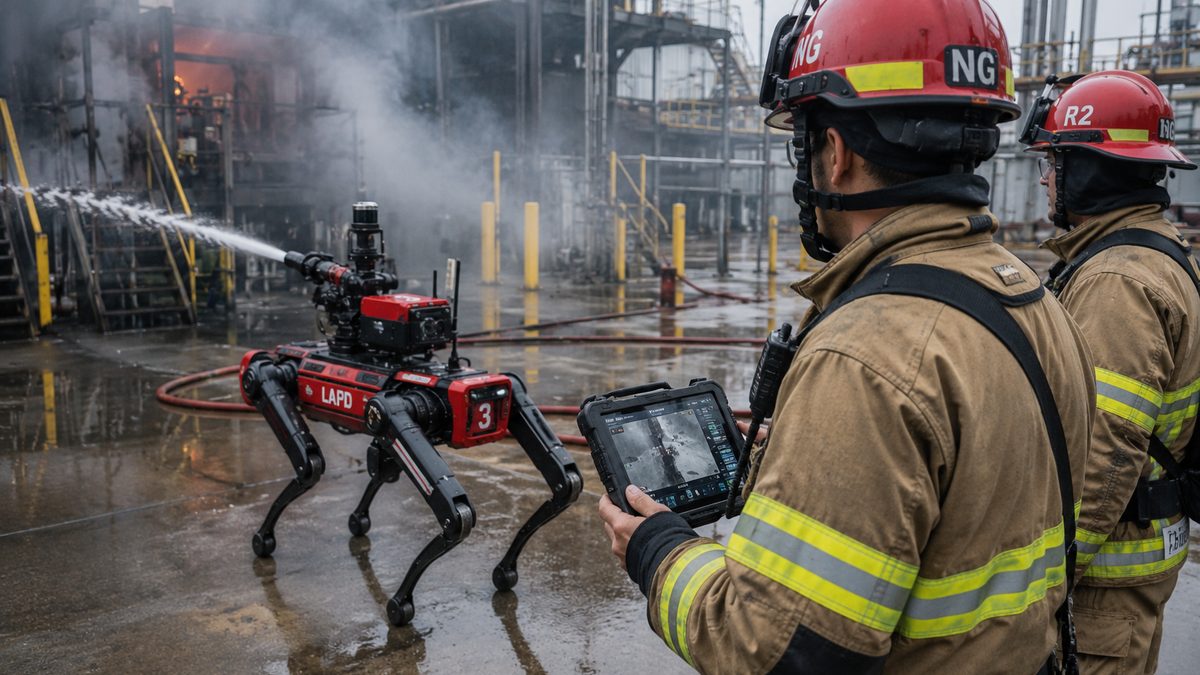
Why Fire Departments Are Testing Robot Dogs for Dangerous Emergency Scenes
A four-legged detection robot is being developed to enter hazardous areas before firefighters, gathering information that could help emergency crews make safer decisions.
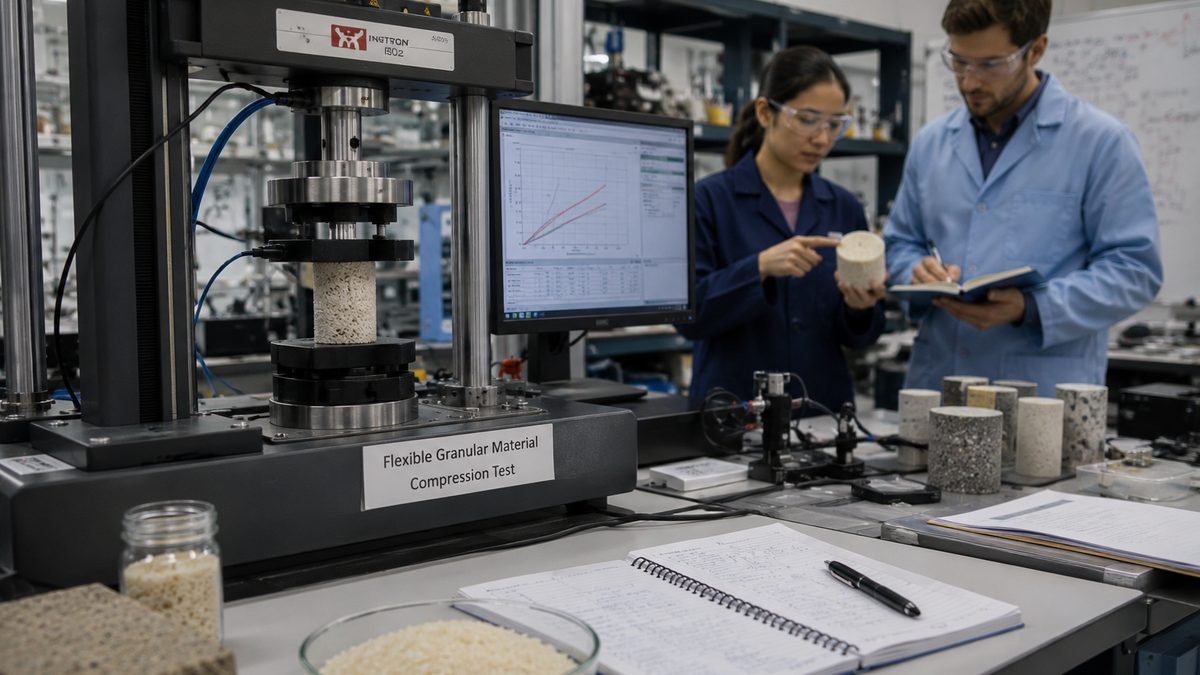
What Rice Can Teach Engineers About Building Smarter Materials
Researchers found an unusual behavior in packed rice grains and used it to design a material that reacts differently to slow pressure and sudden impacts without electronics.
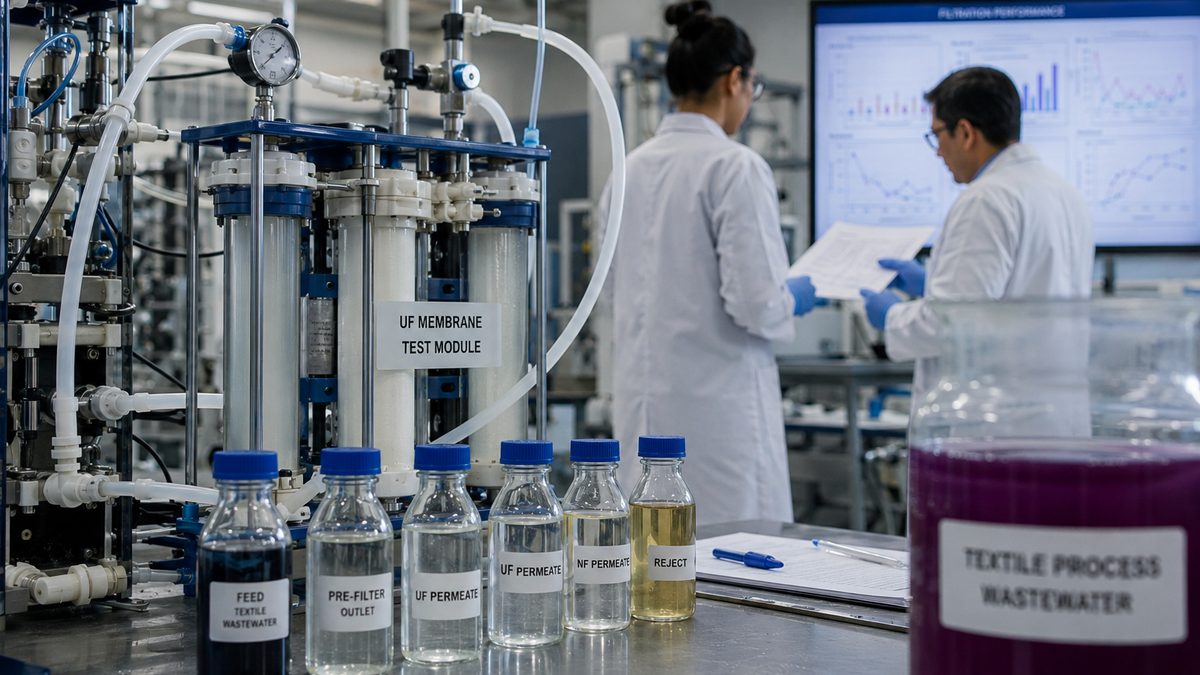
Why Researchers Think One-Nanometer Membranes Could Help Industry Reuse More Water
A newly developed membrane uses highly uniform one-nanometer pores to sort molecules more precisely, a step researchers believe could improve industrial water reuse if the technology succeeds outside the laboratory.
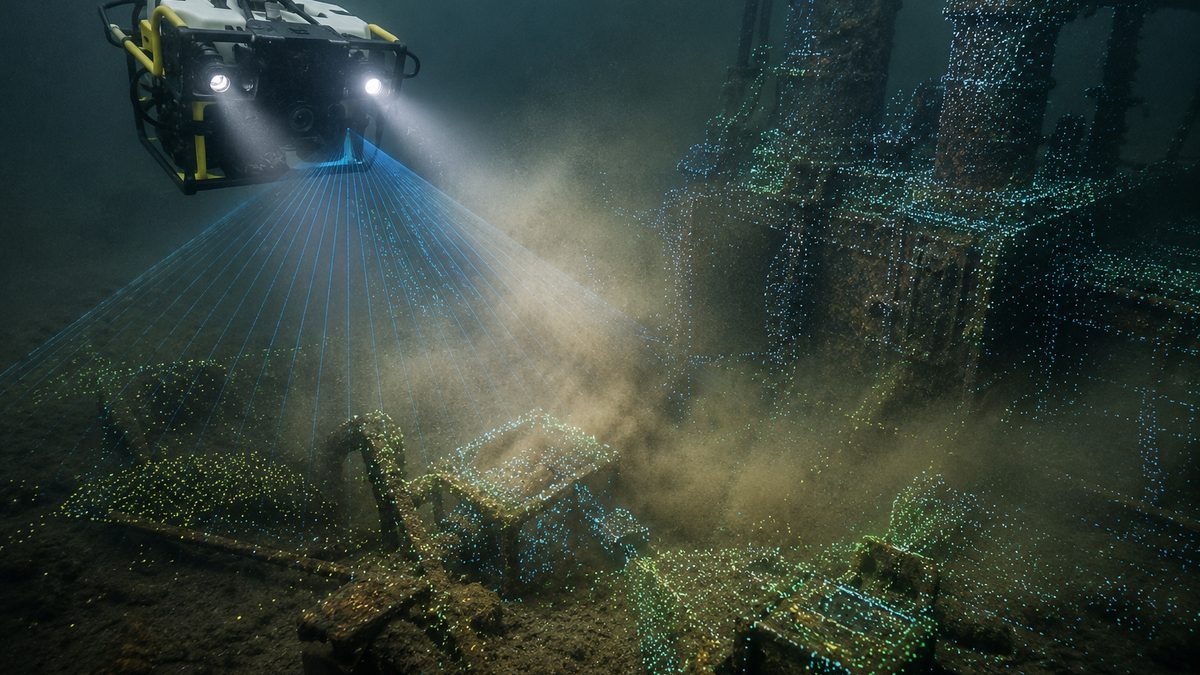
Why Underwater Robots Need More Than Cameras to See Where They're Going
Researchers say a new mapping system combines sonar and cameras to help underwater robots build detailed 3D maps even when sediment and cloudy water block visibility.
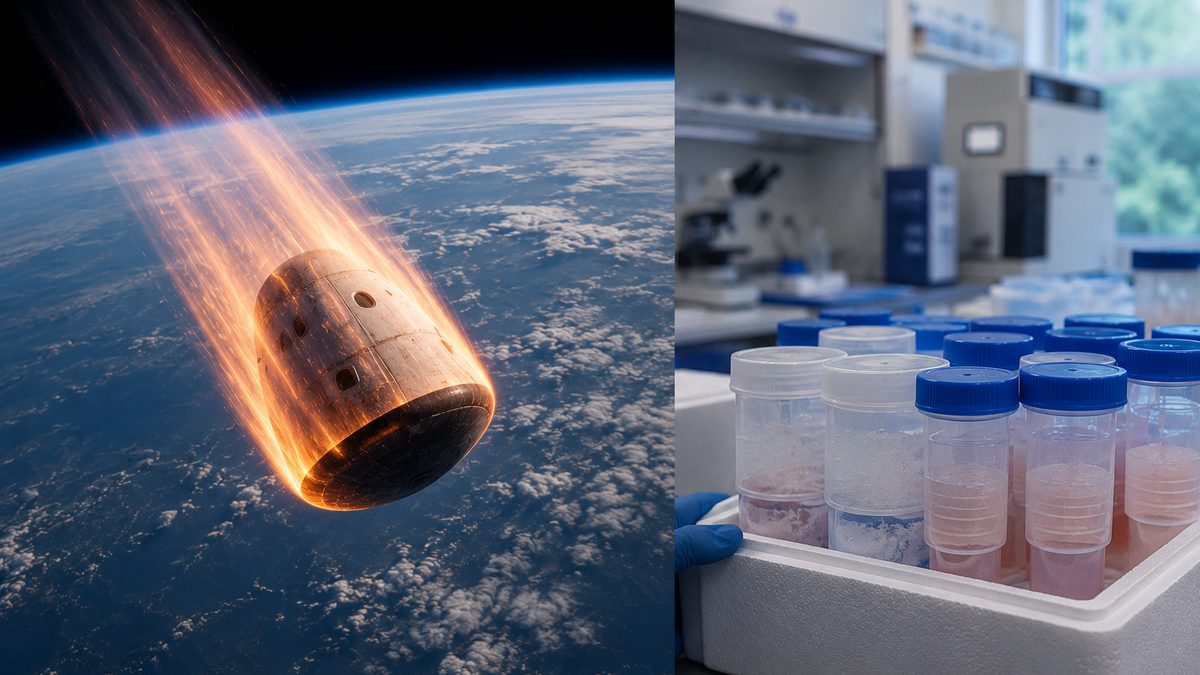
Why Bringing Space Station Experiments Home Matters More Than the Launch
NASA says a SpaceX Dragon capsule is preparing to bring research samples back from the International Space Station, where scientists hope to learn more about medicine, agriculture, and future space travel.