Why Bringing Space Station Experiments Home Matters More Than the Launch
NASA says a SpaceX Dragon capsule is preparing to bring research samples back from the International Space Station, where scientists hope to learn more about medicine, agriculture, and future space travel.
Save Article
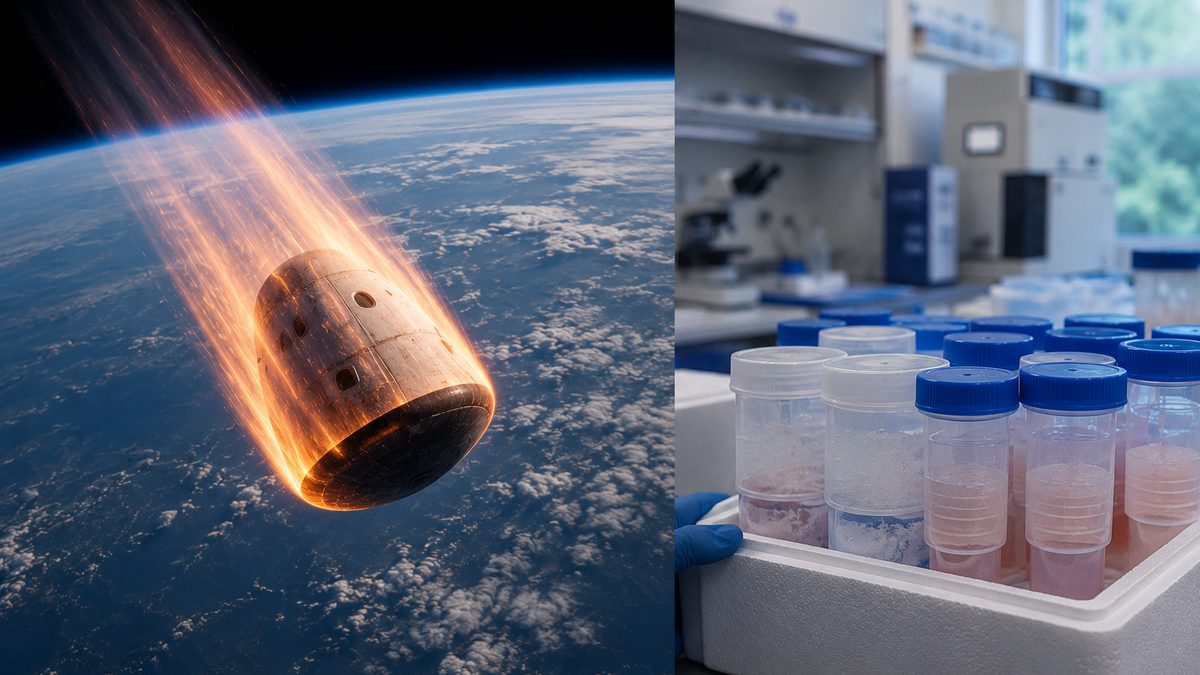
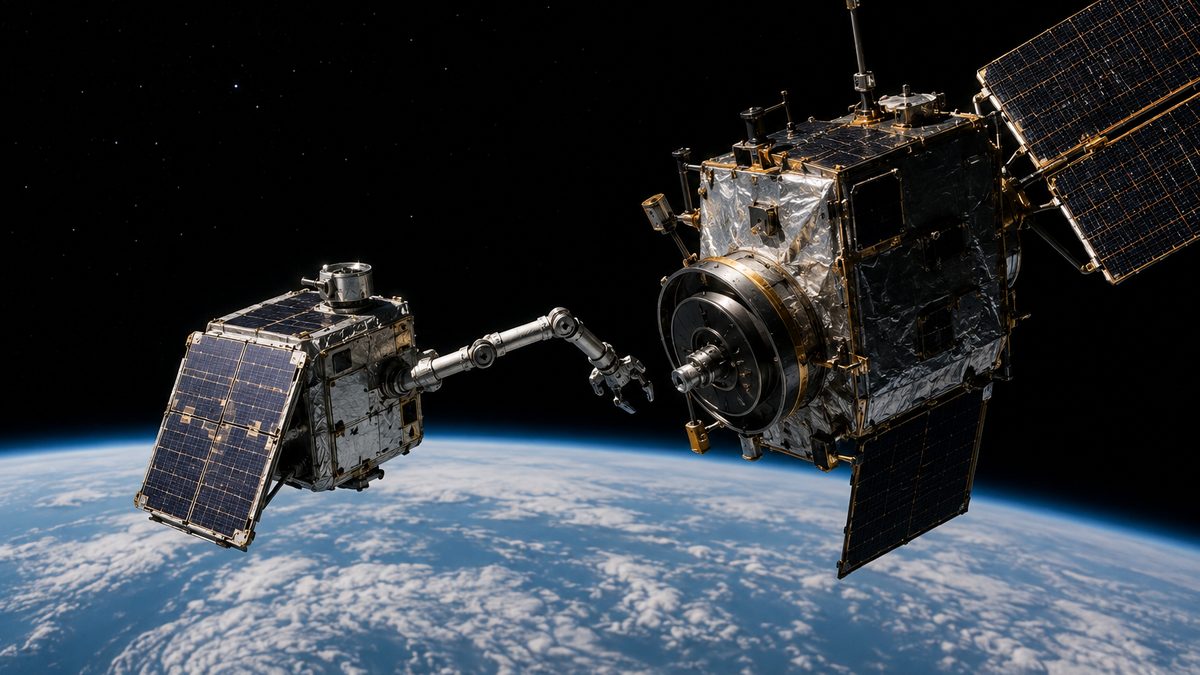
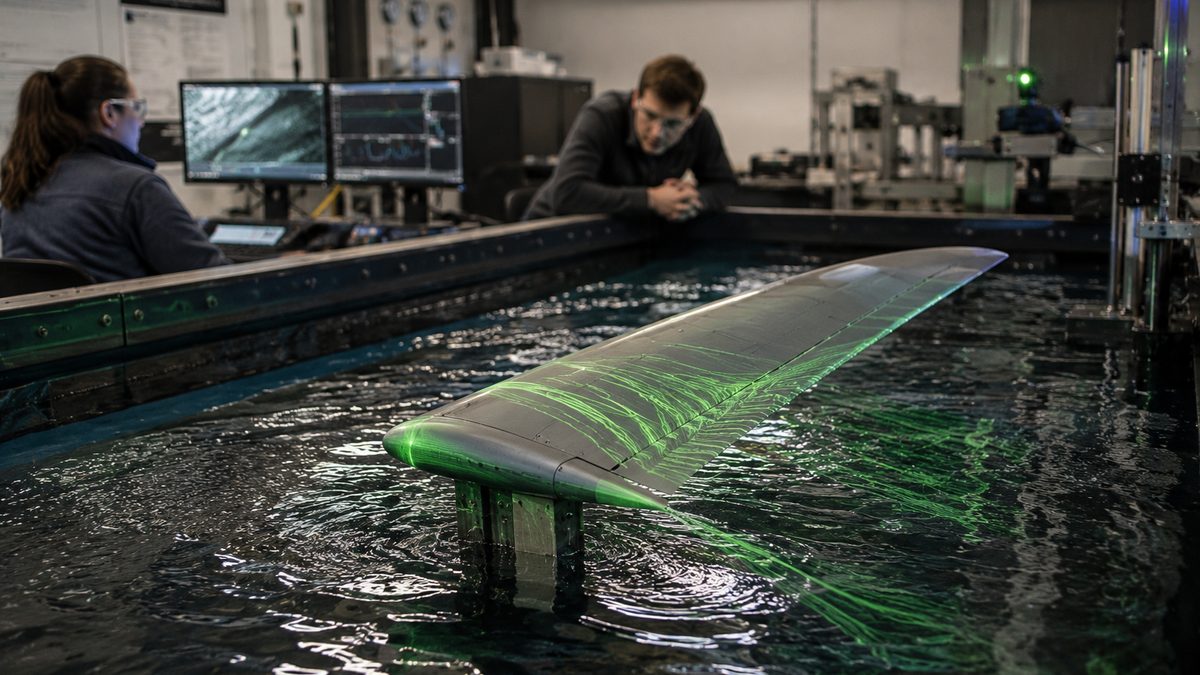
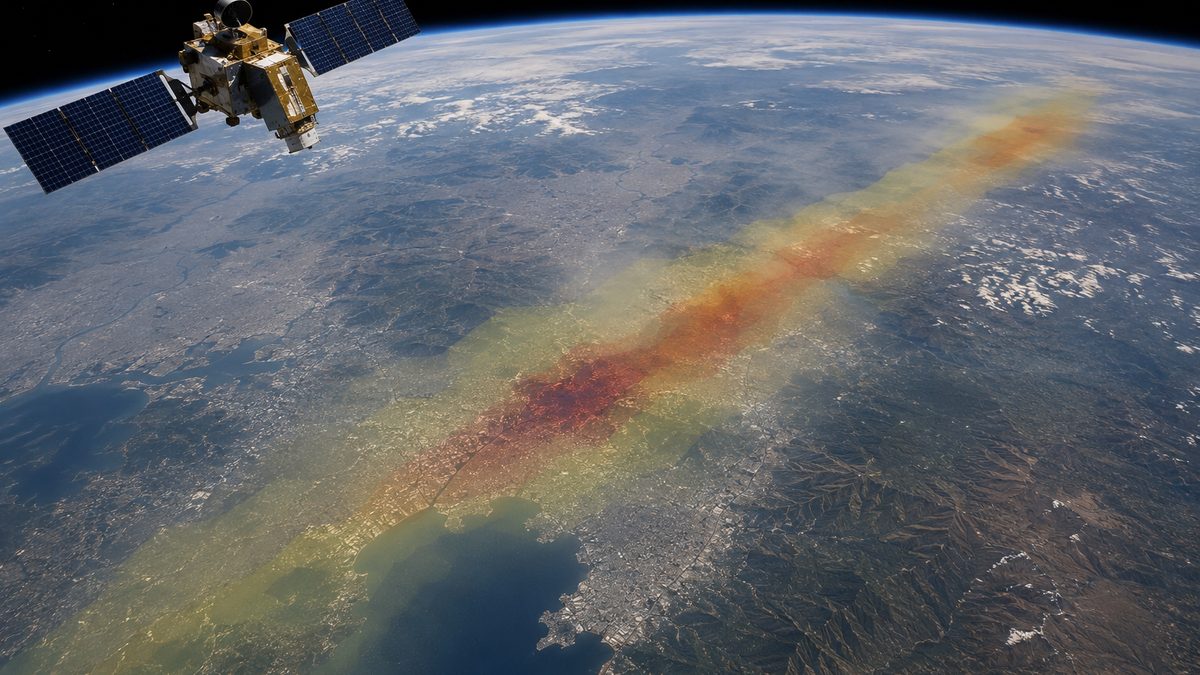
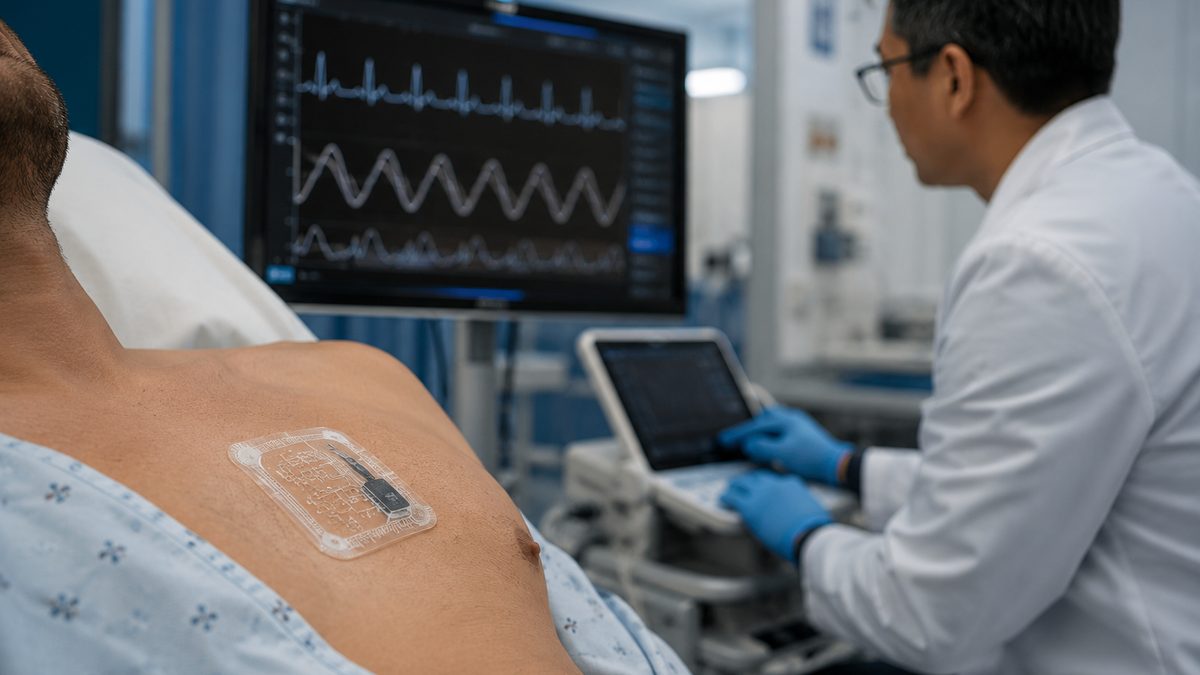
Space station research often depends on returning samples to Earth for careful analysis. Editorial illustration by TheDailyGlobe.
Key Facts
- NASA says Dragon is scheduled to leave the International Space Station on June 16 and return on June 17.
- Dragon is expected to bring back thousands of pounds of cargo and research materials.
- Returned research includes bioprinted tissue, stem-cell samples, cryogenic fuel-storage studies, and advanced materials investigations.
- NASA says ongoing space agriculture experiments are also part of the station's current research work.
- The returned samples will require further analysis on Earth before researchers can determine their full scientific value.
For many experiments aboard the International Space Station, the most important work does not happen in orbit. It happens after the samples come back home.
Researchers can collect data while experiments are running in space, but detailed laboratory analysis often requires equipment and facilities that are only available on Earth. That is why cargo return missions remain a critical part of the station's scientific mission.
NASA says a SpaceX Dragon cargo capsule is scheduled to depart the International Space Station on June 16 and splash down off the California coast on June 17. Along with equipment and supplies, the spacecraft is expected to carry thousands of pounds of research materials that scientists will begin studying after recovery.
The Return Trip Is Part of the Research
Rocket launches often receive the most attention, but many scientific projects are designed around the return journey. Scientists use the microgravity environment of the space station to observe how cells, materials, fluids, and plants behave differently than they do on Earth.
Once samples return, researchers can compare them with Earth-based controls, examine them using specialized laboratory tools, and determine whether any observed changes could have practical value.
In other words, getting samples home is not the end of the experiment. For many projects, it is the beginning of the most detailed phase of investigation.
What Is Coming Back to Earth
According to NASA, the cargo return includes a wide range of research efforts. Among them are bioprinted organ and cartilage tissue samples, studies related to improving cryogenic fuel storage, and DNA-inspired materials that researchers hope may contribute to future medical research.
The agency also says Dragon will return stem-cell samples and completed experiments that scientists have been conducting aboard the station. In addition, NASA recently highlighted ongoing plant biology research focused on understanding cell division and plant growth in microgravity.
These projects span several scientific fields, from medicine and materials science to agriculture and future exploration systems.
Why Researchers Care About Space-Grown Samples
One reason scientists conduct research in orbit is that microgravity changes how biological and physical systems behave. Cells may grow differently. Fluids move differently. Materials can form structures that are difficult to create under Earth's gravity.
Researchers hope those differences can reveal information that would otherwise remain hidden. NASA has highlighted stem-cell investigations as one area that could eventually improve understanding of diseases and treatment approaches. However, the agency and participating researchers describe those possibilities as future goals rather than established outcomes.
The same caution applies to agriculture research, advanced materials projects, and fuel-storage studies. The experiments are designed to generate knowledge, not immediate commercial products.
What the Return Does Not Prove
The upcoming cargo return should not be viewed as evidence that major breakthroughs have already occurred. The samples still need to be analyzed, validated, and in many cases followed by additional research.
It remains unclear which experiments will ultimately produce publishable findings, operational improvements, or technologies that move beyond the research stage. Some studies may generate useful insights. Others may show limited practical value. That is a normal part of scientific research.
NASA's departure and splashdown schedule is also subject to change, as weather and mission conditions can affect spaceflight timelines.
What Readers Should Watch Next
The immediate milestone is Dragon's planned undocking and return to Earth. After recovery, attention will shift from the spacecraft itself to the laboratories receiving its cargo.
The most meaningful updates are likely to come weeks or months later, when research teams publish findings, share data, or explain what they learned from the returned samples. Those reports will determine whether any of the current experiments produce advances in medicine, agriculture, materials science, or future space missions. Until then, the return mission is best understood as a handoff between spaceflight and science rather than the final result of either.
Reporting note: Reporting draws on NASA mission advisories, International Space Station updates, agency research materials, and reviewed background materials. This article was produced with AI-assisted research and reviewed by an editor before publication.