A 3D Digital Archive Is Preserving the Vaquita Before It Vanishes
Researchers created a high-resolution 3D archive of a rare vaquita skeleton, preserving scientific access to one of the world's most endangered marine mammals.
Save Article
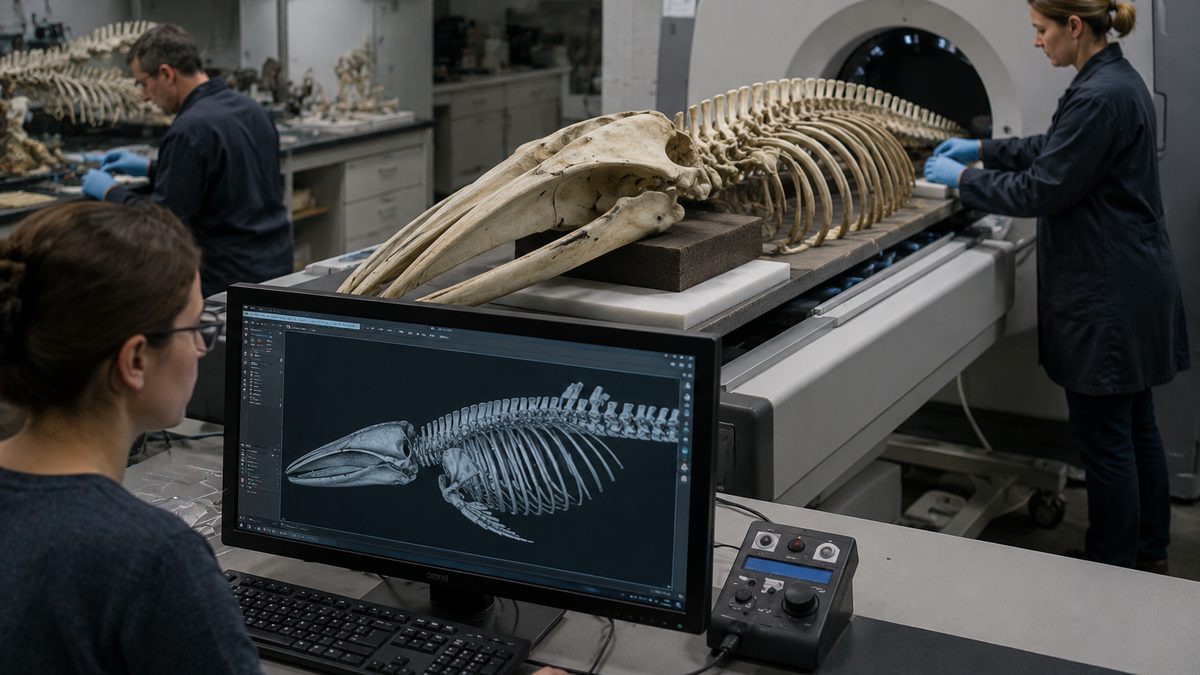
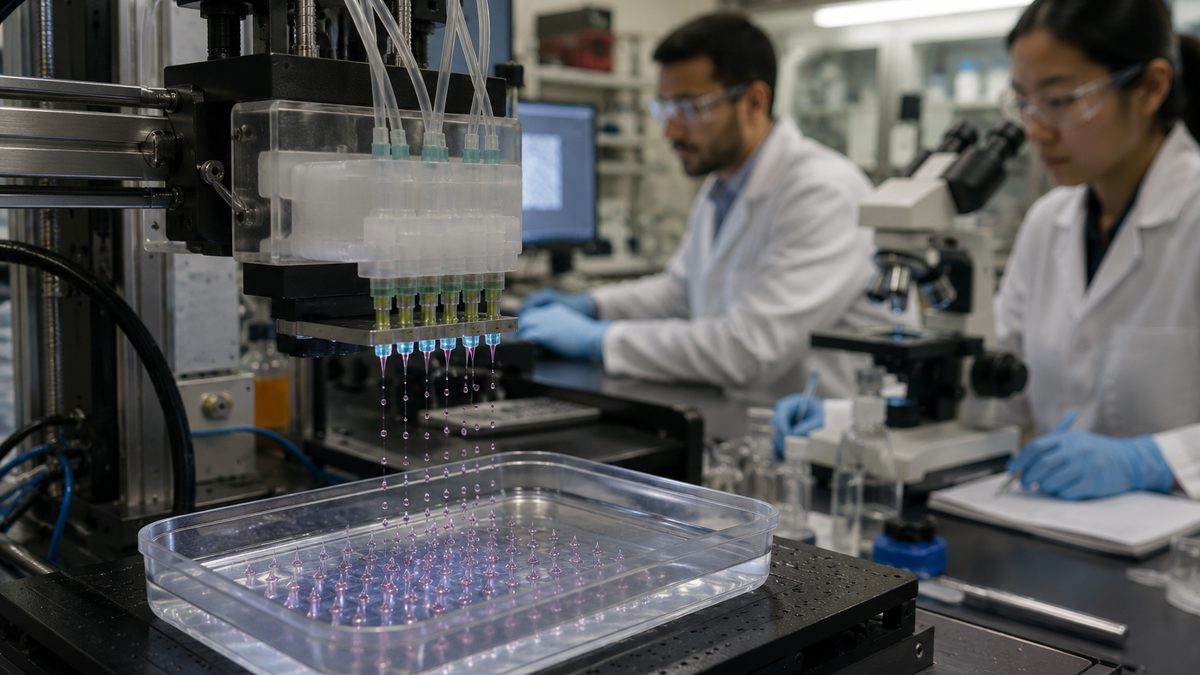
High-resolution scanning can preserve digital access to rare biological specimens for future research. Editorial illustration by TheDailyGlobe.
Key Facts
- Researchers helped create a high-resolution 3D digital archive of a rare vaquita skeleton.
- The project used micro-CT scanning technology to capture detailed images of the specimen.
- Florida Atlantic University reported that the scanning process took about 165 hours.
- The project generated roughly three terabytes of digital data.
- The archive preserves scientific access to a rare specimen but does not address the environmental threats facing living vaquitas.
When an animal becomes extremely rare, scientists face a difficult problem. Every remaining specimen becomes more valuable, but repeated handling, transportation, and study can increase the risk of damage to the physical evidence researchers hope to preserve.
That challenge is especially relevant for the vaquita, a small porpoise found in Mexico's Gulf of California. Often described as the world's smallest porpoise and among the world's most endangered marine mammals, the species has become so rare that opportunities to study it directly are limited.
Researchers affiliated with Florida Atlantic University and partner institutions recently completed a project designed to preserve scientific access to one rare specimen. Using high-resolution micro-CT scanning, they created a detailed 3D digital archive of a vaquita skeleton, allowing researchers to examine the specimen digitally without repeatedly handling the original bones.
Turning Bones Into Digital Data
Micro-CT scanning works in a way that is similar to medical imaging, but at much higher levels of detail. Instead of creating a simple photograph, the technology captures thousands of cross-sectional images that can be assembled into a three-dimensional digital model.
The result allows researchers to rotate, enlarge, measure, and study structures that might otherwise require direct access to the physical specimen. In some cases, digital models can reveal details that are difficult to examine through traditional observation alone.
According to Florida Atlantic University, the scanning effort required approximately 165 hours and generated about three terabytes of data. Those figures help illustrate the scale of the project. Preserving a rare specimen digitally is not as simple as taking photographs; it involves creating a highly detailed scientific record that can support future research.
Why Digital Preservation Matters
Museum collections and research institutions around the world contain rare specimens that are difficult to access. Some are fragile. Others are stored in specialized facilities. In certain cases, only a small number of examples exist.
Digital archives offer a way to expand access while reducing wear on the original materials. A researcher on another continent may be able to examine a digital model without shipping a delicate specimen across the world. Students and educators may also gain access to materials that would otherwise remain unavailable.
For endangered species research, preserving detailed records can become particularly important. Scientists may not know which questions future researchers will want to ask. Creating a digital archive today can help ensure that anatomical information remains available decades from now.
What This Project Can and Cannot Do
The technology involved in the vaquita archive is impressive, but researchers and institutions involved with the project have been careful not to blur the distinction between digital preservation and species conservation.
A digital archive can preserve access to scientific information. It cannot remove the environmental pressures facing living animals. The existence of a detailed 3D model does not increase population numbers, restore habitat, or solve the challenges that have contributed to the vaquita's decline.
It is also important not to overstate what a single specimen can reveal. While the archive provides researchers with a valuable resource, one skeleton does not represent every aspect of a species' biology or population history.
A Growing Role for Imaging Technology
Projects like this reflect a broader trend in scientific research and museum management. Advances in scanning technology, computing power, and digital storage have made it possible to preserve information in ways that were difficult or impossible a generation ago.
Researchers increasingly use high-resolution imaging to document fossils, archaeological discoveries, biological specimens, and cultural artifacts. Digital archives can help institutions balance preservation with accessibility, allowing more people to study important materials while reducing risks to the originals.
The vaquita project demonstrates how those tools can be applied to one of the rarest marine mammals known to science. The value lies not in replacing traditional conservation efforts, but in ensuring that knowledge about the species remains available for future study.
What Readers Should Watch Next
Several questions remain unanswered. It is not yet clear how broadly researchers, educators, and institutions will use the archive. Future projects may also explore whether additional specimens can be digitized or whether similar techniques can be applied to other endangered species.
Readers should also watch for broader efforts by museums and research institutions to make rare scientific collections more accessible through digital technology. As scanning capabilities continue to improve, more specimens that were once available only to a small group of specialists may become accessible to researchers around the world.
For now, the vaquita archive stands as an example of how technology can preserve scientific access to rare evidence. It does not solve the challenges facing the species itself, but it helps ensure that valuable knowledge is not lost if opportunities to study these animals become even rarer in the future.
Reporting note: Reporting draws on university research materials, science reporting, research news releases, and reviewed background materials. This article was produced with AI-assisted research and reviewed by an editor before publication.