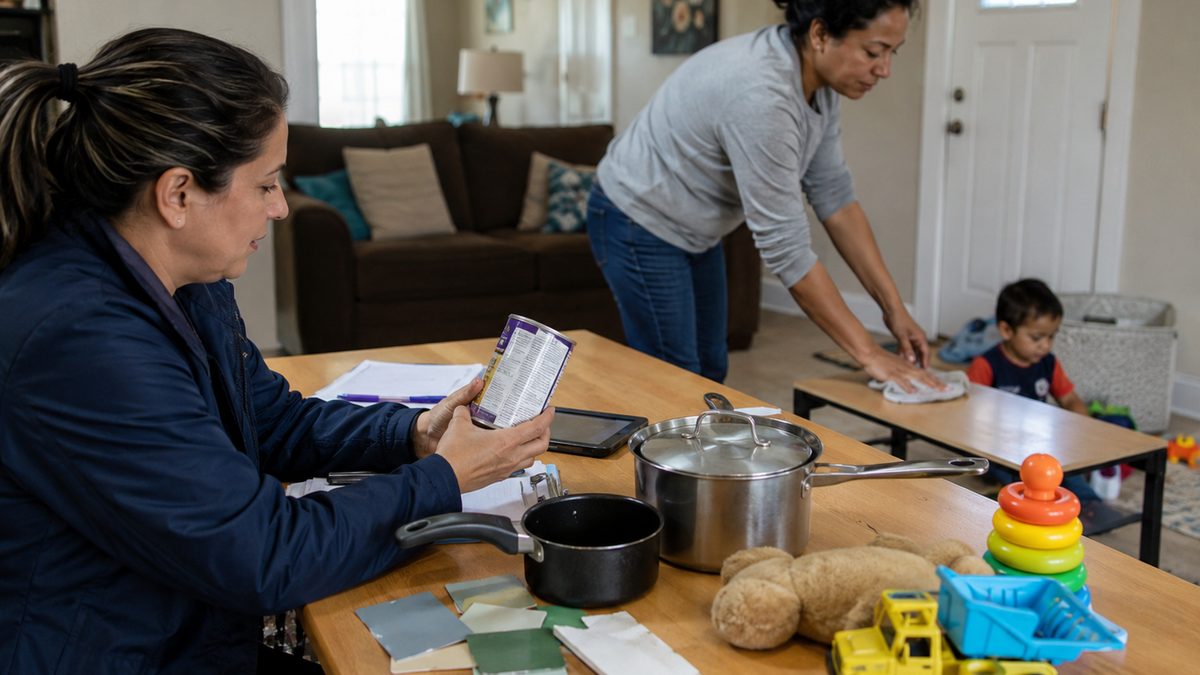
Lead Poisoning Is Hiding in Everyday Places Children Live and Play
UNICEF, WHO and Pure Earth say childhood lead exposure remains widespread, often coming from everyday products, soil, dust, recycling and household materials.
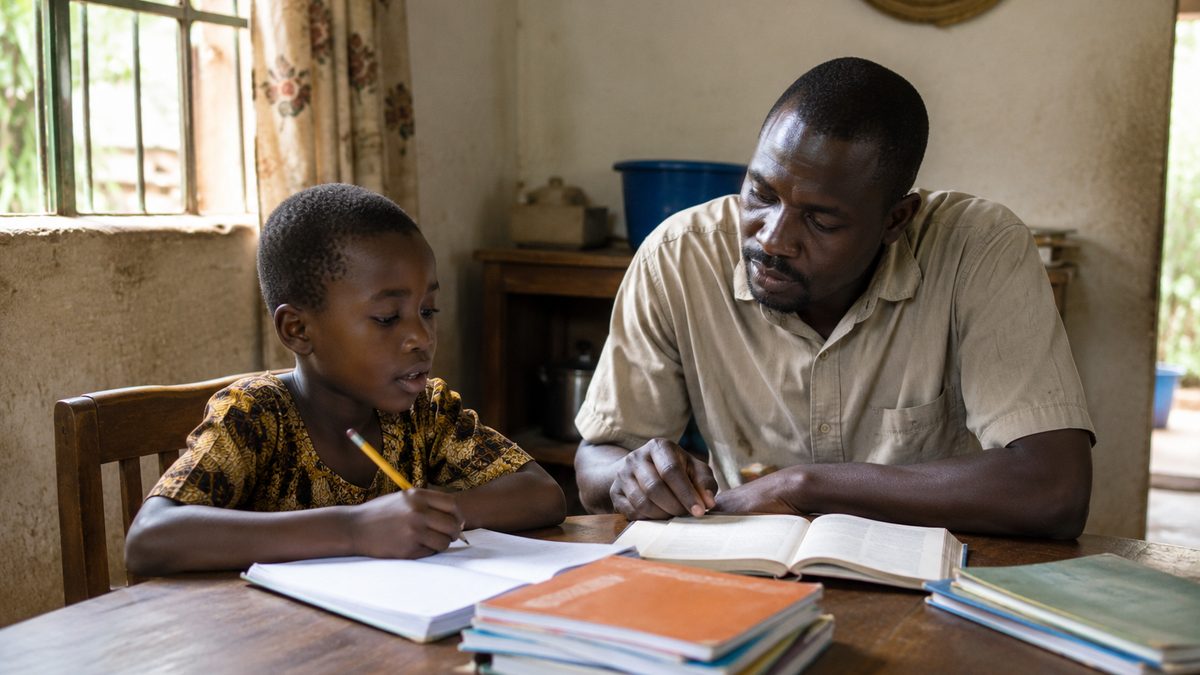
Child Labor Is Still a Family Poverty Problem, Not Just a School Problem
New ILO and UNICEF estimates show child labor has fallen since 2020, but 138 million children were still affected in 2024, including millions in hazardous work.
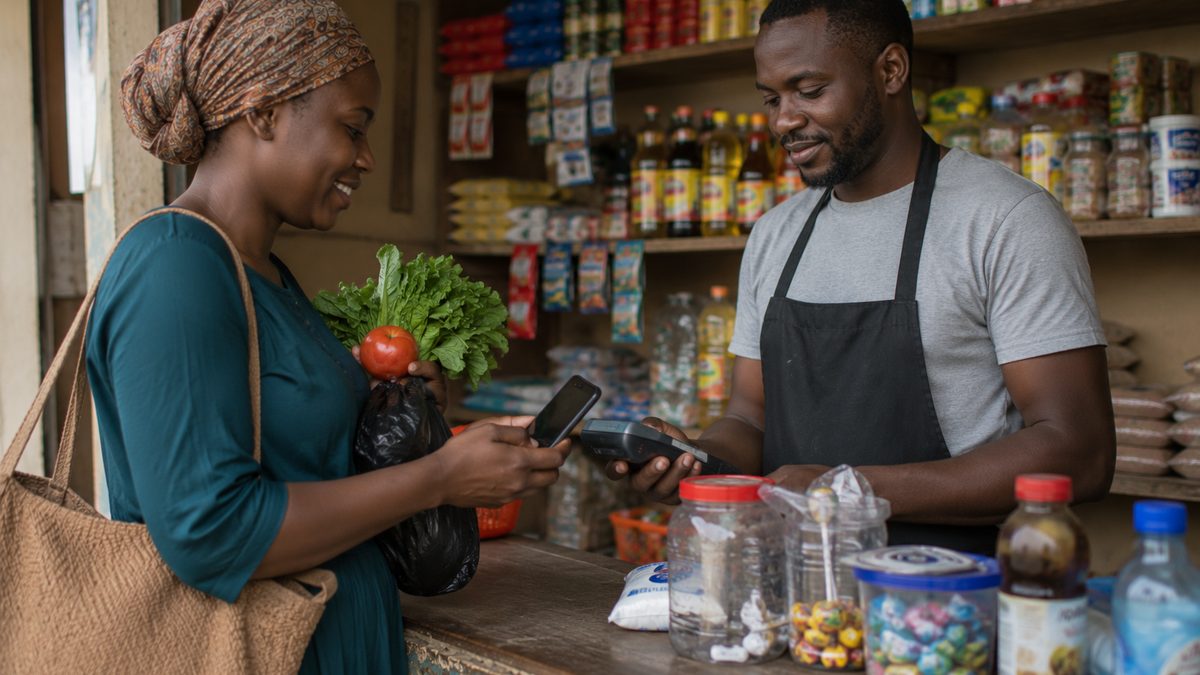
How Mobile Banking Changed Everyday Life Across Africa
For many households and small businesses, mobile money has become a practical way to send payments, pay bills and manage financial emergencies when traditional banking is difficult to access.
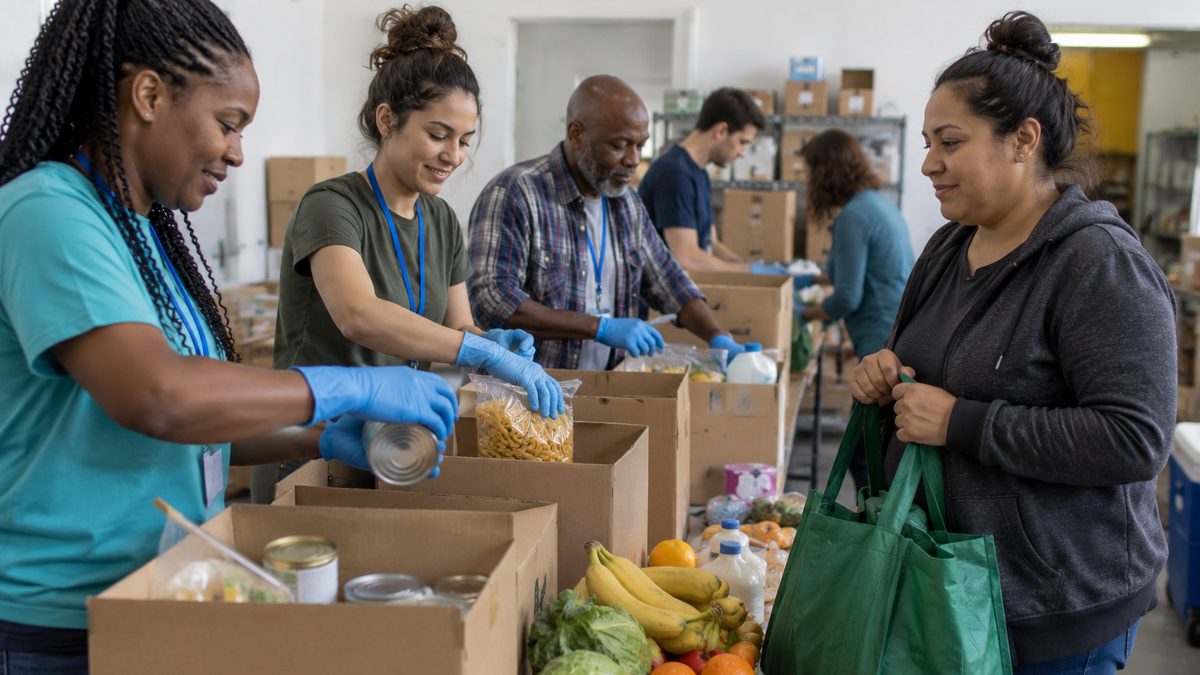
Why Food Banks Are Serving More Working Families
Food banks are increasingly helping people who have jobs but still struggle to cover groceries, rent, transportation and other basic expenses.
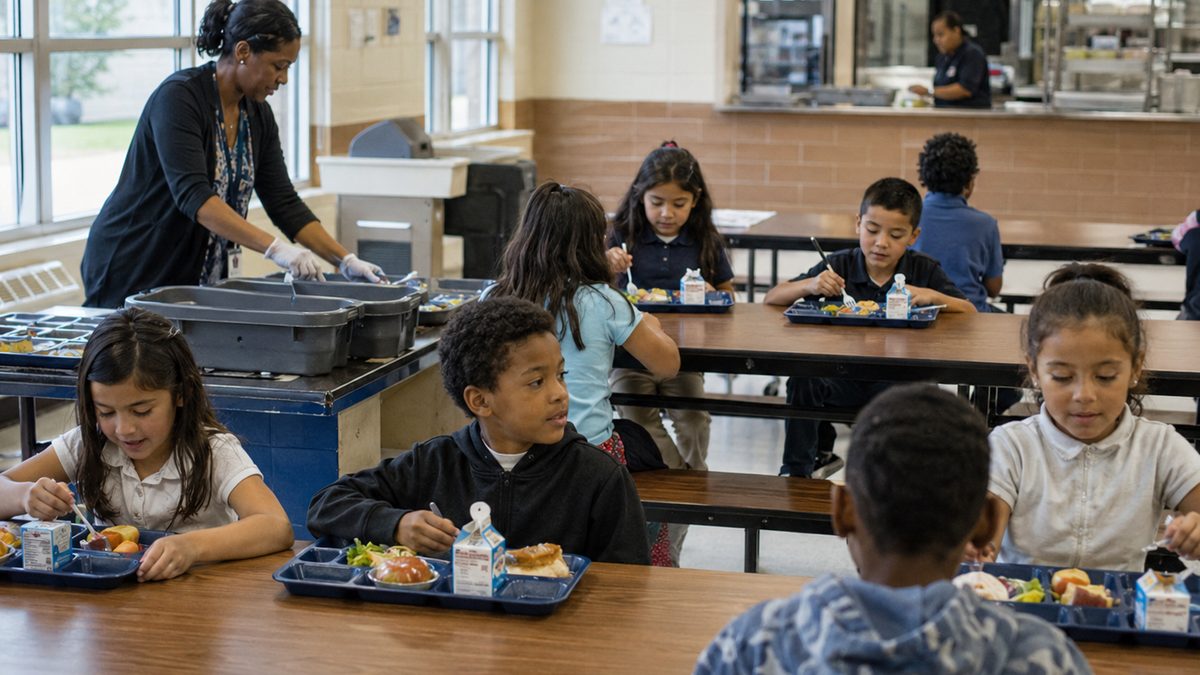
School Meals Are Becoming Family Budget Support, Not Just Education Policy
Global school meal programs are increasingly part of how governments support child nutrition, classroom readiness and household grocery budgets.
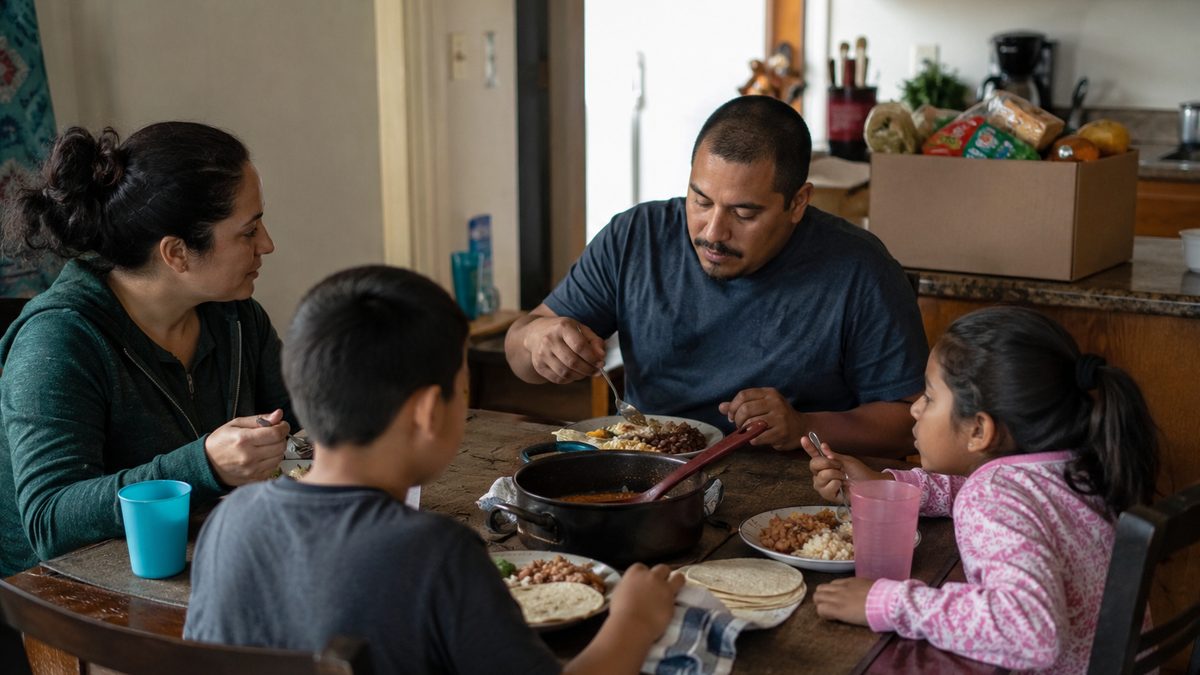
Food Agencies Warn Hunger Hotspots Are Getting Worse as Aid and Prices Squeeze Families
FAO and WFP warn acute food insecurity could worsen across 13 hotspots as conflict, prices, climate shocks and funding shortfalls pressure families.
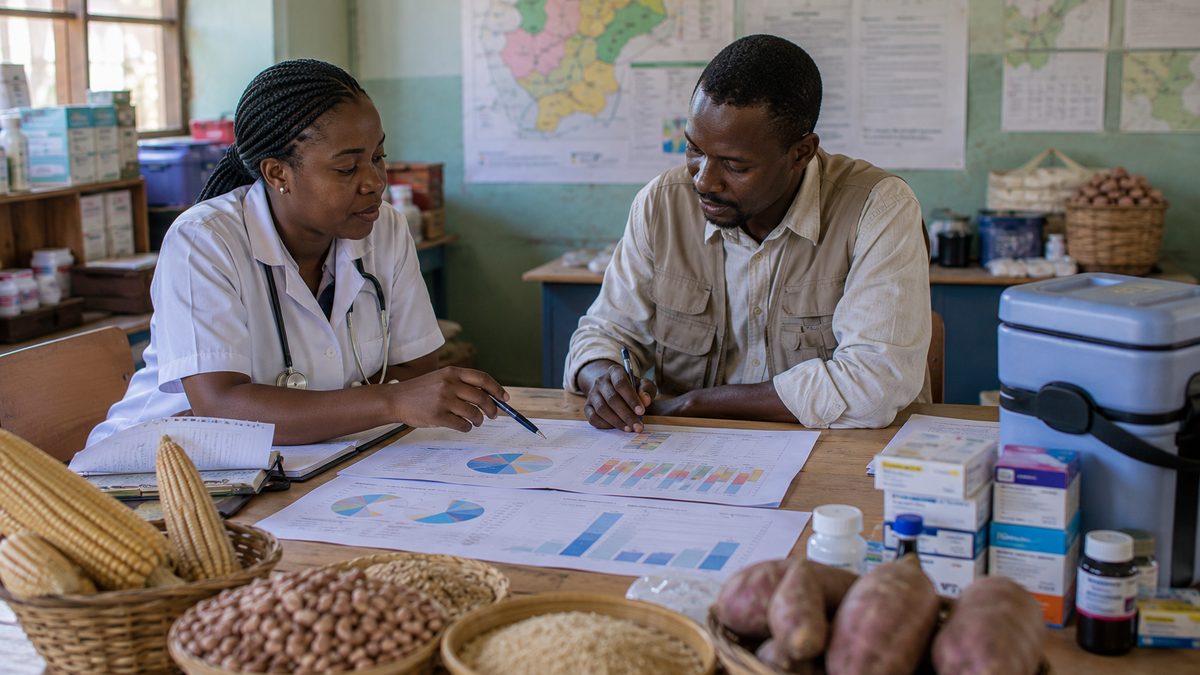
Global Nutrition Report Links Food and Health Systems to Climate Resilience
New global reports argue that nutrition can no longer be treated as a food issue alone, linking healthy diets to agriculture, health care, climate resilience, and government planning.
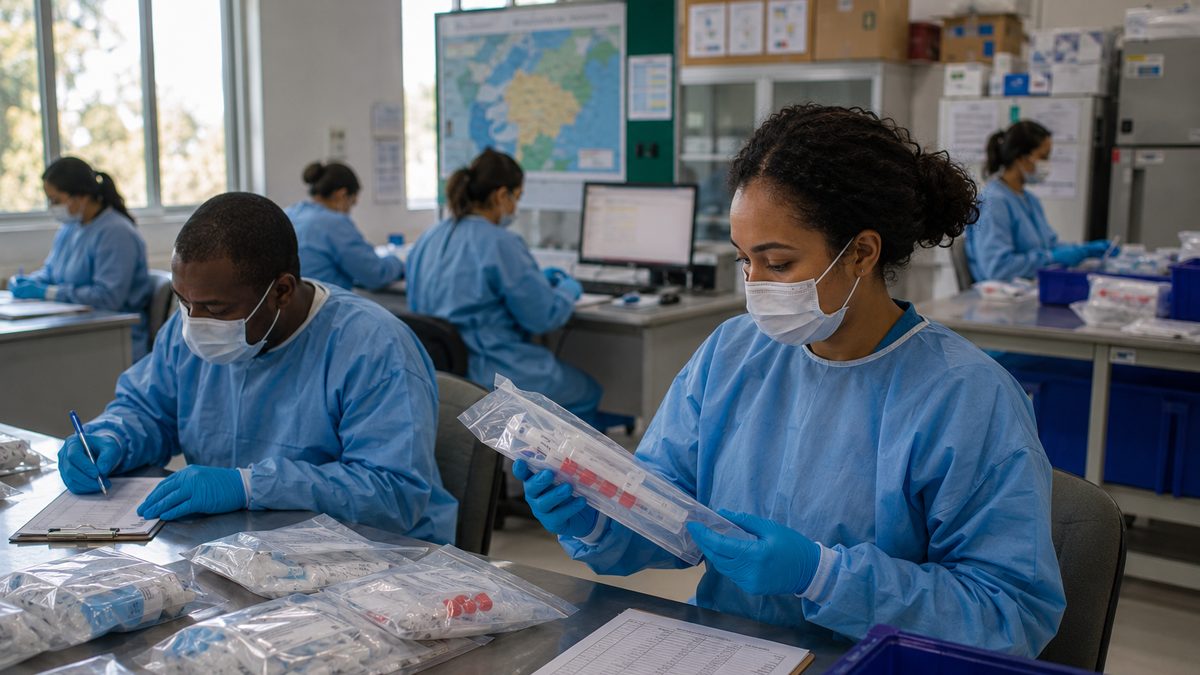
Ebola Preparedness Is Expanding Across the Americas After Africa Outbreak
Health agencies across the Americas are strengthening surveillance, laboratory readiness, and response planning following an Ebola outbreak in Africa, even as no local spread has been reported in the region.
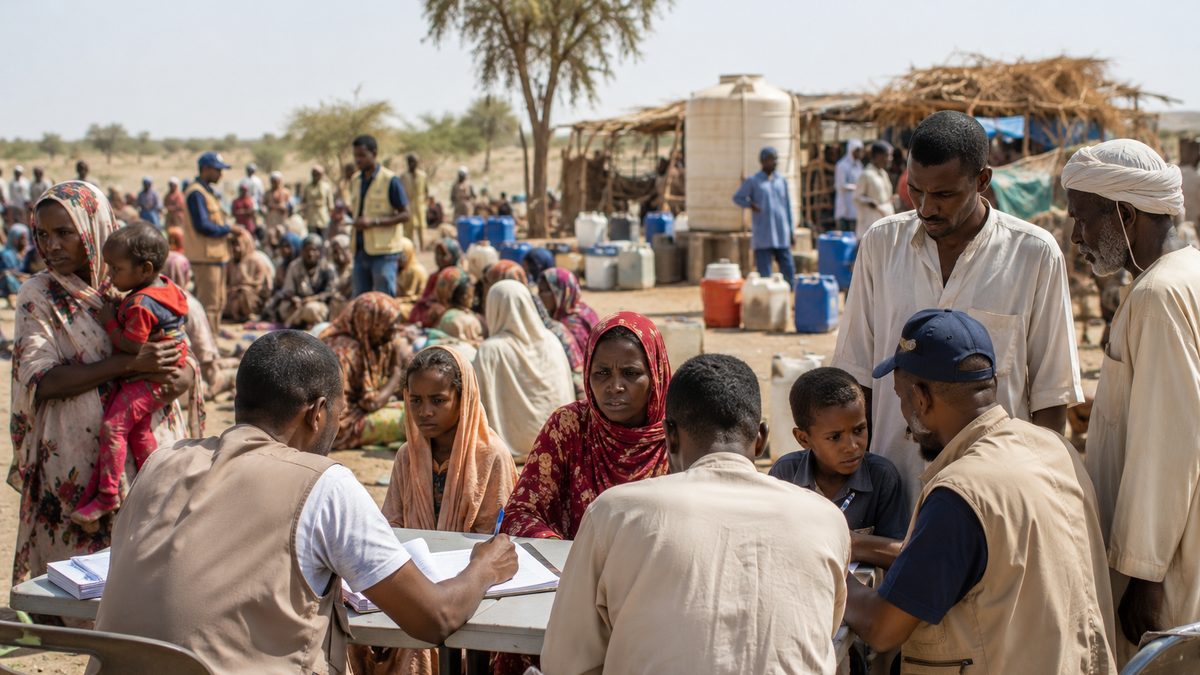
South Sudan and U.N. Set a 60,000-Person Return Goal
South Sudan's government and the United Nations say they will work toward helping at least 60,000 displaced people reach durable solutions by the end of 2026, a goal that depends on security, services, and long-term stability.
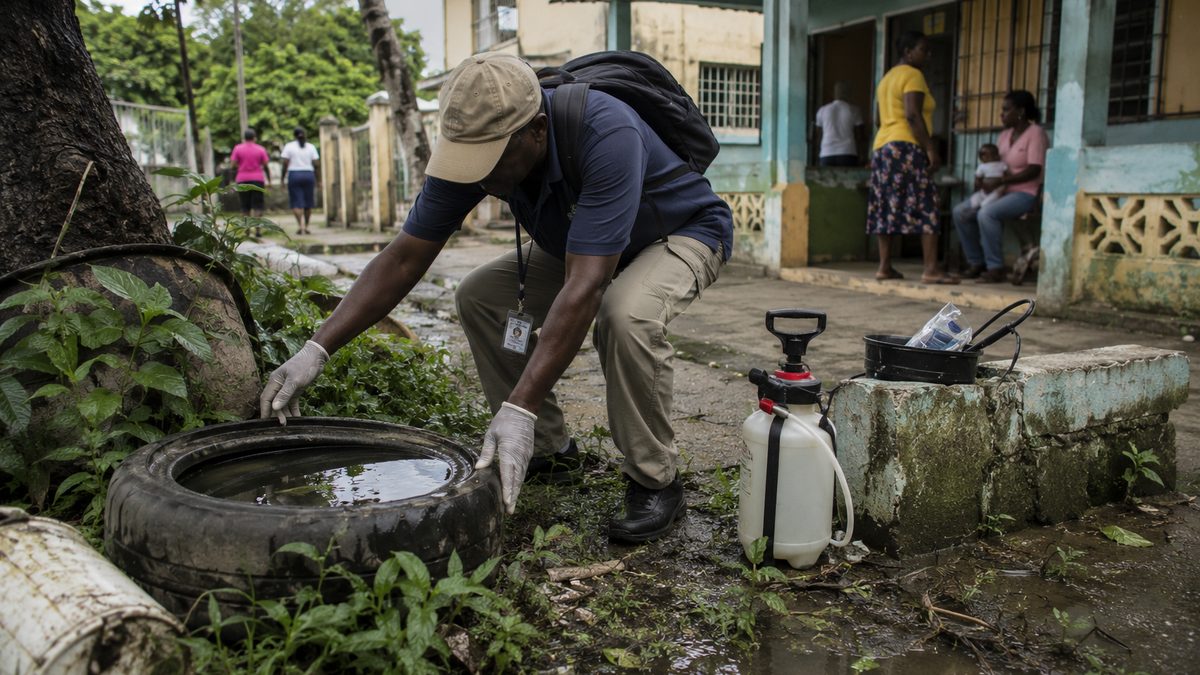
Dengue Is Down in the Americas, but PAHO Says the Watch Cannot Ease
Reported dengue cases across the Americas are sharply lower than a year ago, but public-health officials say mosquito control, surveillance, and preparedness remain essential.
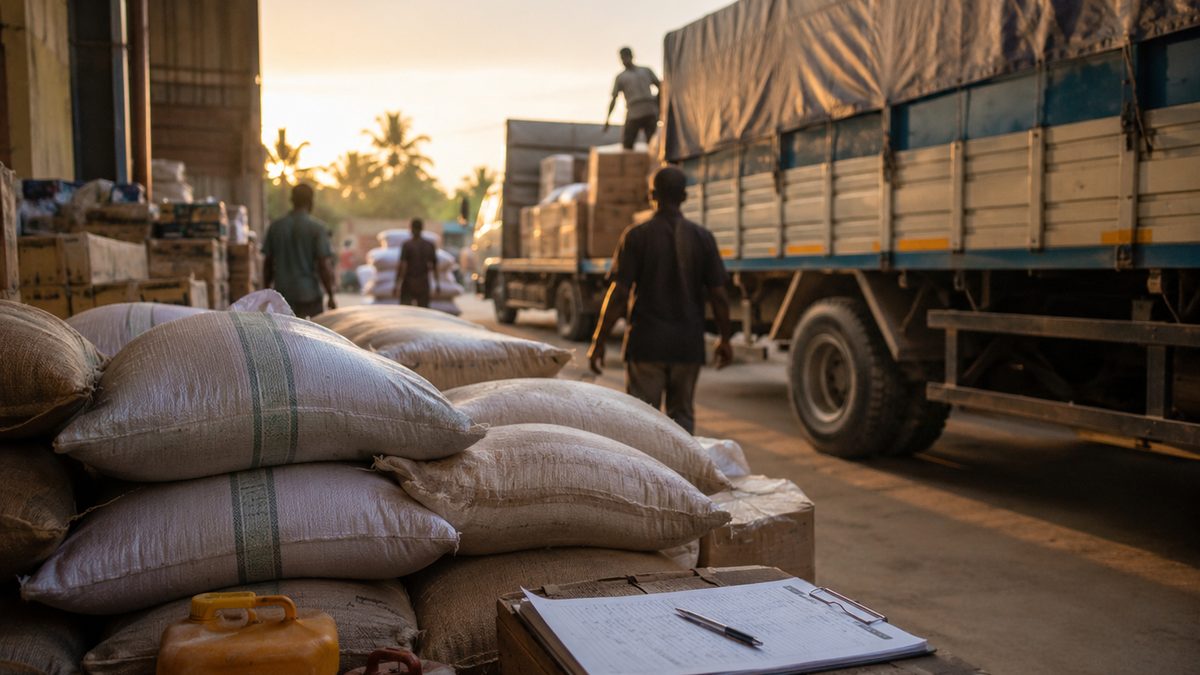
How Fuel and Food Prices Can Turn a Regional War Into a Hunger Shock
WFP warns that conflict-linked fuel and food price increases can deepen hunger where families and aid systems are already under strain.
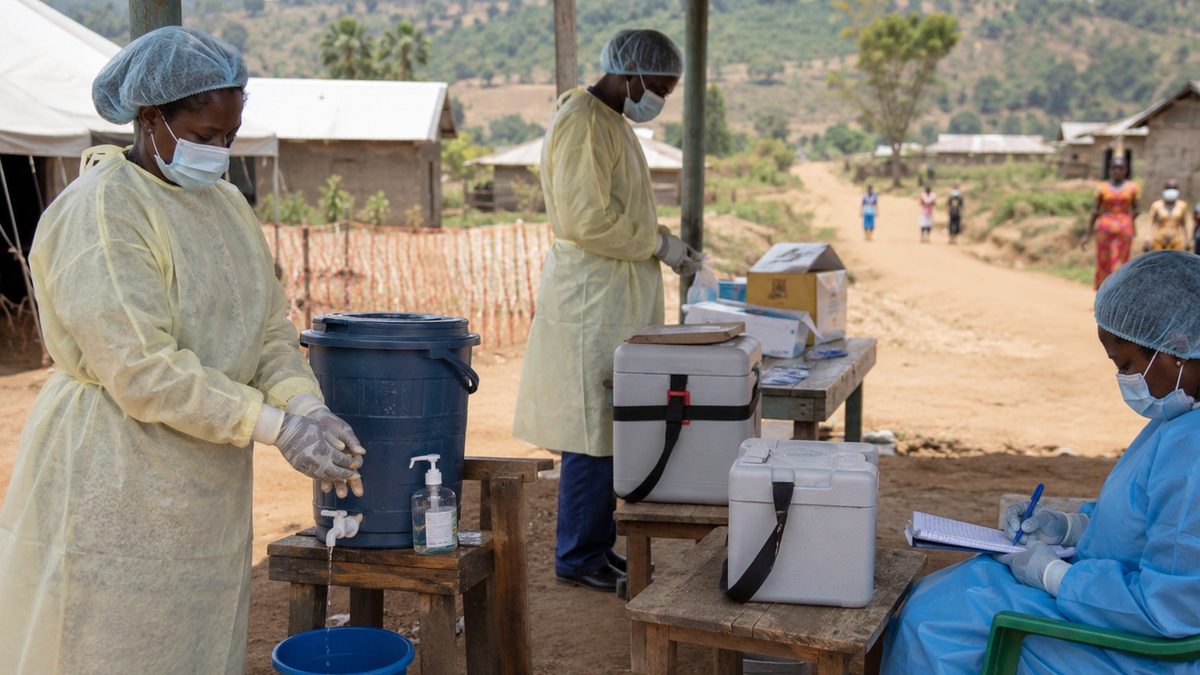
What the Congo Ebola Outbreak Shows About Stopping Disease in Conflict Zones
Health officials say Ebola risk to the U.S. public remains low, but the outbreak in Congo and Uganda shows why access and trust matter in disease control.
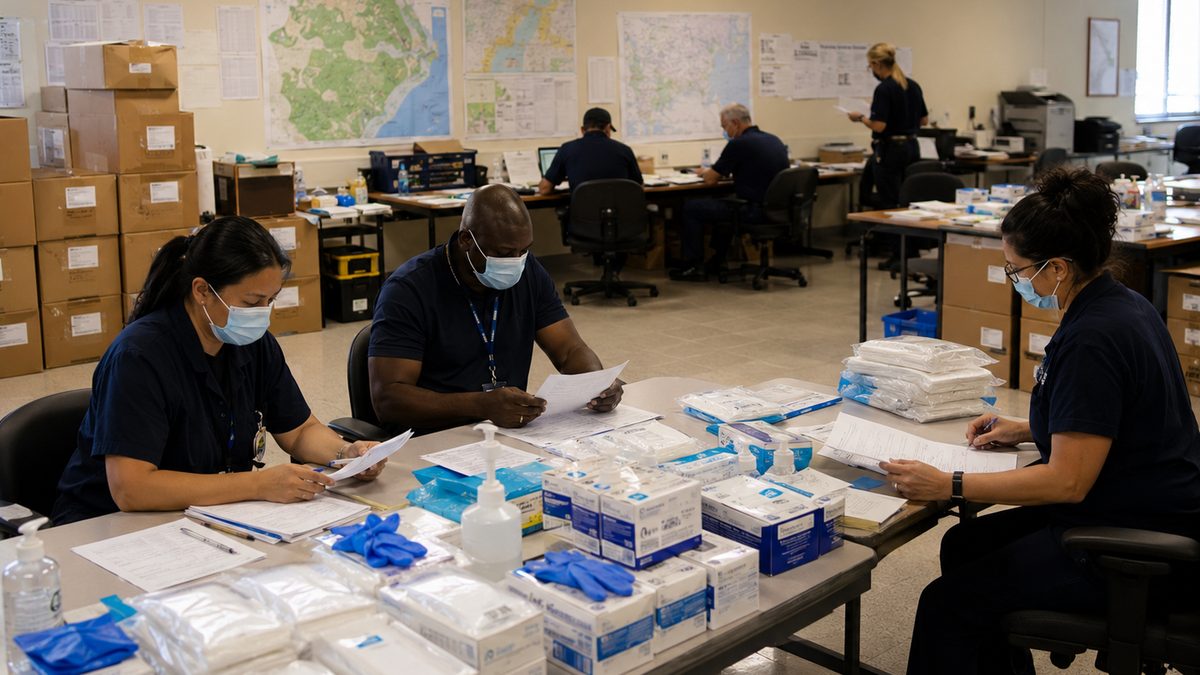
A New Ebola Emergency Shows Why Outbreaks Still Need Fast Cross-Border Response
WHO's emergency declaration for a Bundibugyo Ebola outbreak in DRC and Uganda shows why speed, trust and coordination matter before disease spreads further.

Nigeria School Kidnappings Show A Security Crisis Moving Into New Communities
Recent school abductions in Nigeria show how kidnapping risk can turn classrooms into security questions for families, teachers and local communities.
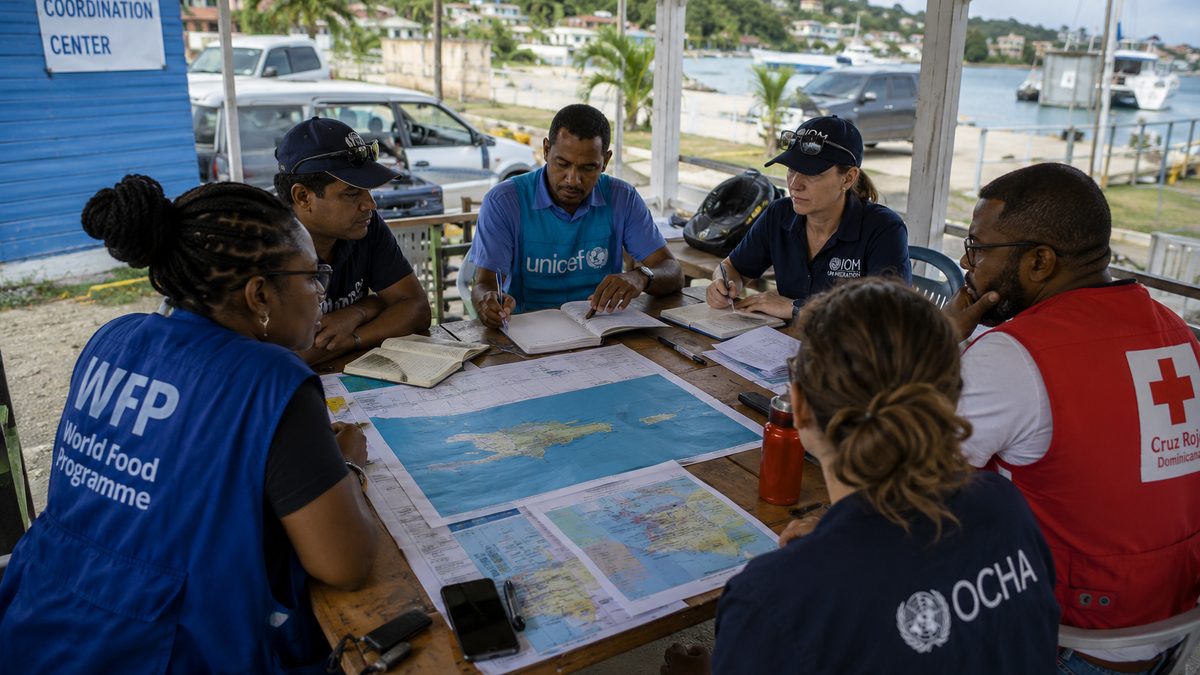
Haiti's Humanitarian Crisis Remains a Migration and Aid Test for the Region
Recent UN humanitarian updates show why Haiti remains a regional concern for aid planning, security support and migration policy.
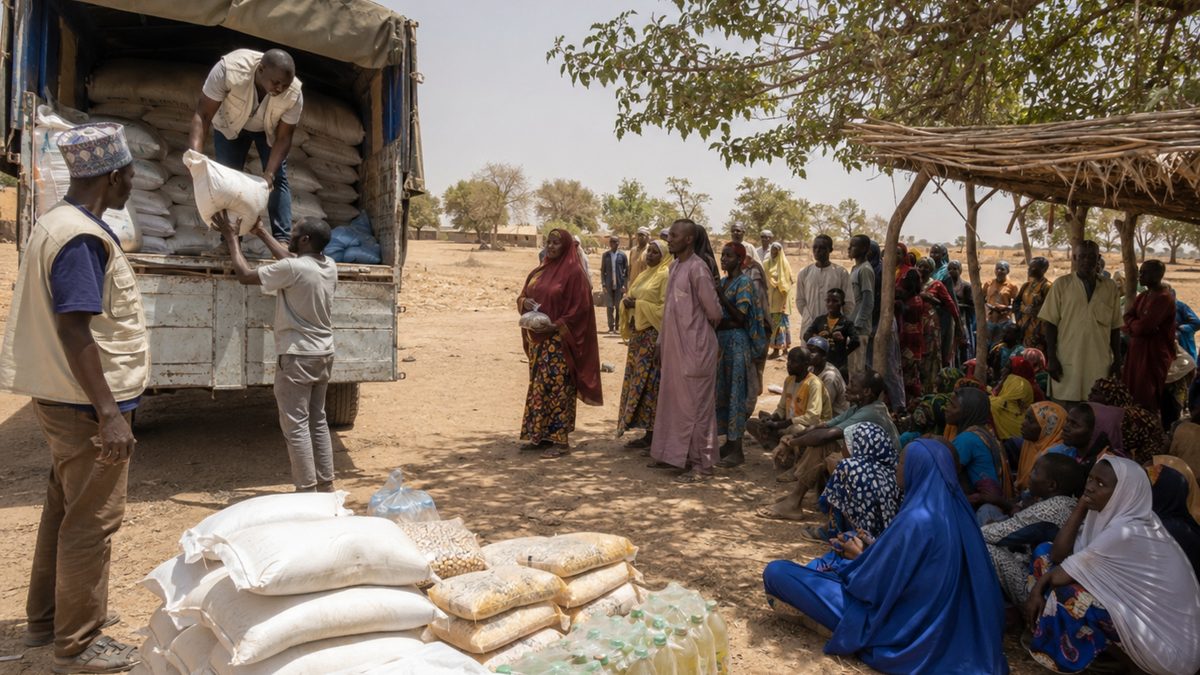
Sahel Hunger Forecast Shows Why West Africa's Crisis Is Not Just Local
As the lean season begins, UN agency projections show how food insecurity and displacement in West Africa and the Sahel could deepen without timely aid.

Zimbabwe Bill Would Delay Elections and Change How Presidents Are Chosen
A proposed constitutional amendment would delay Zimbabwe's 2028 elections and shift presidential selection from voters to lawmakers.
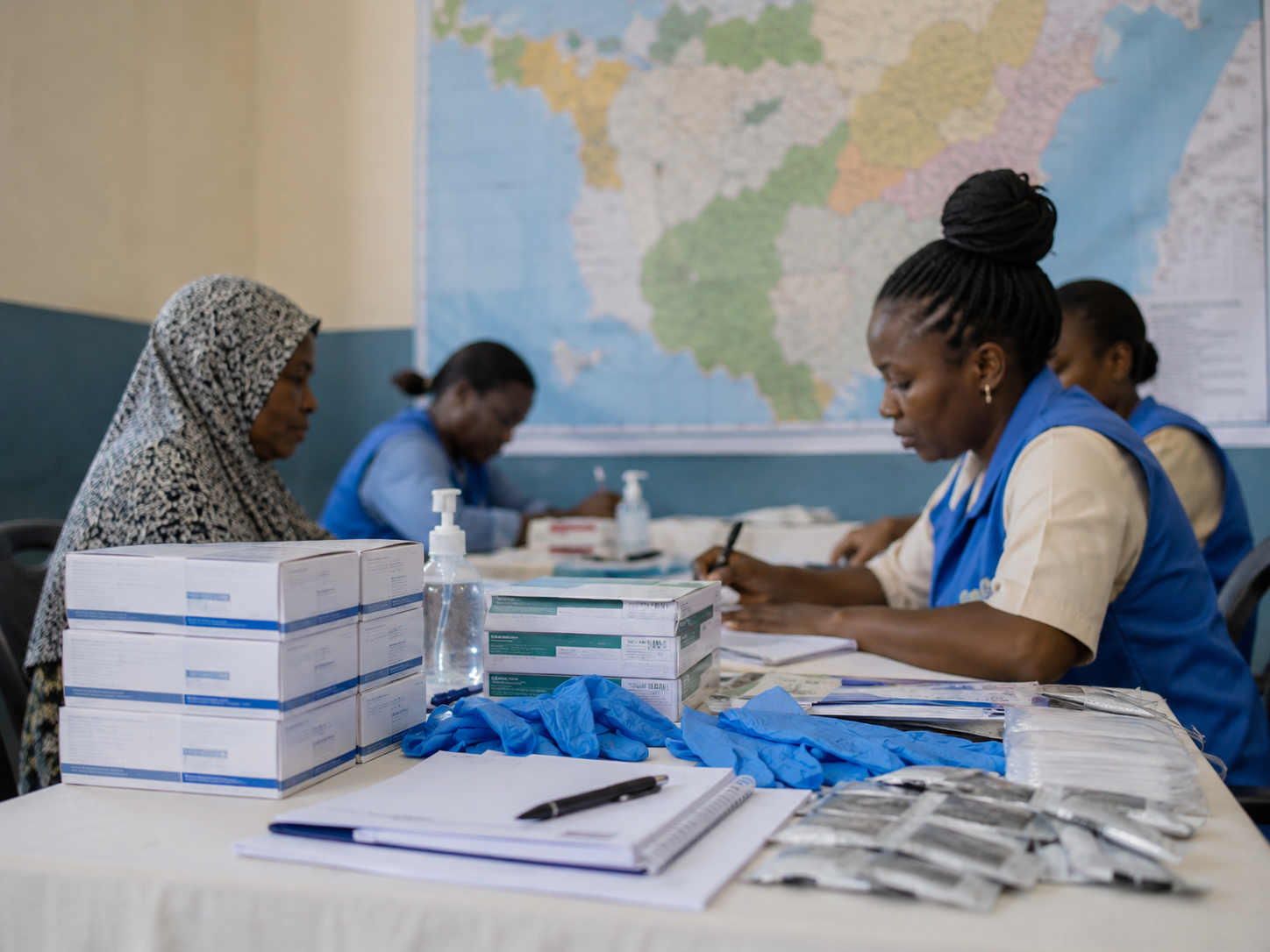
WHO Ebola Warning Shows Why Central Africa's Outbreak Needs Close Watching
WHO says a Bundibugyo Ebola outbreak in DRC and Uganda requires early containment, cross-border coordination and careful public-health monitoring.