A New Ebola Emergency Shows Why Outbreaks Still Need Fast Cross-Border Response
WHO's emergency declaration for a Bundibugyo Ebola outbreak in DRC and Uganda shows why speed, trust and coordination matter before disease spreads further.
Save Article
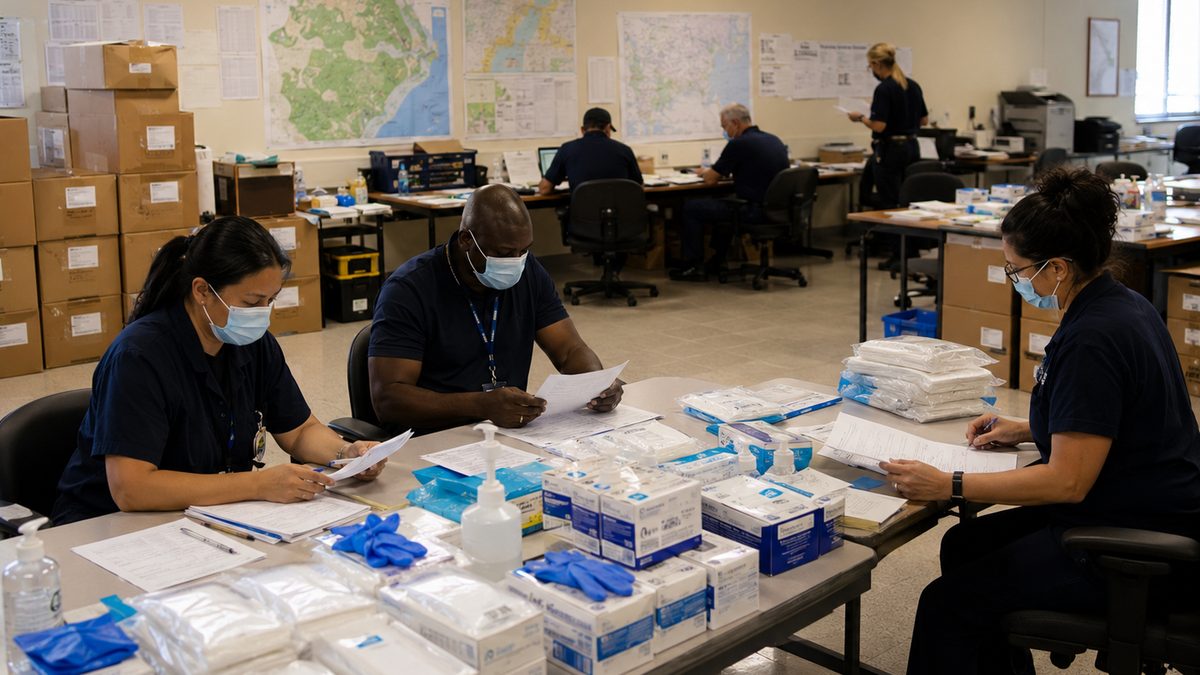
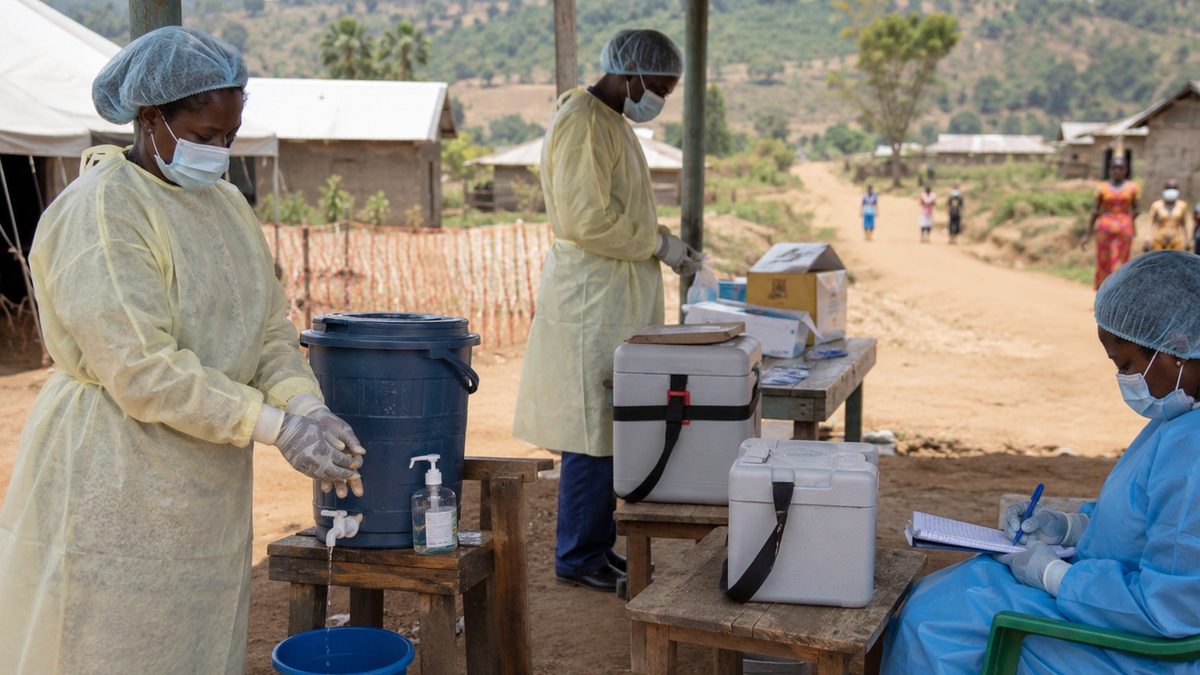
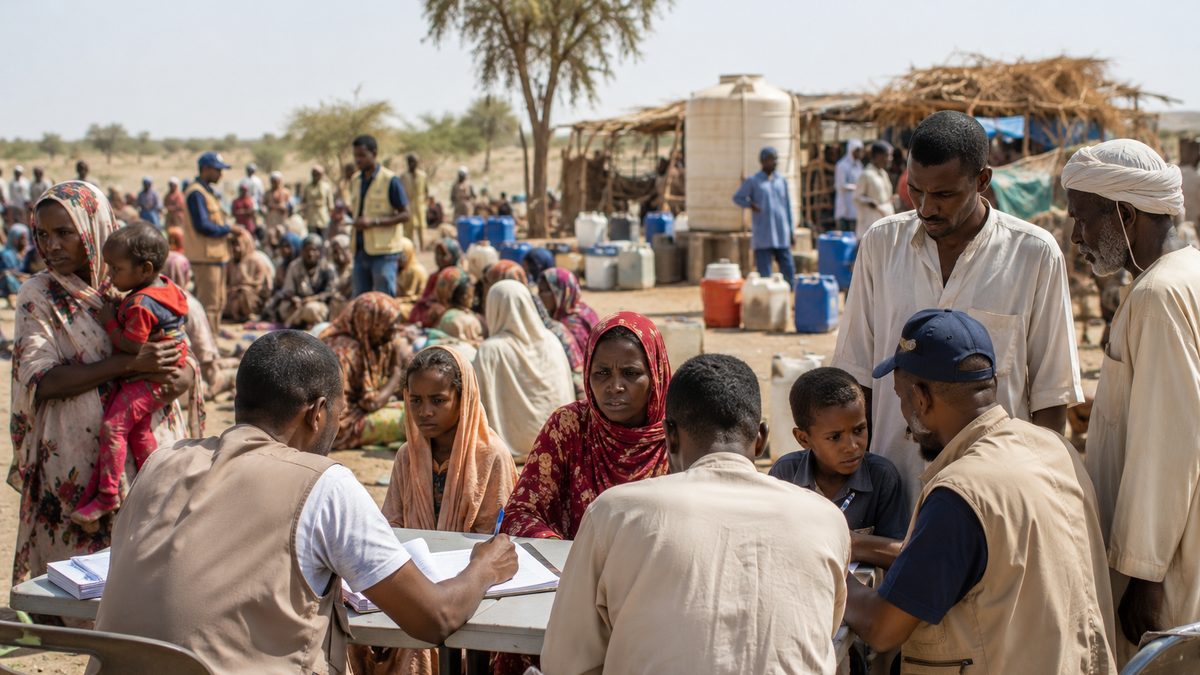
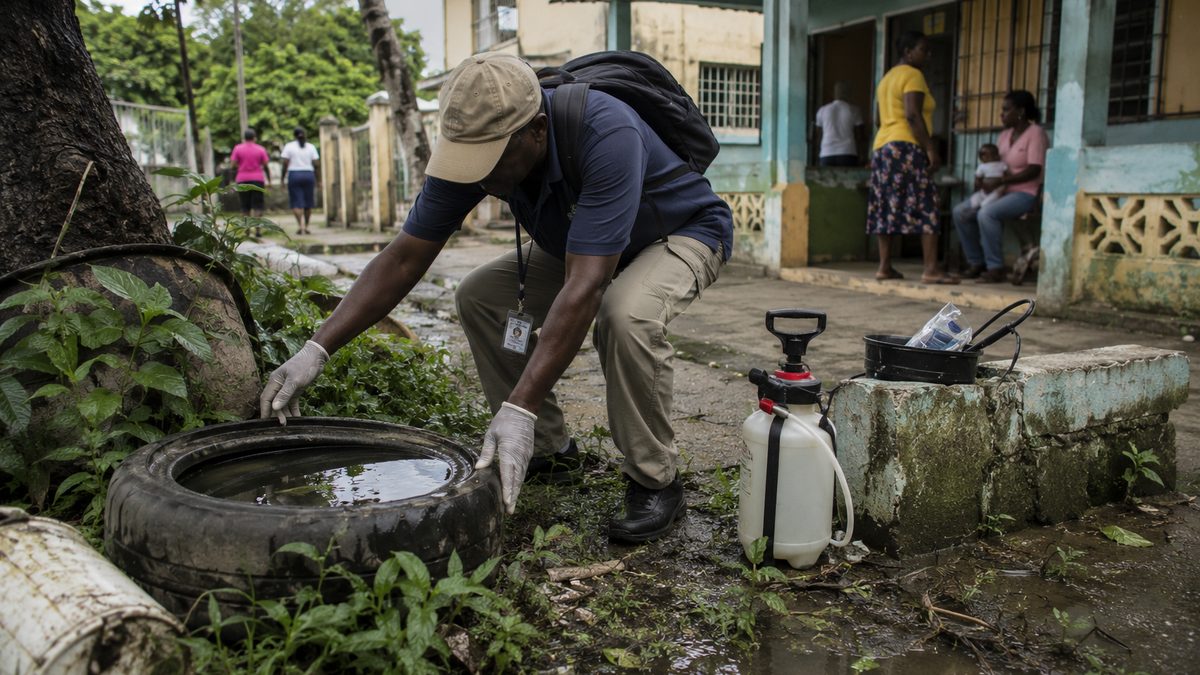
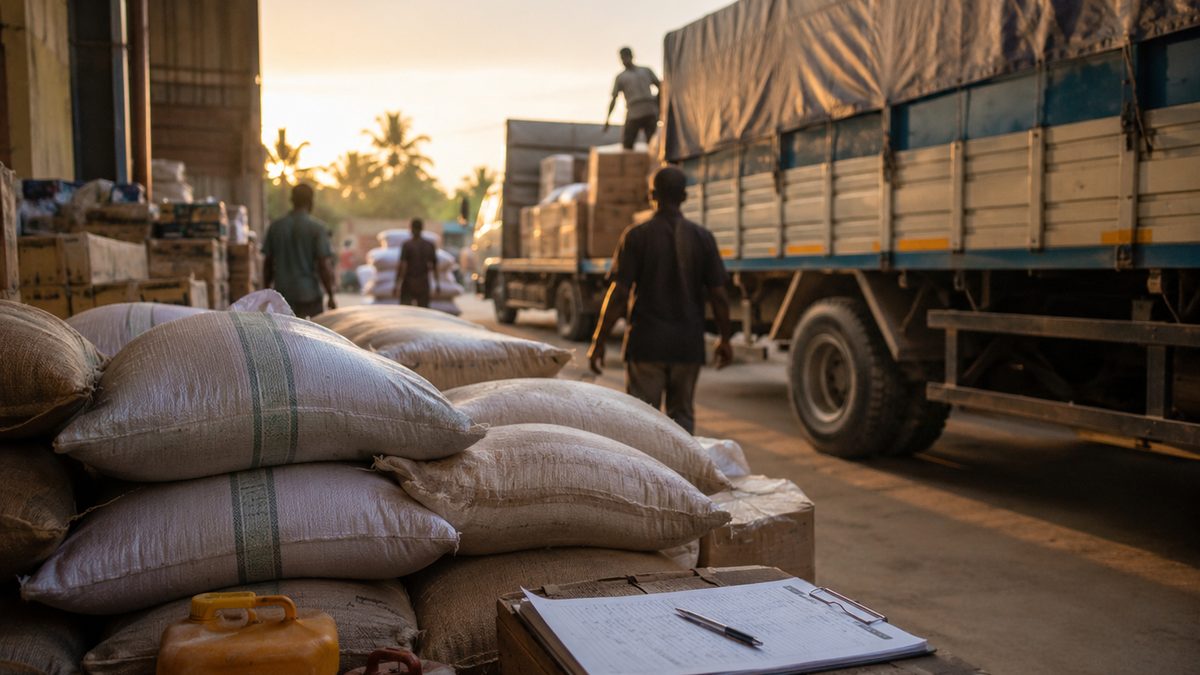
Outbreak response depends on speed, coordination and trust before a disease spreads further. Editorial illustration by TheDailyGlobe.
Key Facts
- WHO says an Ebola outbreak caused by Bundibugyo virus was confirmed in DRC and Uganda in May 2026.
- WHO determined on May 17 that the outbreak constitutes a public health emergency of international concern.
- WHO says there is no licensed vaccine or specific treatment for Bundibugyo virus disease, though candidate work is underway.
- As of WHO's late-May update, 134 confirmed cases, including 9 in Uganda, and 18 deaths among confirmed cases had been reported across both countries.
- WHO says response work includes surveillance, contact tracing, clinical preparedness, supplies, community engagement and cross-border preparedness.
Outbreaks are hardest to stop when people are already moving across borders, health systems are under strain and communities have reason to distrust outside instructions. That is the setting behind a new Ebola emergency involving the Democratic Republic of the Congo and Uganda.
The World Health Organization has determined that Ebola disease caused by Bundibugyo virus in DRC and Uganda constitutes a public health emergency of international concern. The designation does not mean the outbreak is a pandemic. It means WHO sees the event as serious enough to require coordinated international attention under global health rules.
For readers far from Central and East Africa, the main point is not panic. It is preparedness. Outbreak control depends on finding cases early, tracing contacts, moving supplies, protecting health workers and building enough trust that people seek care instead of hiding symptoms.
What WHO Confirmed
WHO says the outbreak was confirmed in May after Bundibugyo virus disease was identified in the Democratic Republic of the Congo and Uganda. The agency has described the outbreak as occurring in a difficult environment, including remote and densely populated areas, insecurity, humanitarian strain and high population and trade movement.
In its late-May update, WHO reported 134 confirmed cases across the two countries, including 9 in Uganda, and 18 deaths among confirmed cases. WHO also reported a much larger number of suspected cases and deaths in DRC, while noting that epidemiological and laboratory investigations were ongoing to classify suspected cases.
That distinction matters. Confirmed cases are laboratory-supported. Suspected cases may later be confirmed, ruled out or reclassified. In an outbreak, careful language is part of public health work because bad numbers can mislead communities, responders and readers.
Why The Emergency Declaration Matters
A public health emergency of international concern is a formal WHO designation used when an event may require a coordinated international response. It is not a label for fear. It is a signal that governments and health agencies need to move quickly together.
For Ebola, speed matters because response teams need to identify cases, monitor contacts, support isolation and care, protect health workers and help communities understand what to do. Those steps become harder when people travel across borders for work, trade, family or medical care.
The Bundibugyo virus adds another challenge. WHO says there is no licensed vaccine or specific treatment for Bundibugyo virus disease, although work is underway to test promising candidates. That makes basic outbreak control even more important: surveillance, protective equipment, safe care, contact tracing and trust.
Why Trust Can Decide The Response
Public health response is not only a medical operation. It also depends on whether people believe the advice they are receiving. In communities affected by conflict, displacement or past mistreatment, trust can be thin.
If families fear being separated, stigmatized or blamed, they may delay seeking care. If health workers are not protected, clinics can become strained. If rumors spread faster than reliable information, even strong technical plans can lose ground.
That is why WHO has emphasized community engagement alongside surveillance and supplies. An outbreak response has to reach people in language they trust, through messengers they will listen to, with clear explanations of what is known and what is not.
What Remains Unclear
The future path of the outbreak remains uncertain. Case totals may change as testing continues and suspected cases are classified. The final impact will depend on how quickly transmission chains are found, how well health workers are protected and whether affected communities cooperate with response teams.
It is also too early to know how quickly candidate vaccines or treatments may affect the response. WHO has said work is underway, but the public record does not support treating those tools as already available solutions.
Risk to U.S. readers should not be overstated. The immediate public health burden is in DRC and Uganda. The wider relevance is that international outbreak systems, travel monitoring and global preparedness exist because infections can cross borders faster than health officials can respond if early detection fails.
What To Watch Next
The next updates to watch are practical: confirmed case counts, the classification of suspected cases, border-health measures, contact tracing progress, health worker infections and any WHO updates on candidate vaccines or treatments.
Government response in DRC and Uganda will also matter, especially in communities where insecurity or displacement can make public health work harder. So will the ability of international partners to move supplies and support local health teams without overwhelming community trust.
The lesson of the emergency is straightforward. A serious outbreak does not require panic, but it does require speed. The faster health officials can find cases, support families, protect workers and earn cooperation across borders, the better chance they have of keeping a dangerous disease from spreading further.
Reporting note: Reporting draws on World Health Organization outbreak updates, emergency declaration materials, public health guidance, and reviewed background materials. This article was produced with AI-assisted research and reviewed by an editor before publication.