WHO Ebola Warning Shows Why Central Africa's Outbreak Needs Close Watching
WHO says a Bundibugyo Ebola outbreak in DRC and Uganda requires early containment, cross-border coordination and careful public-health monitoring.
Save Article
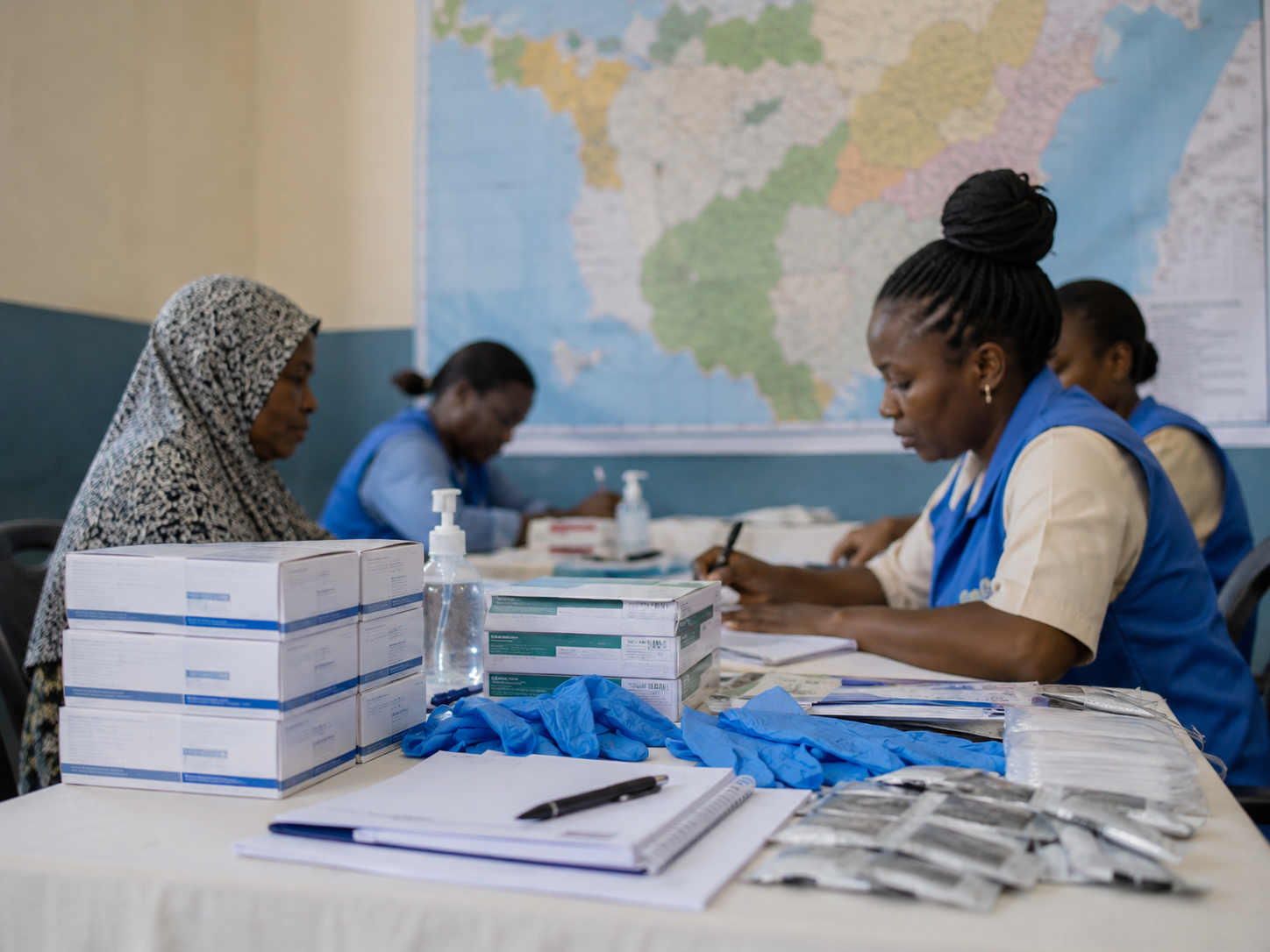
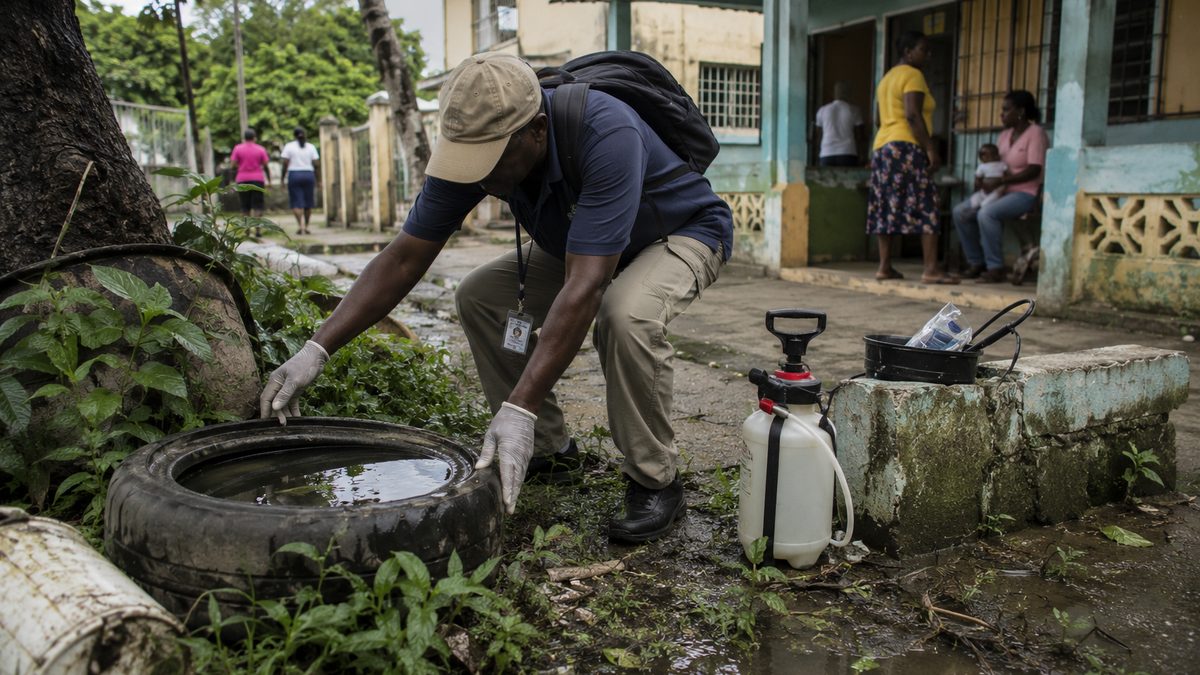
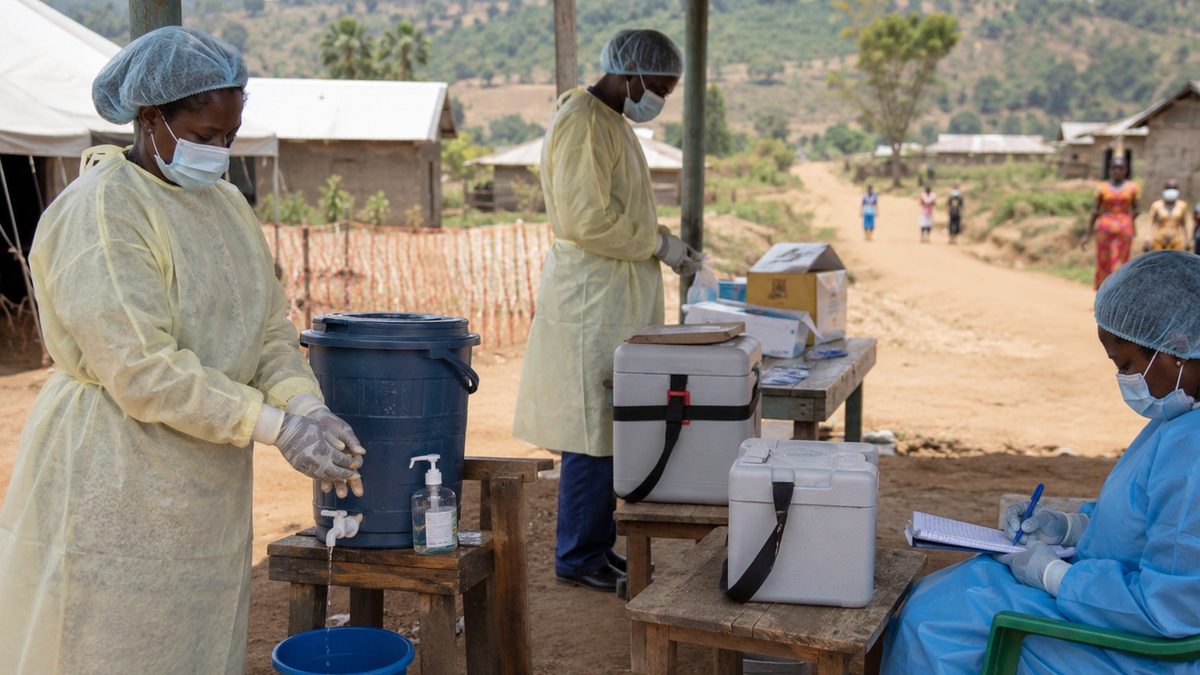
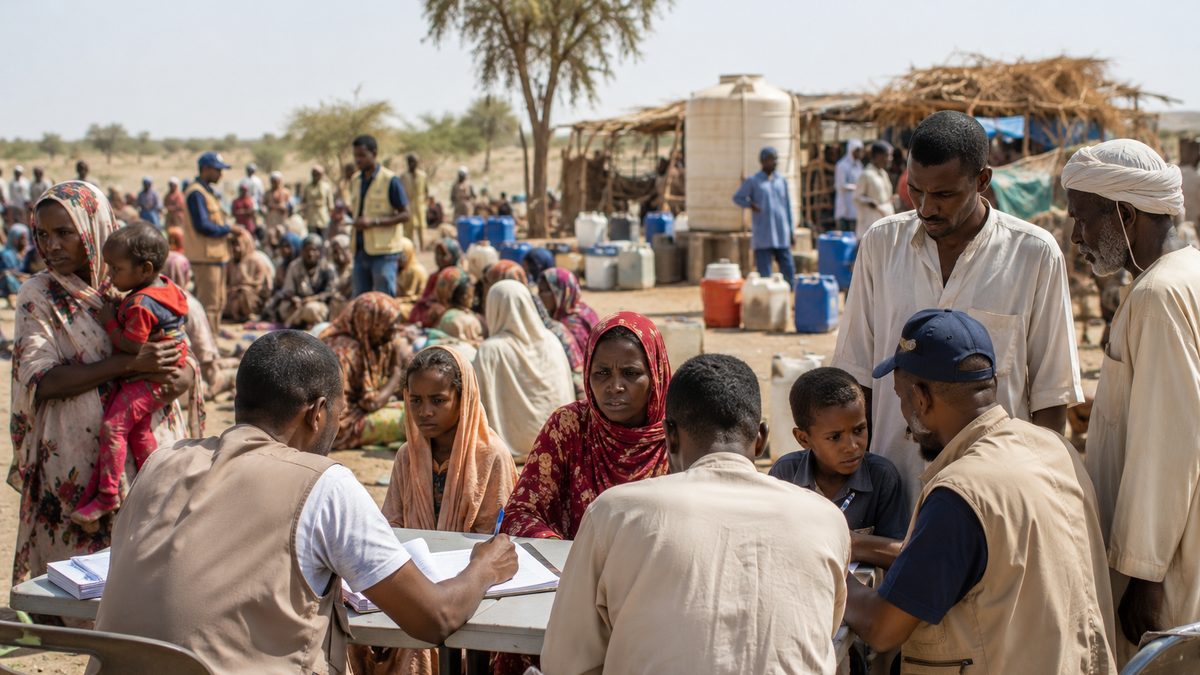
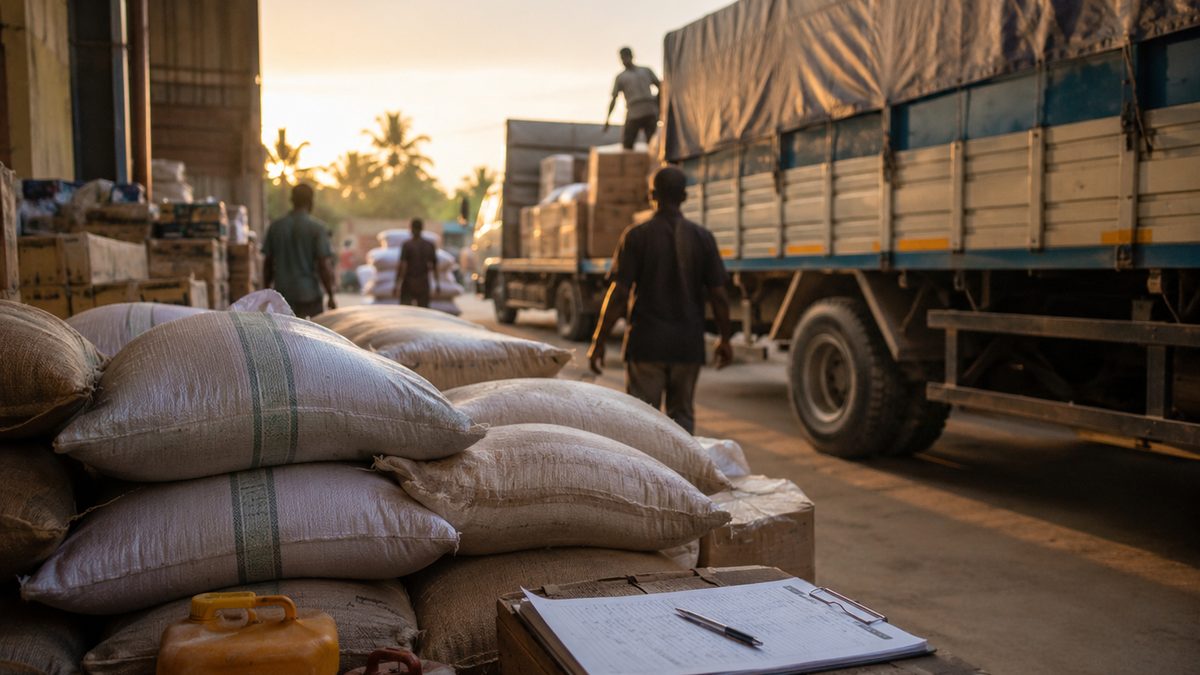
Outbreak response depends on early warnings, local trust and health workers who can move faster than the disease. Editorial illustration by TheDailyGlobe.
Key Facts
- WHO said an Ebola outbreak was confirmed in the Democratic Republic of the Congo and Uganda in May 2026.
- WHO said the outbreak involves the Bundibugyo species of Ebola, for which there is no approved vaccine or specific treatment, though candidate work is ongoing.
- WHO said it is supporting surveillance, contact tracing, clinical preparedness, supplies, community engagement and cross-border preparedness.
- WHO's May 29 disease update reported 134 confirmed cases across DRC and Uganda, including nine in Uganda, and 18 deaths among confirmed cases as of May 29.
- WHO said the outbreak is occurring in a difficult setting marked by humanitarian strain, insecurity and high population and trade movement.
Outbreaks are hardest to control when disease moves faster than health workers can find cases, trace contacts and earn public trust. That is the practical challenge now facing parts of Central Africa.
The World Health Organization says an Ebola outbreak caused by the Bundibugyo virus was confirmed in the Democratic Republic of the Congo and Uganda in May 2026. WHO has described the response as a public-health emergency that depends on surveillance, contact tracing, clinical readiness, supplies, community engagement and cross-border coordination.
For readers outside the region, the story is not a reason for panic. It is a reminder of why outbreak response abroad matters: early containment, reliable information and prepared border health systems can determine whether a dangerous disease stays limited or becomes harder to control.
What WHO Confirmed
WHO's public updates describe an outbreak of Ebola disease caused by Bundibugyo virus in the Democratic Republic of the Congo and Uganda. The outbreak was declared in May after laboratory confirmation in DRC and confirmation of cases connected to Uganda.
WHO said the event originated in a high-traffic mining area in DRC, with patients later seeking care in other locations. The agency has also described cross-border spread to Uganda, which makes the response more complicated than a single-country outbreak.
In its May 29 disease update, WHO reported 134 confirmed cases across the two countries, including nine in Uganda, and 18 deaths among confirmed cases. WHO also reported a larger number of suspected cases in DRC, while noting that epidemiological and laboratory investigations were ongoing.
Why Bundibugyo Ebola Is Different
Ebola is not one single virus. The Bundibugyo species is especially important here because WHO says there is no approved vaccine or specific treatment for it, even though work continues on possible candidates.
That does not mean health workers have no tools. Outbreak control still depends on basics that matter in every serious infectious-disease response: finding cases quickly, isolating and caring for patients, tracing contacts, protecting health workers, moving supplies and communicating clearly with communities.
Those steps sound straightforward on paper. They become much harder in places affected by insecurity, humanitarian pressure, population movement and limited health-care access.
Why Cross-Border Readiness Matters
WHO has said it is supporting the governments of DRC and Uganda with surveillance, contact tracing, clinical preparedness and cross-border preparedness. That matters because people do not move according to outbreak maps. Families travel for work, trade, care and safety.
Border readiness is not only about checkpoints. It includes alert systems, local clinics that recognize symptoms, health workers with protective equipment, laboratory capacity and communities that trust the people asking them to report illness or avoid unsafe contact.
For U.S. readers, the direct risk should not be overstated. The useful takeaway is broader: global health systems are connected, and a well-run response abroad helps travel systems, humanitarian agencies and public-health officials make decisions based on evidence instead of fear.
What Remains Unclear
The latest case and death totals may change quickly as investigations continue. WHO's May 29 update gave the most specific public figures reviewed for this article, but suspected cases still require investigation and classification.
It is also unclear whether candidate vaccines or treatments will be deployed and, if so, how widely. WHO has said candidate work is ongoing, but that is not the same as an approved vaccine or a confirmed rollout.
The spread trajectory is another open question. The outbreak has already involved more than one country, but the available WHO reporting does not support broad claims about global risk beyond the need for coordinated monitoring and containment.
What to Watch Next
The next updates to watch are WHO situation reports, confirmed case counts, border surveillance measures, supply deployments and any public decision on candidate medical countermeasures.
The measure of success will be practical: whether health officials can find cases early, protect health workers, keep communities informed and prevent the outbreak from spreading faster than the response.
Reporting note: Reporting draws on World Health Organization emergency updates, Director-General remarks, outbreak monitoring materials, public-health context, and reviewed background materials. This article was produced with AI-assisted research and reviewed by an editor before publication.