Sahel Hunger Forecast Shows Why West Africa's Crisis Is Not Just Local
As the lean season begins, UN agency projections show how food insecurity and displacement in West Africa and the Sahel could deepen without timely aid.
Save Article
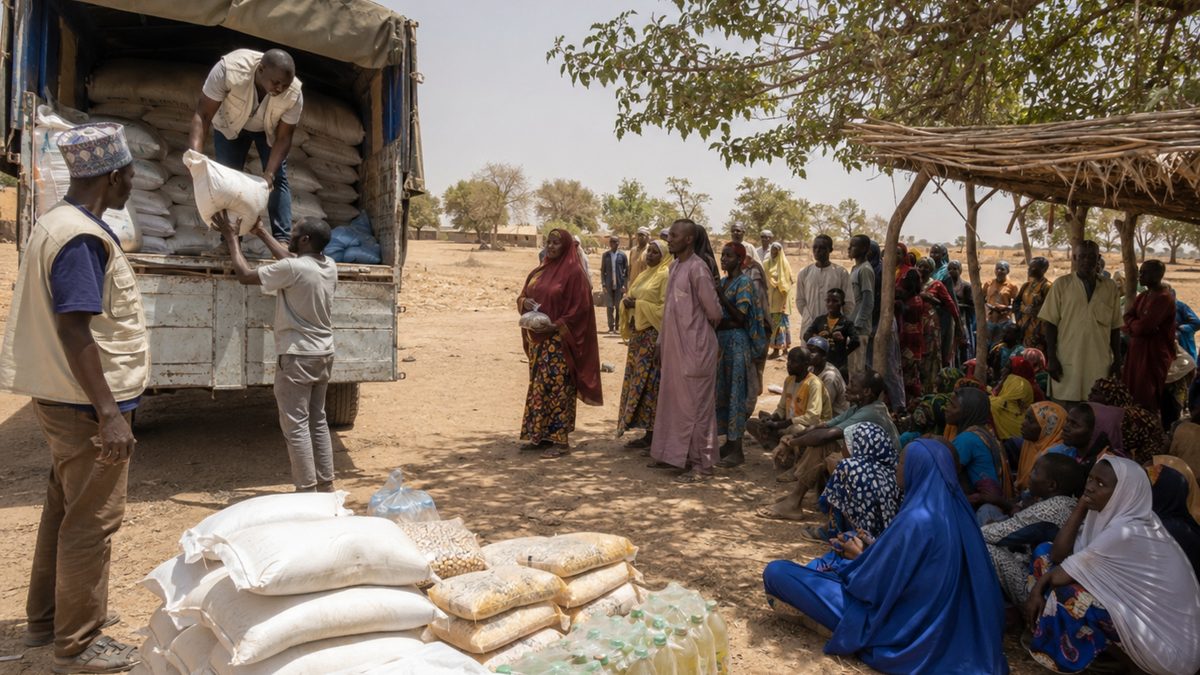
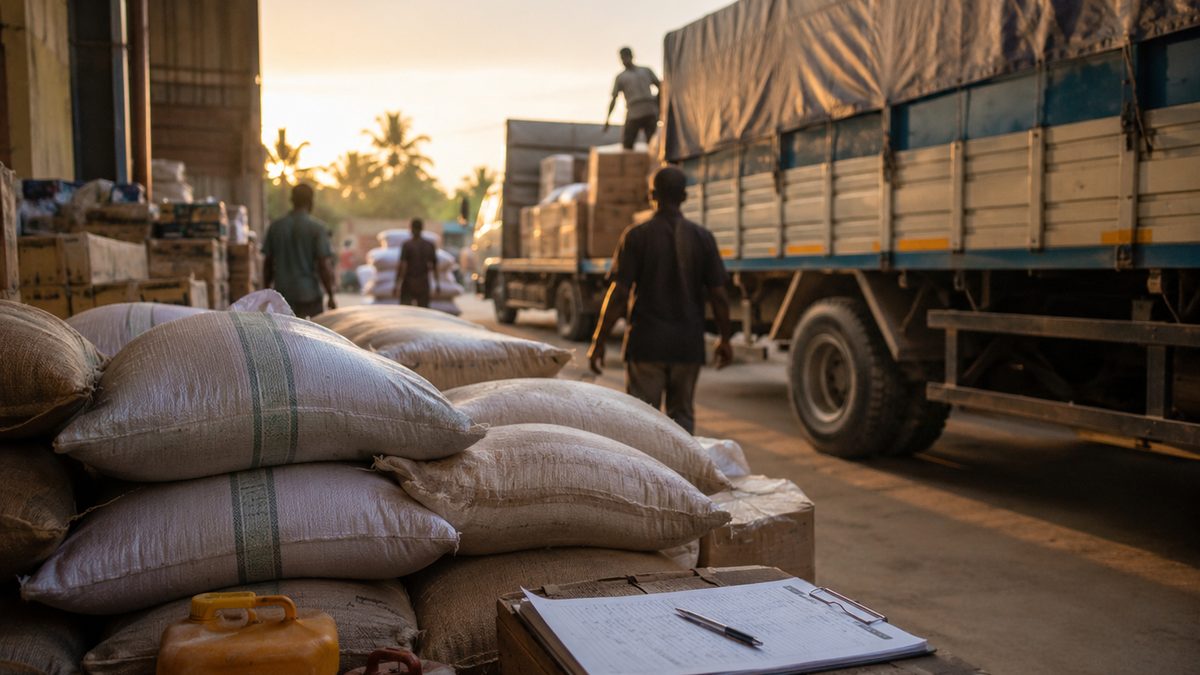
The lean season can turn food shortages into a wider humanitarian emergency before harvests arrive. Editorial illustration by TheDailyGlobe.
Key Facts
- FAO reported that 41.8 million people were facing acute food insecurity in West Africa and the Sahel.
- FAO said the number could rise to nearly 52.8 million during the June-August 2026 lean season without urgent action.
- UNHCR said the Sahel Plus region is expected to host 5.6 million forcibly displaced and stateless people by the end of 2026.
- The 52.8 million food-insecurity figure is a projection, not a final count.
- Aid access, funding levels and conflict conditions remain key unknowns during the lean season.
For many families in West Africa and the Sahel, the hardest months come before the next harvest. Food stores run low, prices can rise, and households already strained by conflict or displacement have fewer ways to absorb another shock.
That is why the June-to-August lean season matters. The Food and Agriculture Organization of the United Nations reported earlier this year that 41.8 million people were facing acute food insecurity in West Africa and the Sahel. Without urgent action, FAO said that number could rise to nearly 52.8 million during the 2026 lean season.
The figure is a projection, not a final count. But it gives readers a clear warning about timing: the danger is not only that hunger exists now, but that conditions can worsen during the months when food is hardest to stretch.
What the Lean Season Means
The lean season is the period between harvests when food supplies are often at their lowest. For households with stable income, the phrase may sound technical. For families living close to the edge, it can mean fewer meals, selling belongings, pulling children from school, moving in search of work or relying more heavily on aid.
In West Africa and the Sahel, that pressure is layered on top of conflict, displacement, climate stress and fragile local economies. A household that has already left home because of insecurity may not have land to farm, savings to spend or family networks nearby. A village that is already hosting displaced families may have to stretch food, water and services further.
That is why the FAO projection should be read as an early-warning signal. It does not say exactly how many people will face acute food insecurity by August. It says the number could rise sharply if conditions do not improve and aid does not reach people in time.
How Hunger and Displacement Connect
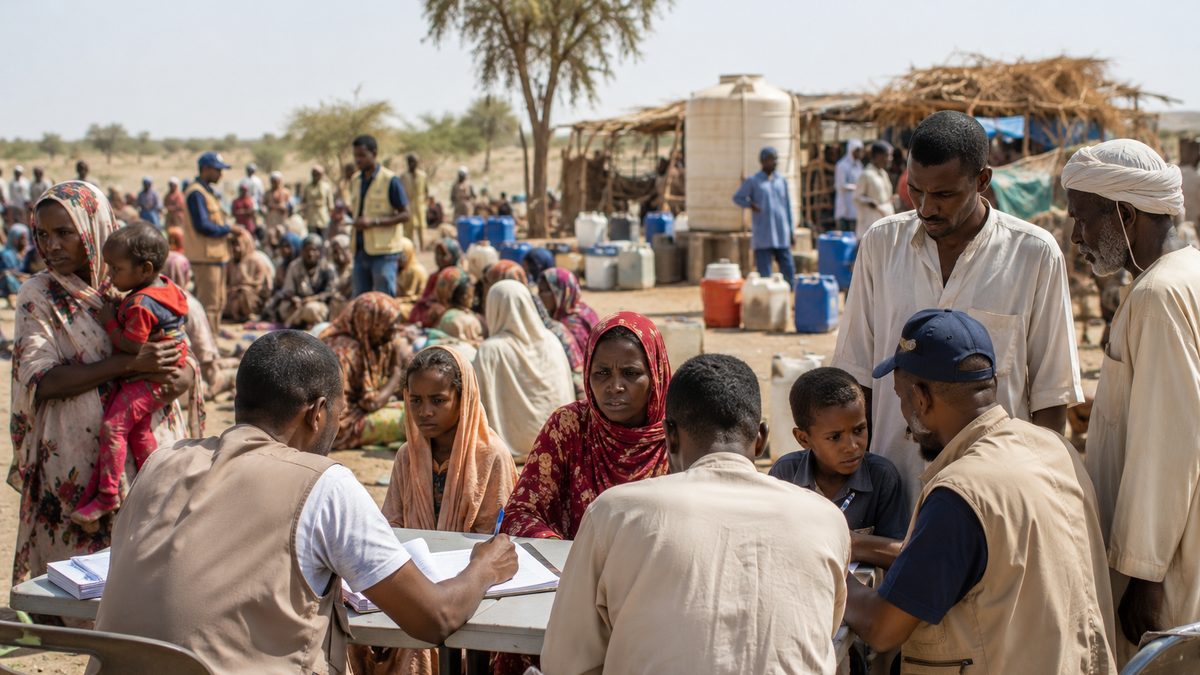
Food insecurity and displacement often reinforce each other. When fighting or insecurity forces families to flee, people may lose farms, livestock, jobs and access to markets. When food becomes harder to find or afford, families may move again, adding pressure to towns, camps and border areas already under strain.
UNHCR says the Sahel Plus region, including Mauritania and coastal states, is expected to host 5.6 million forcibly displaced and stateless people by the end of 2026. That forecast gives the food-security numbers a wider human context. The crisis is not only about crops or prices. It is also about people who may not be able to safely return home or rebuild normal routines.
The affected region includes places where conflict, political instability and climate pressure have already weakened public services. In that setting, hunger can become more than a household emergency. It can strain schools, clinics, local governments, aid agencies and neighboring communities.
Why It Matters Beyond One Country
This is not a crisis contained neatly inside one border. Food shortages, displacement and insecurity can move across the region, especially when people seek safety or work in neighboring countries. That makes the Sahel and West Africa important for humanitarian aid planning, migration pressure and regional stability.
For U.S. readers, the connection is mostly indirect, but it is still worth understanding. The United States and other donor countries often help fund humanitarian response. When needs rise faster than aid, relief agencies have to make harder choices about who receives food, shelter, health care or protection support.
The story also matters because undercovered crises can become harder and more expensive to address when the response comes late. The lean season offers a clearer calendar: these are the months when the risk is expected to grow, and when aid access can matter most.
What Remains Unclear
Several important questions remain unresolved. It is unclear whether additional aid will arrive in time, how insecurity will affect access to communities in need, and whether food conditions will worsen through the lean season.
Funding is only one part of the problem. Aid groups also need safe routes, reliable local partners and enough time to move food and supplies before conditions deteriorate further. Conflict can block roads, shut markets and make it dangerous for workers to reach the people most at risk.
What to Watch Next
The next updates to watch will come from FAO, the World Food Programme, UNHCR, OCHA and regional governments as the lean season continues. The most important signals will be whether projected needs rise or fall, whether aid agencies report funding gaps, and whether insecurity limits access.
The clearest point for now is that the warning is already on the calendar. If the June-August lean season unfolds as projected, millions more people in West Africa and the Sahel could face acute food insecurity before the next harvest brings relief.
Reporting note: Reporting draws on Food and Agriculture Organization projections, UNHCR emergency data, United Nations humanitarian context, and reviewed background materials. This article was produced with AI-assisted research and reviewed by an editor before publication.