Dengue Is Down in the Americas, but PAHO Says the Watch Cannot Ease
Reported dengue cases across the Americas are sharply lower than a year ago, but public-health officials say mosquito control, surveillance, and preparedness remain essential.
Save Article
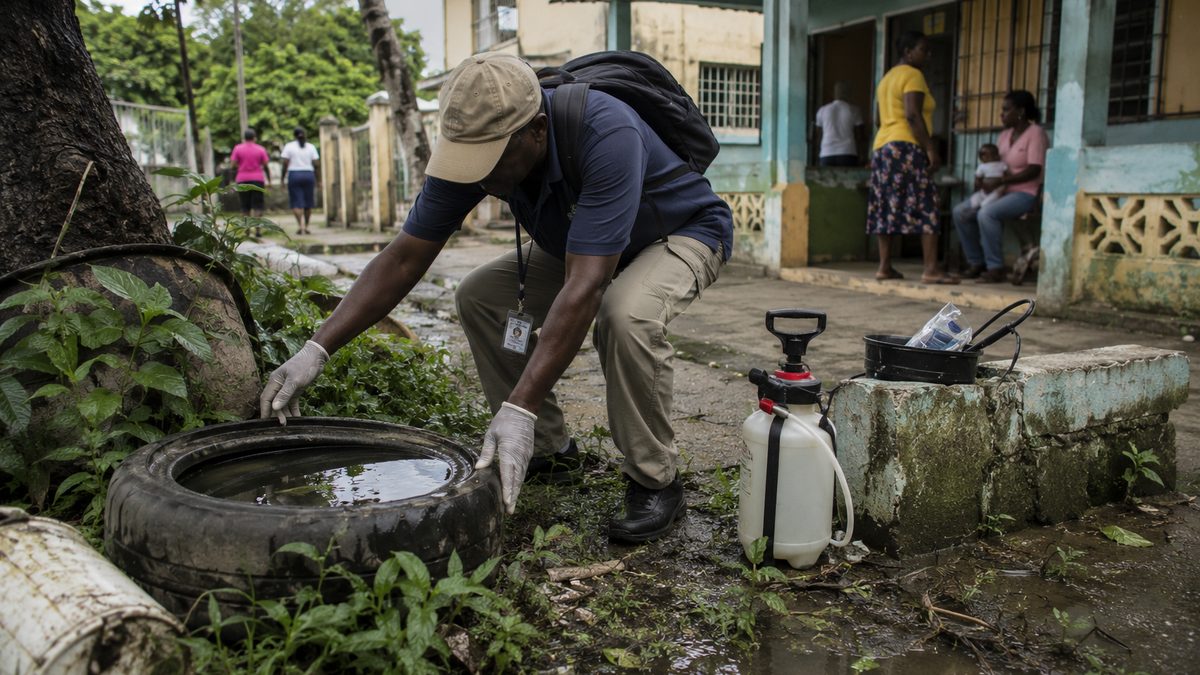
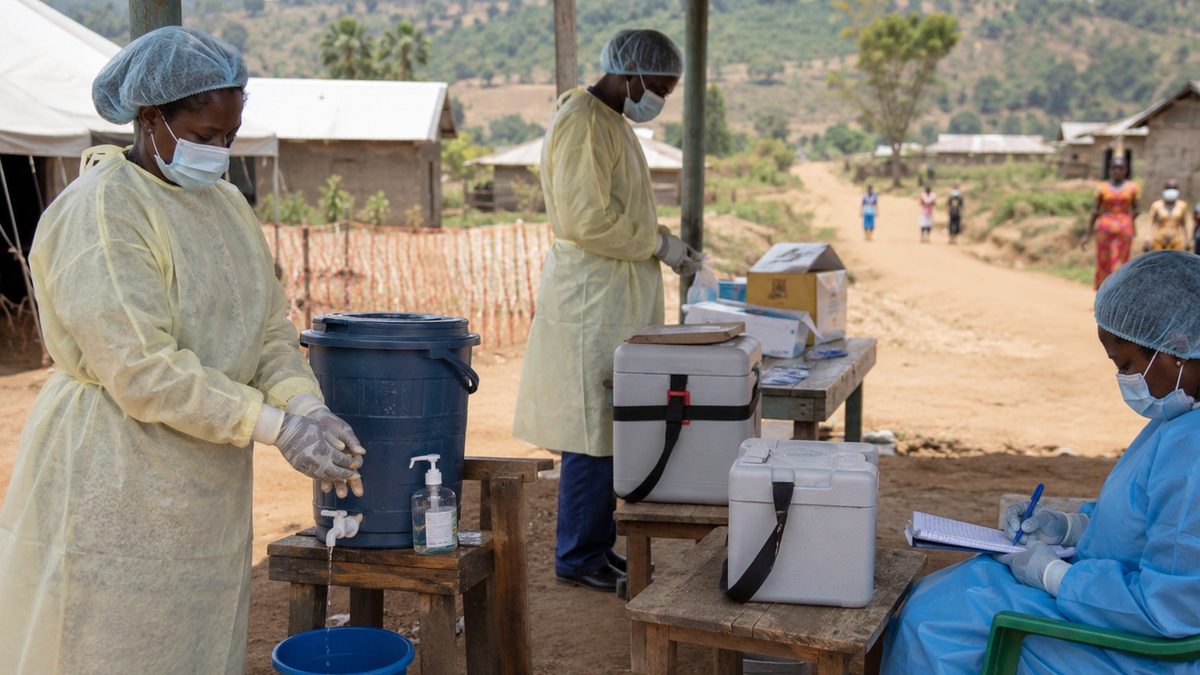
PAHO says dengue reports are lower than last year, but surveillance and mosquito prevention remain important. Editorial illustration by TheDailyGlobe.
Key Facts
- PAHO reported 1,105,019 suspected dengue cases in the Americas through epidemiological week 20 of 2026.
- The organization said the total was 64 percent lower than the same period in 2025.
- PAHO also reported the 2026 figure was 70 percent below the five-year average.
- The Americas recently experienced the largest dengue epidemic recorded since regional tracking began in 1980.
- PAHO continues to recommend strengthened surveillance, prevention efforts, and health-system preparedness.
A drop in disease cases is usually good news. The challenge for public-health officials is that success can sometimes make people think a threat has disappeared when it has only become less visible.
That is the message emerging from the latest dengue update from the Pan American Health Organization, or PAHO. Reported dengue activity across the Americas is running well below last year's levels, but health authorities continue to urge countries to maintain mosquito-control efforts, disease surveillance, and hospital preparedness.
What The New Numbers Show
According to PAHO's latest regional update, more than 1.1 million suspected dengue cases had been reported in the Americas during 2026 through epidemiological week 20. While that remains a substantial number, the organization said it represents a sharp decline compared with both last year and longer-term averages.
The comparison matters because 2025 followed an extraordinary period for dengue activity. PAHO has previously described the region as having experienced its largest dengue epidemic since recordkeeping began in 1980. Against that backdrop, the current year's lower totals provide a measure of relief for health systems that were under heavy pressure during previous outbreaks.
Still, the figures should be understood carefully. PAHO's count reflects reported suspected cases, not final confirmed infections. Disease surveillance systems often evolve as additional reports are received, reviewed, and classified.
Why Health Officials Are Not Relaxing
If cases are down, why are public-health agencies still emphasizing prevention? One reason is that mosquito-borne diseases do not disappear simply because regional numbers improve.
Dengue transmission can vary widely between countries, cities, and seasons. A region-wide decline may occur even while individual communities experience local outbreaks. Health officials therefore tend to focus not only on current case counts but also on whether surveillance systems remain capable of detecting new increases quickly.
PAHO has continued to recommend strengthened surveillance, prevention efforts, and preparedness across healthcare systems. Those recommendations reflect a public-health approach that aims to prevent a resurgence rather than react after one has already begun.
Why U.S. Readers Should Care
For many Americans, dengue may seem like a distant tropical disease. Yet public-health agencies increasingly view mosquito-borne illnesses through a regional lens because travel, weather conditions, and mosquito populations do not respect national borders.
The practical lesson is not that a major outbreak is imminent in the United States. The available data does not support that conclusion. Instead, the story illustrates why health departments continue investing in surveillance and mosquito-control programs even when disease activity appears to be improving.
The same logic applies throughout the Americas. Lower numbers can reduce immediate pressure on hospitals while still requiring continued monitoring and prevention work.
What The Data Cannot Tell Us Yet
Several uncertainties remain. It is not yet clear whether the current decline will continue through rainy seasons in countries that face elevated mosquito activity later in the year. Weather patterns, local conditions, and public-health responses can all influence transmission trends.
There are also limits to any regional dataset. Country-level reporting delays and differences in surveillance systems can affect comparisons. A favorable regional trend does not necessarily mean every country is experiencing the same pattern.
For that reason, health officials generally avoid declaring victory based solely on a single point in the calendar year.
What To Watch Next
Future PAHO updates will help determine whether the downward trend continues as seasonal conditions change across different parts of the Americas. Country-level reports may also provide a clearer picture of where risks remain elevated and where prevention efforts are proving most effective.
For now, the central takeaway is straightforward. Dengue activity in the Americas appears substantially lower than it was a year ago, but public-health agencies are treating that improvement as a reason to continue prevention efforts rather than a signal that the disease is no longer a concern.
Reporting note: Reporting draws on Pan American Health Organization surveillance updates, public-health guidance, epidemiological reports, and reviewed background materials. This article was produced with AI-assisted research and reviewed by an editor before publication.