Child Labor Is Still a Family Poverty Problem, Not Just a School Problem
New ILO and UNICEF estimates show child labor has fallen since 2020, but 138 million children were still affected in 2024, including millions in hazardous work.
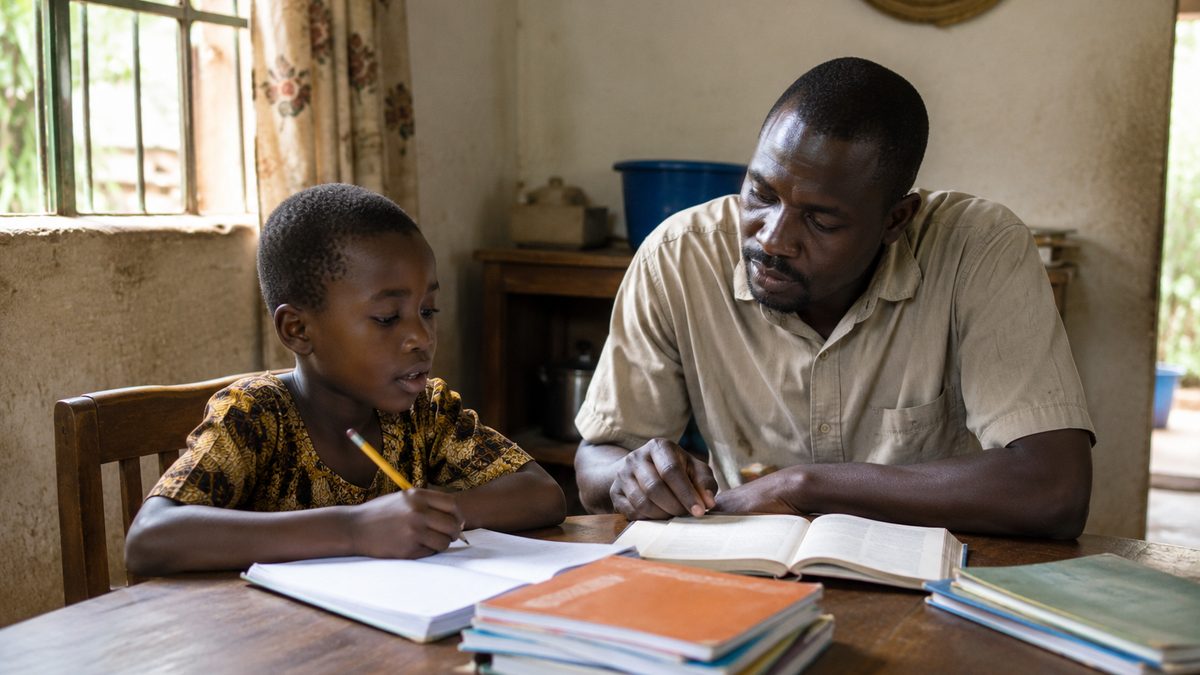
ILO and UNICEF say child labor remains tied to poverty, school access, hazardous work and family survival pressure. Editorial illustration by TheDailyGlobe.
Key Facts
- ILO and UNICEF reported that nearly 138 million children were engaged in child labor in 2024.
- About 54 million children were in hazardous work likely to jeopardize health, safety or development.
- The latest estimates showed a reduction of more than 20 million children in child labor since 2020.
- ILO and UNICEF said the world failed to meet the target of eliminating child labor by 2025.
- UNICEF regional materials say Eastern and Southern Africa has an estimated 41 million children engaged in child labor.
Child labor is often described as a school problem: a child is working when they should be learning. But for many families, the harder truth begins before the classroom. It begins with poverty, unstable adult work, unsafe conditions, weak protection systems and the daily pressure to survive.
New ILO and UNICEF estimates show both progress and a stubborn global problem. The agencies reported that nearly 138 million children were engaged in child labor in 2024, including about 54 million children in hazardous work likely to jeopardize their health, safety or development.
The total is lower than in 2020, but the world still missed the target of eliminating child labor by 2025. The practical lesson is not that families are failing. It is that school access, adult income, social protection, enforcement and basic safety all shape whether children can stay out of harmful work.
The Progress Is Real, but Not Enough
ILO and UNICEF said the latest estimates show a reduction of more than 20 million children in child labor since 2020. UNICEF also said the new report shows an almost 50% reduction in child labor since the start of the century.
That progress matters. It means policy, schooling, enforcement and social support can make a difference. But the remaining number is still enormous. Nearly 138 million children in child labor means millions of childhoods are still shaped by work that is too early, too long, too dangerous or too disruptive.
UNICEF says children are counted as child laborers when they are too young, work too many hours or perform hazardous work. That distinction matters because not all child work is the same. A child helping briefly in a family setting is not automatically counted the same way as a child doing hazardous work or missing school because work has taken over.
Why Poverty Sits at the Center
The clearest way to understand child labor is through family pressure. When adults cannot find decent work, when food prices rise, when school costs are hard to cover or when a crisis takes away income, children may be pulled into work because the household has few other options.
That does not excuse hazardous work. It explains why simple blame misses the point. Families living with poverty, conflict, climate shocks or weak social protection may face choices that wealthier households never have to make.
UNICEF regional materials connect child labor risk to family poverty, school participation and protection gaps. In Eastern and Southern Africa, UNICEF estimates that 41 million children are engaged in child labor. That regional figure should not be used to flatten Africa into one condition, but it does show the scale of the challenge in places where poverty and weak systems can overlap.
School Alone Cannot Carry the Whole Answer
Keeping children in school is central to reducing child labor, but school access alone is not enough if a family cannot afford fees, uniforms, transport or lost income. A child may be enrolled and still miss class because work is needed at home, in a field, in a business or in informal settings.
The ILO and UNICEF global estimates report describes patterns and trends in child labor, the evolving profile of children affected, where child labor is concentrated and how it affects schooling. That link matters because work can interrupt learning, limit future income and keep poverty moving from one generation to the next.
The policy response has to reach beyond the classroom. School access matters. So do decent jobs for adults, cash or social protection programs, enforcement against hazardous work and protection systems that can identify children at risk before work becomes dangerous or permanent.
Hazardous Work Is the Sharpest Warning
The most urgent part of the estimates is the 54 million children in hazardous work. ILO and UNICEF describe this as work likely to jeopardize health, safety or development.
The article should not need graphic detail to make that serious. Hazardous child labor is dangerous because children are still growing, still learning and still dependent on adults and systems to protect them. Work that exposes a child to injury, exhaustion, toxic conditions or long-term harm can change the course of a life.
The agencies' findings also point to the limits of enforcement when work is informal, hidden or tied to household survival. Rules against child labor matter, but they are harder to enforce when poverty pushes work into homes, fields, streets or informal businesses.
What Remains Unclear
Several questions remain open. It is unclear which countries will reduce child labor fastest, and whether school access, social protection and adult income support will be strong enough to keep children out of hazardous work.
It is also unclear how climate shocks, conflict and aid cuts may affect future progress. A drought, displacement, local violence or a sharp loss of income can quickly push more children toward work, especially where safety nets are weak.
The next signs to watch are practical ones: whether more children stay in school, whether families have enough income to avoid relying on child labor, whether hazardous work declines, and whether protection systems can reach informal settings where the most vulnerable children may be hardest to see.
Reporting note: Reporting draws on ILO and UNICEF global child labor estimates, UNICEF child protection data, regional UNICEF materials, and reviewed international development context. This article was produced with AI-assisted research and reviewed by an editor before publication.