Global Nutrition Report Links Food and Health Systems to Climate Resilience
New global reports argue that nutrition can no longer be treated as a food issue alone, linking healthy diets to agriculture, health care, climate resilience, and government planning.
Save Article
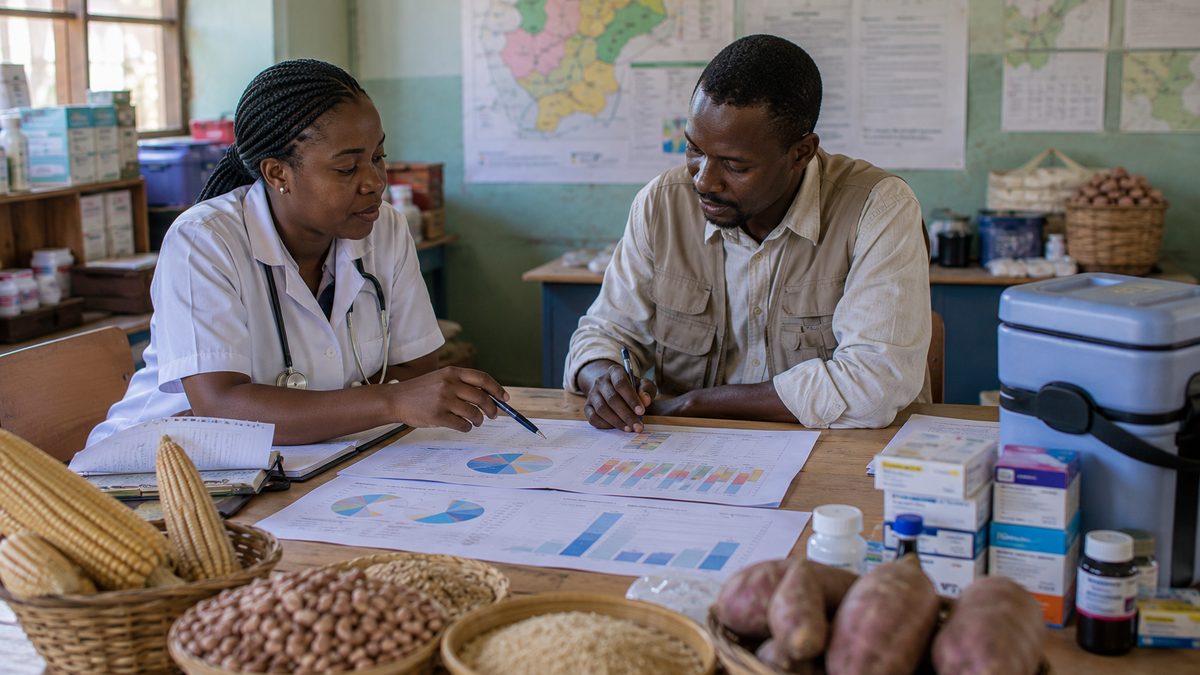
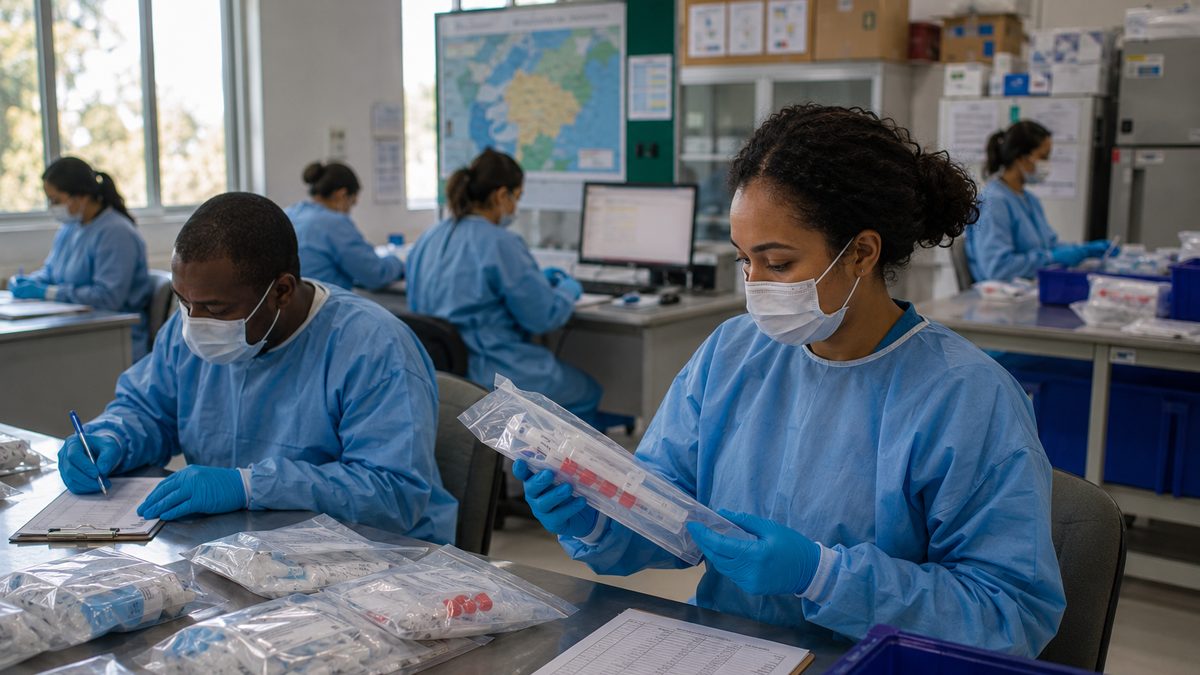
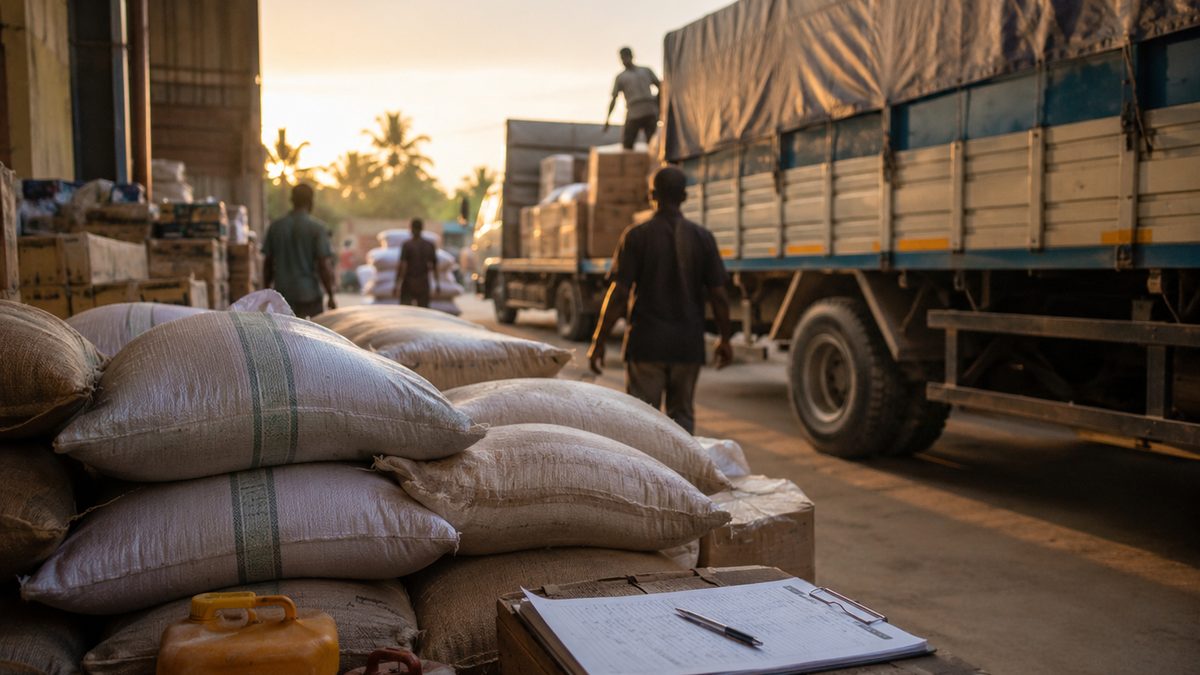
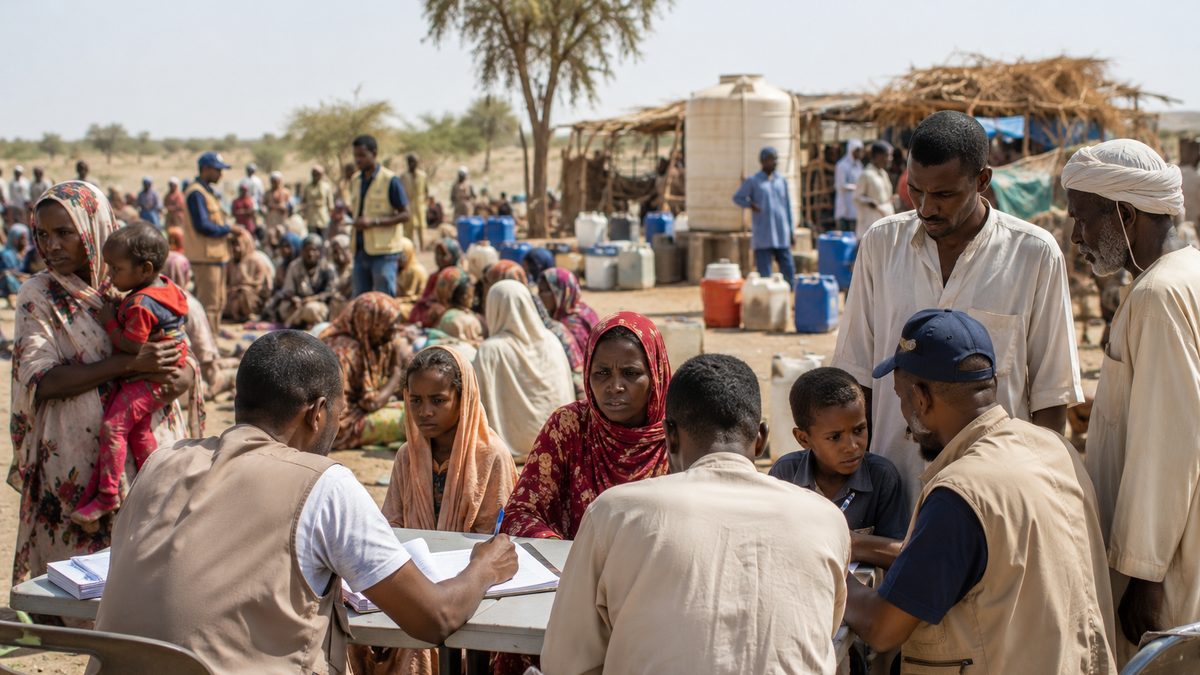
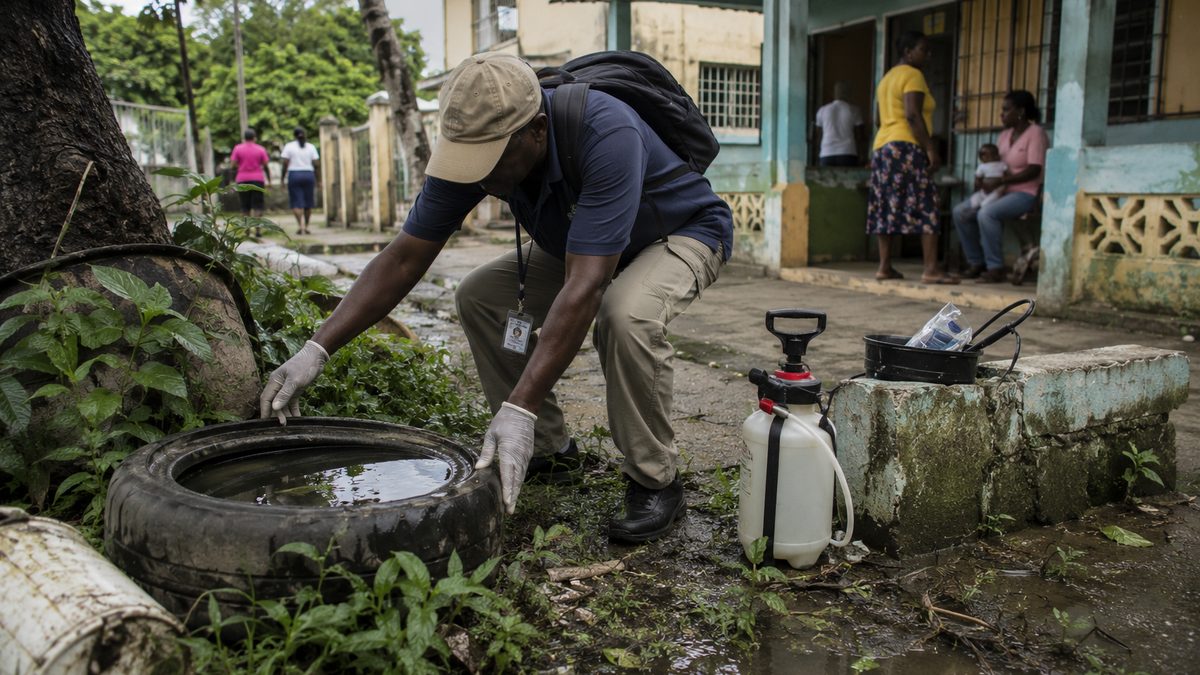
The 2026 Global Nutrition Report links nutrition planning to food systems, health systems and climate resilience. Editorial illustration by TheDailyGlobe.
Key Facts
- The 2026 Global Nutrition Report focuses on integrating food and health systems to improve climate-resilient nutrition.
- The 2026 Global Report on Food Crises says acute food insecurity and malnutrition remain deeply entrenched in many crisis-affected countries.
- Both reports describe nutrition as being closely connected to food production, health services, and government planning.
- The reports emphasize resilience to climate-related disruptions affecting food systems.
- Neither report guarantees that governments will adopt the recommended approaches.
When people hear the word nutrition, they often think about food choices at home: what is on the dinner table, what children eat at school, or whether families can afford healthy groceries. But nutrition experts increasingly argue that those outcomes are shaped by much larger systems.
A family may know what foods are healthiest, but that knowledge alone does not help if crops fail because of drought, if local clinics are unable to provide basic health services, or if food prices rise beyond what households can afford. Nutrition, in other words, depends on more than food.
That broader view is at the center of the 2026 Global Nutrition Report, which argues that nutrition planning should connect food systems, health systems, and climate resilience rather than treating each issue separately.
Why Nutrition Is Becoming a Systems Issue
For years, nutrition discussions often focused on specific interventions such as food assistance programs, dietary education, or targeted health initiatives. Those efforts remain important, but researchers and international organizations increasingly view them as only part of the solution.
The Global Nutrition Report argues that nutrition outcomes are influenced by a chain of interconnected factors. Farmers need reliable growing conditions. Transportation systems need to move food efficiently. Clinics need resources to support maternal and child health. Governments need data that helps identify where problems are developing before they become severe.
A breakdown in any part of that chain can affect nutrition outcomes, even if food is available somewhere else in the system.
The Climate Connection
Climate risks play a major role in the report's framework. Extreme weather, prolonged droughts, floods, and shifting growing conditions can disrupt food production and make nutrition challenges more difficult to manage.
The report does not argue that climate change is the only factor affecting nutrition. Instead, it presents climate resilience as one part of a larger strategy that includes agriculture, health care, infrastructure, and public planning.
For communities already dealing with food insecurity, climate-related disruptions can create additional pressure on systems that may already be struggling to meet demand.
What the Food Crises Report Adds
The Global Report on Food Crises provides a different but related perspective. According to the report, acute food insecurity and malnutrition remain deeply entrenched in many countries facing conflict, economic instability, weather-related disasters, or multiple overlapping challenges.
That finding helps explain why nutrition experts are focusing on systems rather than individual programs alone. Delivering food during a crisis may address an immediate need, but long-term nutrition outcomes often depend on whether communities can build stronger agricultural, health, and public-service networks.
The two reports examine different aspects of the issue, but together they point toward the same conclusion: nutrition is difficult to improve when broader systems remain fragile.
Why U.S. Readers Should Care
For many Americans, global nutrition reports may seem distant from everyday life. Yet the underlying questions are familiar. Communities everywhere depend on reliable food supplies, functioning health systems, and infrastructure that can withstand disruptions.
The reports also reflect a growing trend in public policy and development planning. Rather than addressing problems one at a time, governments and organizations are increasingly looking at how different systems interact with one another.
That approach does not guarantee success, but it represents a shift in how nutrition challenges are being understood and discussed.
What Remains Unclear
The reports identify a framework, not a completed transformation. It remains unclear how many governments will adopt integrated food-health-climate planning or how quickly those changes might occur.
Funding is another major question. Building stronger food systems, improving health infrastructure, collecting better data, and increasing climate resilience often require long-term investment that may not always be available.
The reports also do not establish which countries are most likely to implement the recommended approaches first. Outcomes may vary widely depending on resources, governance capacity, and local conditions.
What Readers Should Watch Next
The next signs of progress will likely come from national nutrition plans, food-security assessments, climate-adaptation programs, and investments in public-health systems.
Future updates from organizations tracking food insecurity and nutrition may also help show whether governments are moving toward the integrated approach outlined in the reports or continuing to address these issues through separate programs.
For now, the central message is straightforward. Nutrition is no longer being discussed primarily as a question of food supply. Increasingly, experts view it as the result of how farms, clinics, infrastructure, climate resilience, and public institutions work together. Whether that broader approach leads to better outcomes remains an open question, but it is clearly shaping how many organizations think about nutrition today.
Reporting note: Reporting draws on the 2026 Global Nutrition Report, Food and Agriculture Organization materials, global food-security reporting, and reviewed background materials. This article was produced with AI-assisted research and reviewed by an editor before publication.