Nigeria School Kidnappings Show A Security Crisis Moving Into New Communities
Recent school abductions in Nigeria show how kidnapping risk can turn classrooms into security questions for families, teachers and local communities.
Save Article
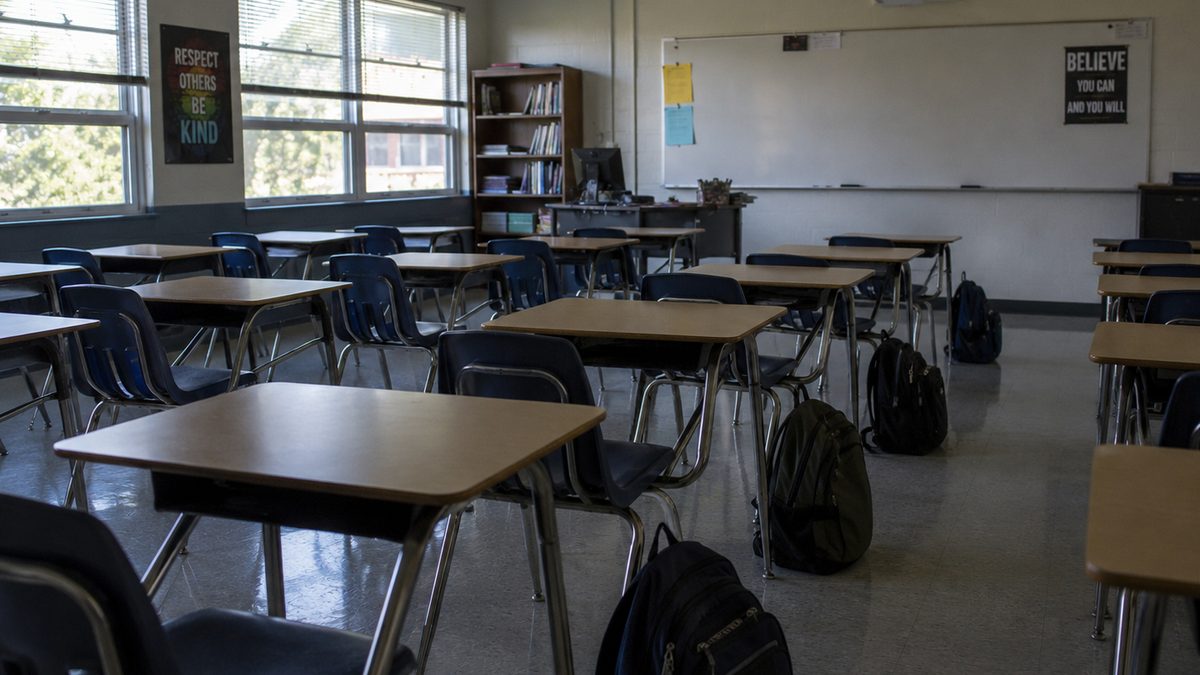
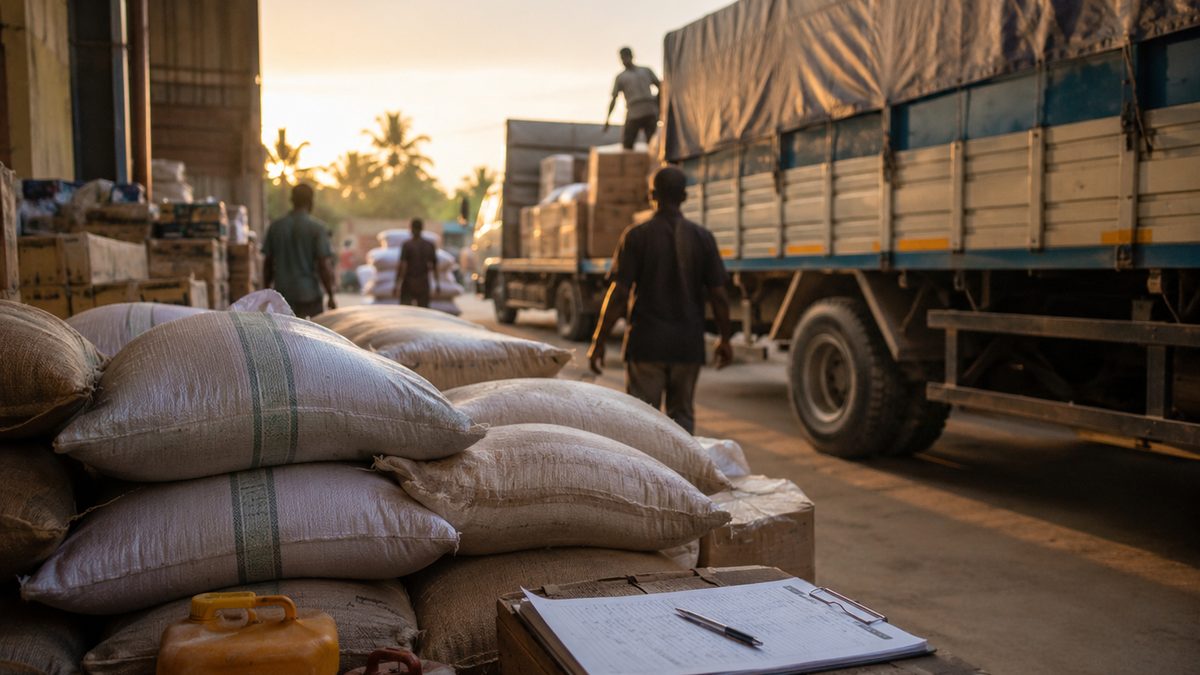
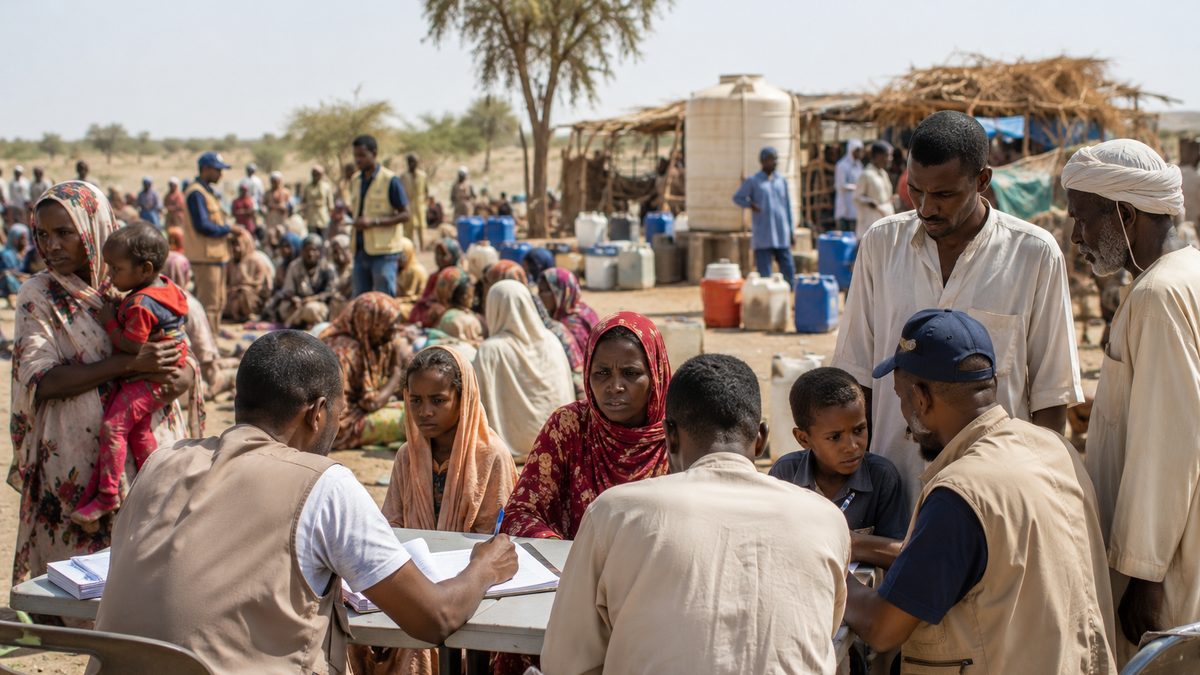
School security crises leave families weighing education against safety. Editorial illustration by TheDailyGlobe.
Key Facts
- Recent reporting describes school abductions in southwest Nigeria involving students and teachers.
- Al Jazeera reported May attacks in which gunmen abducted 39 students and 7 teachers.
- The Guardian reported on June 5 that Chibok-style school abductions are spreading in Nigeria.
- The Institute for Security Studies has described kidnapping for ransom as a destabilizing threat in Nigeria.
For parents, the fear is simple and terrible: a school day should end with children coming home. In parts of Nigeria, recent abductions have made that expectation feel less certain for families, teachers and communities already living with pressure from violence and insecurity.
Recent reporting has described school abductions in southwest Nigeria involving students and teachers, adding to concern that kidnapping risk is reaching communities beyond the northern areas often associated with past school attacks.
The story matters because school kidnappings are not only security incidents. They affect whether families feel safe sending children to class, whether teachers can work without fear, and whether local authorities can protect basic public life.
When School Becomes A Security Question
School abductions carry a particular kind of fear because they strike at a place families expect to be ordinary and protected. A classroom is not supposed to be a front line. When students and teachers are taken, the effects spread beyond those directly involved.
Parents may keep children home. Schools may delay reopening or operate under tighter security. Teachers may face new risks doing work that is supposed to be routine. Even families not directly affected can begin making daily decisions around fear.
That is why recent reports from southwest Nigeria stand out. The concern is not only that attacks happened, but that kidnapping pressure may be appearing in communities outside the usual northern focus of Nigeria's long-running school security crisis.
What Has Been Reported
Al Jazeera reported in May that gunmen abducted 39 students and 7 teachers in attacks on schools in Nigeria. The Guardian later reported on June 5 on school abductions spreading into new communities, describing the fear around attacks on children and educators.
The full chain of responsibility for specific attacks remains unclear in the public reporting reviewed. Claims about who organized an attack, whether a group was involved, or what ransom demands were made should be attributed carefully and not treated as settled unless confirmed by officials or reliable reporting.
That caution matters. In kidnapping cases, early details can be incomplete, families may be under pressure, and officials may release limited information while rescue or negotiation efforts are underway.
Why The Pattern Matters
Nigeria is Africa's most populous country, and insecurity there has consequences beyond any single community. School kidnappings can weaken education, deepen mistrust in government protection, and add pressure to families already making hard choices about safety, work and movement.
The Institute for Security Studies has described kidnapping for ransom as a destabilizing threat in Nigeria. That kind of threat can spread fear even where attacks are not constant, because the risk changes how people behave: which roads they take, whether schools stay open, and how communities view local authorities.
For readers outside Nigeria, the issue is not distant simply because it is overseas. School abductions sit at the intersection of security, education, governance, human rights and migration pressure. They show how a country can face a public safety crisis that reaches deep into family life.
What Remains Unclear
Several central questions remain unresolved. The full responsibility for specific attacks has not been publicly established in every case. The fate of some abducted people may remain uncertain depending on the case and the latest confirmed updates.
Ransom dynamics also require caution. Security analysts have warned about kidnapping for ransom as a broader problem, but exact ransom amounts, negotiations and payment claims should not be stated as fact unless they are clearly attributed to reliable sources.
It is also unclear whether government security measures will be enough to protect schools in affected communities. Families will be watching not only for official statements, but for practical signs that children and teachers can return safely.
What To Watch Next
The next questions are practical. Are abducted students and teachers accounted for? Are schools reopening, closing or changing routines? Are local and national authorities announcing security measures that communities trust?
Confirmed updates on victims matter most. So do school reopening decisions and any official investigation findings that clarify who carried out the attacks and how they were organized.
For now, the clearest point is that school kidnappings are not only attacks on individuals. They are attacks on the confidence families need to keep ordinary life moving: the confidence to send a child to class, to teach, and to believe that a school day can end safely.
Reporting note: Reporting draws on international reporting, regional security analysis, incident reporting, and reviewed background materials. This article was produced with AI-assisted research and reviewed by an editor before publication.