South Sudan and U.N. Set a 60,000-Person Return Goal
South Sudan's government and the United Nations say they will work toward helping at least 60,000 displaced people reach durable solutions by the end of 2026, a goal that depends on security, services, and long-term stability.
Save Article
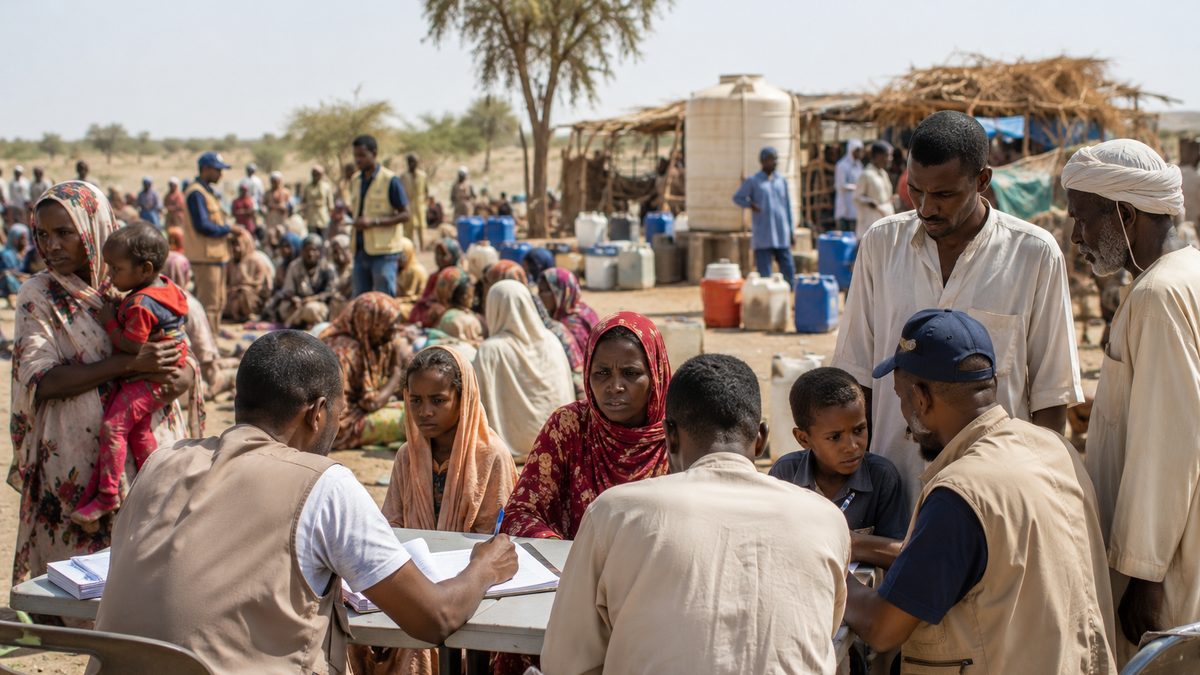
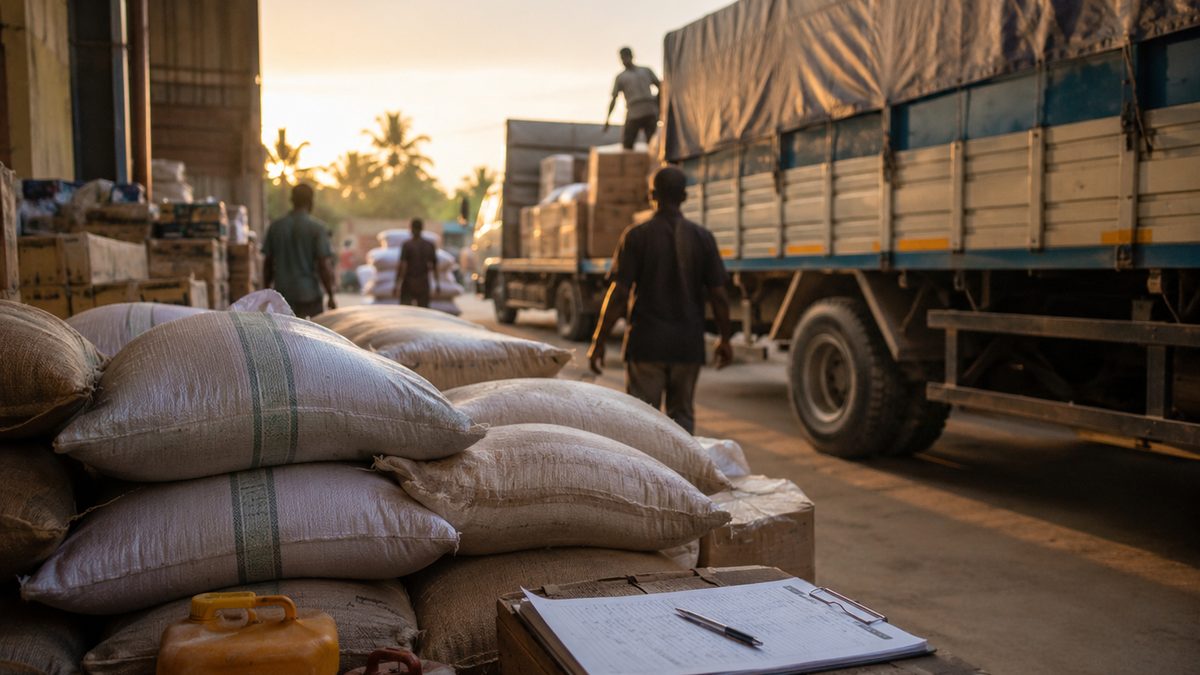
South Sudan and U.N. agencies say they will try to help displaced families move toward more durable solutions by the end of 2026. Editorial illustration by TheDailyGlobe.
Key Facts
- South Sudan and the United Nations reaffirmed a goal of supporting at least 60,000 displaced people toward durable solutions by the end of 2026.
- The commitment was highlighted in a June 16 humanitarian release listed by ReliefWeb.
- OCHA says South Sudan continues to face overlapping pressures from conflict, violence, food insecurity, climate challenges, and public-health concerns.
- IOM data shows large-scale internal and cross-border displacement has continued since South Sudan's crisis began in 2013.
- The 60,000-person figure is a target and not a measure of people who have already achieved permanent solutions.
For families displaced by conflict or disaster, the hardest question is often not where to find temporary shelter. It is whether life can become stable enough to stop living in limbo.
Can children return to school? Is there clean water? Are homes safe? Can people obtain documents, find work, and rebuild a future without relying on emergency aid? Those are the questions behind a new commitment announced this week in South Sudan.
On June 16, South Sudan's government and the United Nations reaffirmed a commitment to support at least 60,000 displaced people in reaching what humanitarian agencies call 'durable solutions' by the end of 2026. The figure represents a target rather than a completed result, but it reflects an effort to move beyond short-term assistance toward longer-term recovery.
What 'Durable Solutions' Really Means
The phrase 'durable solutions' can sound technical, but the idea is straightforward. Humanitarian agencies use it to describe situations where displaced people can safely return home, settle elsewhere, or integrate into a community with enough stability to rebuild their lives.
That usually involves more than housing. Families often need access to schools, health services, legal documents, land, transportation, and opportunities to earn a living. Without those pieces in place, a return that appears successful at first may not last.
The June commitment focuses on helping people move toward those longer-term outcomes rather than remaining dependent on emergency assistance.
Why the Goal Matters
South Sudan has faced repeated waves of displacement since conflict erupted in 2013. Millions of people have been forced to leave their homes over the years, either moving elsewhere within the country or crossing borders into neighboring nations.
According to the United Nations Office for the Coordination of Humanitarian Affairs, the country's humanitarian situation remains strained by a combination of violence, food insecurity, climate-related challenges, and public-health pressures. Those overlapping problems make recovery difficult even when active fighting decreases in a particular area.
For aid organizations, success is increasingly measured not only by how many people receive emergency support but also by whether communities can become stable enough to reduce the need for that support over time.
The Challenges Behind the Numbers
The 60,000-person target provides a clear benchmark, but achieving it will depend on factors that remain uncertain.
Security conditions vary across the country. Some communities face infrastructure shortages, while others may struggle with access to water, schools, clinics, or transportation networks. Funding also remains an important question. Humanitarian programs often rely on international donor support, and resources are rarely unlimited.
Another challenge is measurement. Officials have not yet publicly detailed how progress toward the target will be assessed across every affected community. Humanitarian agencies generally evaluate durable solutions through a combination of safety, access to services, housing conditions, and economic stability rather than a single metric.
What the Commitment Does Not Guarantee
The announcement does not guarantee that 60,000 people will successfully reach durable solutions by the end of the year. It represents a commitment to work toward that outcome.
Nor does it mean that every return or resettlement effort will be permanent. Humanitarian agencies have long noted that displacement can recur if security deteriorates or basic services remain unavailable.
For that reason, many experts view durable solutions as a process rather than a single event. Moving families beyond emergency conditions often requires sustained support long after an initial return takes place.
What Comes Next
The next phase will be measured less by announcements and more by implementation. Aid agencies, government officials, and local communities will be working to determine where resources are directed and which areas can support safe returns or long-term integration.
Readers following the story should watch for future updates on funding levels, local security conditions, school and clinic access, and displacement data released by international organizations. Those indicators will offer a clearer picture of whether the 60,000-person goal is becoming reality or remains an aspiration.
For now, the commitment highlights a broader challenge facing humanitarian efforts worldwide: helping people survive a crisis is one task. Helping them build a stable life afterward is often the harder one.
Reporting note: Reporting draws on United Nations humanitarian materials, displacement data, official statements, and reviewed background materials. This article was produced with AI-assisted research and reviewed by an editor before publication.