Haiti's Humanitarian Crisis Remains a Migration and Aid Test for the Region
Recent UN humanitarian updates show why Haiti remains a regional concern for aid planning, security support and migration policy.
Save Article
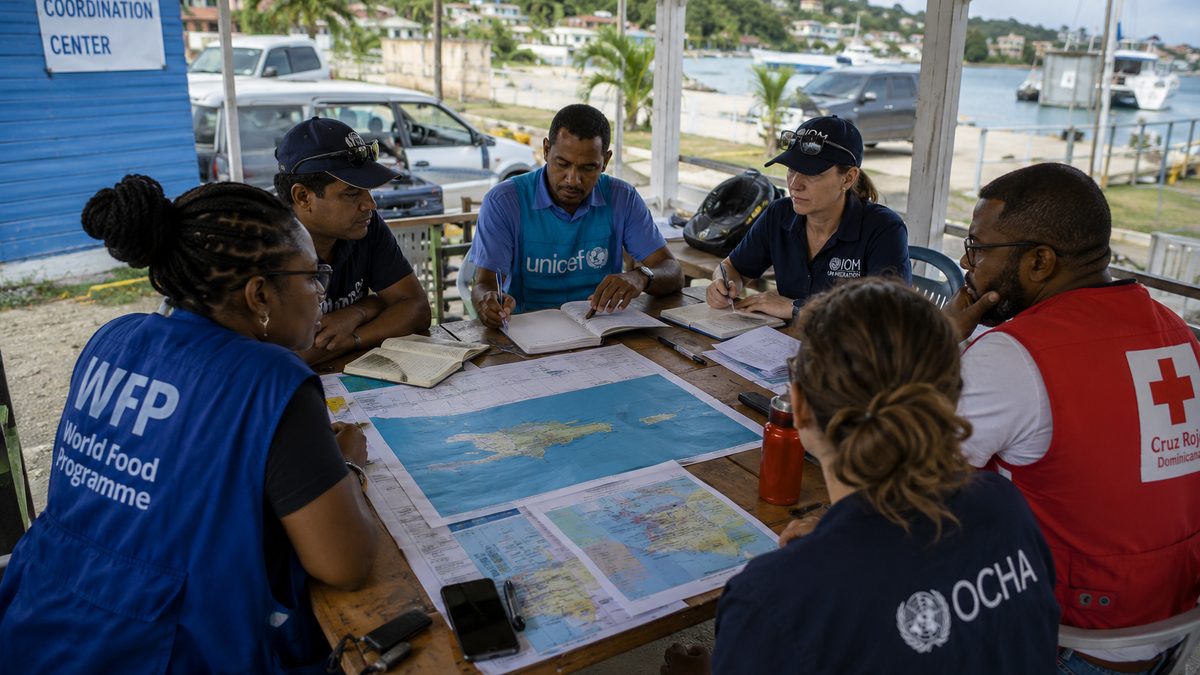
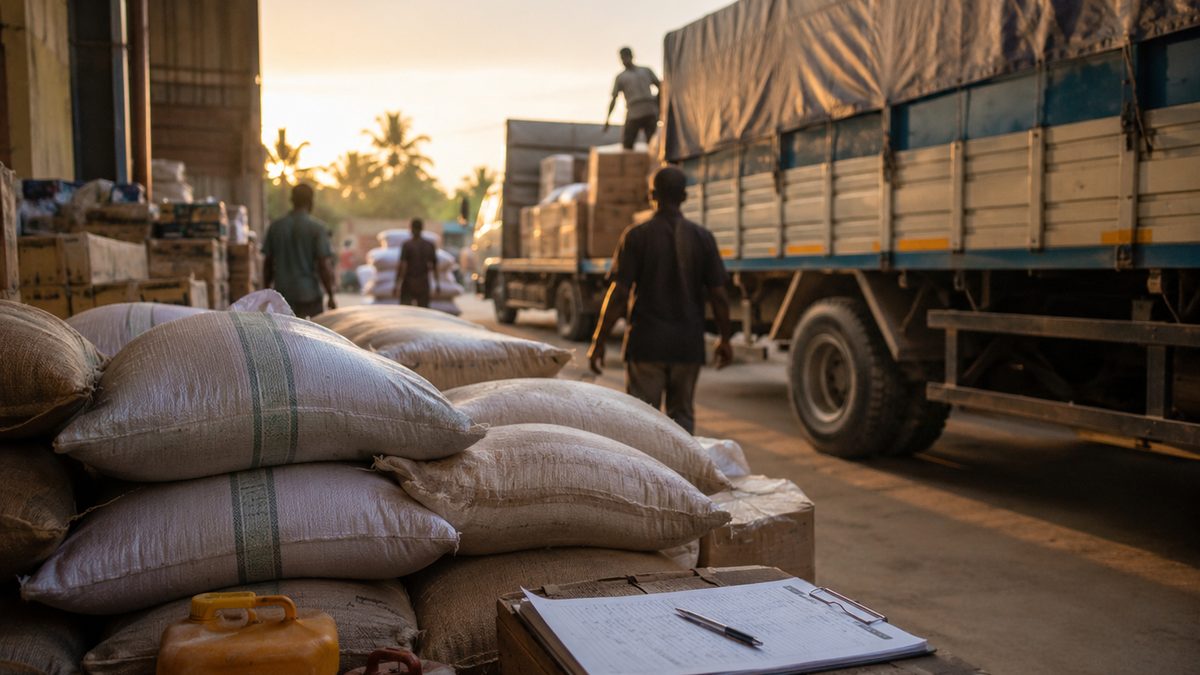
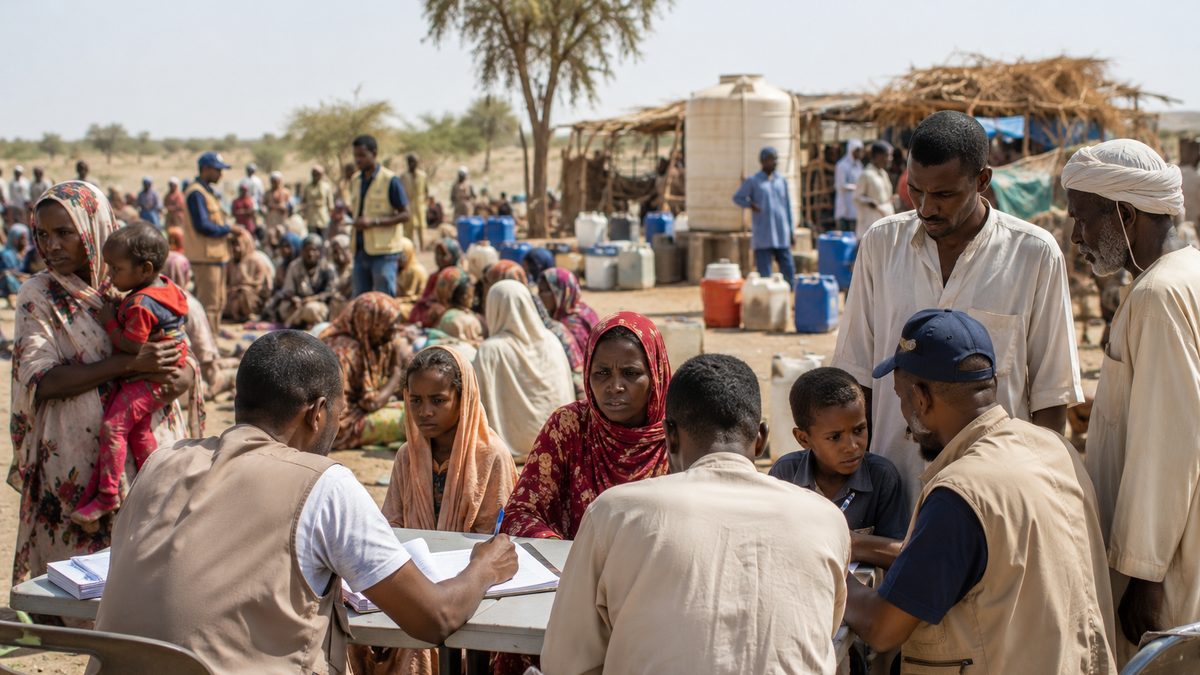
Humanitarian crises often leave families waiting on security, aid access and political decisions at the same time. Editorial illustration by TheDailyGlobe.
For many Haitians, the crisis is not one problem at a time. Violence, displacement, strained aid systems and political uncertainty can arrive together, leaving families with few safe choices.
Recent UN humanitarian reporting keeps Haiti active as a regional concern, not only a domestic emergency. UNHCR published a Haiti situation update covering January through March 2026, while United Nations reporting has described the crisis as deepening and tied it to humanitarian planning and security-support needs.
Why Haiti Still Matters Regionally
Haiti's crisis affects more than one country because instability can place pressure on aid agencies, neighboring governments and migration systems across the Caribbean and beyond. That does not mean every displaced person will leave Haiti, and it does not justify treating migration as a threat. It means regional governments and humanitarian groups have to plan for what happens when safety, shelter and basic services break down.
Security claims in Haiti require careful attribution because conditions can shift quickly and armed-group control is often difficult to verify in real time. The safer public point is that UN reporting connects the crisis to both humanitarian need and the search for stronger security support.
What Remains Unclear
The next phase remains uncertain. It is not clear how quickly security and aid systems can stabilize conditions, whether international support will meet the need, or what regional migration effects will follow.
Those unknowns matter because aid delivery depends on more than supplies. Workers need safe access, families need places to go, and local institutions need enough stability to keep basic services operating.
What to Watch Next
The most useful signals to watch are UN security-support updates, humanitarian funding reports and migration-policy moves from countries in the region. Each will show whether Haiti's crisis is being treated as a continuing regional challenge or only as an emergency that draws attention in brief bursts.
For readers outside Haiti, the lesson is straightforward: the crisis is not only about moments of violence that make headlines. It is also about whether aid, security and political systems can give families enough stability to stop living from one emergency to the next.
Reporting note: Reporting draws on UNHCR humanitarian situation reporting, United Nations regional context, humanitarian planning materials, and reviewed background materials. This article was produced with AI-assisted research and reviewed by an editor before publication.