Ebola Preparedness Is Expanding Across the Americas After Africa Outbreak
Health agencies across the Americas are strengthening surveillance, laboratory readiness, and response planning following an Ebola outbreak in Africa, even as no local spread has been reported in the region.
Save Article
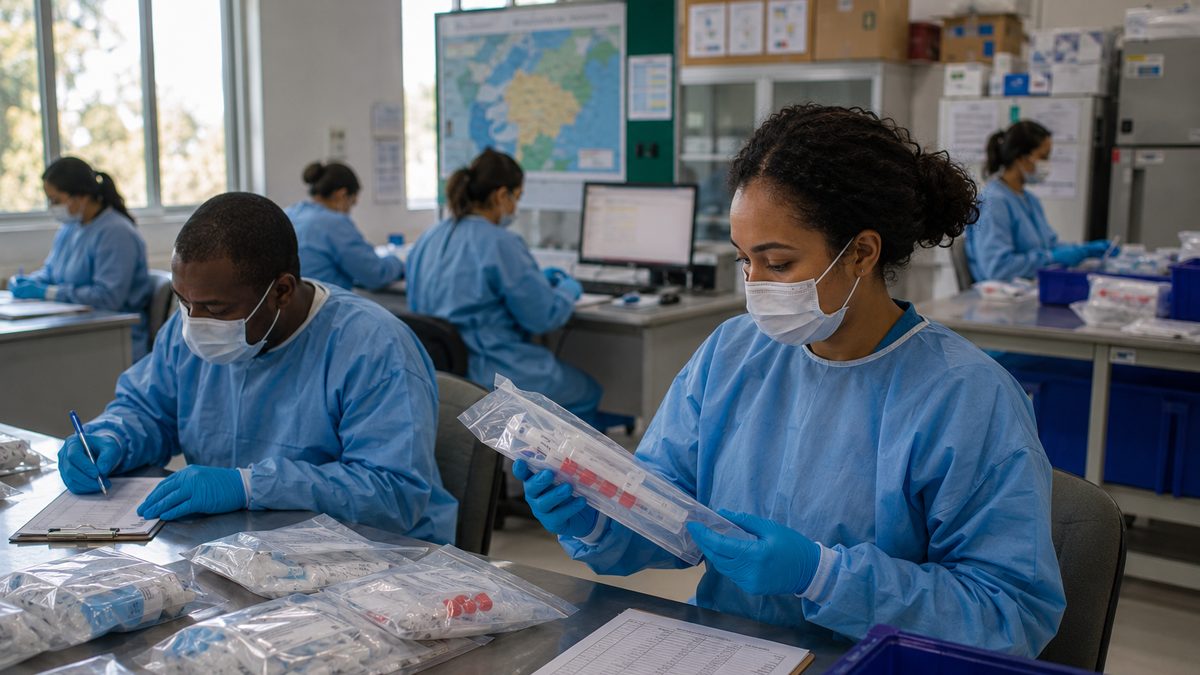
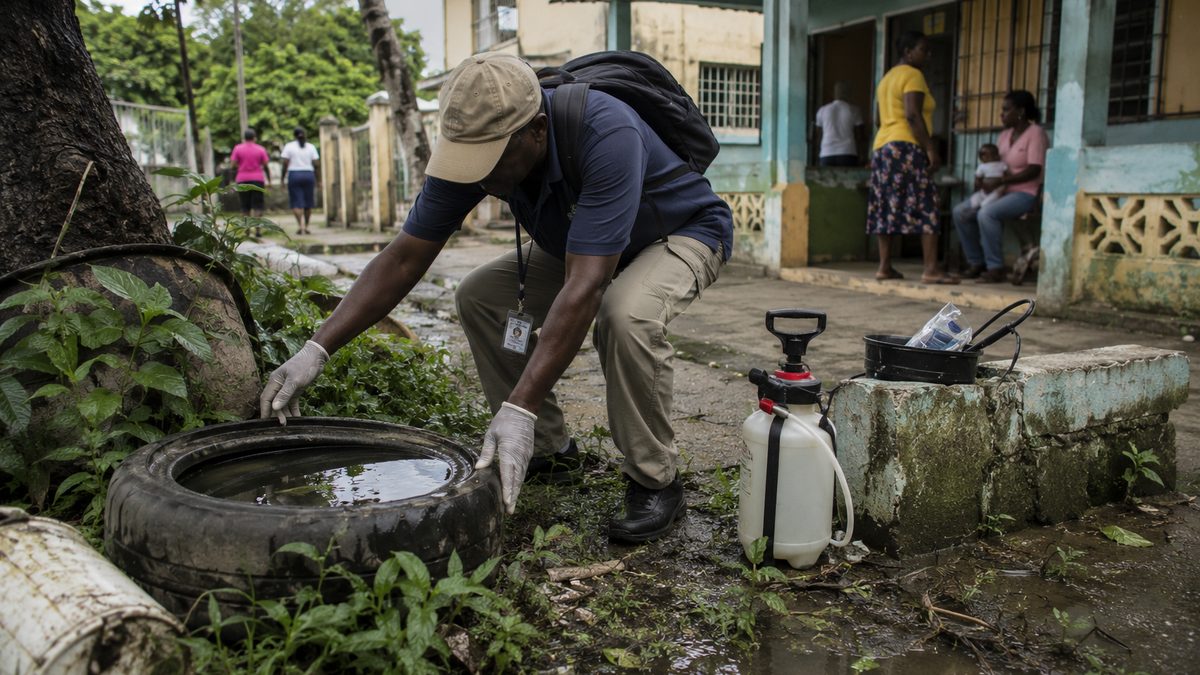
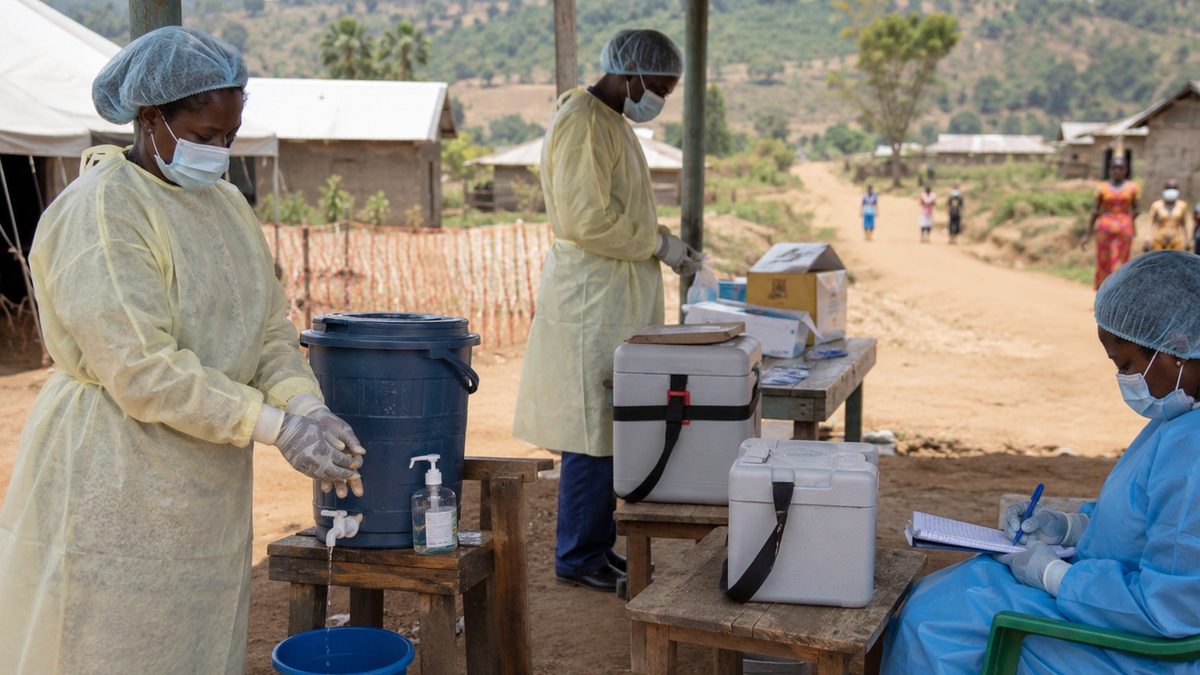
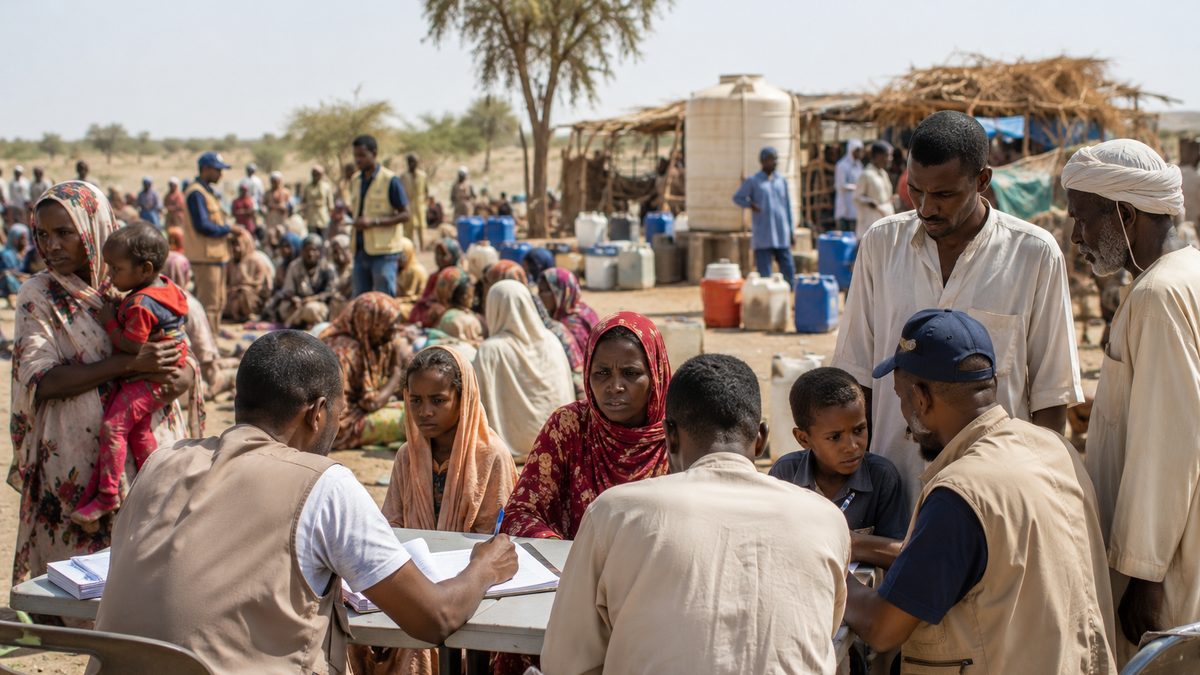
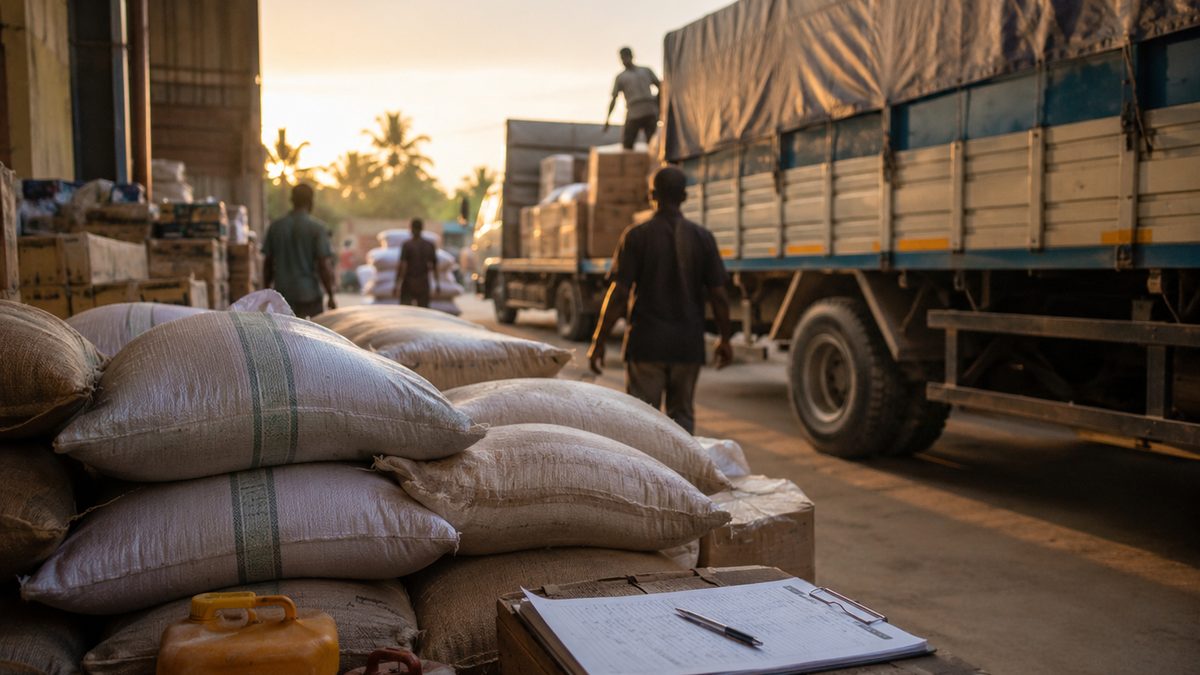
PAHO says it is helping countries in the Americas strengthen Ebola preparedness after an outbreak in Africa. Editorial illustration by TheDailyGlobe.
Key Facts
- PAHO says it is increasing support for Ebola preparedness across the Americas.
- WHO Africa reports that Ebola response efforts are ongoing in the Democratic Republic of the Congo.
- Preparedness measures can include disease surveillance, laboratory readiness, health-worker training, and public communication planning.
- Officials have not reported Ebola spreading within the Americas as part of this preparedness effort.
- Health agencies are focusing on readiness and prevention rather than emergency response to local outbreaks.
Some of the most important public-health work happens before most people ever hear about it. Long before a disease appears in a community, health agencies may already be training workers, testing laboratory procedures, reviewing emergency plans, and preparing communication systems.
That is the approach public-health officials are taking across parts of the Americas following an Ebola outbreak response underway in Africa. The goal is not to respond to local cases, but to ensure systems are ready if they are ever needed.
The Pan American Health Organization, known as PAHO, says it is intensifying support to countries throughout the Americas to strengthen Ebola preparedness. The effort follows an outbreak response in the Democratic Republic of the Congo that has been tracked by the World Health Organization's Regional Office for Africa.
What Preparedness Looks Like Before an Outbreak
Preparedness is often less visible than emergency response. When an outbreak is making headlines, people see hospitals, protective equipment, and public-health announcements. The work happening beforehand is usually quieter.
According to PAHO, preparedness efforts can include strengthening disease surveillance systems that help identify unusual illnesses, ensuring laboratories can process samples safely, training health-care workers on response procedures, and reviewing communication plans for the public.
Many of those activities are designed to answer a simple question: if a potential case appears, can health authorities recognize it quickly and respond effectively?
Why Events in Africa Matter Elsewhere
Diseases do not respect national borders, which is one reason health agencies pay attention to outbreaks even when they occur thousands of miles away. International travel, trade, and migration mean public-health officials routinely monitor developments outside their own regions.
That does not mean an outbreak abroad automatically creates a local threat. In this case, PAHO's announcement is focused on preparedness rather than a response to confirmed spread within the Americas.
The outbreak context comes from the Democratic Republic of the Congo, where WHO Africa has reported ongoing response efforts. Health agencies often use situations like these as opportunities to review readiness measures and identify gaps before they become urgent problems.
The Systems Behind Public Health
Public-health preparedness depends on more than hospitals alone. Laboratories must be able to safely handle samples. Health departments need reporting systems that allow information to move quickly. Border health officials, emergency planners, and medical facilities often need clear procedures for unusual situations.
Training also plays an important role. Workers who understand protocols before a crisis develops can often respond more effectively than organizations trying to build systems during an emergency.
For that reason, preparedness programs frequently focus on infrastructure, coordination, and planning rather than highly visible public actions.
What Remains Unclear
Several questions remain unanswered. PAHO has not publicly identified every country that may receive additional preparedness support, and available information does not establish which countries have the largest readiness gaps.
It is also unclear how long the outbreak response in the Democratic Republic of the Congo will continue or whether additional measures will be needed elsewhere. Health officials continue monitoring conditions, but current reporting does not indicate Ebola is spreading across the Americas.
That distinction is important. Preparedness efforts are common public-health practice and should not be confused with evidence of local transmission.
What Readers Should Watch Next
Future updates from PAHO and WHO Africa will likely provide the clearest picture of how preparedness efforts evolve and how the outbreak response progresses.
Readers may also see announcements from national health ministries regarding laboratory readiness, surveillance improvements, or emergency-planning exercises. Those developments are often signs of systems being strengthened rather than indications of an active local health emergency.
For now, the story is less about where Ebola is spreading and more about how public-health agencies prepare for risks before they become crises. The work may not attract much public attention, but officials argue that preparation done early is often what allows outbreaks to be identified, contained, and managed more effectively if they ever reach a region.
Reporting note: Reporting draws on Pan American Health Organization materials, World Health Organization regional updates, public-health preparedness guidance, and reviewed background materials. This article was produced with AI-assisted research and reviewed by an editor before publication.