How Fuel and Food Prices Can Turn a Regional War Into a Hunger Shock
WFP warns that conflict-linked fuel and food price increases can deepen hunger where families and aid systems are already under strain.
Save Article
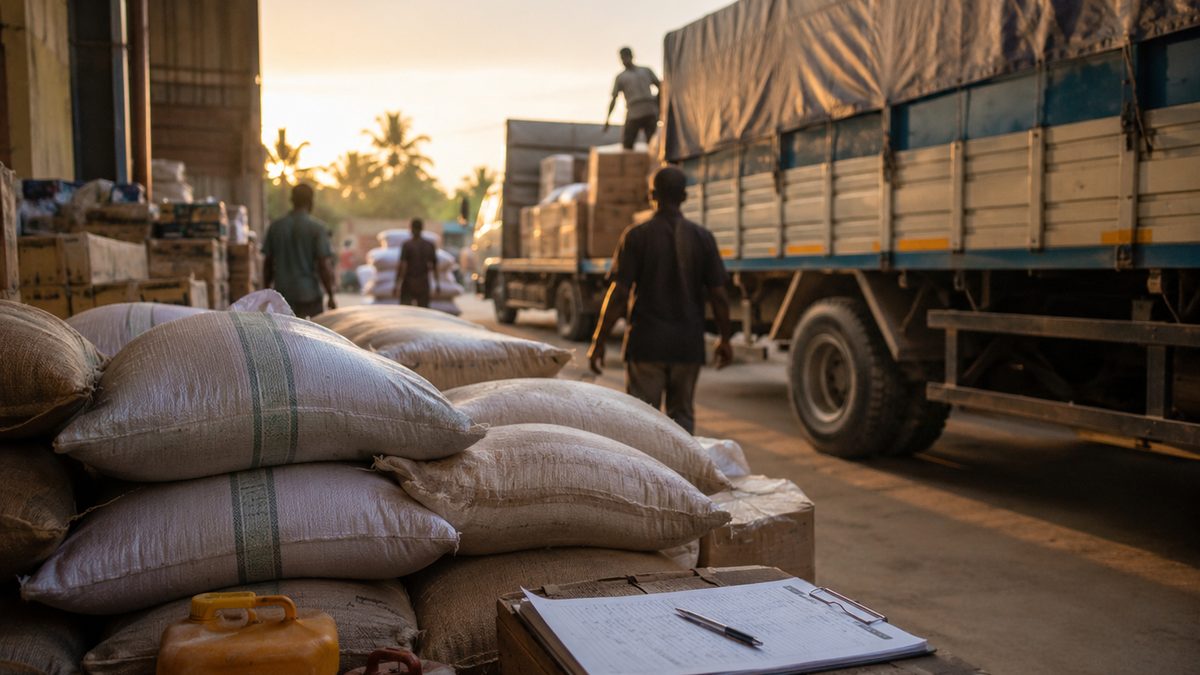
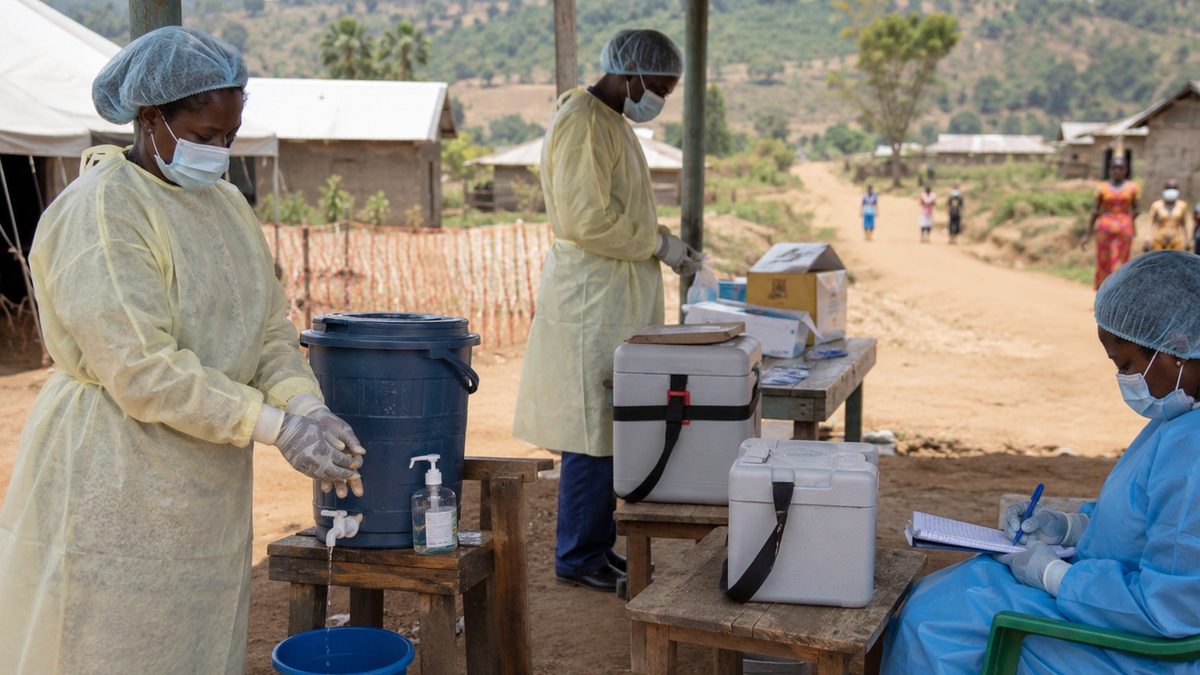
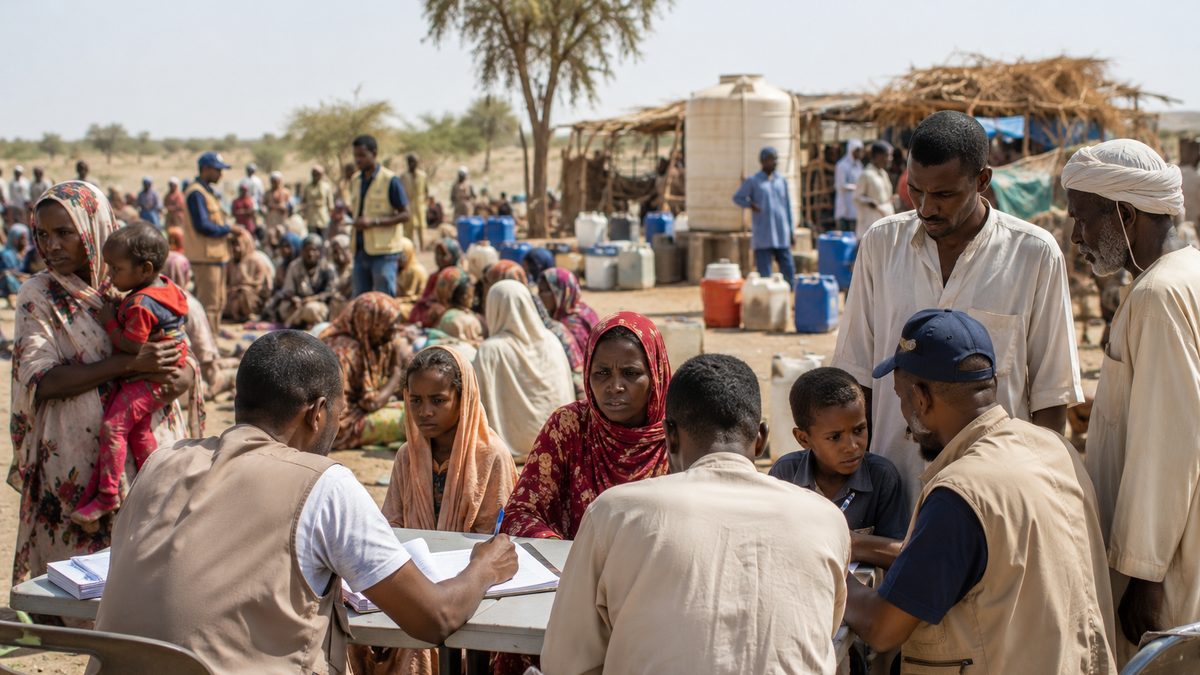
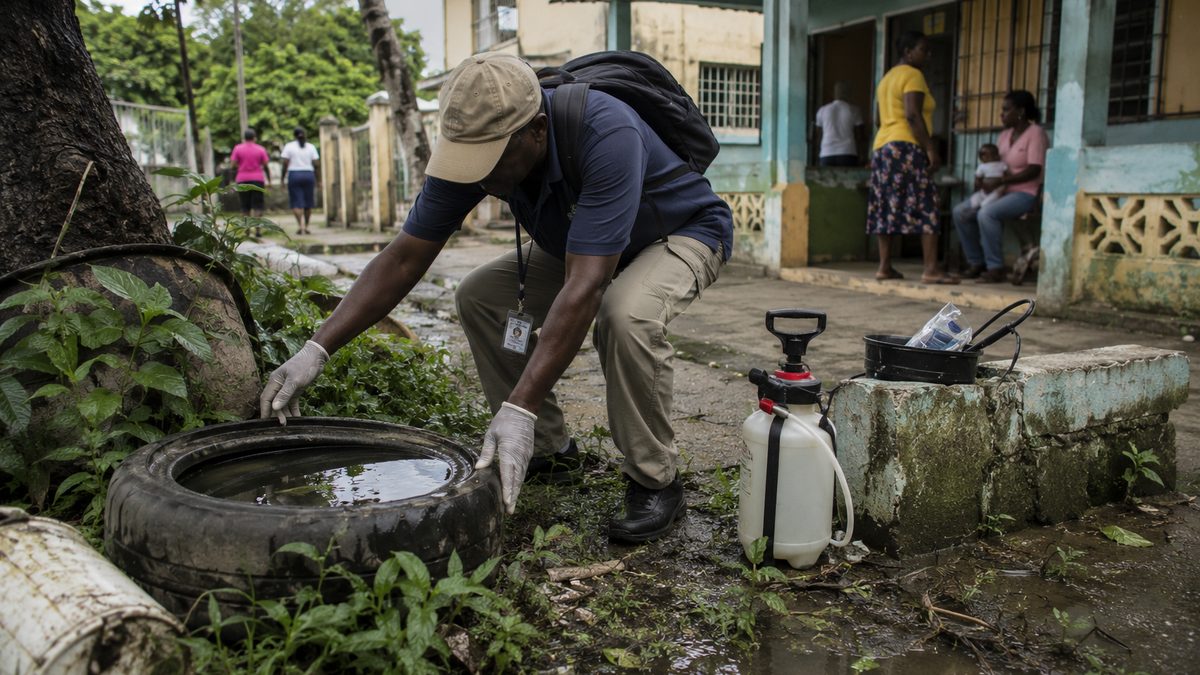
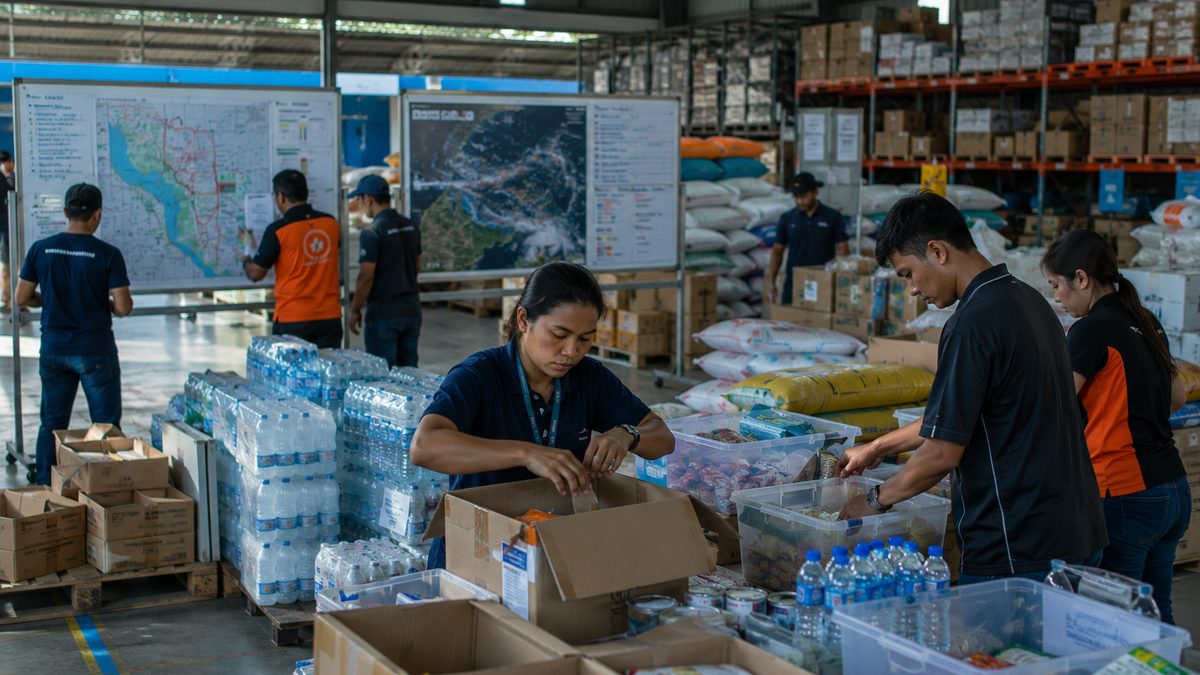
Higher fuel and food costs can make hunger worse in countries already under strain. Editorial illustration by TheDailyGlobe.
Key Facts
- WFP warned that food and fuel price increases tied to Middle East conflict could push more people into acute hunger.
- Associated Press reported WFP estimates of additional food insecurity pressure in Somalia, Afghanistan and Sri Lanka.
- WFP says fuel, shipping and fertilizer costs can affect food prices and aid delivery.
- Country-level projections should be treated as estimates, not final counts.
- The food-price effect of conflict depends on how long prices stay elevated, whether shipping routes are disrupted and whether aid funding keeps pace.
When fuel gets more expensive, food often gets more expensive too. Trucks cost more to run, ships cost more to move, fertilizer can cost more to produce or transport, and aid agencies may spend more just to reach the same families.
That is why a regional war can become a hunger story far beyond the battlefield. The World Food Programme has warned that rising food and fuel prices tied to Middle East conflict could push more people into acute hunger, especially in countries already dealing with poverty, climate stress, debt, weak food systems or earlier conflict.
Why Fuel Prices Matter for Food
Food does not move by magic. It moves by truck, ship, warehouse, cold storage, market stall and aid convoy. Fuel is built into nearly every step. When diesel, shipping or transport costs rise, the cost of getting grain, cooking oil, beans or medicine to people can rise with it.
For households that already spend most of their income on food, even a small price increase can matter. A family may buy less protein, skip meals, pull children from school to save money or take on debt. For aid groups, higher fuel and transport costs can mean the same donation feeds fewer people.
That is the chain reaction WFP is warning about. Conflict can raise energy prices or make shipping more costly. Higher energy and shipping costs can raise food prices. Higher food prices can push fragile households into hunger faster than they can recover.
Where the Pressure Is Showing Up
Associated Press reported that WFP estimates point to additional food insecurity pressure in Somalia, Afghanistan and Sri Lanka. Those country examples should be read carefully. They do not mean one war caused all hunger in those places. Each country has its own mix of economic strain, political instability, climate shocks, poverty and food-system weaknesses.
The warning is about added pressure. In places where families are already close to the edge, a rise in fuel or food prices can be enough to turn a difficult month into a crisis. The impact is not evenly spread. Countries that import much of their food or fuel are often more exposed than countries with stronger domestic supplies or more financial room.
That is why the same global price move can feel different from one place to another. In a wealthy country, higher fuel or grocery costs may strain budgets. In a country already facing acute food insecurity, the same pressure can reduce meals or force aid agencies to make harder choices.
Fertilizer and Shipping Add to the Chain
Fuel is only one piece. Fertilizer costs also matter because farmers need fertilizer to maintain crop yields in many regions. If fertilizer becomes more expensive or harder to obtain, farmers may use less of it, plant less confidently or face lower yields later.
Shipping is another pressure point. When conflict raises insurance costs, forces ships onto longer routes or slows cargo movement, food supply chains can become more expensive and less predictable. That can affect both commercial food imports and humanitarian deliveries.
The result is a system problem, not just a price tag problem. Food insecurity worsens when several pressures hit together: expensive fuel, costly imports, weak currencies, poor harvests, limited aid funding and unsafe routes. A war can add one more weight to a system that was already carrying too much.
Why Aid Agencies Watch Prices Closely
Humanitarian agencies track food and fuel prices because those prices affect both need and response. Higher prices can push more families toward assistance while also making assistance more expensive to deliver. That creates a difficult gap: more people need help at the same time help costs more.
WFP's role makes this especially important. The agency buys food, moves supplies and supports vulnerable families in crises around the world. If transport, shipping or food procurement costs rise, the agency may need more funding just to maintain the same level of support.
That is why food-price warnings should not be read as abstract global economics. They are operational warnings. They help governments and donors understand when a price shock may turn into a humanitarian shortfall.
What Remains Uncertain
The biggest unknown is duration. A short price spike can hurt, but a longer period of elevated food and fuel costs can do deeper damage. Families spend down savings. Aid budgets stretch thinner. Governments may struggle to stabilize prices or expand support.
It is also unclear whether aid funding and supply routes will be sufficient if needs rise. Country-level estimates may change as prices move, harvests come in, conflict conditions shift or agencies update their assessments.
The most careful way to read the warning is this: conflict is not the only cause of hunger, but it can make hunger worse through costs people understand. Fuel rises. Food transport costs more. Aid reaches fewer people for the same money. Families with no cushion feel it first.
What to Watch Next
The next signals to watch are WFP updates, food and fuel prices, shipping disruptions, fertilizer costs and donor funding. If prices ease and supply routes remain open, the pressure may be more manageable. If costs stay high and aid funding falls short, more countries could face sharper food-security stress.
For readers, the main lesson is not that every conflict automatically causes a hunger crisis everywhere. It is that food systems are connected. A shock in one region can move through fuel, shipping, fertilizer and aid budgets until it reaches families who were already living close to the edge.
Reporting note: Reporting draws on World Food Programme analysis, reputable wire reporting, humanitarian updates, and reviewed background materials. This article was produced with AI-assisted research and reviewed by an editor before publication.