What the Congo Ebola Outbreak Shows About Stopping Disease in Conflict Zones
Health officials say Ebola risk to the U.S. public remains low, but the outbreak in Congo and Uganda shows why access and trust matter in disease control.
Save Article
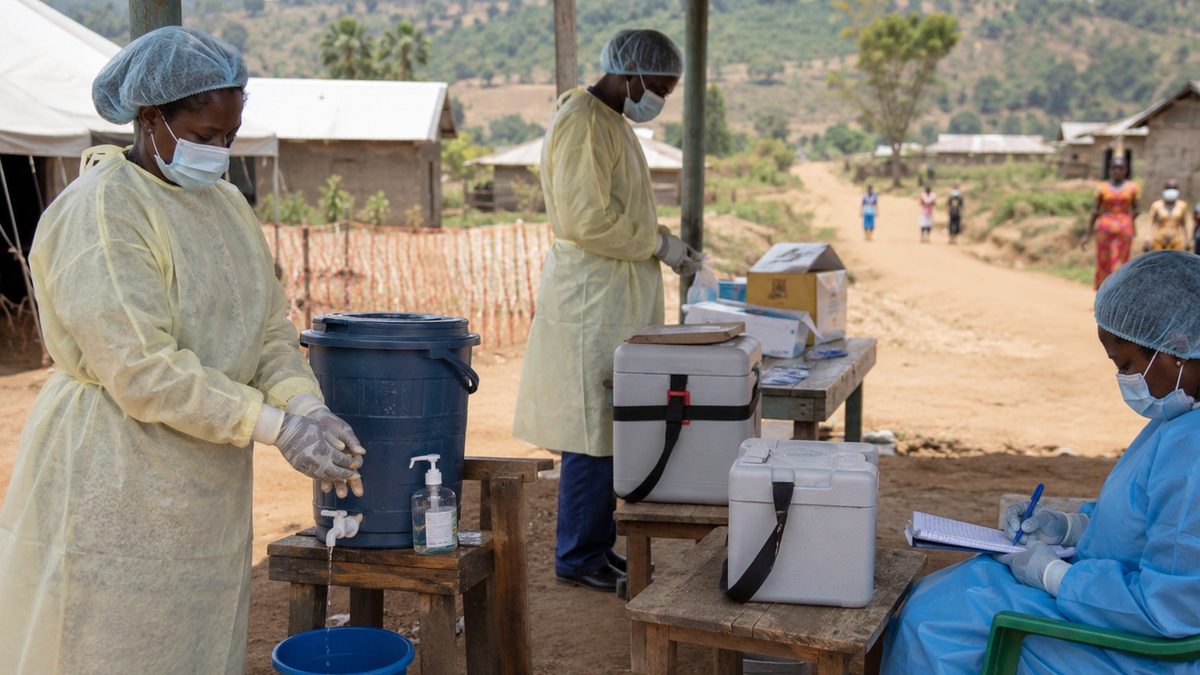
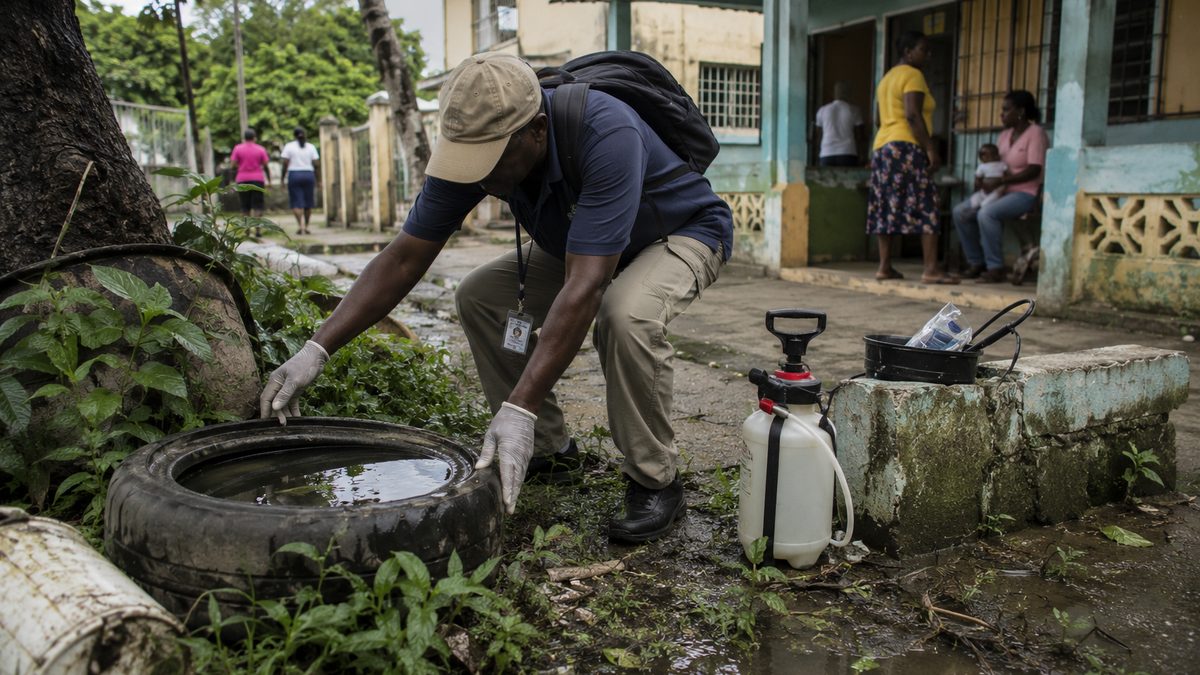
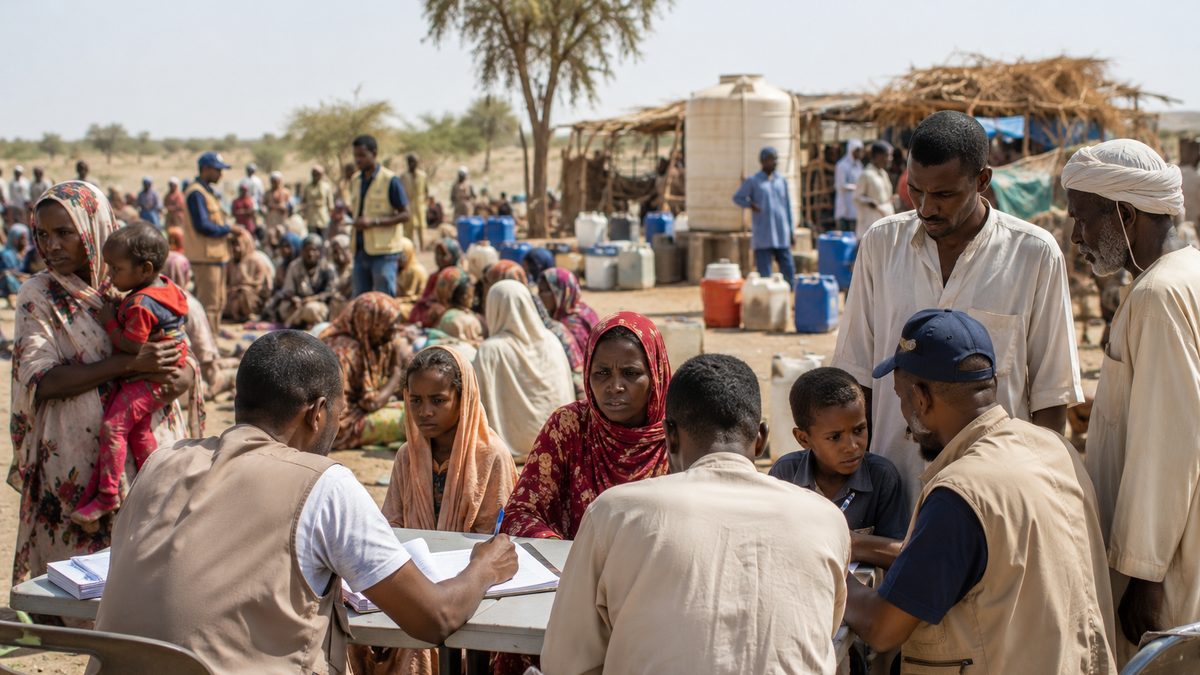
Health officials say conflict, access limits and public trust complicate Ebola response in eastern Congo and Uganda. Editorial illustration by TheDailyGlobe.
Key Facts
- WHO says an Ebola outbreak caused by the Bundibugyo virus is affecting the Democratic Republic of the Congo and Uganda.
- WHO has asked partners for funding, access, medicines, protection of essential services and the lifting of blanket travel restrictions.
- CDC says no U.S. cases have been confirmed from this outbreak and that overall risk to the U.S. public and travelers remains low.
- Case and death figures are changing and should be read by date and reporting agency.
- Health officials say surveillance, contact tracing, safe access and public trust are central to controlling the outbreak.
Stopping Ebola is hard in the best conditions. It becomes much harder when health workers cannot safely reach communities, families distrust official instructions, and armed conflict interrupts the ordinary work of finding patients, tracing contacts and keeping clinics open.
That is the practical challenge now facing responders in an Ebola outbreak affecting the Democratic Republic of the Congo and Uganda. The World Health Organization says the outbreak is caused by the Bundibugyo virus, while U.S. health officials say no U.S. cases have been confirmed from this outbreak and the overall risk to the U.S. public and travelers remains low.
Why Access Matters as Much as Medicine
Ebola response is not only about having doctors, protective equipment or medicines. The basic work of outbreak control depends on access: responders need to identify sick people, test suspected cases, monitor contacts, support isolation when needed and keep communities informed without creating panic.
In insecure areas, each step can break down. If health teams cannot travel safely, cases may go unconfirmed. If families fear clinics or distrust response teams, people may delay care. If armed groups, roadblocks or violence interrupt movement, contact tracing can fall behind the virus.
That is why WHO's latest appeal goes beyond money. The agency has called for funding and medicines, but also for access, protection of essential services and action to avoid blanket travel restrictions. WHO has also appealed for access through pauses in fighting by armed groups. That is an appeal, not a confirmed agreement.
What Is Known About the Outbreak
WHO says the outbreak involves the Bundibugyo virus, one of the viruses that can cause Ebola disease. Public health agencies are tracking the outbreak in the Democratic Republic of the Congo and Uganda, while international partners are assessing risk, response needs and cross-border implications.
Associated Press reporting has described the outbreak in Congo with more than 100 deaths out of about 550 cases as of June 10. Those figures should be treated as dated numbers, not fixed totals. In fast-moving outbreaks, case counts can change as surveillance improves, lab confirmations arrive or reporting delays are resolved.
The most useful way for readers to understand the numbers is to watch the trend and the context, not one figure by itself. A rising count can reflect worsening spread, better detection or both. A lower count may reflect real improvement, but it can also reflect limited access to affected communities.
Why U.S. Risk Is Being Framed as Low
CDC's current guidance says no U.S. cases have been confirmed from this outbreak and that overall risk to the U.S. public and travelers remains low. That framing matters because serious outbreaks abroad can easily be misunderstood as an immediate threat everywhere.
Low risk does not mean no attention is needed. It means U.S. health officials are not describing this as a broad public threat at this point. Risk assessments can change if exposure patterns change, if travel-linked cases appear or if health authorities update screening guidance.
For U.S. readers, the story is less about personal alarm and more about how global health systems respond when disease control depends on conditions outside a laboratory. Conflict, weak access and mistrust can make a dangerous virus harder to contain even when the science of response is well understood.
The Travel Restriction Question
WHO has called for the lifting of blanket travel restrictions, a position that reflects a recurring concern in outbreak response. Broad restrictions can disrupt aid, discourage reporting and isolate affected communities without necessarily improving disease control.
That does not mean all travel guidance is useless. Targeted screening, clear public information and careful monitoring can help health agencies manage risk. The dispute is over broad measures that may look tough but make response work harder on the ground.
The key is credible communication. People need to know what the actual risk is, what symptoms and exposures matter, and what officials are doing. Exaggerating the danger can create fear. Minimizing it can damage trust. Both can hurt the response.
What Remains Unclear
Several questions remain open. It is not yet clear whether responders can improve surveillance and contact tracing in insecure areas. It is also unclear how access to trial medicines and supportive care will affect outcomes in this Bundibugyo outbreak.
Numbers from WHO, CDC, ECDC and field reporting may differ because agencies update at different times and use different reporting cutoffs. That does not automatically mean the figures conflict in a meaningful way. It means readers should pay attention to the date, source and definition behind each count.
The larger uncertainty is whether public health workers will get the access, trust and resources they need. Ebola response depends on people cooperating with systems that may already be strained by violence, fear and limited services.
What to Watch Next
The next signals to watch are WHO funding updates, new case counts, access for health teams, availability of trial medicines and any changes in CDC travel-screening guidance. Those updates will show whether the response is catching up or falling behind.
For now, the clearest lesson is that outbreak control is not only a medical task. It is also a trust, access and security task. In conflict zones, stopping disease often depends on whether health workers can safely reach people before the virus does.
Reporting note: Reporting draws on World Health Organization updates, CDC risk guidance, ECDC public health assessments, reputable wire reporting, and reviewed background materials. This article was produced with AI-assisted research and reviewed by an editor before publication.