Zimbabwe Bill Would Delay Elections and Change How Presidents Are Chosen
A proposed constitutional amendment would delay Zimbabwe's 2028 elections and shift presidential selection from voters to lawmakers.
Save Article

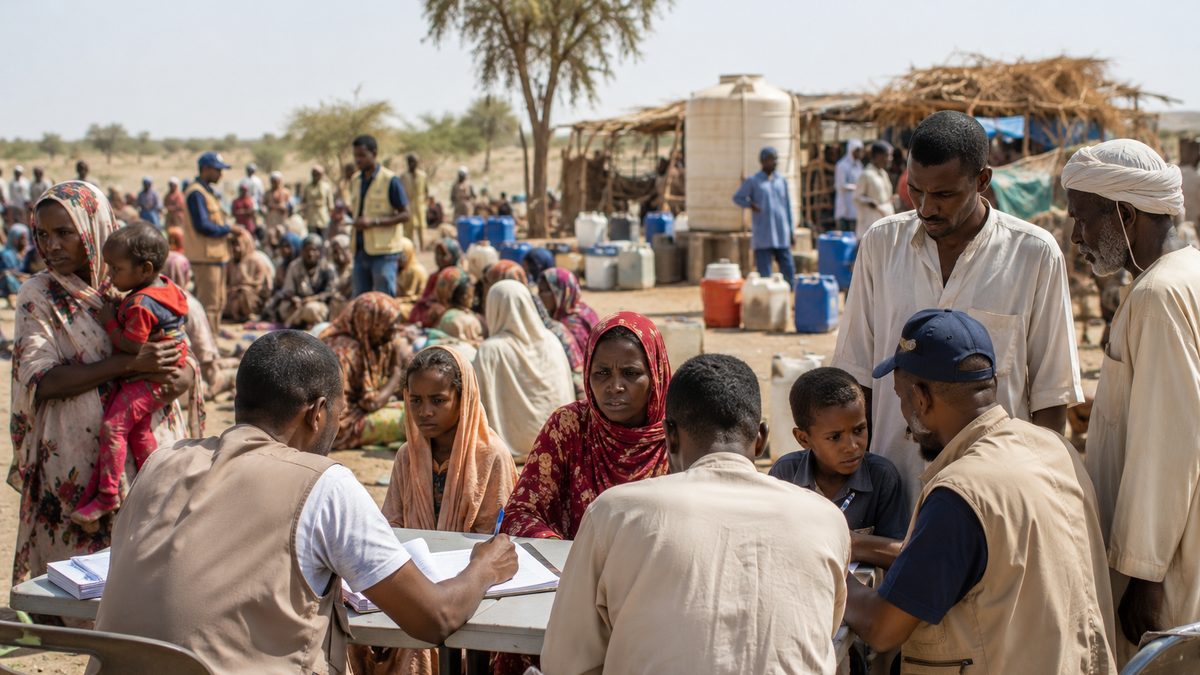
Election rules can change quietly inside legislative chambers long before voters feel the result. Editorial illustration by TheDailyGlobe.
The basic democratic question in Zimbabwe is now unusually direct: should voters choose the president, or should lawmakers do it for them?
Zimbabwe's justice minister introduced a constitutional amendment bill in Parliament on June 2 that would delay elections due in 2028 by two years and change how the country's president is selected, according to Associated Press reporting. The Parliament of Zimbabwe also lists the Constitution of Zimbabwe Amendment No. 3 Bill, H.B. 1, 2026, among its bill materials.
What the Bill Would Change
The proposal would extend the terms of the president, members of Parliament, councilors and mayors from five years to seven years. AP reported that it would also shift presidential elections from a direct popular vote to selection by lawmakers.
That would affect both the timing of the next national elections and the way executive power is filled. If adopted, elections due in 2028 would be deferred to 2030, extending President Emmerson Mnangagwa's current term.
Why the Process Matters
Changing election rules is not only a technical legal matter. Rules about who votes, when elections happen and how leaders are chosen shape public trust in whether a political system can hold power accountable.
AP reported that critics argue a national referendum is required for the proposed changes, while supporters say Parliament can approve them because the two-term presidential limit would remain in place. That legal dispute is central because the argument is not only about the length of a term, but about who has the authority to change the rules.
What Remains Unclear
Zimbabwe's Constitutional Court has not resolved the legal challenges described in the reporting. It is also unclear whether Parliament will pass the measure by the end-of-June target reported by AP.
For readers outside Zimbabwe, the useful point is not to treat the bill as already settled. The proposal is real, the stakes are clear, and the next answers will come from Parliament, the courts and any official response to the referendum dispute.
Reporting note: Reporting draws on Associated Press reporting, Zimbabwe Parliament bill materials, constitutional process context, and reviewed background materials. This article was produced with AI-assisted research and reviewed by an editor before publication.