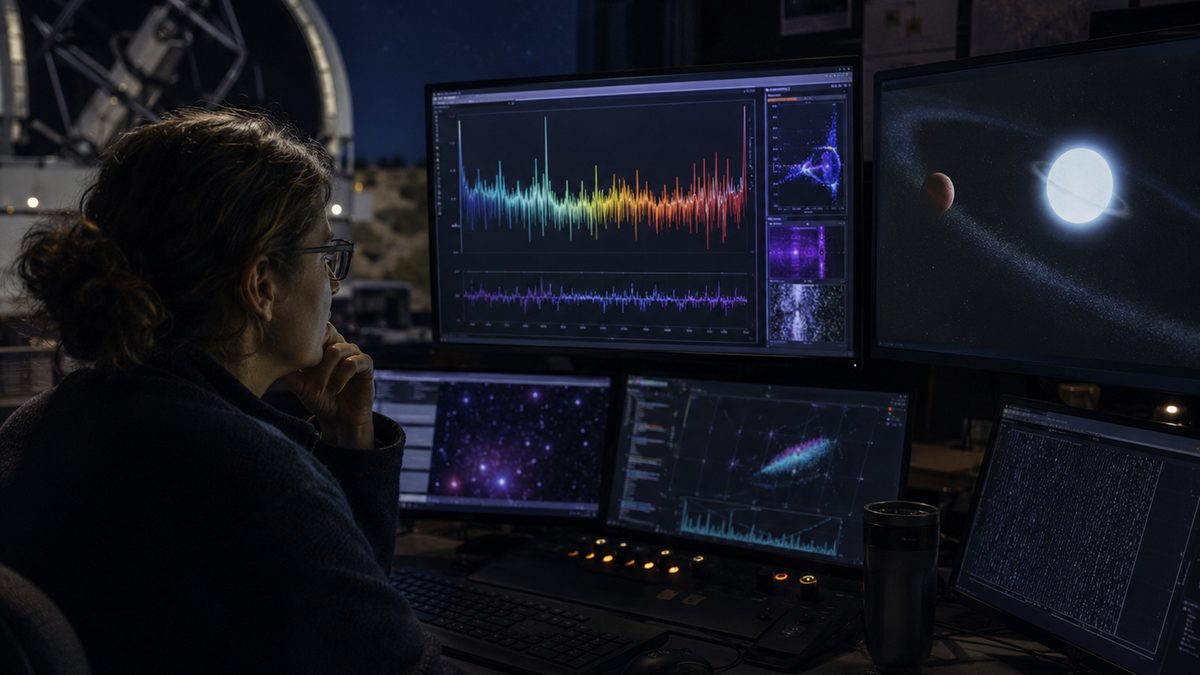
Webb Finds Hydrocarbons in the Atmosphere of a Planet Orbiting a Dead Star
A new study reports hydrocarbons and aerosols in the atmosphere of a planet orbiting a white dwarf, giving scientists a rare look at planetary chemistry after a star dies.
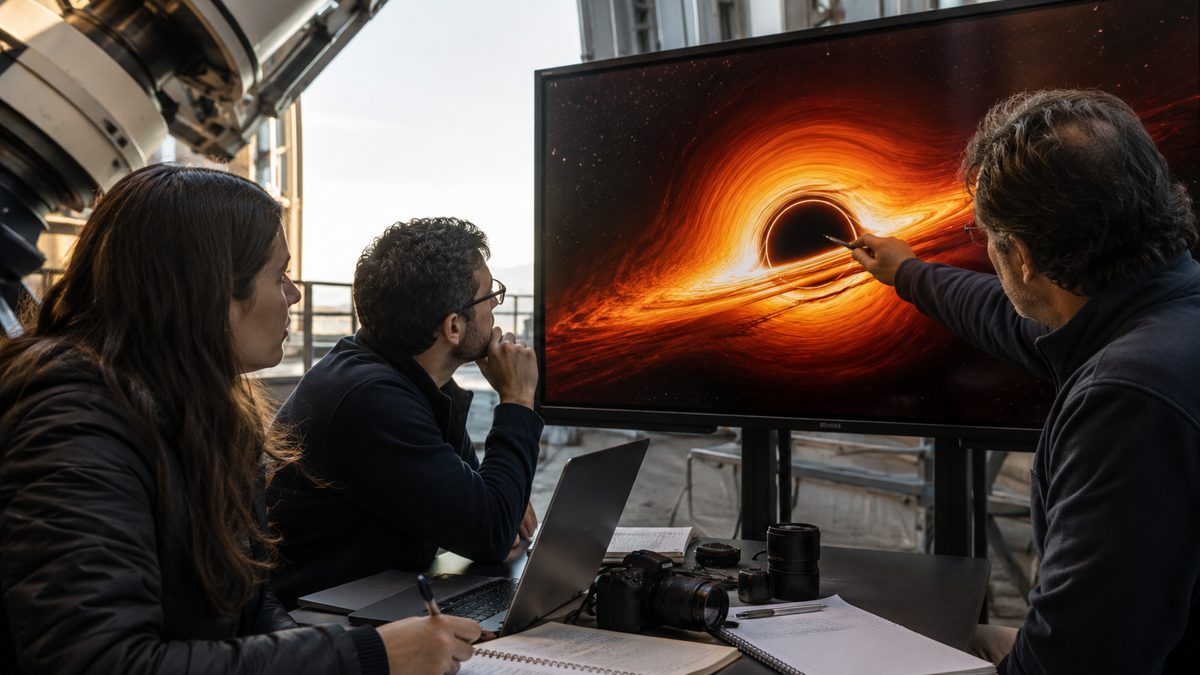
What Would Actually Happen if You Got Too Close to a Black Hole?
Black holes do not suck up everything nearby, but extreme gravity near one can distort time, stretch matter and create a boundary where light can no longer escape.
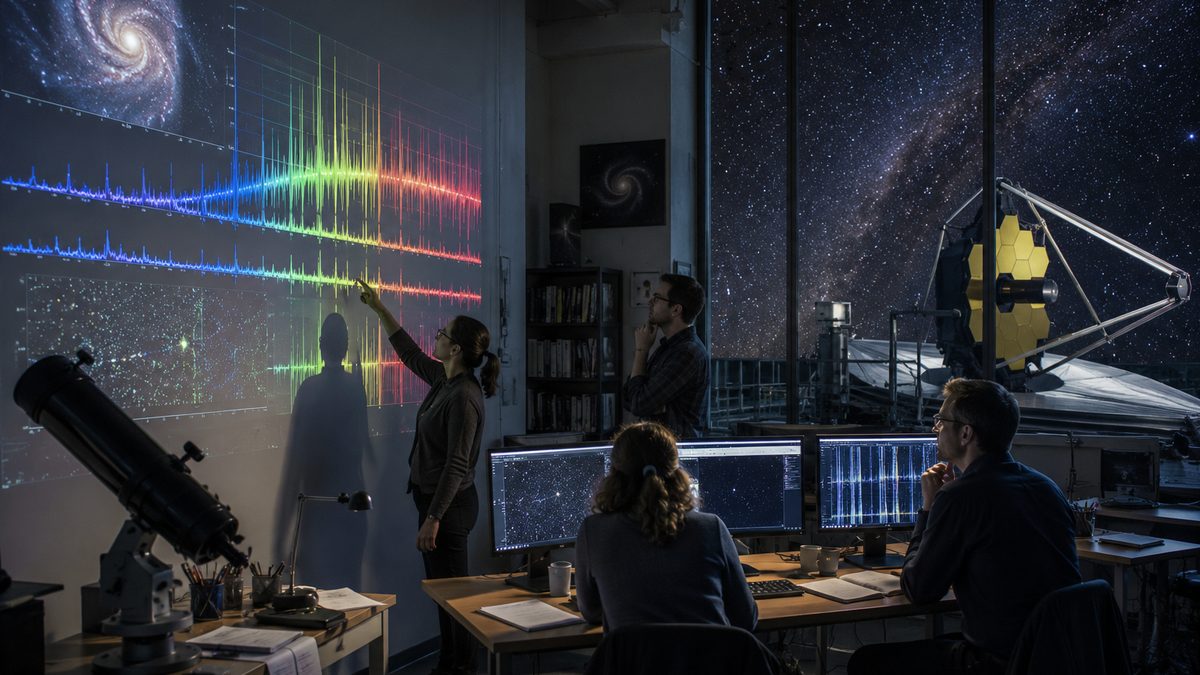
How Scientists Read the Air on Planets They Will Never Visit
Astronomers cannot travel to distant exoplanets, but they can still learn what some of those worlds' atmospheres are made of by studying tiny changes in starlight.
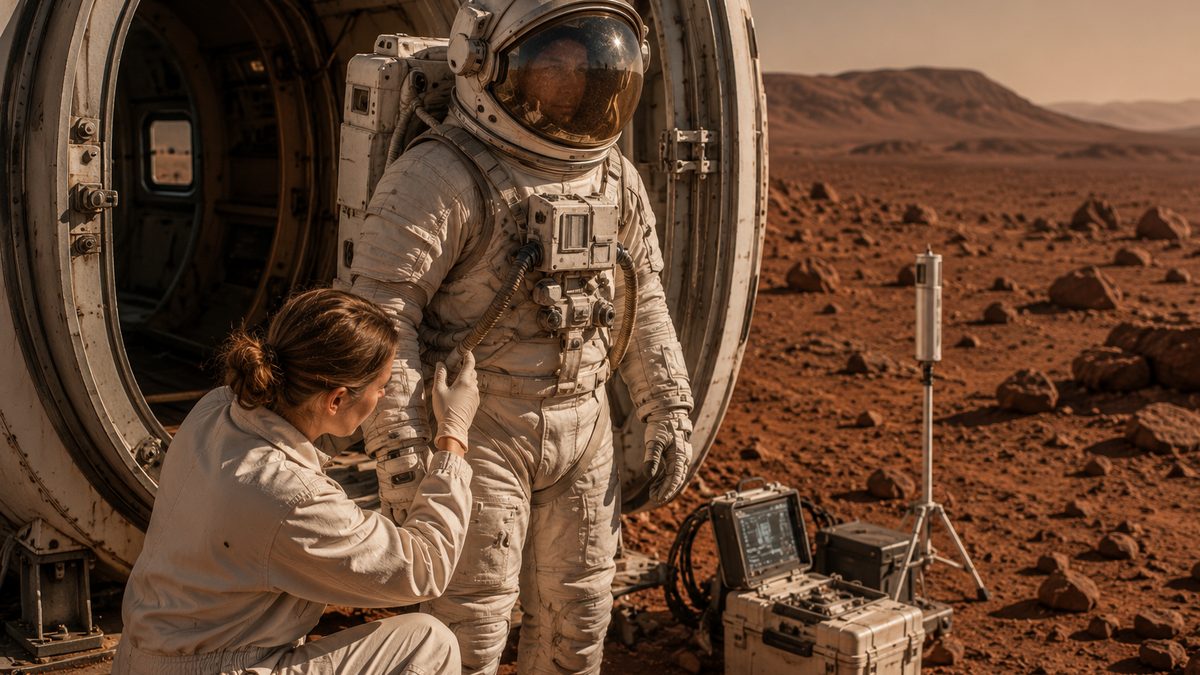
How Long Could a Human Survive on Mars Without a Spacesuit?
Mars may look familiar in photos, but its atmosphere, pressure, and temperature make it an environment where humans cannot survive without specialized life-support systems.
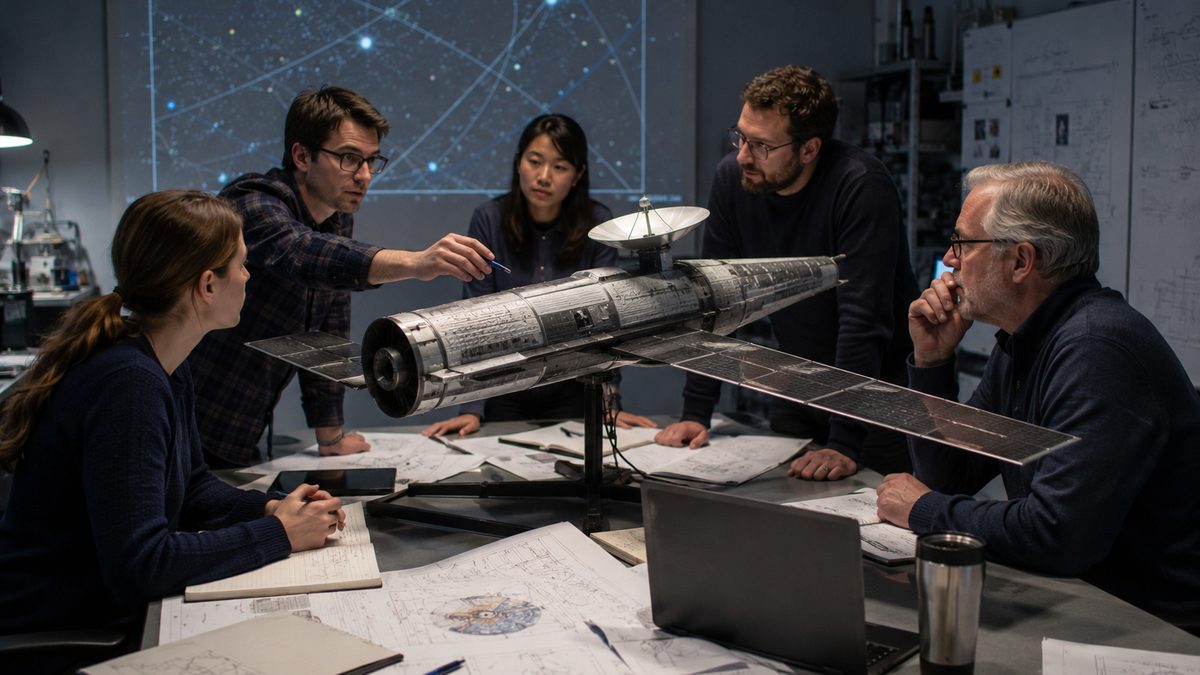
Could Humans Ever Reach the Closest Star to Earth?
The nearest star beyond our Sun is closer than any other stellar destination, yet reaching it remains one of humanity's most difficult technological challenges.
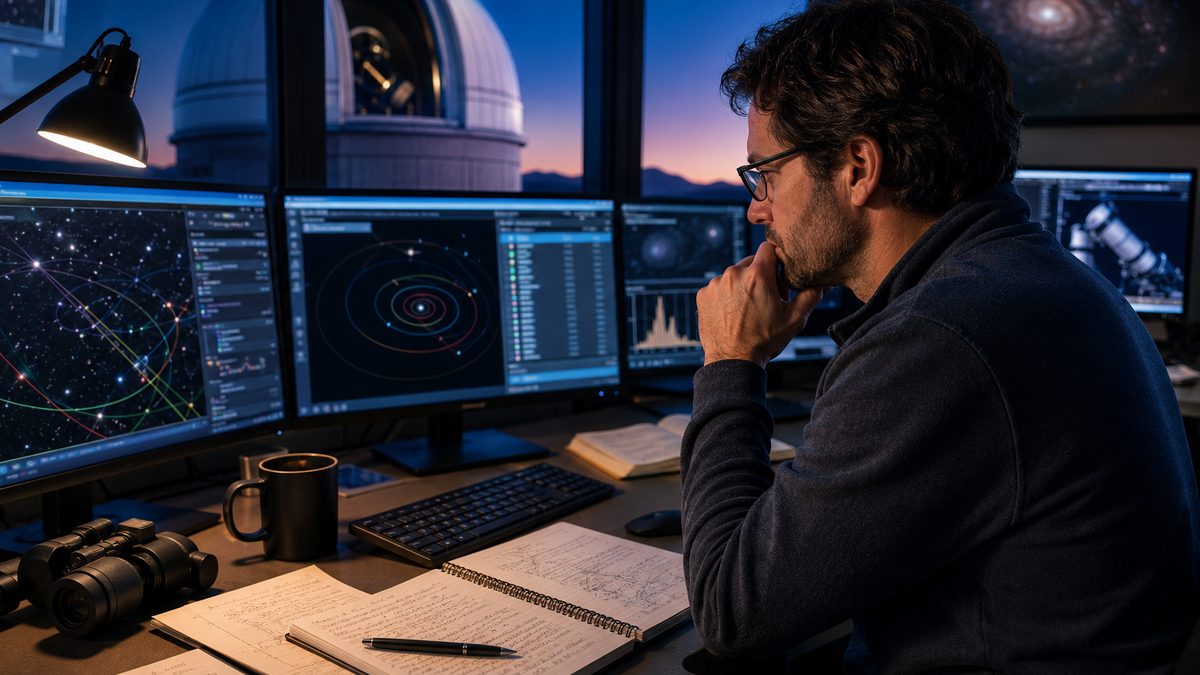
What Would Actually Happen if an Asteroid Was Headed Toward Earth?
Planetary defense is less like a disaster movie and more like a careful system of sky surveys, probability updates, mission planning and public warnings.
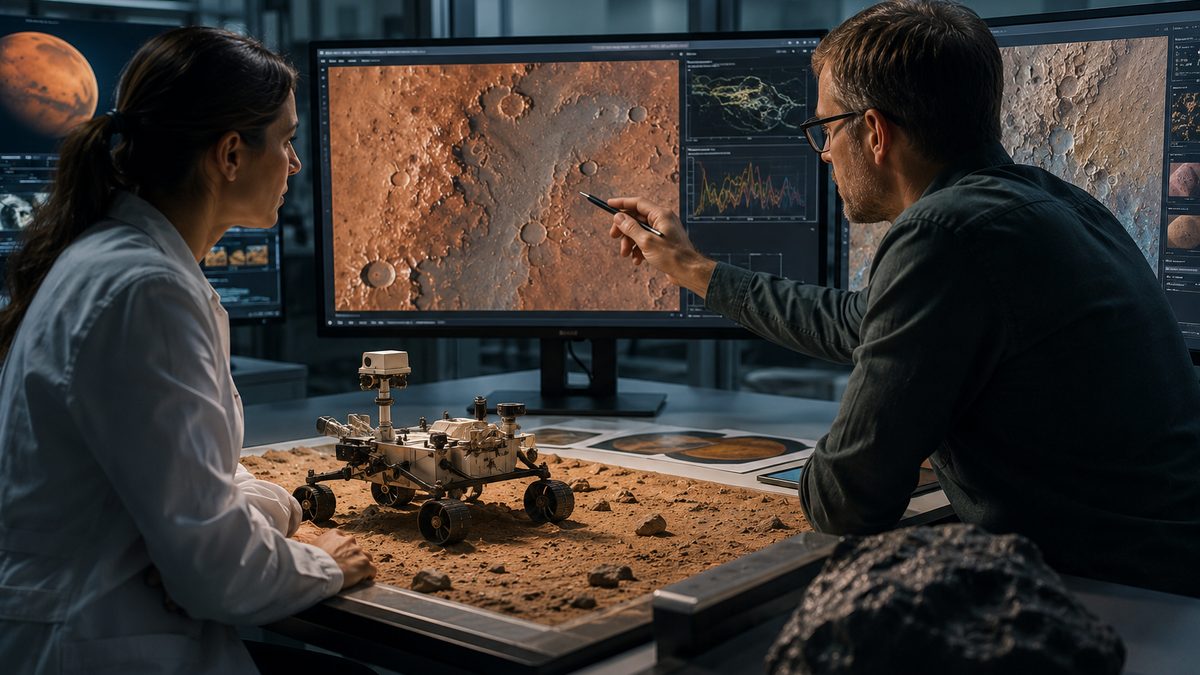
A Vast Clay Bed on Mars Could Help Scientists Search for Clues From a Wetter Past
European scientists say clay deposits near the ExoMars landing site may be more extensive than previously thought, making the region an even more intriguing place to search for signs of ancient Martian environments.
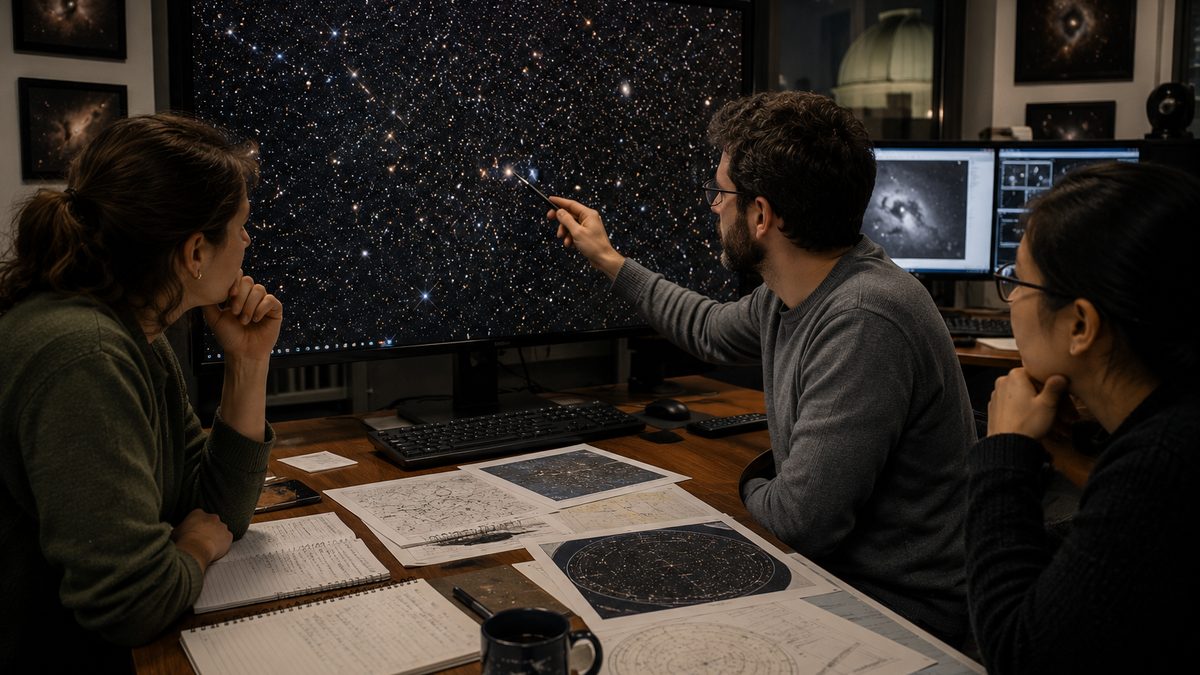
What an Unusual Star System May Reveal About the Milky Way's Earliest Years
New observations from the James Webb Space Telescope and Hubble Space Telescope suggest that Terzan 5 is more than a typical star cluster. Researchers say it may preserve clues from a much earlier chapter in the Milky Way's formation.
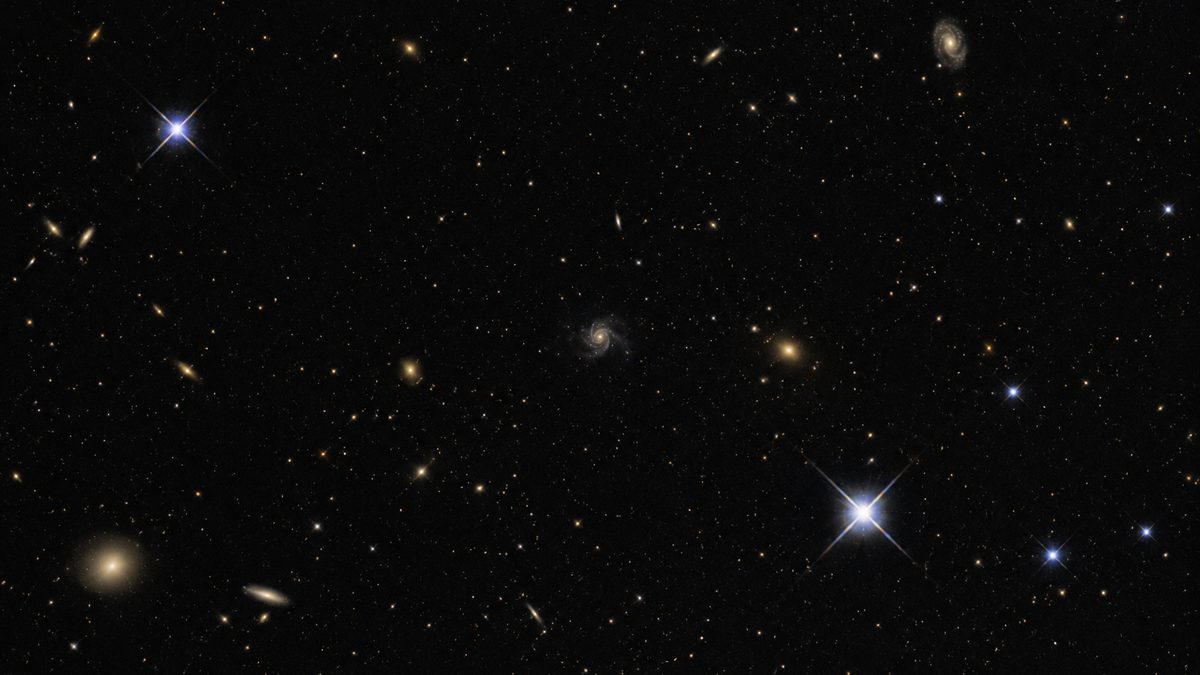
A New Space Mission Will Search the Faint Edges of Galaxies for Clues to Cosmic History
The European Space Agency has formally adopted the Arrakihs mission, a telescope project designed to study the nearly invisible outer regions of galaxies and help scientists better understand how those galaxies formed over billions of years.
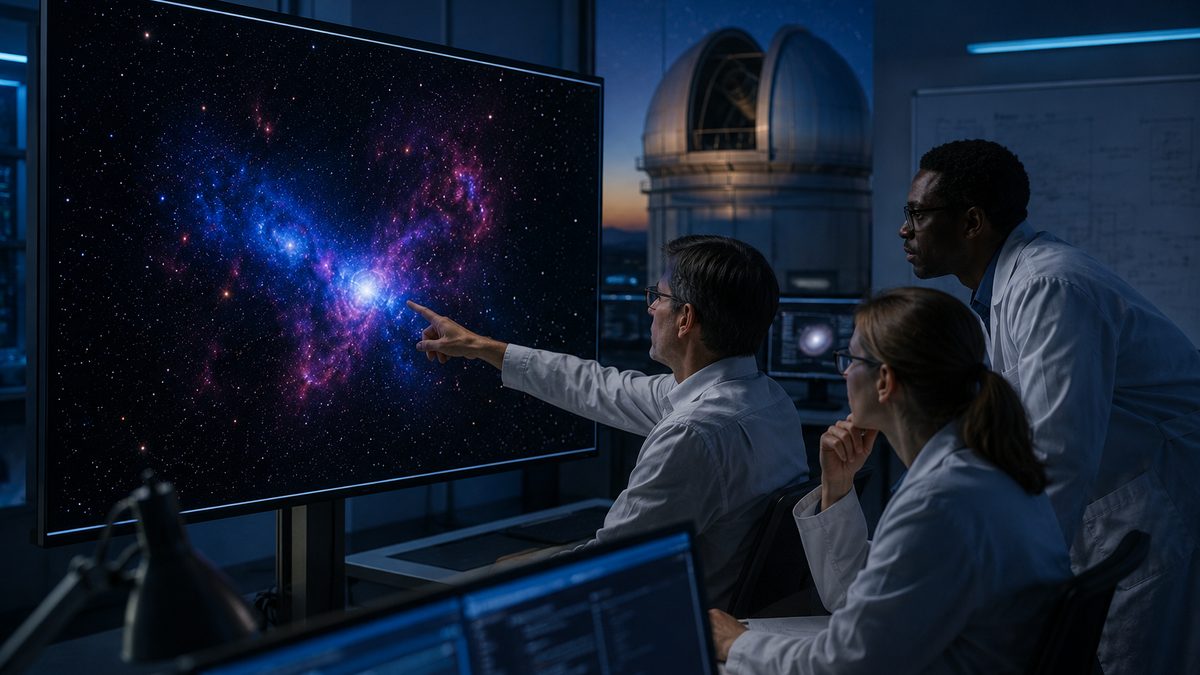
Astronomers May Have Found the Remains of a Long-Ago Stellar Explosion Near the Milky Way's Center
New X-ray observations suggest astronomers may have identified a supernova remnant hidden near the crowded center of the Milky Way, though the finding remains preliminary.
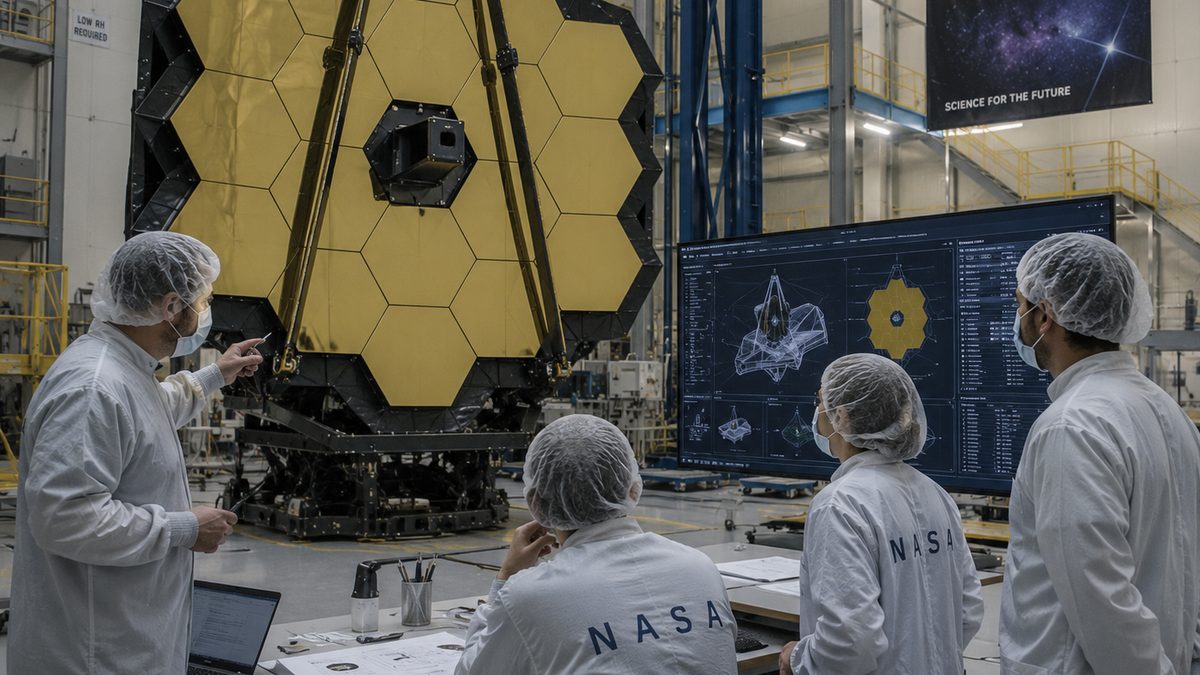
NASA's Roman Telescope Could Help Reveal a Hidden Population of Worlds
NASA says its upcoming Roman Space Telescope could help astronomers find thousands of planets that current search methods often overlook, offering a fuller picture of the galaxy's planetary population.
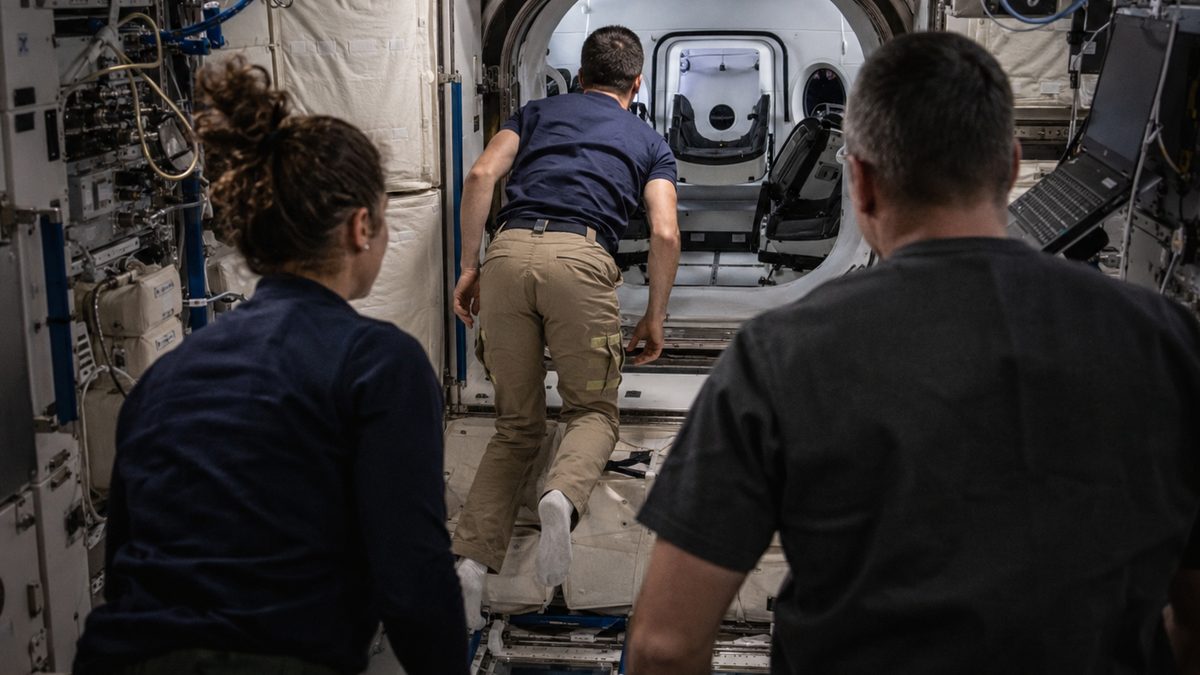
ISS Shelter Order Shows Why the Aging Space Station Still Needs Close Watch
Astronauts briefly took shelter in a SpaceX Dragon spacecraft during work on air leaks in the Russian segment of the International Space Station, a reminder that spaceflight safety often depends on cautious procedures before a crisis develops.
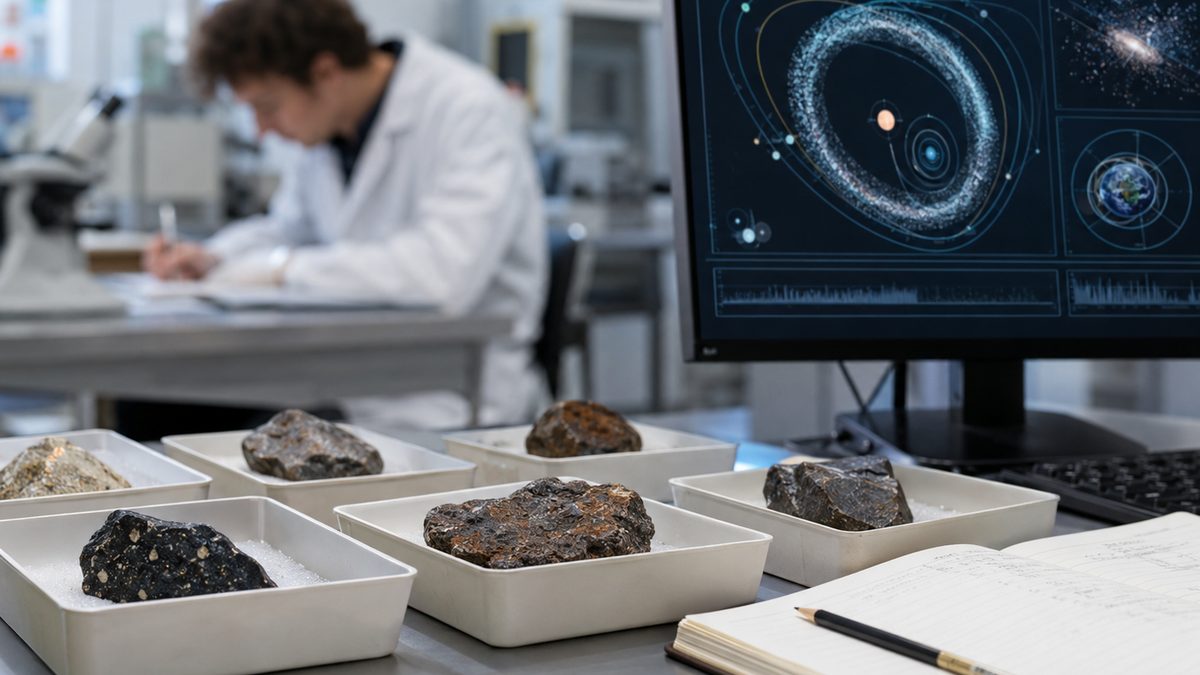
NASA Study Adds Clue To How Earth Got Ingredients Needed For Habitability
NASA-supported research used meteorites and models to study how early Earth may have acquired nitrogen and phosphorus, two elements tied to habitability.
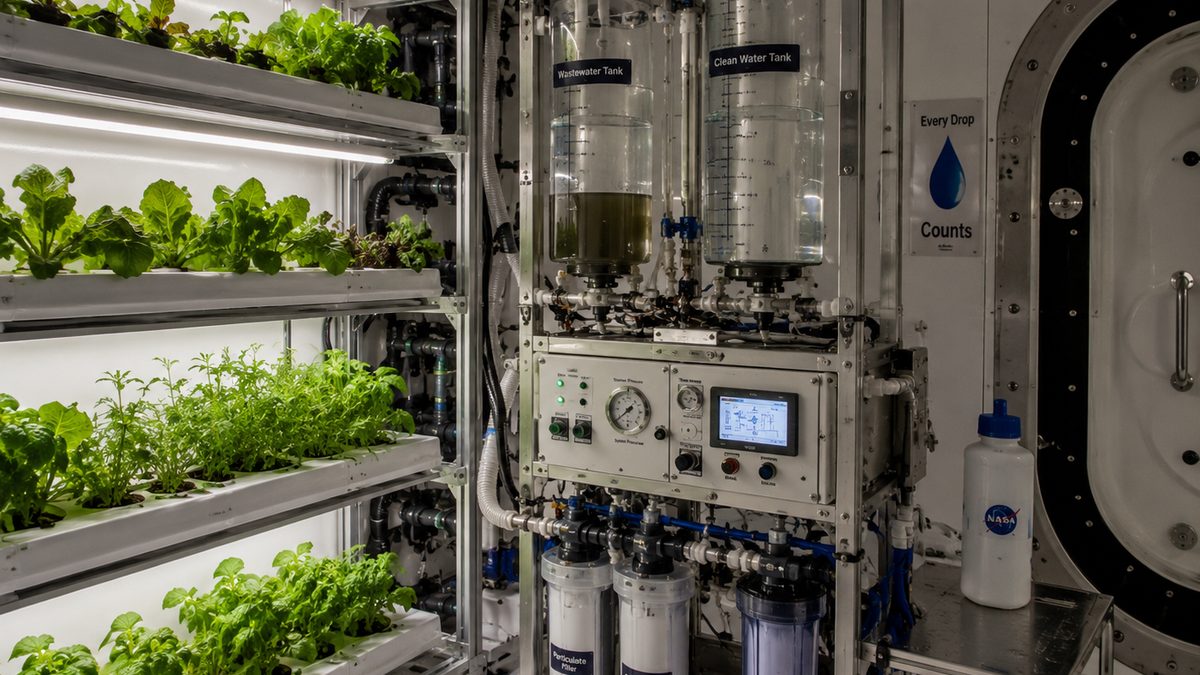
NASA Is Testing a Moon-Base System That Turns Wastewater Into Resources
NASA is testing a wastewater recycling system on Earth to learn how future Moon or Mars crews could recover water, nutrients and growing space from waste.
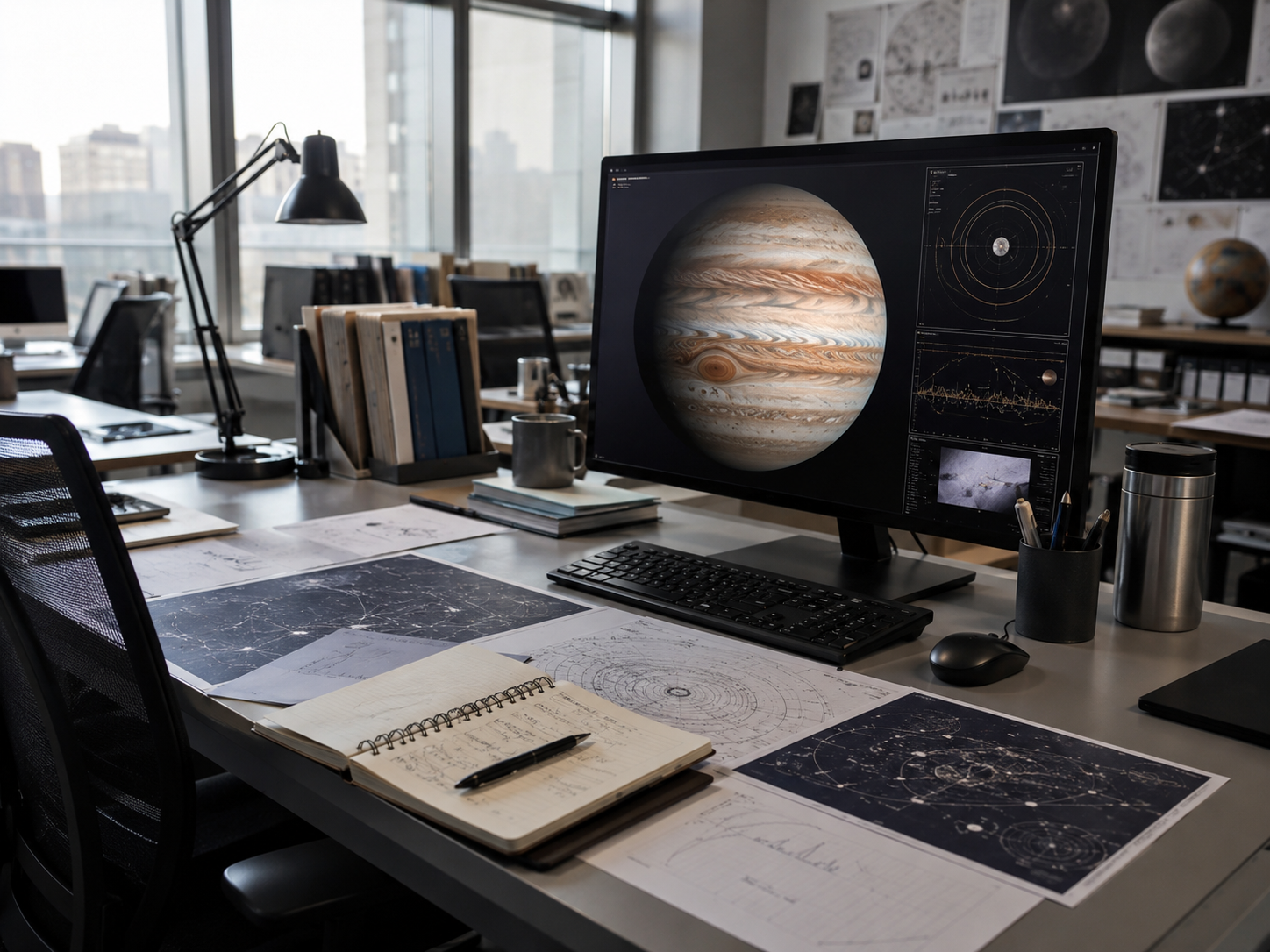
Juno Data Help Explain How Particles Gain Energy Near Jupiter
NASA’s Juno mission has given scientists new evidence about how high-energy particles can accelerate near Jupiter, adding detail to a larger cosmic-ray question that is not yet settled.
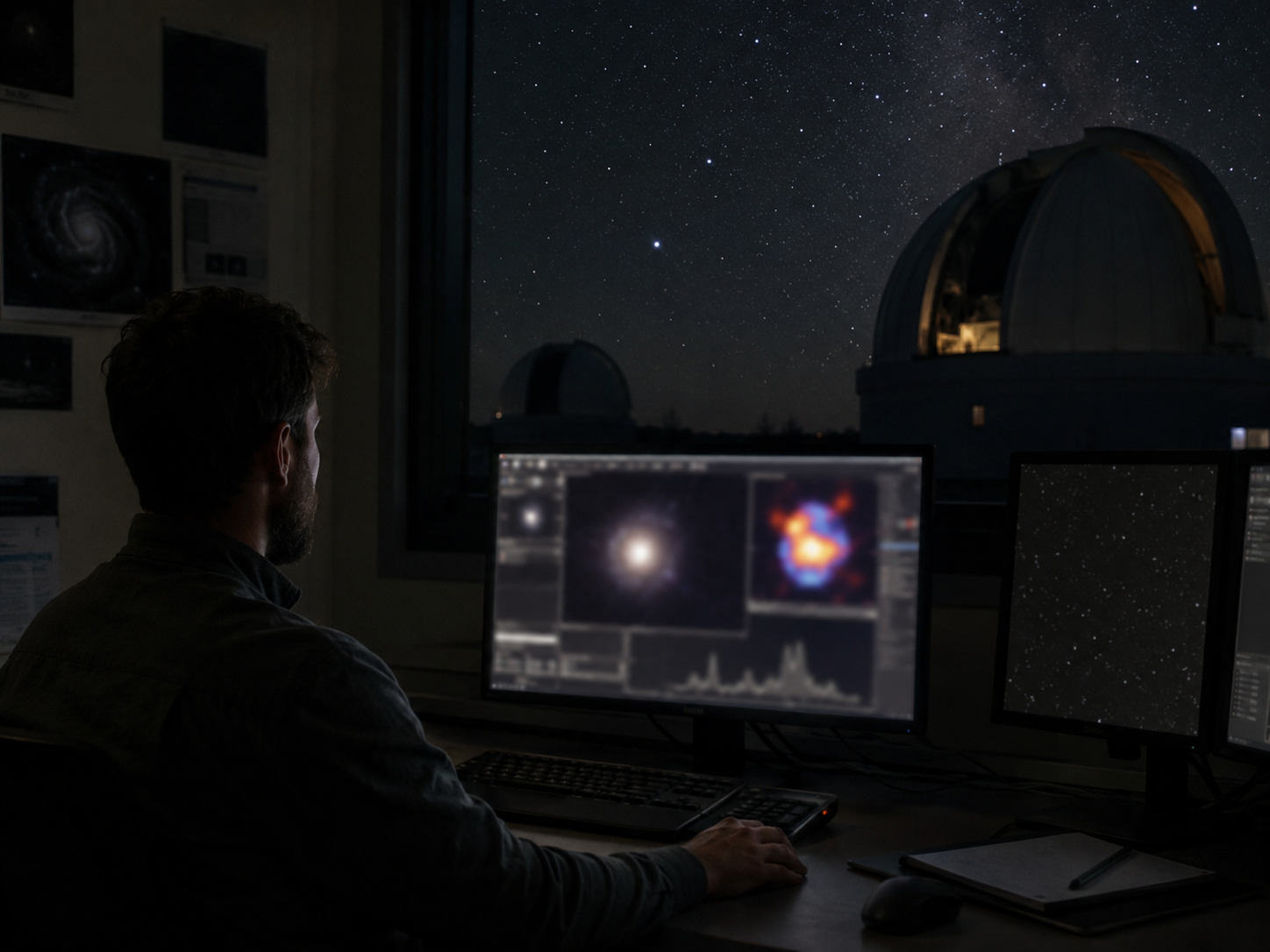
How Scientists Study Distant Planets Without Overpromising Life
NASA explainers show how scientists study exoplanets, what Webb can reveal about atmospheres, and why habitable does not mean inhabited.
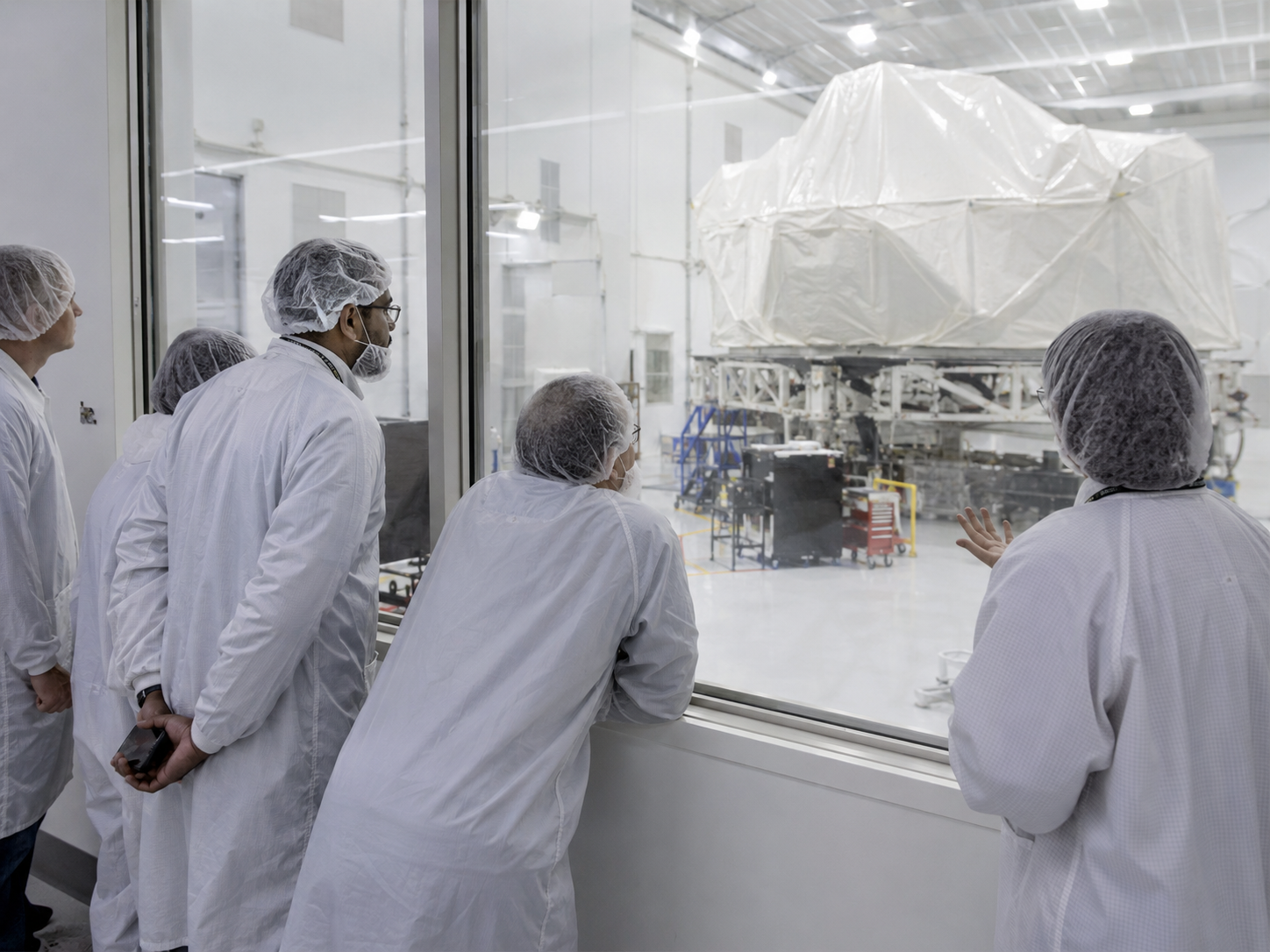
NASA’s Roman Telescope Could Sharpen the Search for Distant Worlds
The Roman Space Telescope is expected to help scientists search less-explored parts of the Milky Way, but its planet count remains an estimate until the mission gathers data.
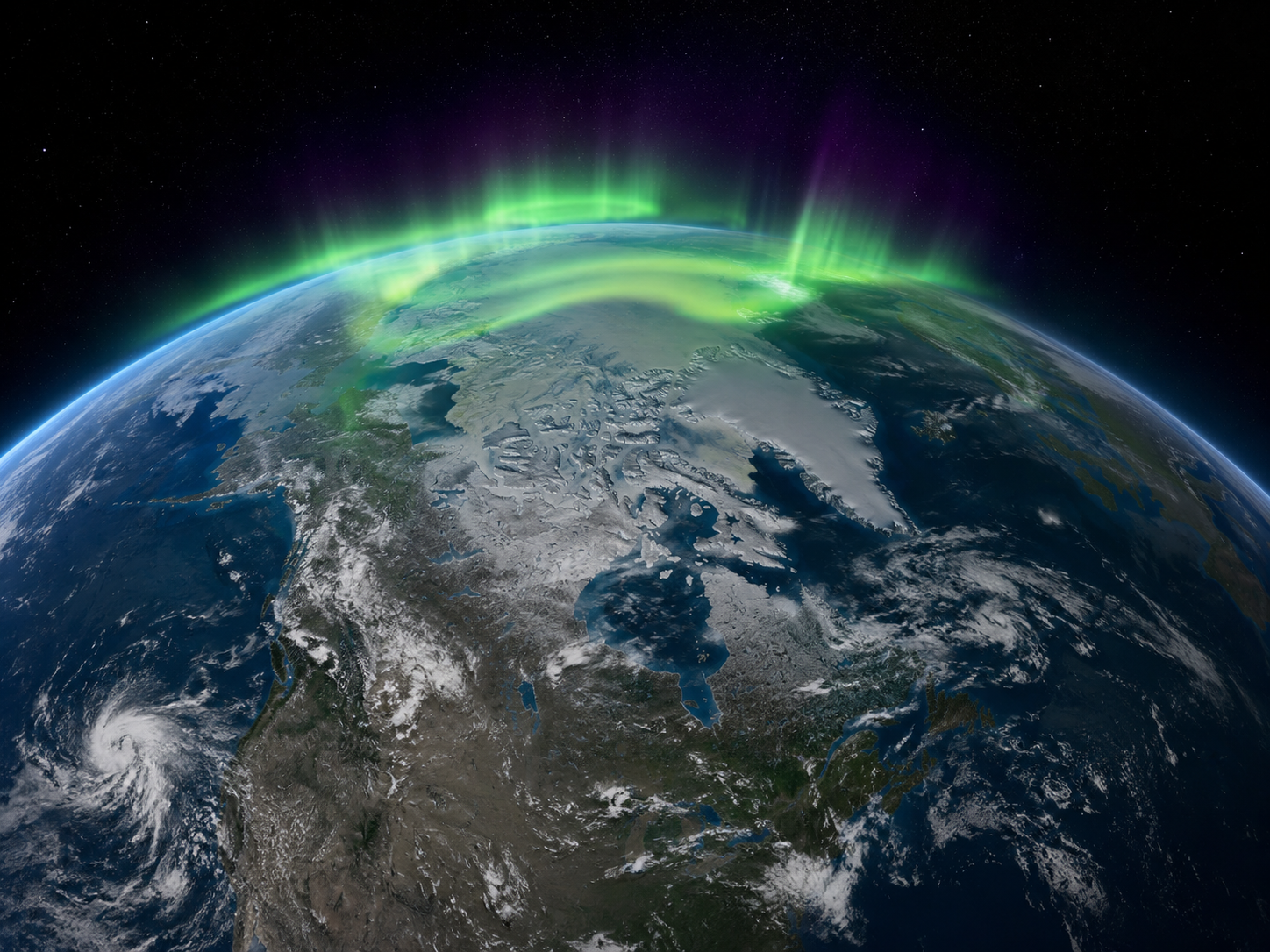
NOAA Space Weather Forecast Shows Why Solar Activity Still Matters on Earth
NOAA's May 28 space-weather forecast showed a modest radio-blackout risk, a reminder that solar activity can affect communications, GPS, satellites and aviation.