
A New 2D Transistor Study Shows How Small Future Chips Can Really Get
A new study of 2D-material transistors looks at a tiny but important chip problem: how efficiently electrons move between contacts and atom-thin materials.

The Sloth's Slow Life May Be Written Into Its Genome
New genome research is helping explain why sloths move through life so slowly, pointing to energy, metabolism and survival rather than laziness.
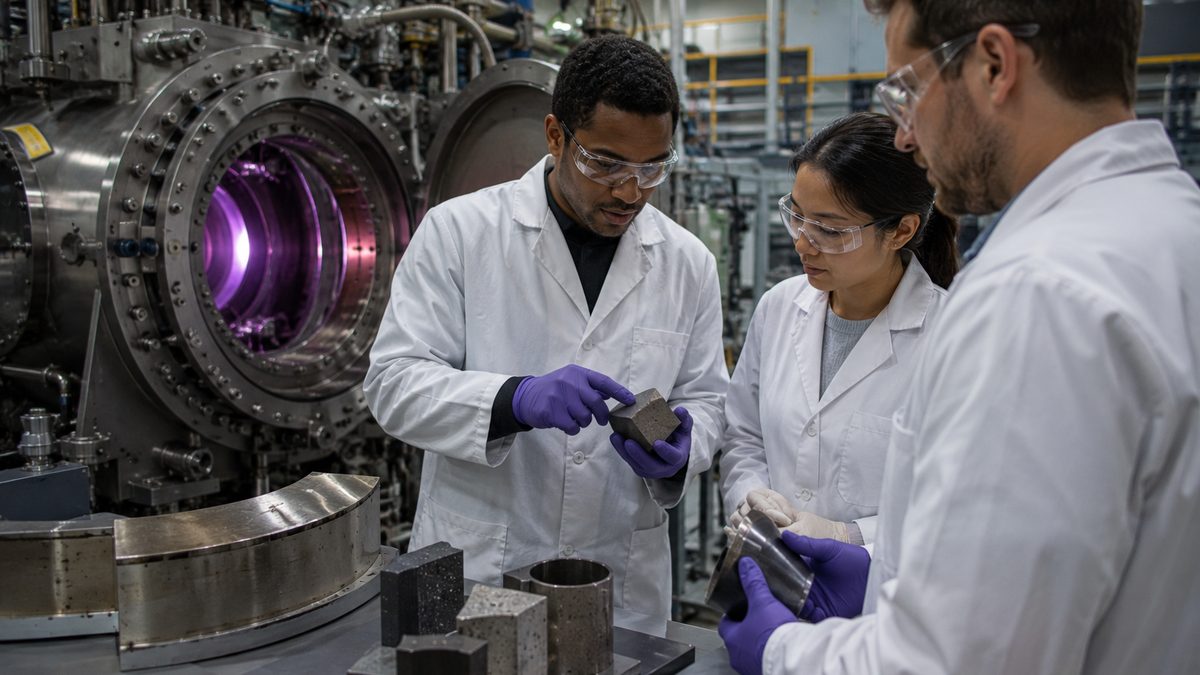
Why Fusion Power Is So Hard When the Fuel Is So Simple
Fusion uses a reaction that powers stars, but turning it into practical electricity means solving hard problems in plasma control, heat and materials.
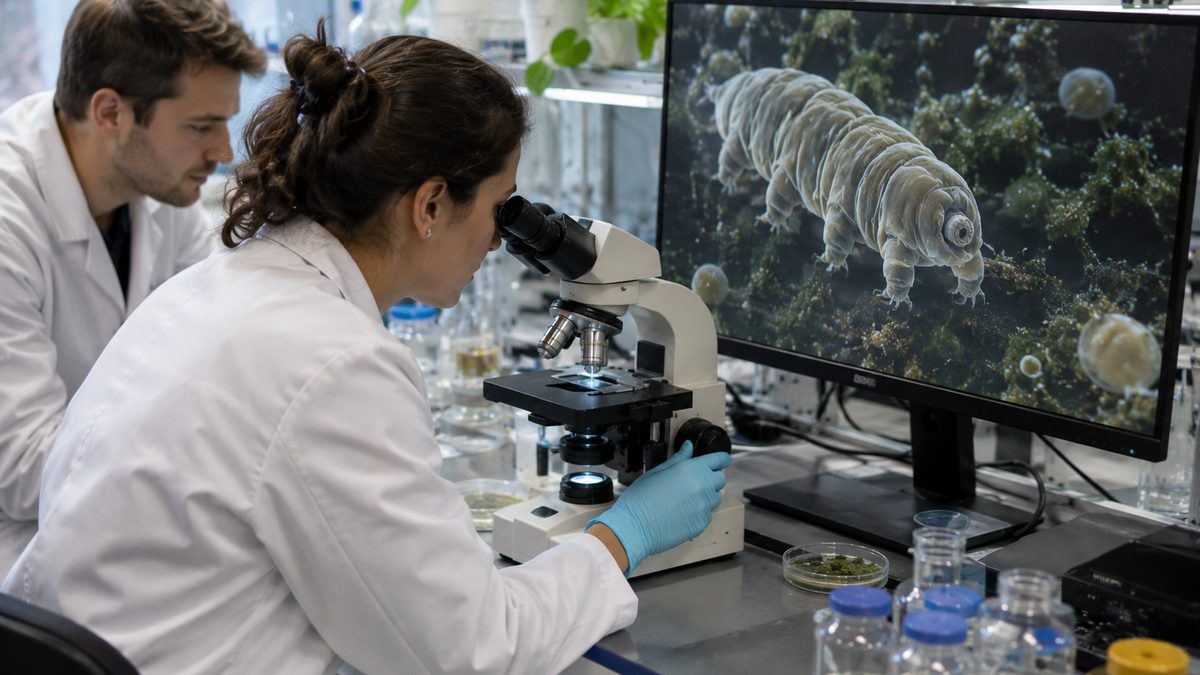
How Tardigrades Survive Conditions That Would Kill Almost Anything Else
Tardigrades are famous for surviving extreme stress, but they are not indestructible. Their real trick is slowing life down when conditions turn brutal.
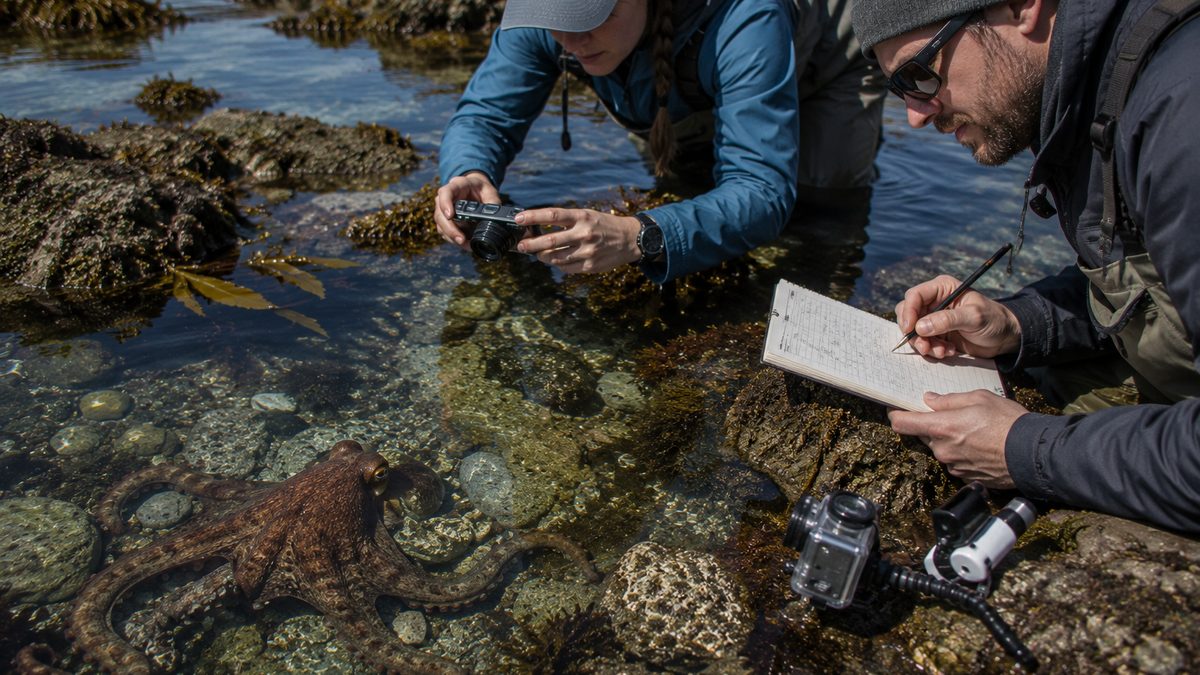
Octopuses May Be the Closest Thing on Earth to an Alien Kind of Intelligence
Octopuses evolved intelligence along a completely different evolutionary path than mammals, giving scientists a rare opportunity to study how complex minds can develop in surprisingly different ways.

What Would Happen if Gravity Suddenly Became 10 Percent Stronger?
A modest increase in Earth's gravity might not sound dramatic, but physicists say even a 10 percent change would affect everything from human movement to transportation and weather.

The People Who Can Remember Nearly Every Day of Their Lives
A rare condition known as hyperthymesia allows some people to recall extraordinary details from their past, offering researchers a unique window into how human memory works.
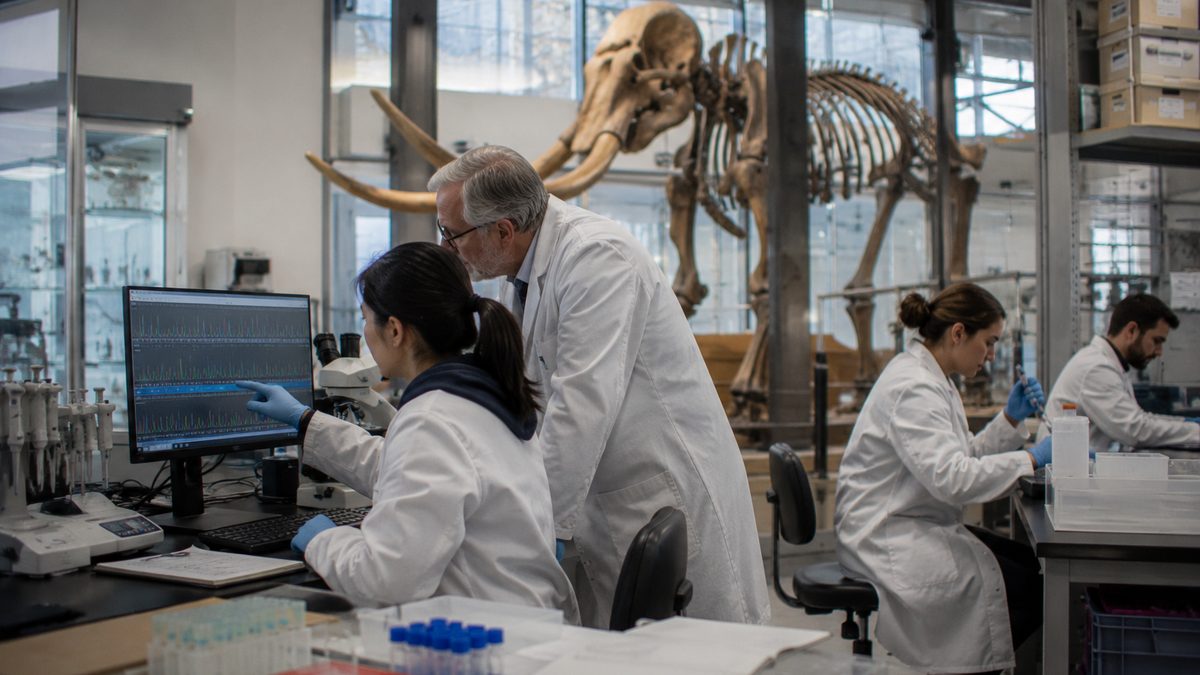
Could Mammoths Really Come Back? What De-Extinction Science Can and Cannot Do
Scientists are working to recreate traits of the woolly mammoth using modern genetics, but important scientific, ecological and ethical questions remain unanswered.
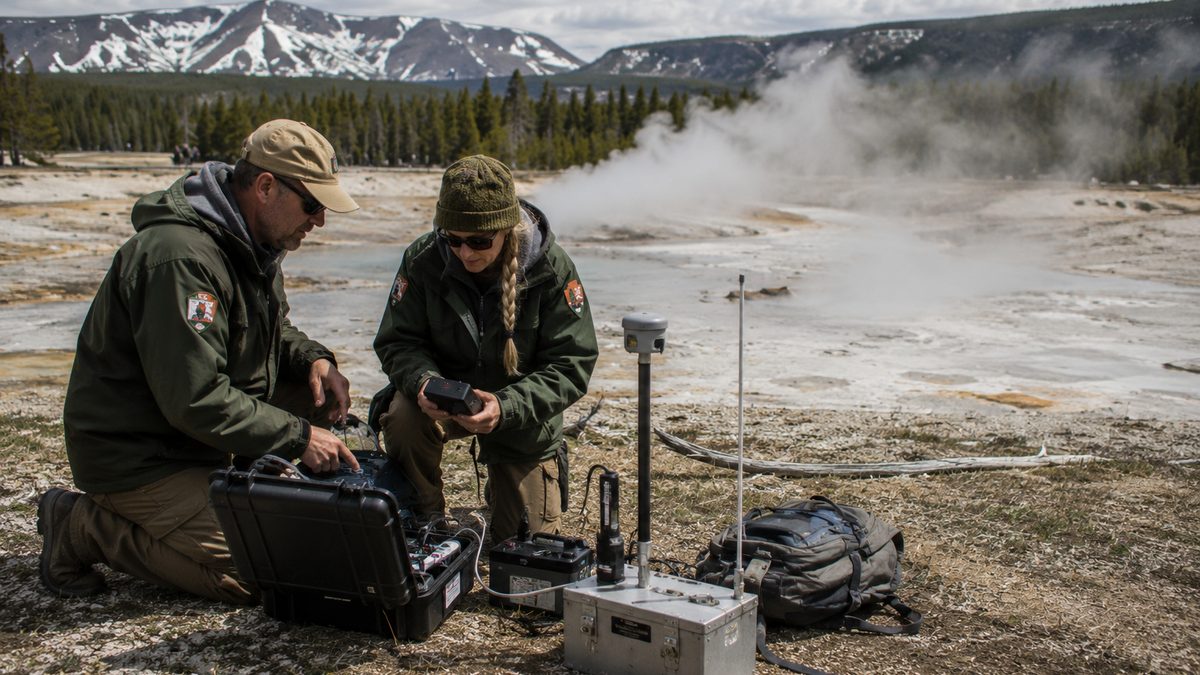
The Yellowstone Supervolcano: What Scientists Actually Worry About
Yellowstone is one of the world's most studied volcanic systems, but many popular claims about an imminent super-eruption do not match what scientists are actually observing.

Why Batteries Wear Out Even When You Are Not Using Them
Rechargeable batteries age because chemical reactions continue inside them, even when a phone, laptop or tool is sitting unused in a drawer.

Why Your Brain Thinks Time Moves Faster as You Get Older
Scientists do not point to one simple clock in the brain, but research on memory, attention, routine and aging helps explain why years can feel shorter with age.
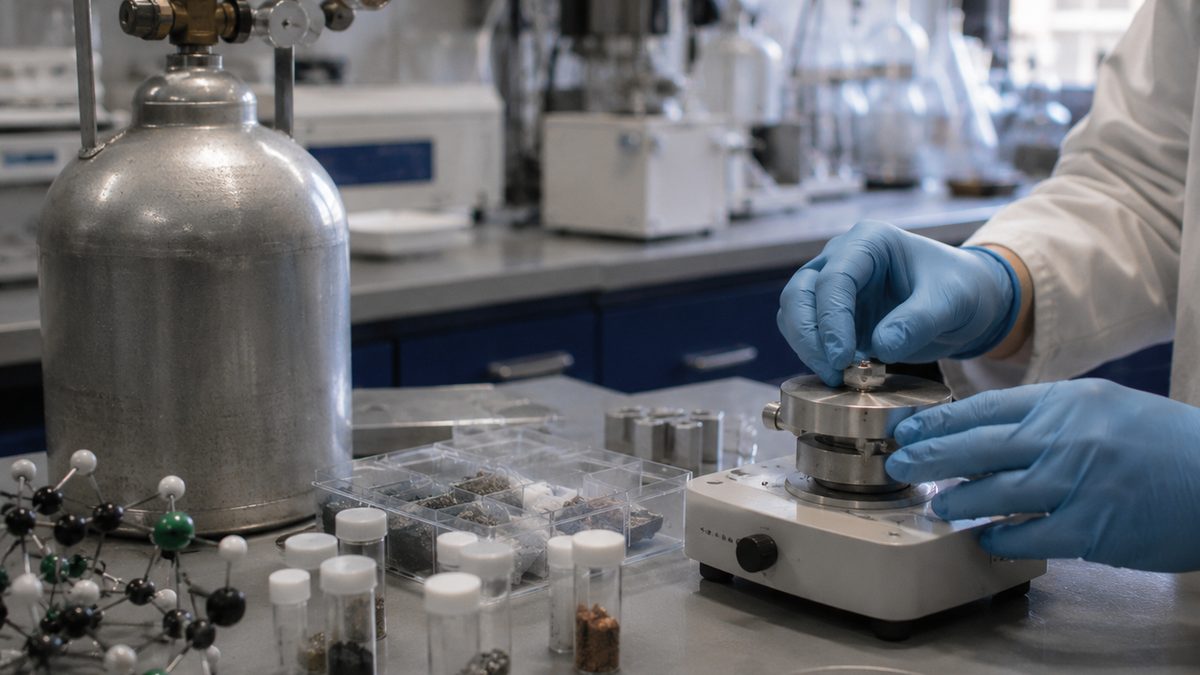
New Porous Materials Could Store More Methane in Less Space
New materials-science research points to porous frameworks that may improve methane storage, but more testing is needed before practical use.
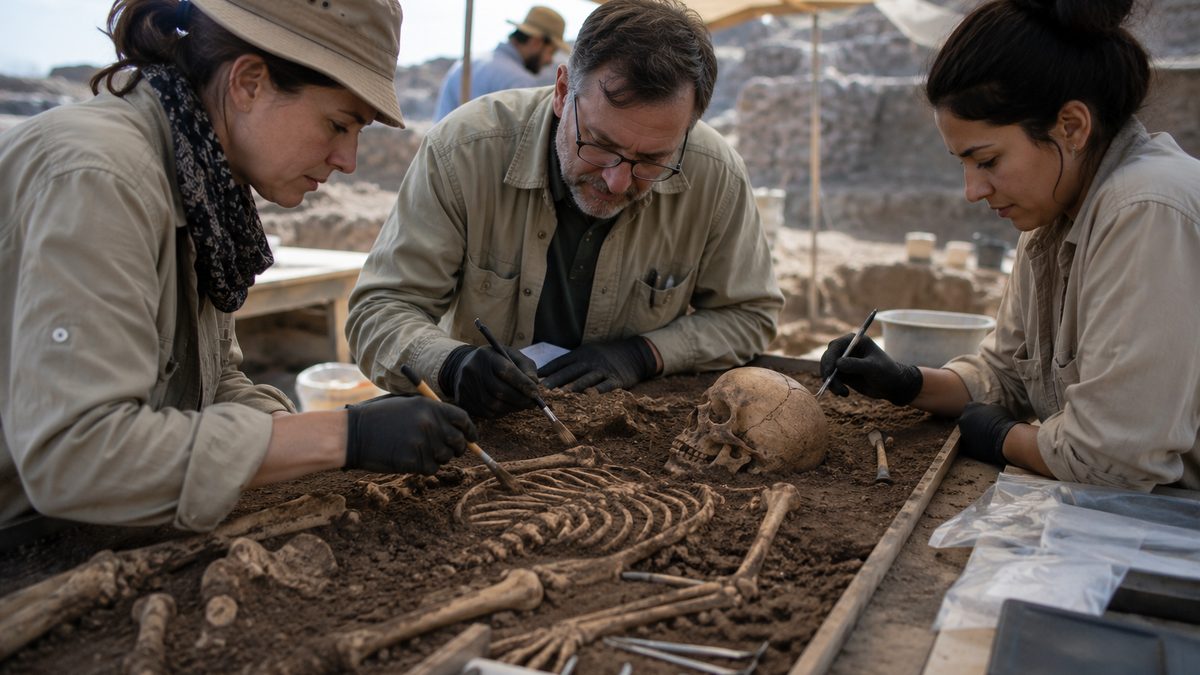
Ancient DNA Shows Plague Was Killing Humans 5,500 Years Ago
New ancient DNA reporting suggests plague was killing humans thousands of years before the crowded city conditions linked to later outbreaks.
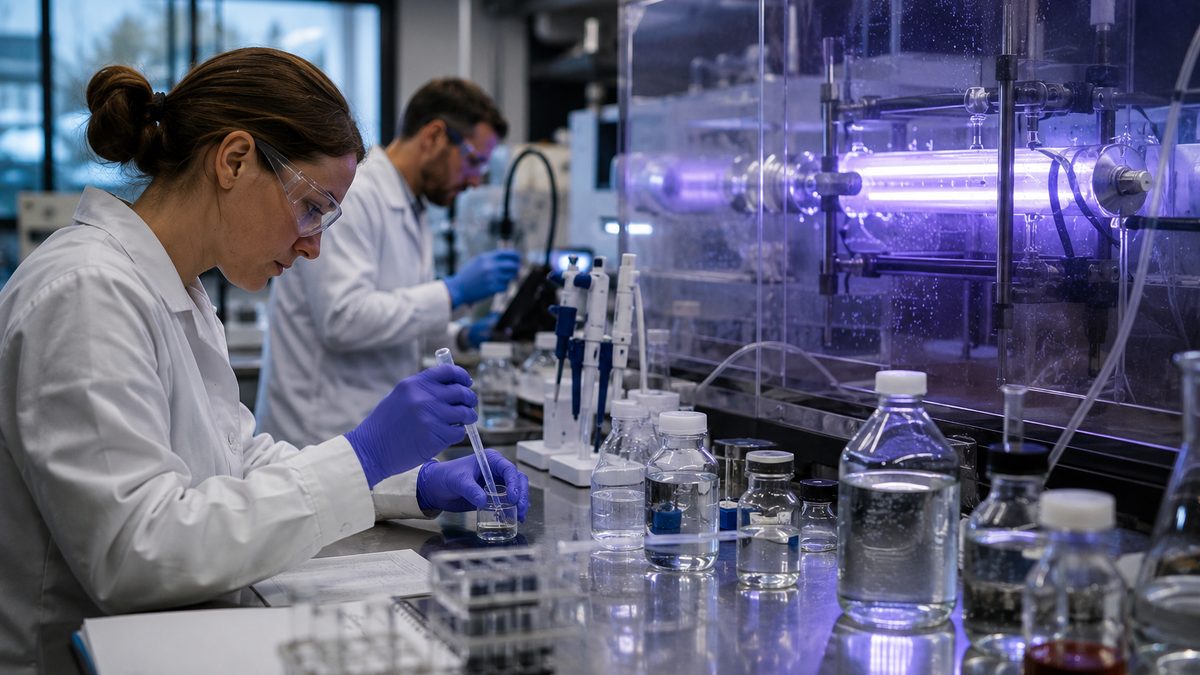
Scientists Found a New Clue for Breaking Down Forever Chemicals
Researchers studying PFAS pollution identified a chemical process involving hydrogen radicals that may help explain how some treatment methods can break down the stubborn compounds rather than simply capture them.

The August 2026 Solar Eclipse Could Turn Sunset Into One of the Sky's Rarest Sights
A total solar eclipse will cross parts of the Northern Hemisphere on August 12, 2026, creating an unusual opportunity for some observers to see totality as the Sun sits low near the horizon.
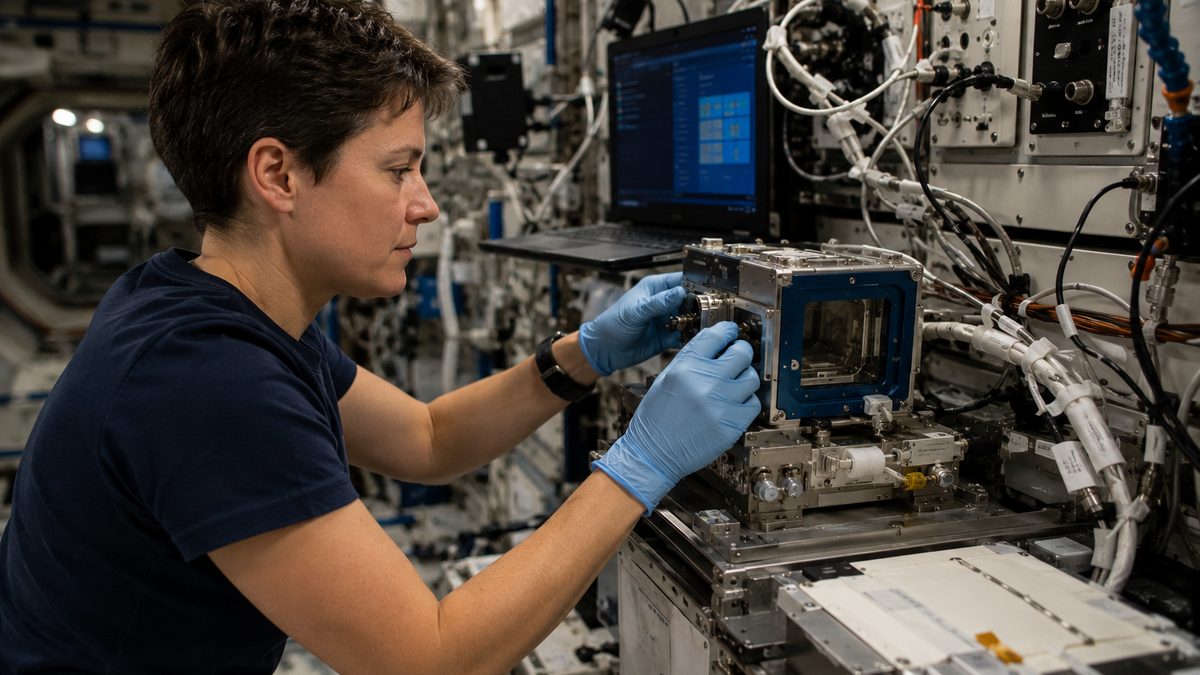
Why NASA Put One of the Coldest Laboratories Ever Built Into Orbit
NASA has activated an upgraded version of its Cold Atom Lab aboard the International Space Station, giving researchers new ways to study matter at temperatures just above absolute zero and explore questions at the edge of quantum physics.
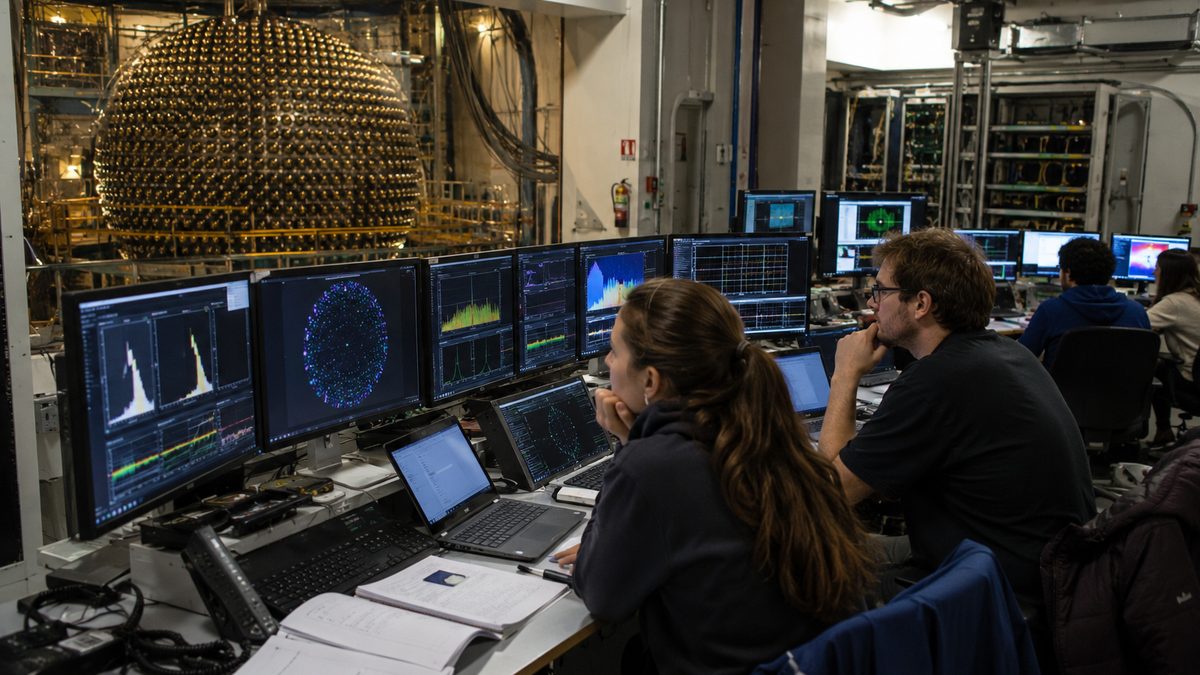
Why Physicists Are Watching a Giant Underground Detector for Clues About Neutrinos
Early results from one of the world's largest neutrino experiments show improved measurement precision and offer a glimpse into a long-running mystery in particle physics.

Tiny Seabirds May Use Smell to Find Food Across the Open Ocean
NASA-funded research suggests Mediterranean storm petrels may choose crosswind flight paths because moving air carries odor clues that help them find food at sea.