Why Batteries Wear Out Even When You Are Not Using Them
Rechargeable batteries age because chemical reactions continue inside them, even when a phone, laptop or tool is sitting unused in a drawer.
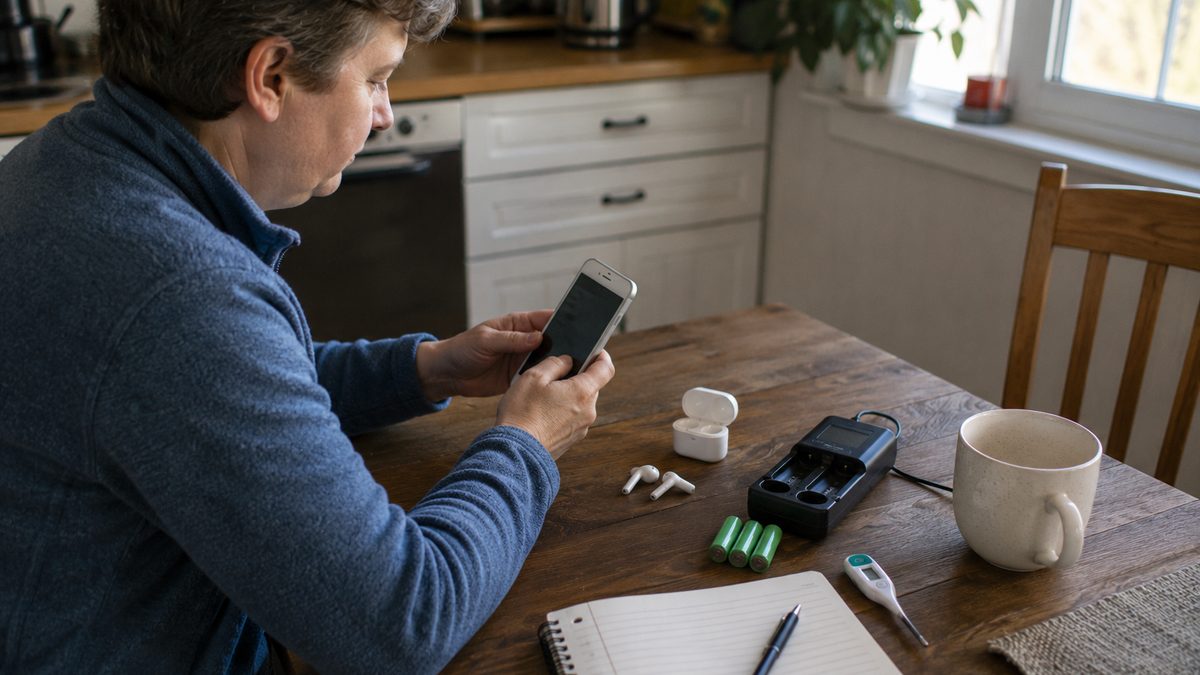
Rechargeable batteries can lose capacity over time because chemical changes continue even when devices are not being used. Editorial illustration by TheDailyGlobe.
Key Facts
- Rechargeable batteries lose capacity as chemical changes build up inside the cell over time.
- Battery aging can continue even when a device is not being used.
- Heat can speed up battery degradation and reduce long-term capacity.
- Keeping a battery fully charged or fully drained for long periods can add stress, depending on the battery type and device design.
- Storage recommendations depend on the device and battery chemistry, but cool conditions and partial charge are often better than heat and extremes.
A phone can sit in a drawer for months and still come back worse than before. A laptop that worked fine last year may suddenly drain faster. A cordless tool battery may feel weaker even if it was barely used.
That can seem unfair. If the battery was not doing any work, why did it age?
The answer is that rechargeable batteries are not frozen objects. They are small chemical systems, and chemical changes can continue even when a device is turned off. Time, temperature, charge level, storage conditions and ordinary use all affect how much energy a battery can hold later.
A Battery Is Chemistry, Not a Fuel Tank
It is tempting to think of a battery like a tiny gas tank. Charge it up, use the energy, refill it, and repeat. But a battery is more complicated than that.
In a rechargeable lithium-ion battery, energy is stored and released through controlled movement of ions between parts of the cell. Each charge and discharge cycle moves material around inside the battery. Over time, that movement can create chemical and structural changes that make the battery less able to store energy.
Some of those changes happen during use. Others can happen slowly while the battery is sitting. That is why a battery can age in two ways: from cycles, meaning charge and discharge, and from calendar aging, meaning the passage of time.
That second kind of aging is the reason a battery can decline even in a drawer. The device may be off, but the chemistry is not completely paused.
Why Sitting Unused Can Still Cause Wear
Inside a battery, small side reactions can continue over time. Those reactions may consume active material, change internal surfaces or make it harder for ions to move efficiently. The result is less usable capacity.
This is not usually dramatic overnight. It is gradual. A battery that sits for a week may not show much change. A battery that sits for a year, especially in poor conditions, may come back noticeably weaker.
The charge level during storage also matters. A battery stored completely full may be under more chemical stress than one stored at a moderate level. A battery stored completely empty can also create problems, because some devices continue to draw tiny amounts of power even when they appear off. If the battery falls too low, it may be harder or impossible to recover.
Heat Is One of the Biggest Enemies
Heat speeds up many chemical reactions, and that includes unwanted reactions inside batteries. A phone left in a hot car, a laptop stored near a heater or a power-tool battery kept in a hot garage may lose capacity faster than the same battery stored in a cooler place.
Heat can be especially damaging when combined with a high state of charge. A fully charged battery sitting in a hot environment is under more stress than a partially charged battery stored in a cool room.
Cold has its own limits. A device may perform worse temporarily in very cold conditions, and charging rules can be different when a battery is cold. But for long-term aging, heat is one of the conditions readers should take seriously.
Charging Habits Matter, But Myths Get in the Way
Battery advice can be confusing because older battery types had different problems, and many habits from the past still get repeated.
Modern lithium-ion batteries generally do not need the old routine of fully draining before every recharge. In fact, repeatedly running a battery to zero can be harder on many modern devices than topping up more moderately.
That does not mean people need to obsess over every percentage point. Phones, laptops and chargers are designed with battery management systems that reduce some risks. But habits still matter over time. Constant heat, constant full charge, deep discharge and long storage in poor conditions can all add stress.
The useful middle ground is simple: avoid extremes when practical. Do not turn battery care into a full-time job, but do not store an expensive device fully dead in a hot drawer and expect the battery to come back like new.
How to Store Devices Better
For devices that will sit unused, the best approach is usually boring and practical. Store them in a cool, dry place. Avoid direct sun, hot cars, attics and garages that swing through extreme temperatures.
If the device allows it, store the battery partly charged rather than completely full or completely empty. Many manufacturers recommend a middle charge range for long-term storage, though the exact recommendation can vary by product.
It also helps to check stored devices occasionally. A battery slowly loses charge over time, and some devices draw small amounts of power even when off. Recharging occasionally can help prevent the battery from falling too low.
For removable batteries, readers should follow the manufacturer's safety and storage instructions. Damaged, swollen, leaking or overheating batteries should be treated carefully and not forced back into use.
What Remains Unclear
Battery aging is not identical across every device. Chemistry, design, temperature, software, charging electronics, usage pattern and manufacturing quality all affect how long a battery lasts.
That is why two people can buy similar devices and have different battery experiences. One phone may spend its life in a cool office with moderate charging. Another may sit on a car dashboard, fast-charge often and run hot during games or navigation. The difference may show up months later as shorter battery life.
The practical takeaway is not that batteries are fragile mysteries. It is that they are chemistry. They age with time, use and storage conditions. To slow the decline, keep devices away from heat, avoid long periods at empty or full charge when practical, and remember that a battery sitting unused is still quietly changing inside.
Reporting note: Reporting draws on U.S. Department of Energy materials, Argonne National Laboratory battery research, Battery University guidance, Nature Energy research context, and reviewed background materials. This article was produced with AI-assisted research and reviewed by an editor before publication.