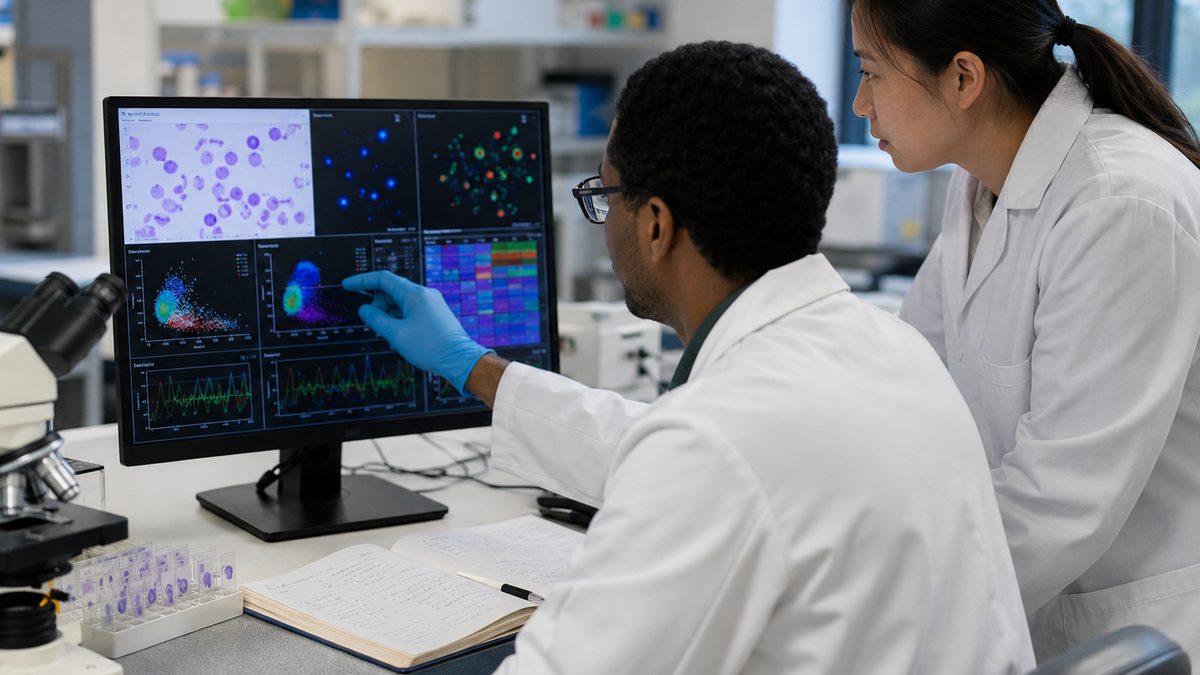
New Malaria Research Finds Immune Targets Across the Parasite's Life Cycle
A new study identifies malaria immune targets that may help researchers understand how future vaccines could better address the parasite's complex life cycle.

Your Body Has More Than One Clock, and Light Is Only Part of the System
Circadian rhythms are not just about bedtime. The brain, body, light, meals and daily routine all help time sleep, metabolism and daily function.

What Happens to the Human Body During One Year in Space?
Astronauts can spend months aboard the International Space Station, but living without gravity changes the human body in ways researchers are still working to understand.
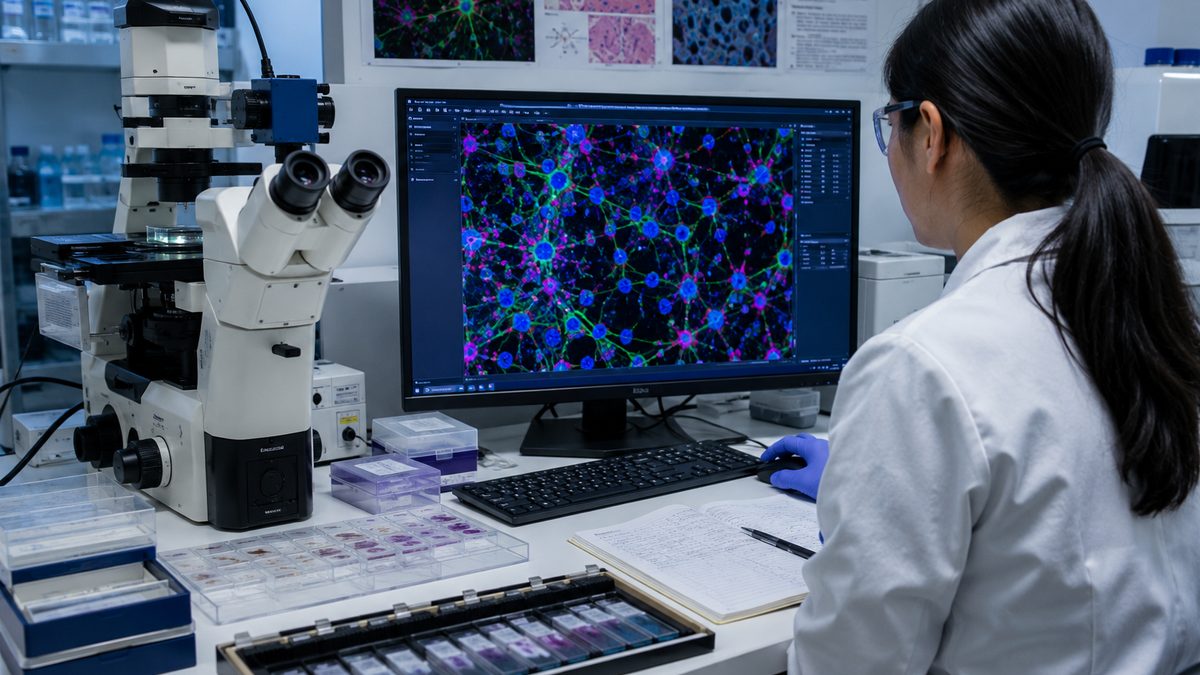
A New Brain Aneurysm Cell Atlas Offers Clues About Why Some Blood Vessels Become Vulnerable
Researchers have created a detailed cellular map of brain aneurysm tissue, offering new insight into how certain blood vessel walls may become fragile over time.
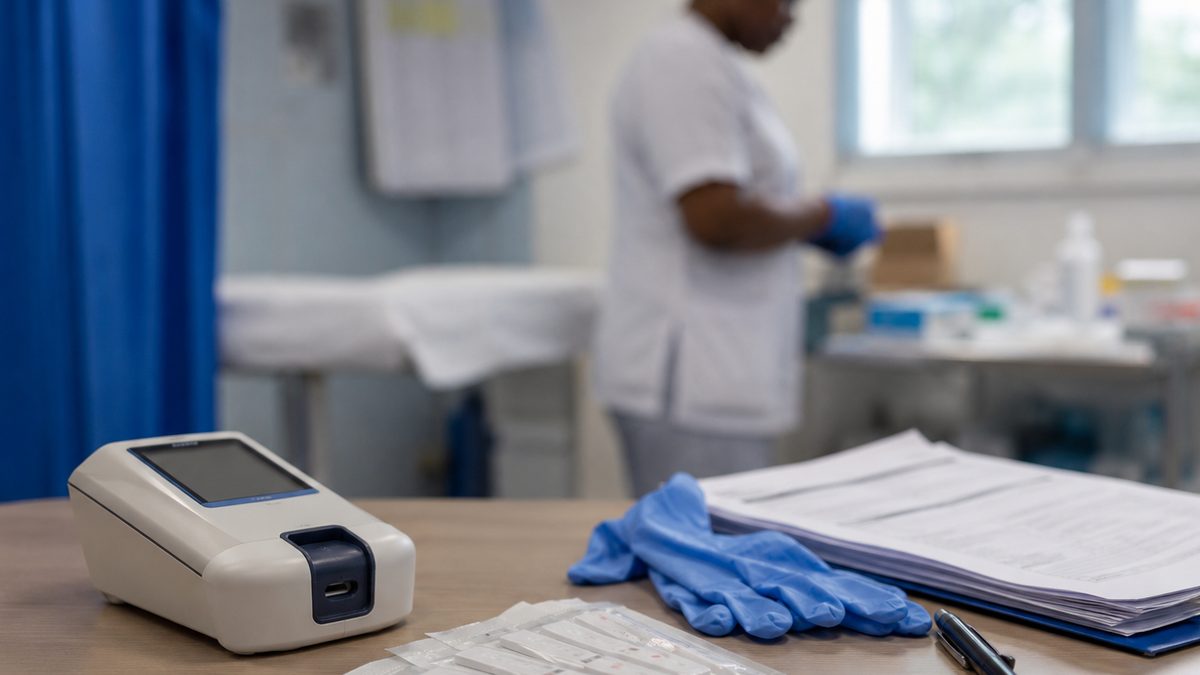
Portable TB Test Could Help Clinics Get Answers While Patients Are Still There
NIH says a portable tuberculosis test produced rapid, accurate results in a multi-country study, but real-world adoption and missed cases remain important questions.

Children's Medical Costs Can Strain More Than a Family Budget
A new JAMA Network Open study looks at how out-of-pocket health costs connect with household needs among families with children, a reminder that medical bills can affect more than care itself.
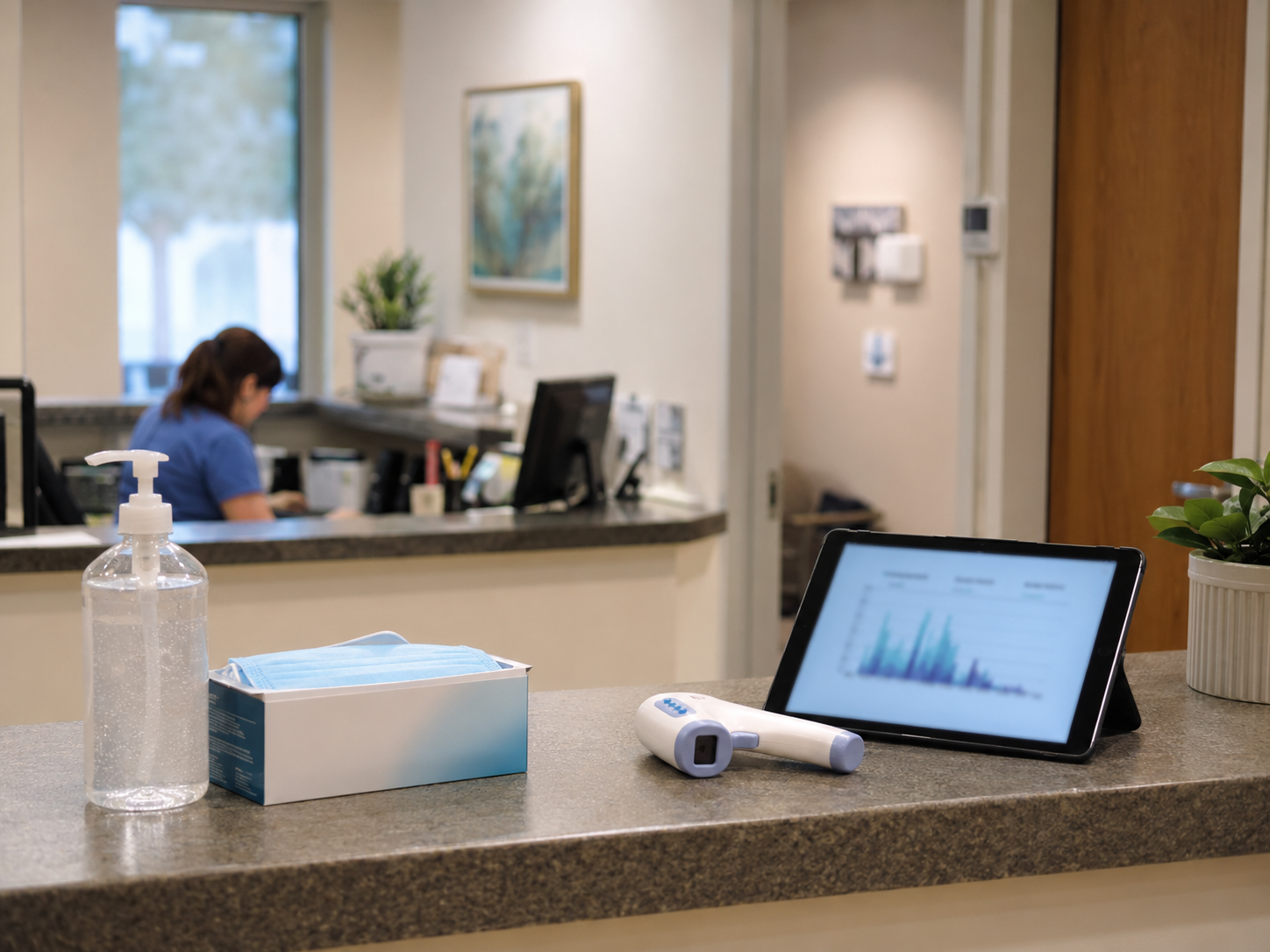
CDC Says Respiratory Virus Activity Is Low as Summer Begins
The latest CDC update shows low national activity for COVID-19, flu, and RSV, but local conditions and individual risk still matter.
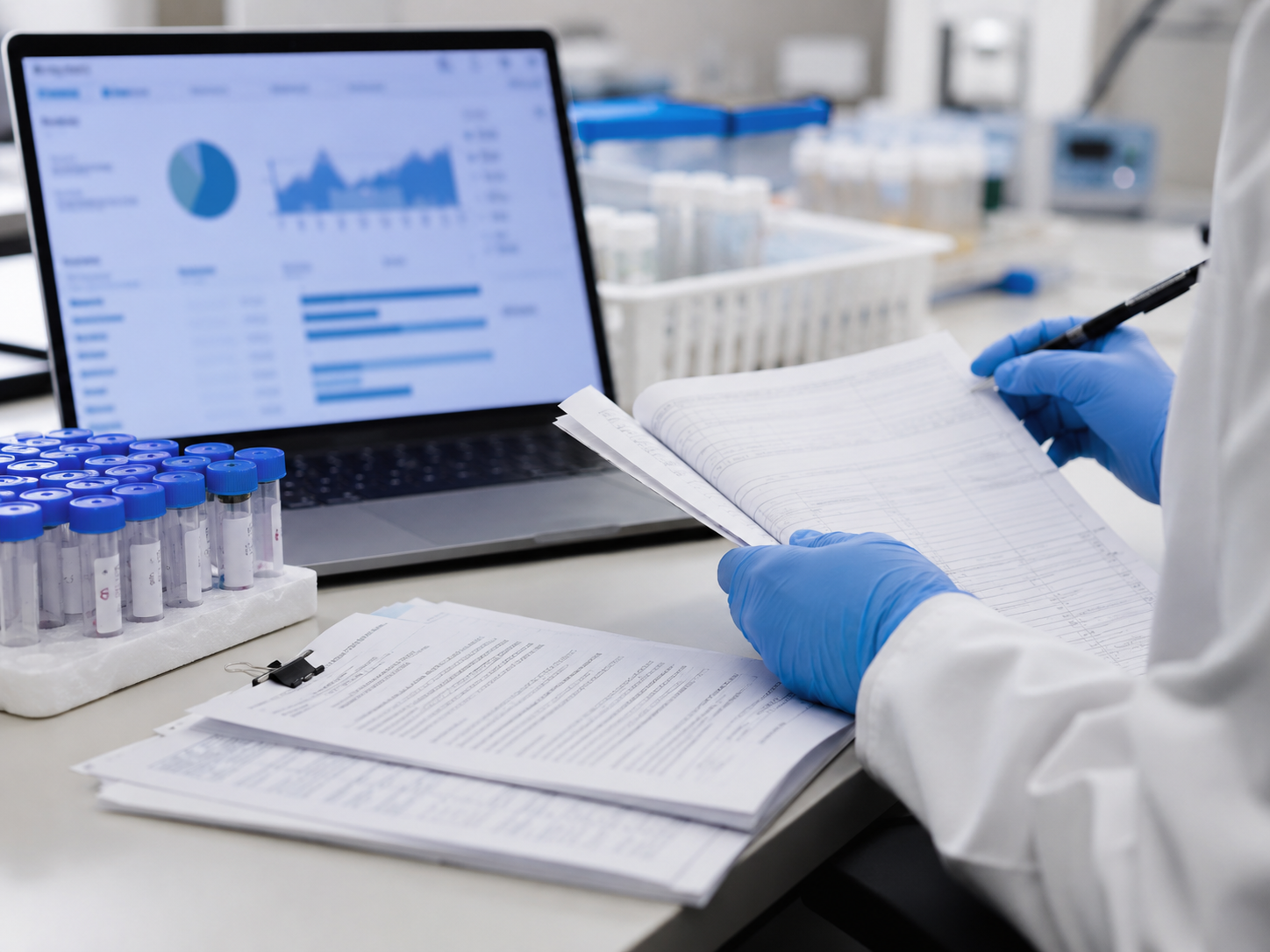
NIH Moves Purified Kratom Compound Into First Human Safety Trial
The federal research step allows an early Phase I study of purified mitragynine, but it does not mean the compound is proven or approved.
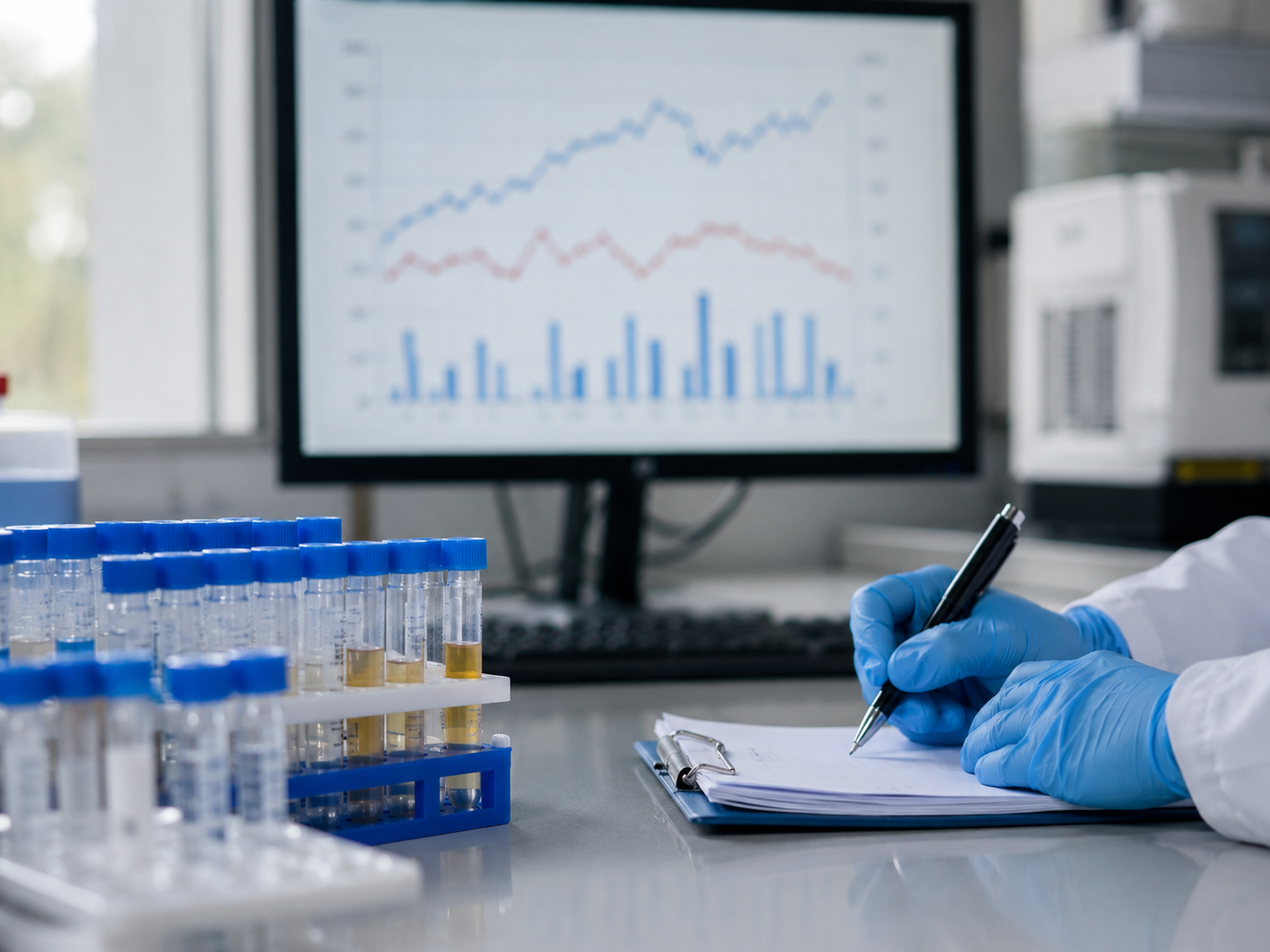
New Research Links Climate Shifts With Rising Antibiotic-Resistance Risk
New research on Salmonella adds to evidence that climate shifts may put more pressure on antibiotic resistance, a public-health problem already shaped by drug use, sanitation and food safety.
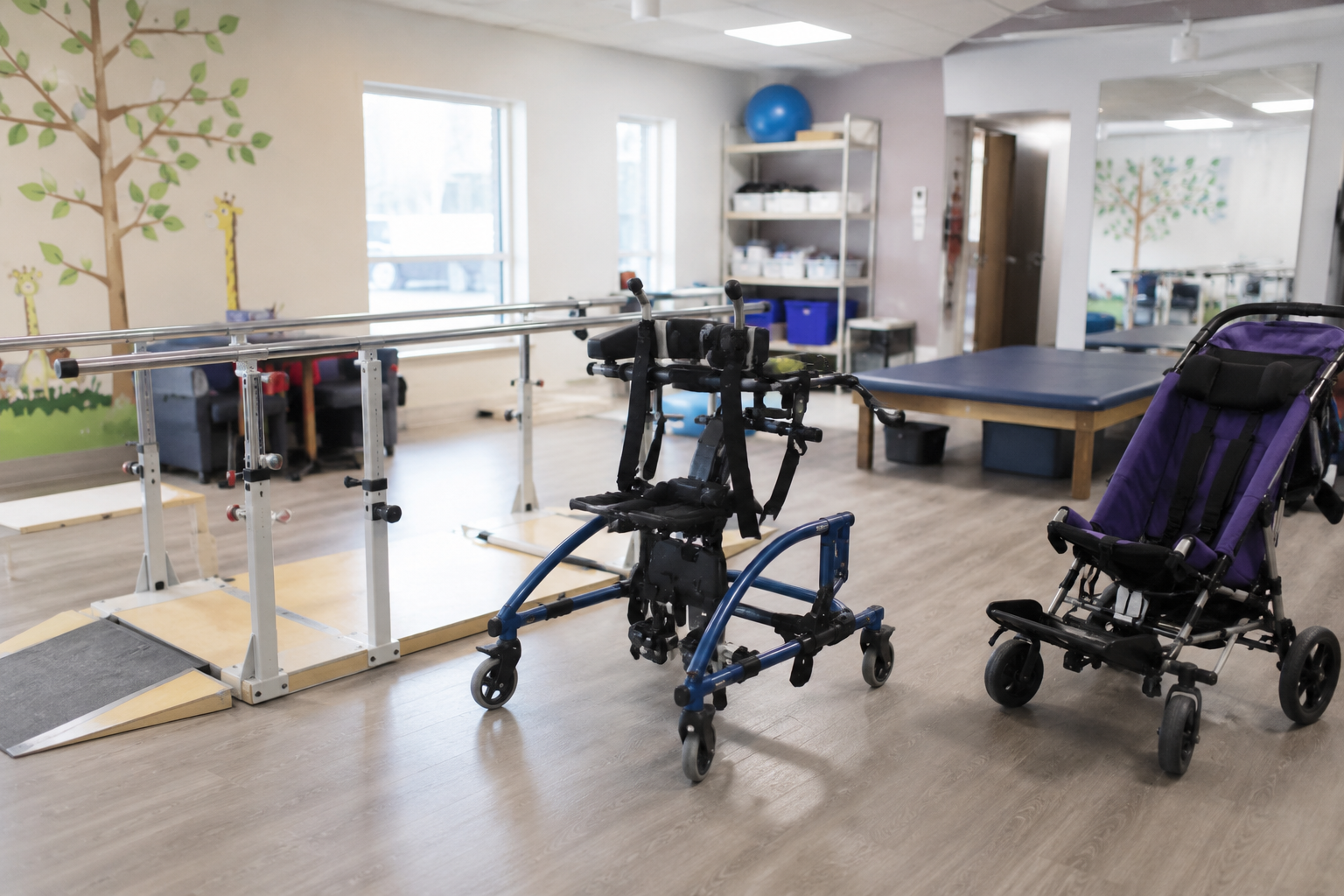
Small Trial Points to Mobility Gains in Rare Bone Disorder Treatment
A small open-label trial found improved phosphate levels and mobility measures after 48 weeks of burosumab treatment, but larger studies are still needed.
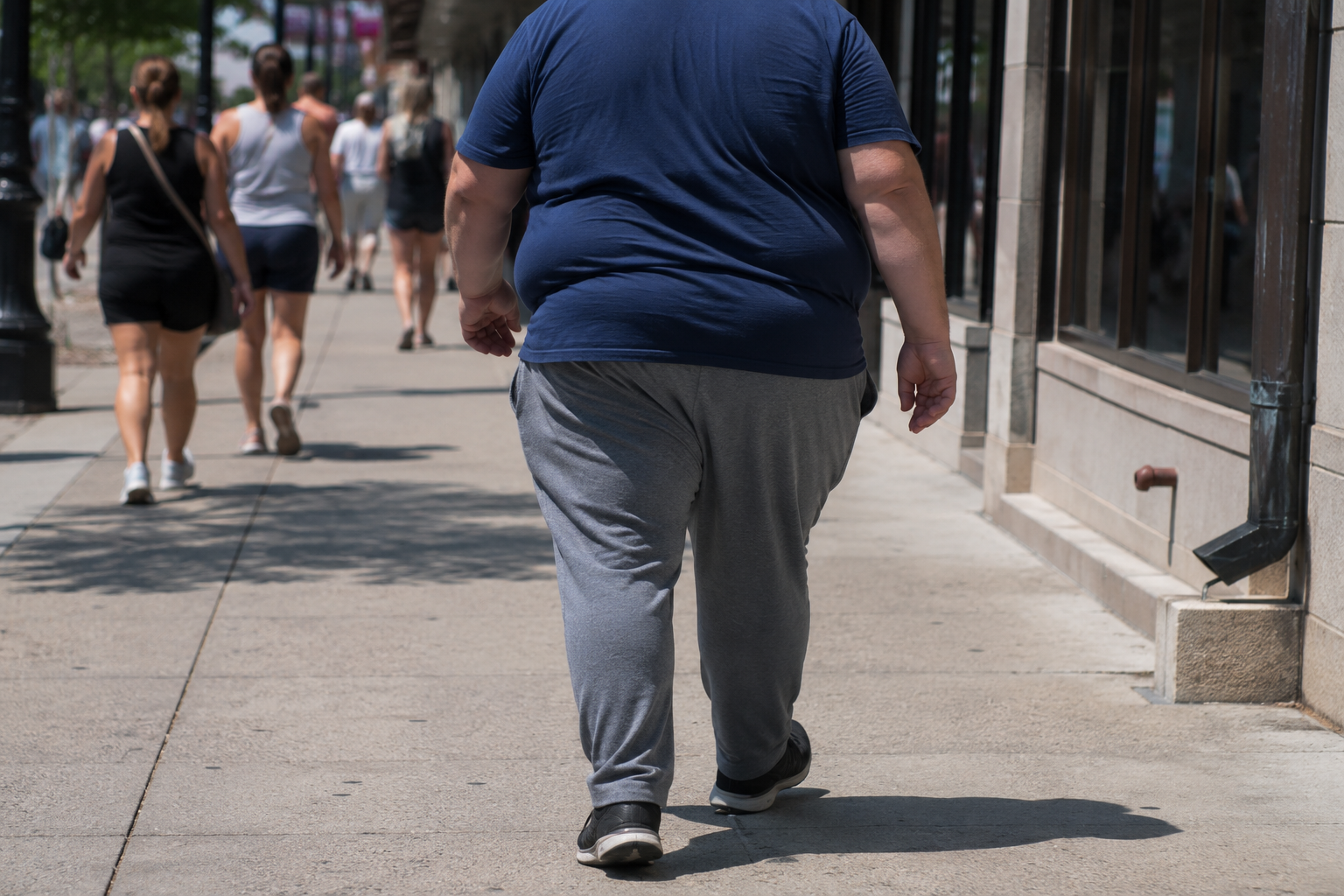
NIH Study Adds Detail to How GLP-1 Drugs Affect Appetite Circuits
A new NIH-supported mouse study offers a closer look at how semaglutide acts inside brain cells, but researchers say the findings do not yet change patient care.
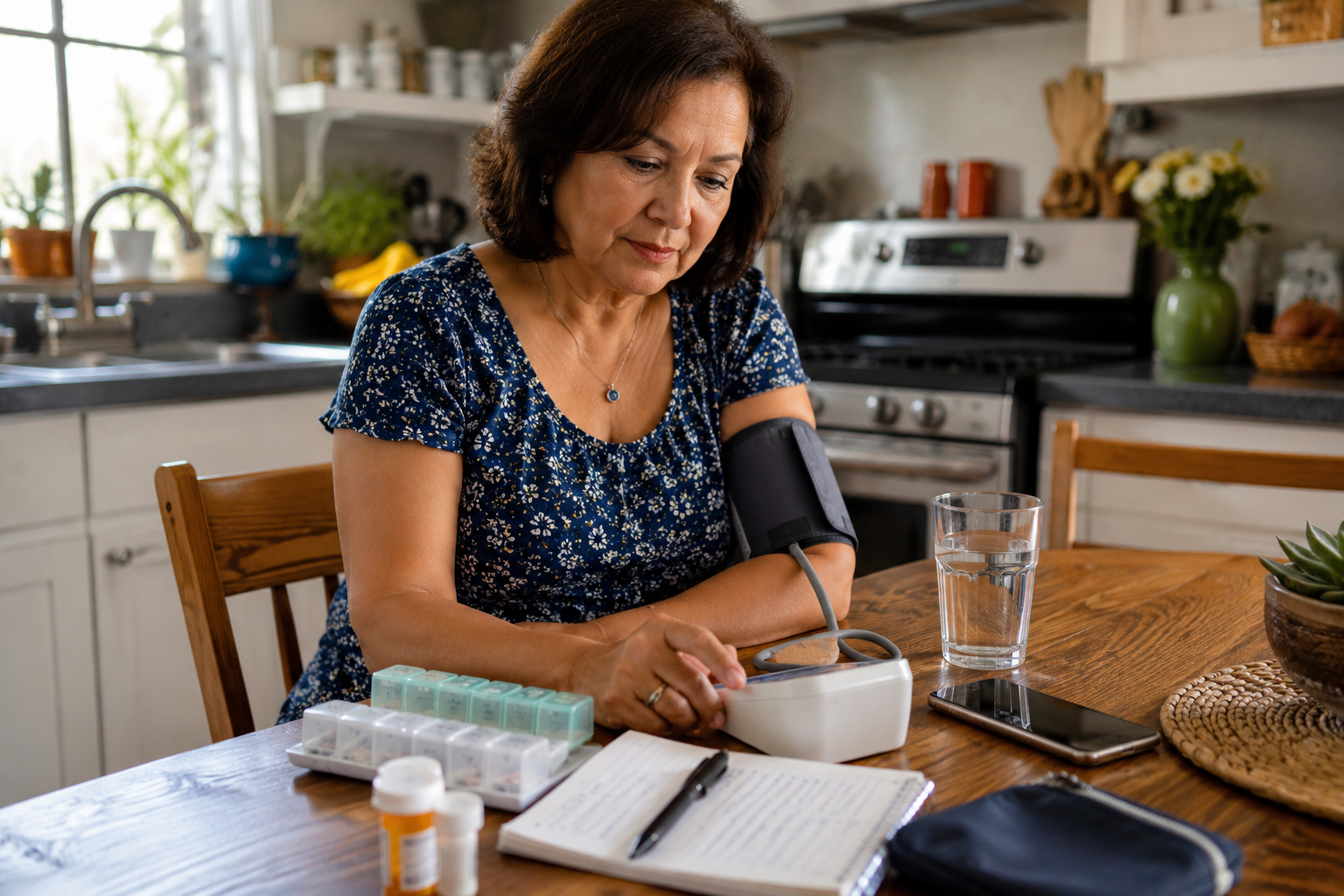
Team-Based Care Study Points to a Practical Way to Lower Blood Pressure
NIH-supported research found that coordinated care, home monitoring and coaching helped low-income patients with uncontrolled hypertension lower blood pressure.

New Food-Safety Review Puts High-Heat Cooking Risks in Context
Research on chemicals formed during grilling, frying and smoking shows why cooking method matters, but scientists caution against turning normal meals into panic.

Sleep Is Not a Luxury. It Is One of the Body’s Most Important Health Tools
Research continues to show that sleep supports the brain, heart, mood, metabolism, immune system, and everyday safety.