NIH Study Adds Detail to How GLP-1 Drugs Affect Appetite Circuits
A new NIH-supported mouse study offers a closer look at how semaglutide acts inside brain cells, but researchers say the findings do not yet change patient care.
Save Article

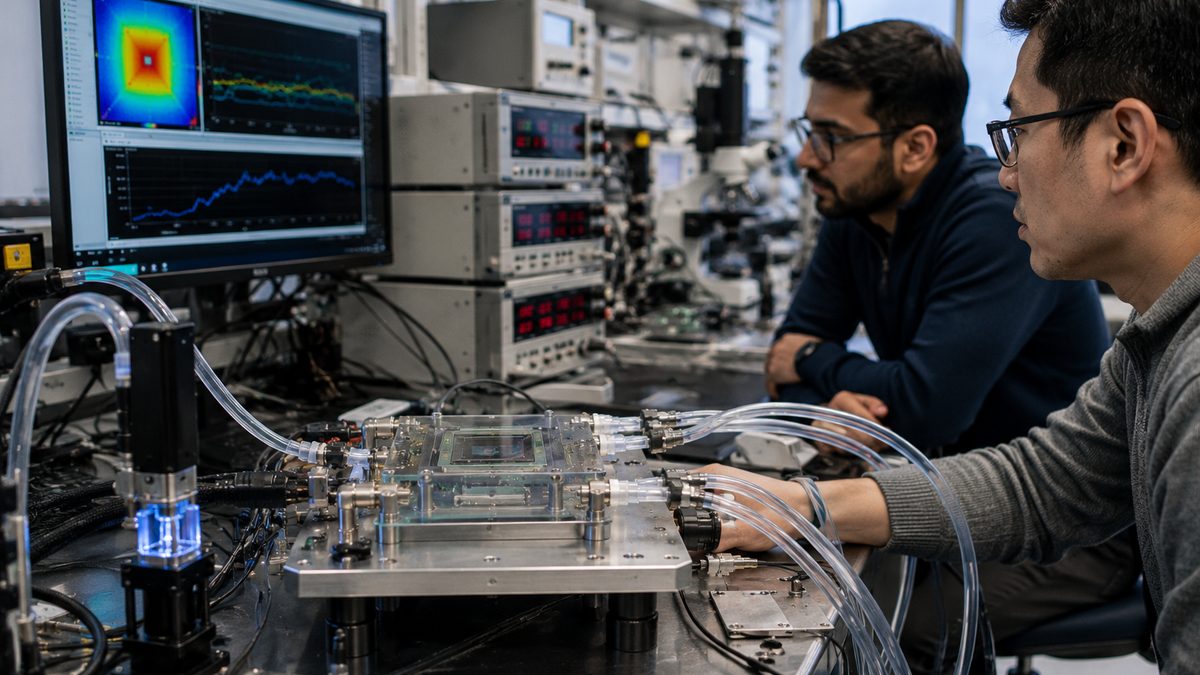
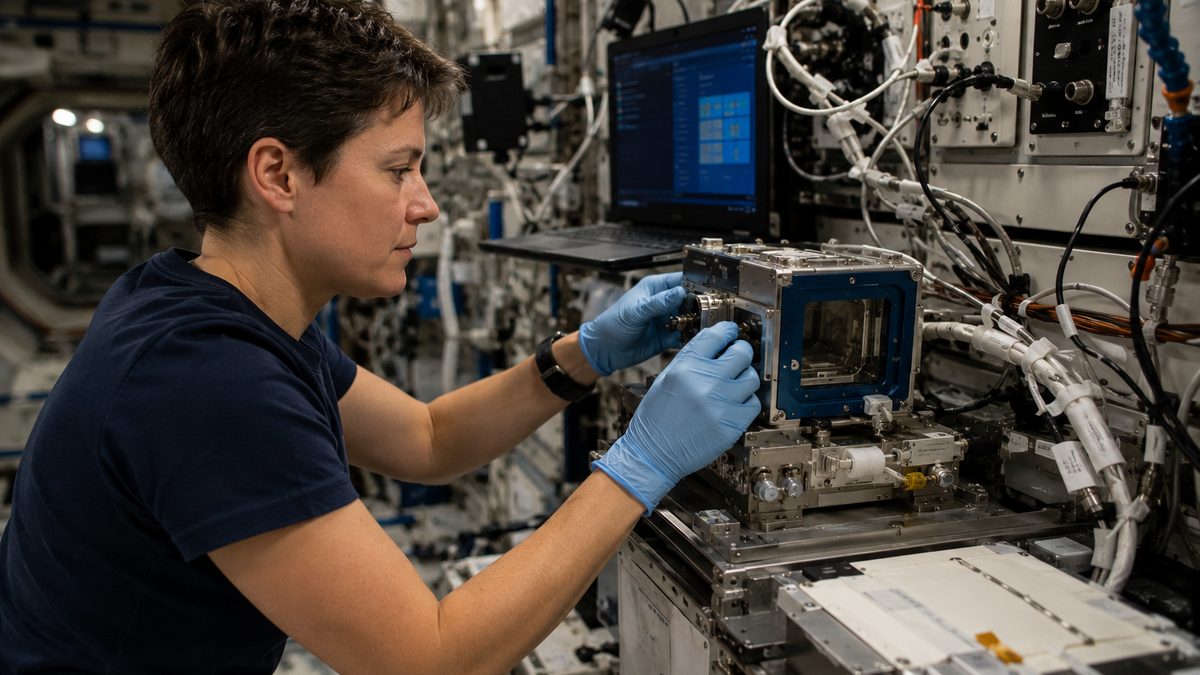
NIH researchers are studying how GLP-1 drugs act on brain circuits involved in appetite and weight regulation. Editorial illustration by TheDailyGlobe.
Key Facts
- NIH researchers reported new details about how GLP-1 receptor agonists affect activity inside neurons.
- The study used mouse brain tissue and focused on semaglutide-induced intracellular activity.
- Researchers identified cAMP signaling in the area postrema as tied to weight-loss effects in mice.
- NIH said more work is needed to determine whether cAMP modulation could affect treatment plateaus or dosing in people.
- The findings do not provide medical guidance or prove a new treatment strategy for humans.
For many people following the rise of GLP-1 weight-loss drugs, one question sits behind the headlines: why do these medicines work so strongly for some patients, less strongly for others, and sometimes appear to level off over time?
A new NIH-supported study does not answer that question for patients directly. It does, however, add detail to the biology scientists are studying as they try to understand how semaglutide and related drugs act on brain circuits tied to appetite and weight regulation.
The study, published in Nature Metabolism, focused on mouse brain tissue and the intracellular activity triggered by semaglutide. NIH said researchers identified cAMP signaling in a brain region called the area postrema as tied to weight-loss effects in mice.
What Researchers Studied
GLP-1 receptor agonists are medicines that mimic or build on a hormone signal involved in blood sugar, appetite, and fullness. Semaglutide, one of the best-known drugs in this class, has become widely discussed because of its use in diabetes and weight-loss treatment.
The NIH-supported study looked beneath the broad idea that these medicines affect appetite. Researchers examined what happens inside GLP-1 receptor-expressing neurons in the hindbrain, focusing on a chemical signaling pathway known as cAMP.
In plain English, the study was asking a narrower question: once semaglutide reaches certain brain cells involved in appetite signaling, what internal cell activity appears connected to the weight-loss effect seen in mice?
Why the Area Postrema Matters
The area postrema is a small region in the hindbrain that helps the body monitor signals related to food intake, nausea, and metabolic state. It is one of the places researchers study when trying to understand how appetite-related medicines communicate with the brain.
According to NIH, the researchers found that cAMP-related signaling in this region was tied to semaglutide’s weight-loss effects in mice. That does not mean cAMP is the whole story, or that the same approach would safely work the same way in people. It does give scientists a more specific pathway to investigate.
That kind of mechanism work can matter because drug response is not only about whether a medicine reaches the body. It is also about how cells receive the signal, how long the signal lasts, and how different tissues respond over time.
What This Could Help Explain
NIH described the research in the context of questions around treatment response, including why some patients may respond differently and why weight loss can plateau. The new study does not solve those issues, but it points to one biological pathway researchers may study further.
For readers, the main value is understanding how early-stage science works. A finding in mouse brain tissue can help explain a possible mechanism, but it does not automatically become a new dosing plan, a new drug combination, or a reason for patients to change treatment.
That caution is especially important with GLP-1 drugs because public interest is high and the conversation around them often moves faster than the evidence. The study adds a useful piece to the science. It does not turn that piece into medical advice.
What the Study Does Not Prove
The study involved mice and living brain tissue, not a clinical trial that tested a new treatment approach in people. Its methods examined intracellular signaling over hours, not long-term treatment effects over weeks or months.
That means the findings should be read as mechanism research. They help scientists understand how semaglutide may produce effects in a controlled experimental setting. They do not show that changing cAMP signaling would improve weight loss, prevent plateaus, reduce side effects, or change dosing in human patients.
NIH also said more work is needed to determine whether cAMP modulation could affect treatment plateaus or dosing in people. Until that evidence exists, treatment decisions remain questions for patients and clinicians using approved medical guidance.
What to Watch Next
The next step is not one single answer. Researchers will need longer studies, more human-relevant evidence, and careful safety work before this pathway could be connected to real treatment decisions.
Future research may look at whether the same signaling patterns appear in human biology, whether they help explain treatment plateaus, and whether they can be influenced safely. Those are different questions from the one this study answered.
For now, the clearest takeaway is modest but useful: scientists are learning more about the brain-cell signaling behind GLP-1 drugs, and that may eventually help explain why the same medicine can feel very different from one patient to another.
Reporting note: Reporting draws on NIH research materials, a peer-reviewed Nature Metabolism study, scientific institution statements, and reviewed background materials. This article was produced with AI-assisted research and reviewed by an editor before publication.