CDC Says Respiratory Virus Activity Is Low as Summer Begins
The latest CDC update shows low national activity for COVID-19, flu, and RSV, but local conditions and individual risk still matter.
Save Article

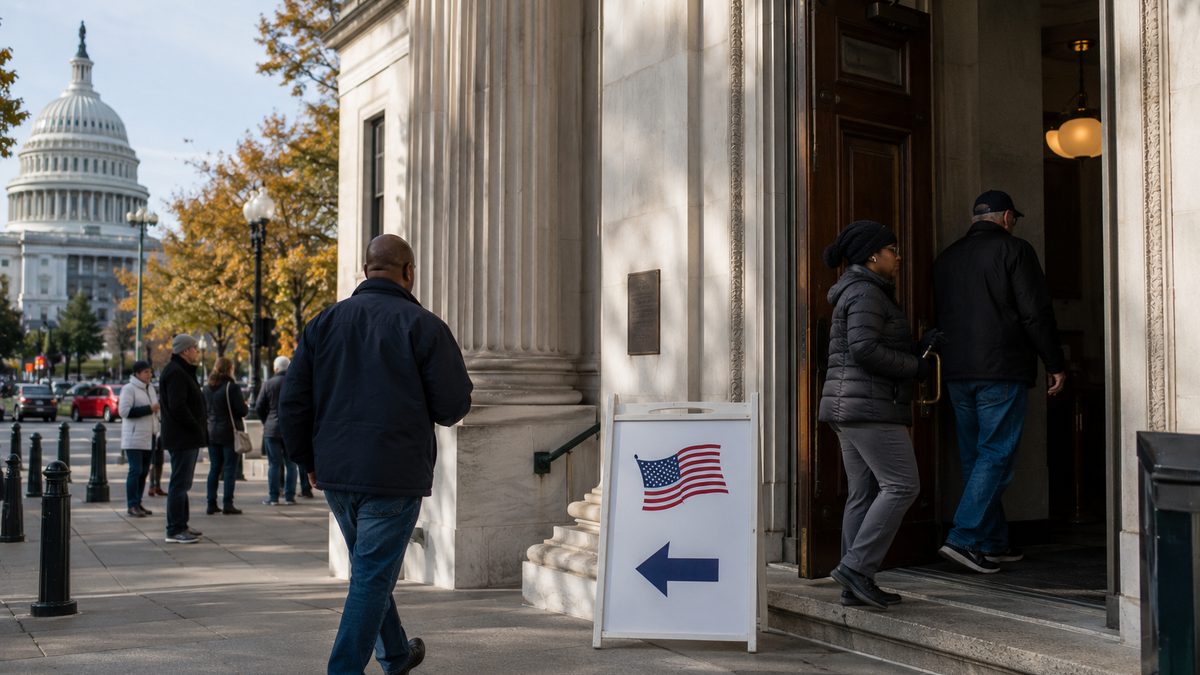
Federal surveillance data show respiratory virus activity is low nationally, though local conditions can vary. Editorial illustration by TheDailyGlobe.
As families plan summer travel, workplaces settle into post-winter routines, and people gather for graduations, cookouts, and vacations, the national respiratory virus picture is calmer than it was during the colder months.
The Centers for Disease Control and Prevention said in its May 29 update that the amount of acute respiratory illness causing people to seek health care was very low. The agency also reported that COVID-19 activity was low in most areas of the country and that seasonal influenza activity was low.
For RSV, the CDC said activity started later than usual in most parts of the United States, but illnesses have not been more severe than in recent years. The agency said RSV activity has peaked in most regions.
What The CDC Reported
The update gives readers a broad national status check on three viruses that shaped much of the fall and winter health conversation: COVID-19, flu, and RSV. CDC data also showed low hospitalization levels connected to those respiratory viruses.
That does not mean respiratory viruses have disappeared. It means the national indicators CDC tracks are currently pointing to low activity compared with higher points in the season.
Why Low Does Not Mean No Risk
National data can be useful, but it can also flatten local differences. A reader in one county or state may see a different picture than the national trend, especially if local outbreaks, travel patterns, school calendars, or reporting delays affect the numbers.
The CDC also notes that some recent hospitalization and death data can be affected by reporting delays. That makes the update useful as a current snapshot, not a guarantee of what every community is experiencing.
Older adults, people with weakened immune systems, infants, and others at higher risk may still have reason to be cautious even when national activity is low. The main public-health message is not alarm, but perspective: risk is lower nationally right now, while individual and local circumstances still matter.
What To Watch Next
The most useful next check will be CDC's weekly updates, along with state and local health information. Summer travel and indoor gatherings can still shift patterns, and respiratory virus activity can change before the next fall and winter season begins.
For now, the latest federal data point to a relatively quiet start to summer for COVID-19, flu, and RSV. Readers should treat that as reassuring context, not as a reason to assume every household or community faces the same level of risk.
Reporting note: Reporting draws on CDC respiratory illness surveillance updates, federal public-health data, and reviewed background materials. This article was produced with AI-assisted research and reviewed by an editor before publication.