Sleep Is Not a Luxury. It Is One of the Body’s Most Important Health Tools
Research continues to show that sleep supports the brain, heart, mood, metabolism, immune system, and everyday safety.
Save Article
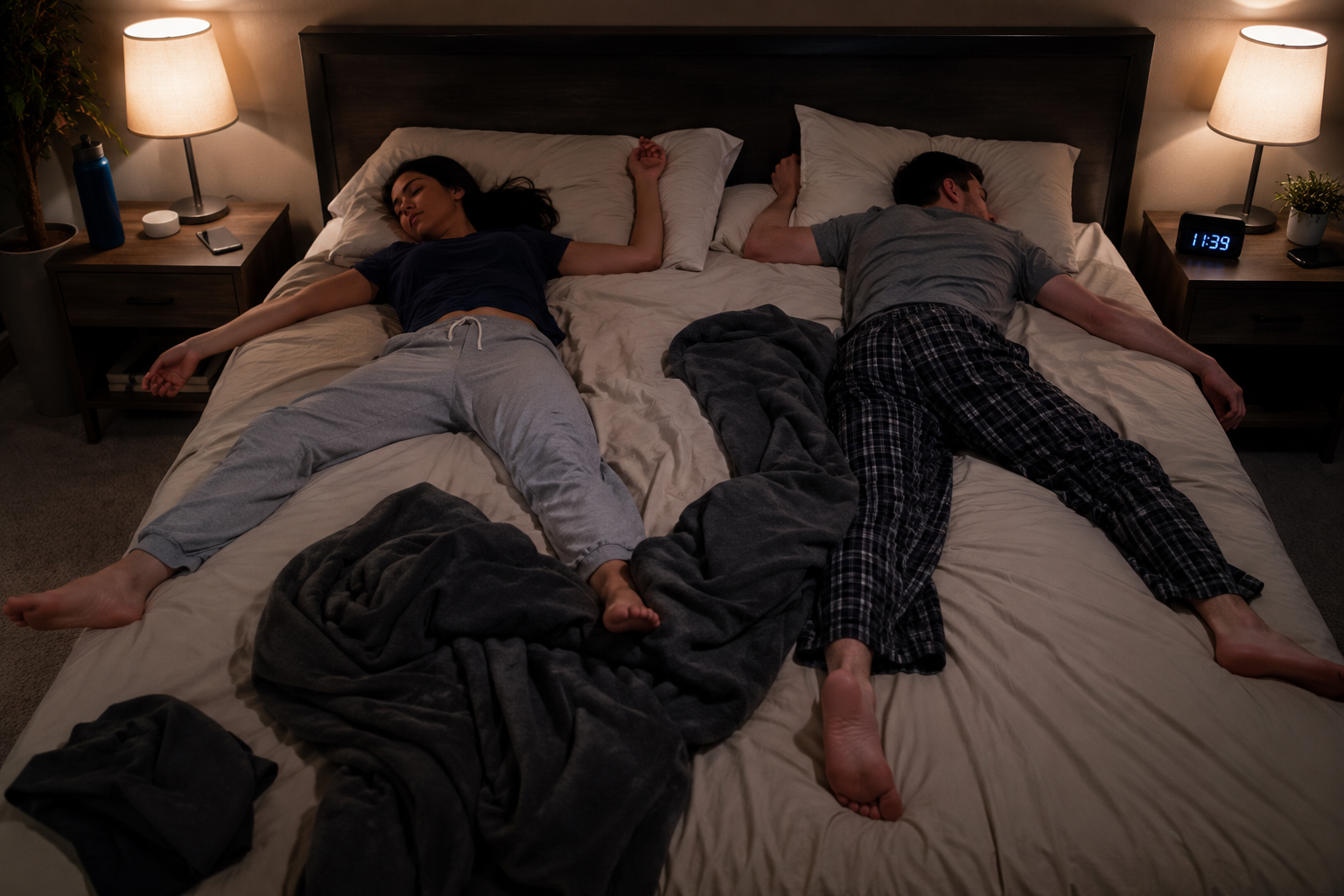
Research continues to show that sleep supports the brain, heart, mood, metabolism, immune system, and everyday safety. Editorial illustration by TheDailyGlobe.
Sleep is easy to treat like something optional, especially when life is busy, money is tight, work is demanding, or the house finally gets quiet late at night.
But sleep is not wasted time. It is one of the body’s most important repair systems. While a person sleeps, the brain organizes information, the body regulates hormones, the immune system does important work, and the heart and metabolism get a chance to operate under healthier conditions.
That does not mean every bad night is a disaster. Everyone has restless nights. Parents, caregivers, shift workers, students, travelers, and people under stress know that perfect sleep is not always realistic. The point is gentler and more practical: over time, sleep habits matter.
Sleep Helps the Brain Reset
One of sleep’s most familiar benefits is mental clarity. People often feel the difference after even one short night: slower thinking, shorter patience, weaker focus, and a stronger urge to run on caffeine and momentum.
CDC materials note that enough sleep can improve attention and memory. MedlinePlus describes sleep as a natural process that helps restore energy and supports learning and memory. In daily life, that means sleep is tied to the ordinary things people rely on constantly: remembering details, making decisions, staying calm, driving safely, and getting through work without feeling mentally frayed.
Sleep does not solve every emotional or cognitive problem. But poor sleep can make many problems feel heavier. A hard day is harder when the brain has not had enough time to recover.
The Heart Needs Sleep Too
Sleep is also part of cardiovascular health. The American Heart Association added sleep duration to its Life’s Essential 8 checklist, placing sleep alongside factors such as diet, physical activity, blood pressure, blood sugar, cholesterol, nicotine exposure, and weight.
That is a serious signal. Sleep is not just about feeling rested. The American Heart Association says adults should generally aim for seven to nine hours of sleep per night, and CDC materials connect adequate sleep with better heart health and metabolism.
The relationship is not always simple. Sleep is connected to stress, schedule, work demands, health conditions, pain, medications, caregiving, and environment. But the pattern is clear enough for major health organizations to treat sleep as part of prevention, not just comfort.
Sleep Supports the Immune System and Metabolism
The body does not shut down during sleep. It keeps working in quieter ways.
CDC materials say getting enough sleep can help people get sick less often and lower the risk of chronic conditions such as type 2 diabetes, heart disease, high blood pressure, and stroke. The National Heart, Lung, and Blood Institute also describes sleep deficiency as a public health concern tied to physical health, mental health, quality of life, and safety.
Sleep and metabolism are connected as well. When people are chronically short on sleep, appetite, energy, food choices, and blood sugar regulation can all be affected. That does not mean sleep alone determines weight or health. It means sleep is part of the foundation that makes healthier choices easier to sustain.
Mood Often Gets Better When Sleep Gets Better
There is a reason small problems feel enormous after a terrible night. Sleep affects emotional regulation.
CDC materials list reduced stress and improved mood among the benefits of enough sleep. This is one reason sleep advice can sound deceptively simple but feel deeply personal. A person who is exhausted is not failing at life because they feel overwhelmed. Their body may be operating with less recovery than it needs.
A nurturing approach matters here. People do not need shame about sleep. They need support, routines that fit real life, and medical help when sleep problems are persistent, severe, or connected to conditions such as sleep apnea, anxiety, depression, chronic pain, or shift-work strain.
Small Habits Can Help
For many people, better sleep starts with small, repeatable habits. Going to bed and waking up at consistent times can help. So can keeping the bedroom cooler and darker, limiting late caffeine, reducing screen stimulation before bed, and creating a simple wind-down routine.
Those steps are not magic. They also may not be enough for people dealing with insomnia, sleep apnea, severe stress, unpredictable work schedules, or caregiving demands. But they can help make sleep more likely, and they give the body a clearer signal that the day is ending.
The healthiest message is not perfection. It is consistency. A person does not need to panic over one bad night. But if poor sleep becomes the norm, it is worth taking seriously.
Why It Matters
Sleep affects the whole person: brain, heart, mood, metabolism, immune function, safety, and resilience. That is why health organizations keep returning to it.
For ordinary Americans trying to work, care for family, manage stress, and stay healthy, sleep is not laziness. It is maintenance. It is recovery. It is one of the quiet ways the body keeps people going.
A good night’s sleep will not fix every problem. But it can make tomorrow’s problems easier to face.
Reporting note: Reporting draws on CDC sleep health materials, National Heart, Lung, and Blood Institute materials, American Heart Association guidance, MedlinePlus, and reviewed sleep-health research. This article was produced with AI-assisted research and reviewed by an editor before publication.