Small Trial Points to Mobility Gains in Rare Bone Disorder Treatment
A small open-label trial found improved phosphate levels and mobility measures after 48 weeks of burosumab treatment, but larger studies are still needed.
Save Article
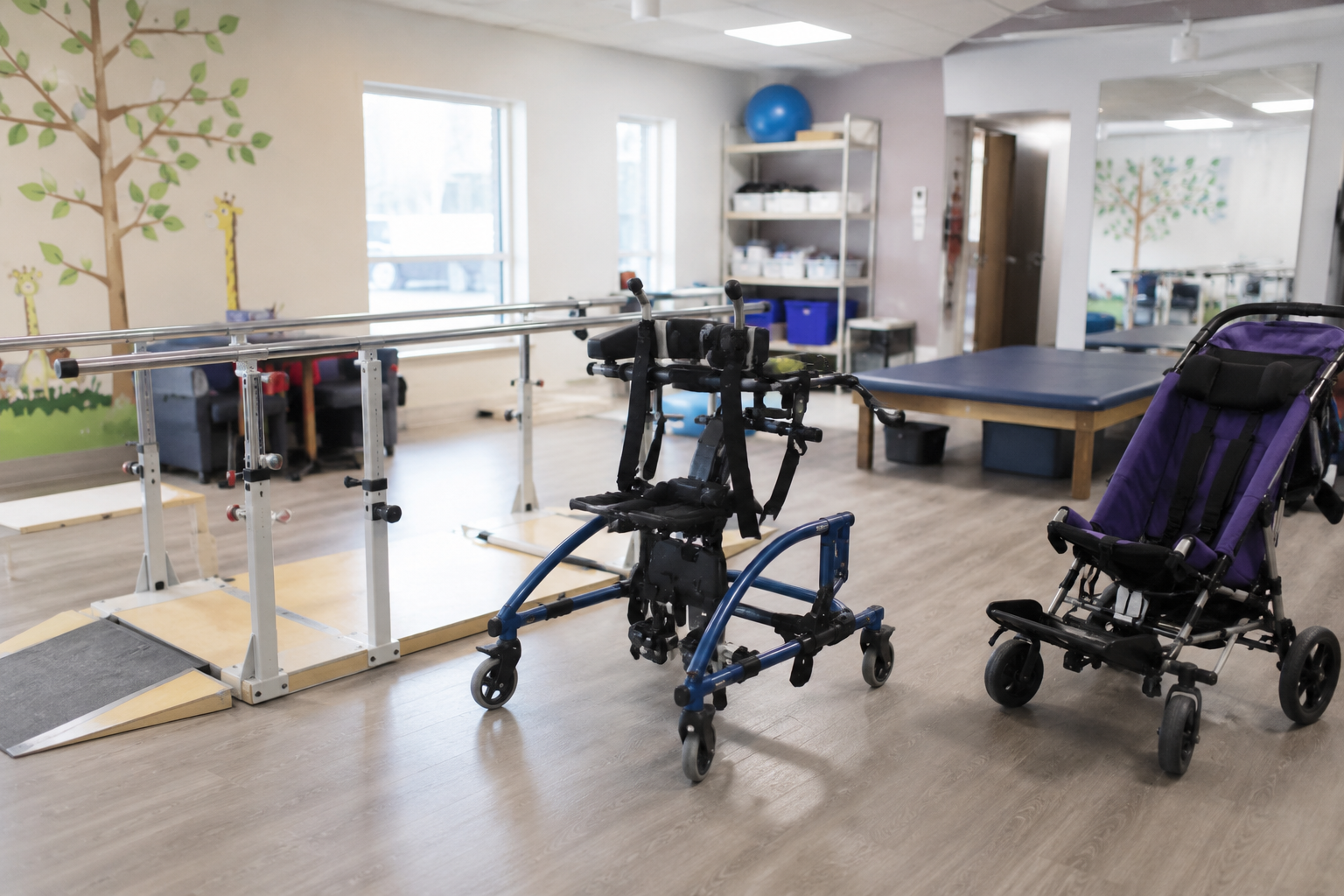
Small rare-disease trials can offer early clues about whether targeted treatments may improve daily function. Editorial illustration by TheDailyGlobe.
For children and families dealing with a severe rare bone disorder, mobility is not an abstract medical outcome. It can shape school, play, pain, independence, and the basic rhythm of daily life.
A small phase 2 open-label trial now offers cautious evidence that targeted treatment may help some patients with severe disease burden and hypophosphatemia, a condition marked by low phosphate levels. Phosphate is important for bone health, and problems regulating it can affect growth, strength, and movement.
The trial included 12 participants who received burosumab for 48 weeks. Researchers reported that treatment restored phosphate levels and improved mobility measures. The findings were published April 27, 2026, in Bone Research.
What the Trial Found
Burosumab is a targeted therapy tied to phosphate regulation. In this trial, researchers followed participants over nearly a year and measured both biological changes and functional outcomes.
The reported improvements matter because rare bone disorders can affect more than lab numbers. When mobility improves, even modest gains may make daily activities easier for patients and families. That is why small rare-disease studies can be meaningful, even when they are not large enough to settle every clinical question.
Why Caution Still Matters
The study’s limits are important. It included only 12 participants, and it was open-label, meaning participants and researchers knew the treatment being given. That design can be useful in rare-disease research, but it limits how strongly the results can be interpreted.
The findings should not be read as a cure or as broad medical advice. The condition is rare, patient circumstances vary, and treatment decisions should depend on clinical guidance from specialists.
What Comes Next
The next questions are whether the mobility gains hold over longer follow-up, whether safety remains consistent, and whether larger or more controlled studies confirm the results.
For now, the trial points to a cautious but important possibility: in rare bone disorders, improving phosphate regulation may translate into gains that patients and families can feel in everyday movement.
Reporting note: Reporting draws on an institutional research release, a peer-reviewed Bone Research clinical trial publication, health science context, and reviewed background materials. This article was produced with AI-assisted research and reviewed by an editor before publication.