Yemen's Aid Shortfall Is Becoming a Health Crisis for Women and Children
U.N. agencies warn that shrinking humanitarian funding is colliding with hunger, health needs, and strained services in Yemen, particularly for women and children.
Save Article
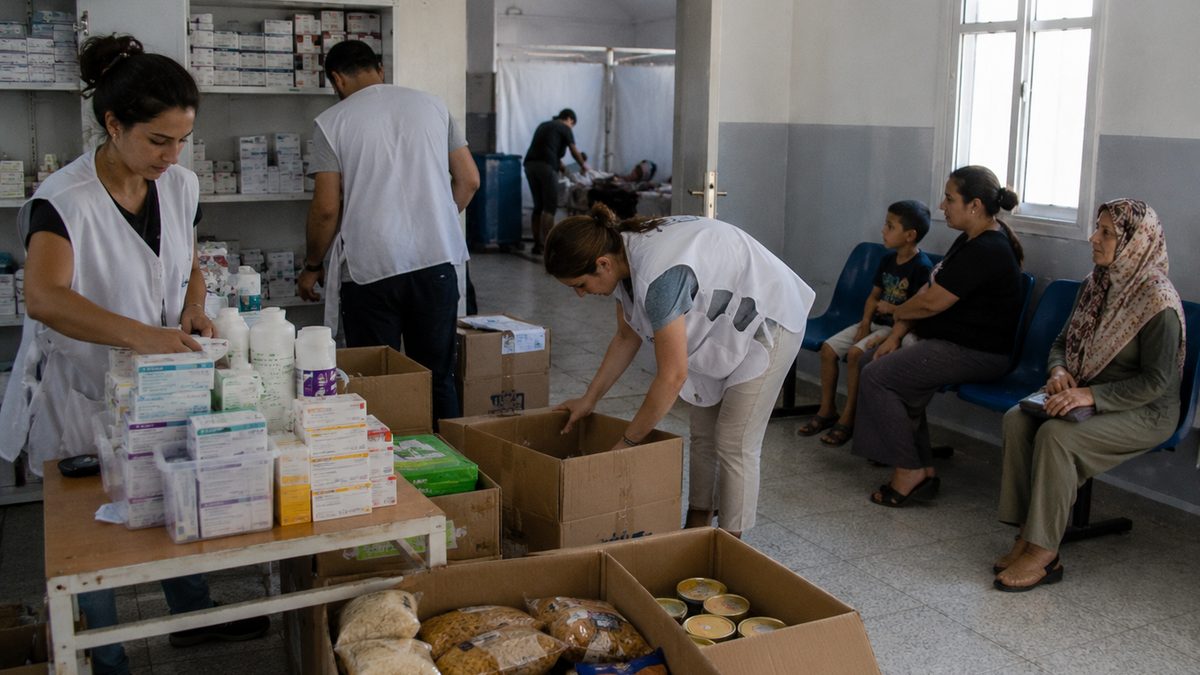
Aid gaps in Yemen can affect food support, clinic supplies, and services for women and children. Editorial illustration by TheDailyGlobe.
Key Facts
- OCHA's 2026 Yemen Humanitarian Needs and Response Plan estimates that 22.3 million people need humanitarian assistance and protection.
- OCHA requested $2.16 billion for Yemen's 2026 humanitarian response, including $1.6 billion for prioritized life-saving assistance.
- UNFPA estimates that roughly 10.95 million women and girls in Yemen require humanitarian assistance.
- Recent U.N. reporting says Yemen's hunger crisis is deepening as funding cuts reduce available support.
- Humanitarian agencies caution that funding gaps add to existing challenges that include conflict, displacement, poverty, and damaged public services.
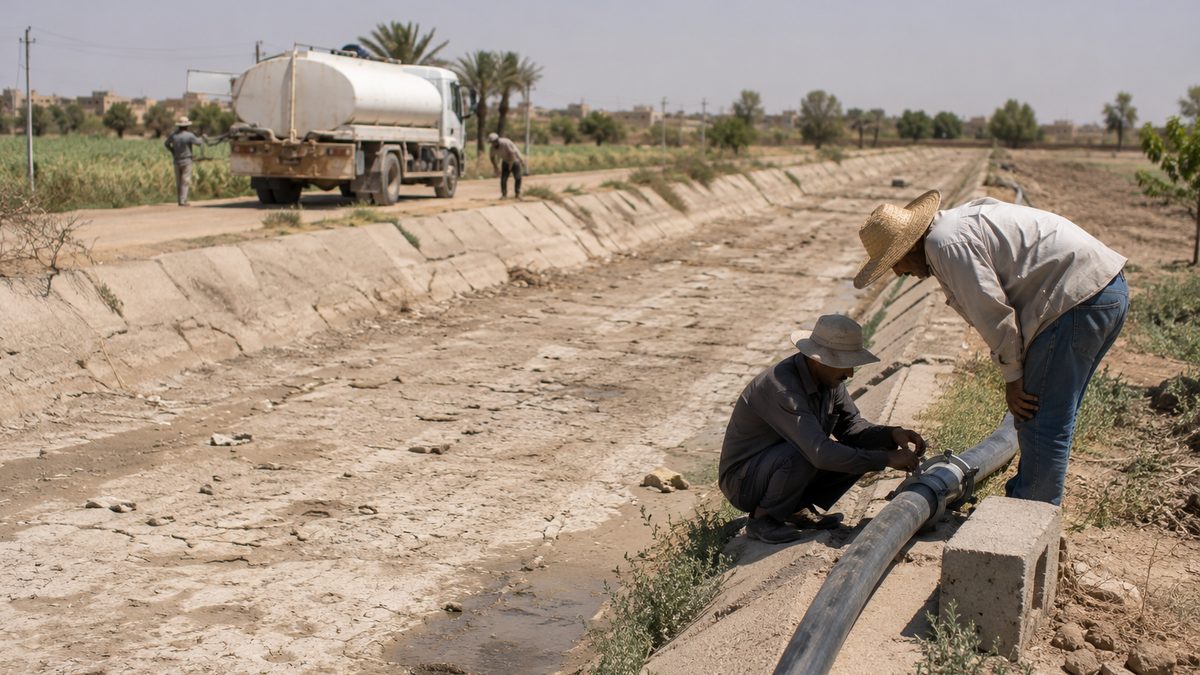
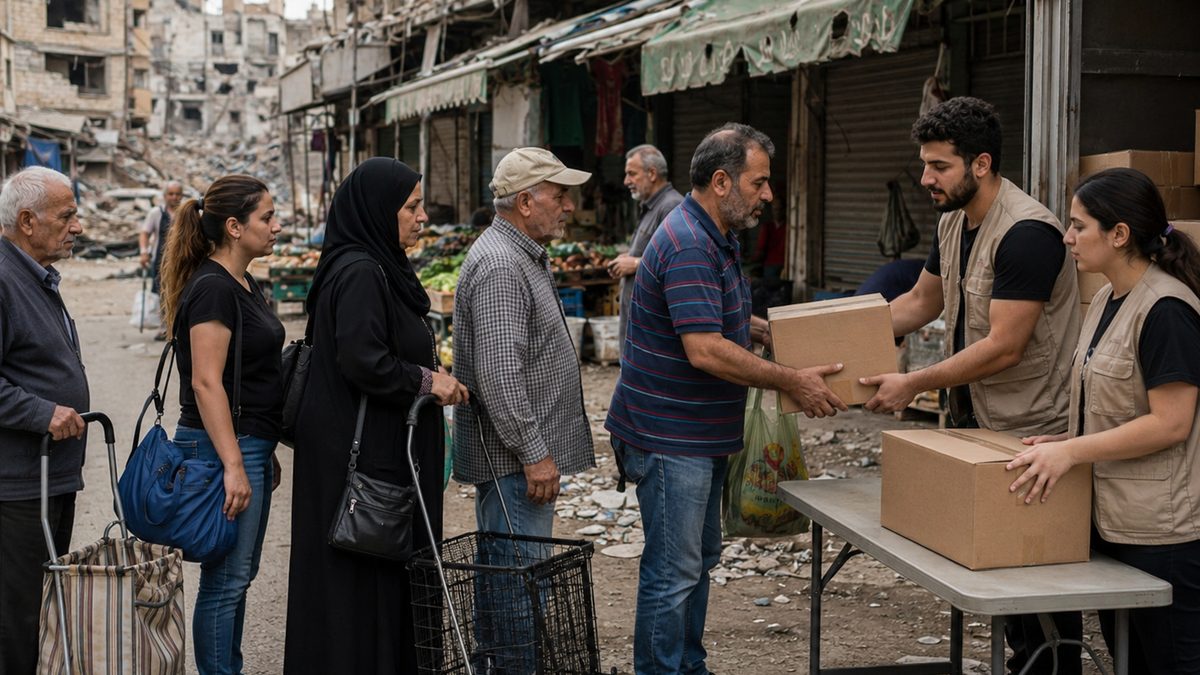
When humanitarian funding falls short, the effects are often felt far from donor conferences and budget discussions. A family may receive less food assistance. A clinic may have fewer supplies. A pregnant woman may have to travel farther for care. A child may lose access to services that help keep illness from becoming a crisis.
That is the concern emerging from the latest U.N. assessments of conditions in Yemen, where humanitarian agencies say hunger remains severe and millions of people continue to depend on assistance. Recent U.N. reporting has warned that funding cuts are reducing support at a time when needs remain extraordinarily high.
Why Funding Matters Beyond Food
Humanitarian aid is often associated with food deliveries, but agencies operating in Yemen describe a much broader network of services. Food programs, health clinics, maternal care, protection services, and support for displaced families are frequently connected through the same funding streams.
As a result, a funding shortfall can affect multiple parts of daily life at once. A reduction in resources may limit medical supplies, reduce outreach programs, or make it harder for humanitarian organizations to maintain services in vulnerable communities.
According to OCHA's 2026 planning documents, the scale of need remains substantial. The agency estimates that 22.3 million people require humanitarian assistance and protection. To address those needs, OCHA requested $2.16 billion for the year's response efforts, with $1.6 billion prioritized for life-saving assistance.
Women and Girls Face Particular Risks
UNFPA, the United Nations Population Fund, says roughly 10.95 million women and girls in Yemen need humanitarian assistance. That figure helps explain why aid agencies frequently focus on maternal health, reproductive health services, and protection programs when discussing the country's humanitarian situation.
For women and girls, access to health services can be affected not only by funding levels but also by transportation challenges, displacement, security conditions, and the availability of trained medical staff. Humanitarian organizations argue that maintaining these services becomes more difficult when resources are stretched across multiple urgent needs.
Children can also be affected indirectly when families face worsening food insecurity or reduced access to healthcare. Aid agencies often describe nutrition, health, and family stability as closely connected rather than separate challenges.
A Crisis With More Than One Cause
The latest U.N. warnings focus on the consequences of funding gaps, but humanitarian agencies also emphasize that Yemen's conditions cannot be explained by funding alone.
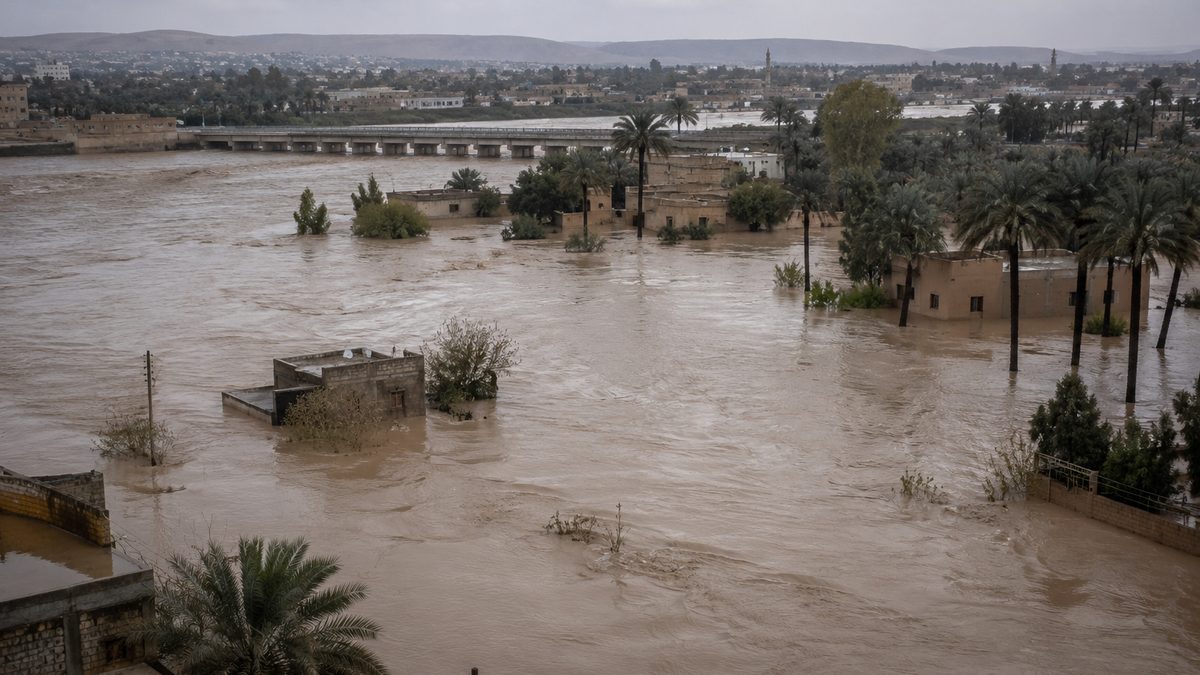
Years of conflict, large-scale displacement, economic hardship, damaged infrastructure, and limited public services have all contributed to the country's humanitarian needs. Funding shortages may make those conditions harder to manage, but they are only one part of a much larger picture.
That distinction matters because it helps explain why additional funding, while important to humanitarian operations, is not presented by agencies as a complete solution to Yemen's challenges.
What Remains Unclear
Several key questions remain unanswered. It is not yet clear how much of the 2026 humanitarian response plan will ultimately be funded. Public reporting also does not yet establish precisely how many clinics, protection programs, or food assistance efforts could face reductions if funding gaps continue.
The timing and scale of any service reductions may vary by region and by organization. Humanitarian agencies continue to update needs assessments as conditions change throughout the year.
What To Watch Next
Over the coming months, attention will likely focus on donor commitments, updated U.N. funding reports, food-security assessments, and any announcements regarding reductions or closures of humanitarian services.
For readers trying to understand Yemen's long-running crisis, the latest warnings offer a reminder that humanitarian emergencies are not measured only by conflict headlines. They are also shaped by whether families can find food, whether clinics can remain open, and whether basic services remain available to the people who rely on them most.
Reporting note: Reporting draws on United Nations humanitarian plans, agency updates, humanitarian reporting, and reviewed background materials. This article was produced with AI-assisted research and reviewed by an editor before publication.