Euphrates Flooding Shows How Fragile Syria's Recovery Still Is
Flooding along the Euphrates River has disrupted water systems, displaced families, and damaged infrastructure in parts of Syria, highlighting how vulnerable many communities remain after years of conflict.
Save Article
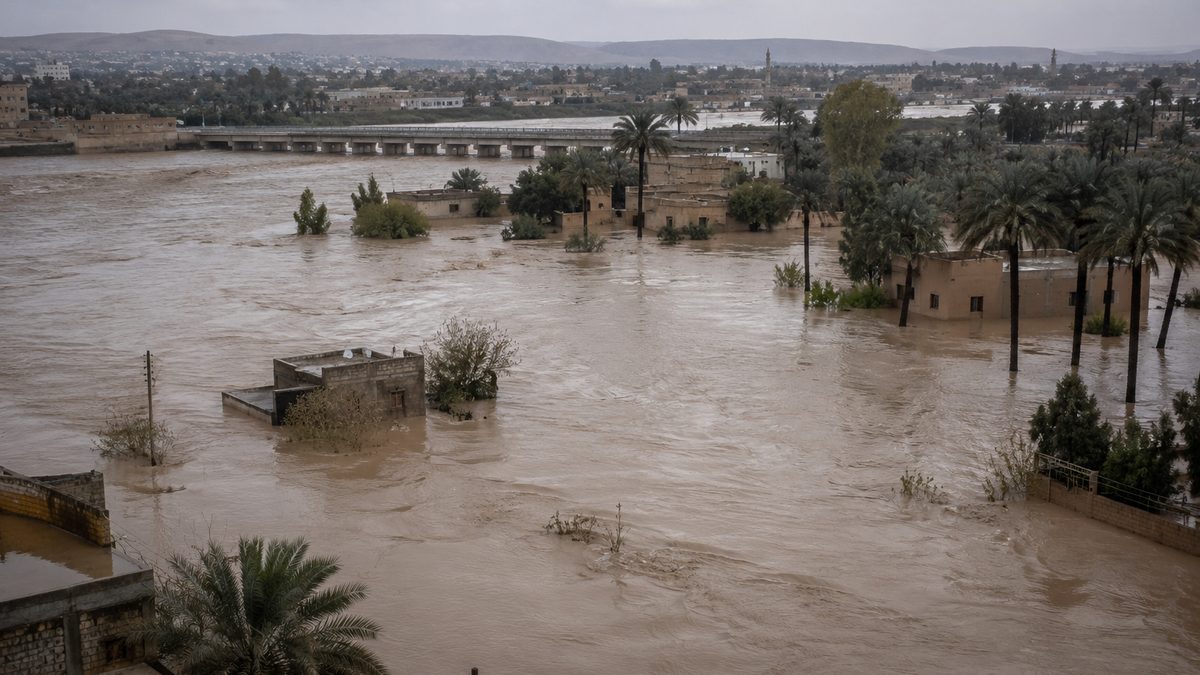
Flooding along the Euphrates has damaged water systems, farmland, and access routes in parts of Syria. Editorial illustration by TheDailyGlobe.
Key Facts
- UNICEF reported that 17,000 people had been directly affected by Euphrates flooding as of June 7.
- UNICEF reported approximately 700 displaced families, including about 2,000 children.
- UNICEF reported that 49 water treatment plants were out of service in Deir-ez-Zor and Raqqa.
- UNFPA reported impacts on infrastructure, health access, women, and girls in affected communities.
- Humanitarian agencies continue to assess damage while repair and recovery efforts remain ongoing.
For many families living near Syria's Euphrates River, recovery from years of war has never been a simple return to normal life. Roads, water systems, farms, and public services in many communities remain fragile. When flooding arrived this spring, those weaknesses quickly became visible again.
Humanitarian agencies report that rising waters along parts of the Euphrates damaged infrastructure, displaced families, and interrupted access to clean water in areas already struggling with limited resources. The flooding has become more than a weather story. It is also a reminder that rebuilding daily life can be disrupted by a single environmental shock.
Water Systems Took a Major Hit
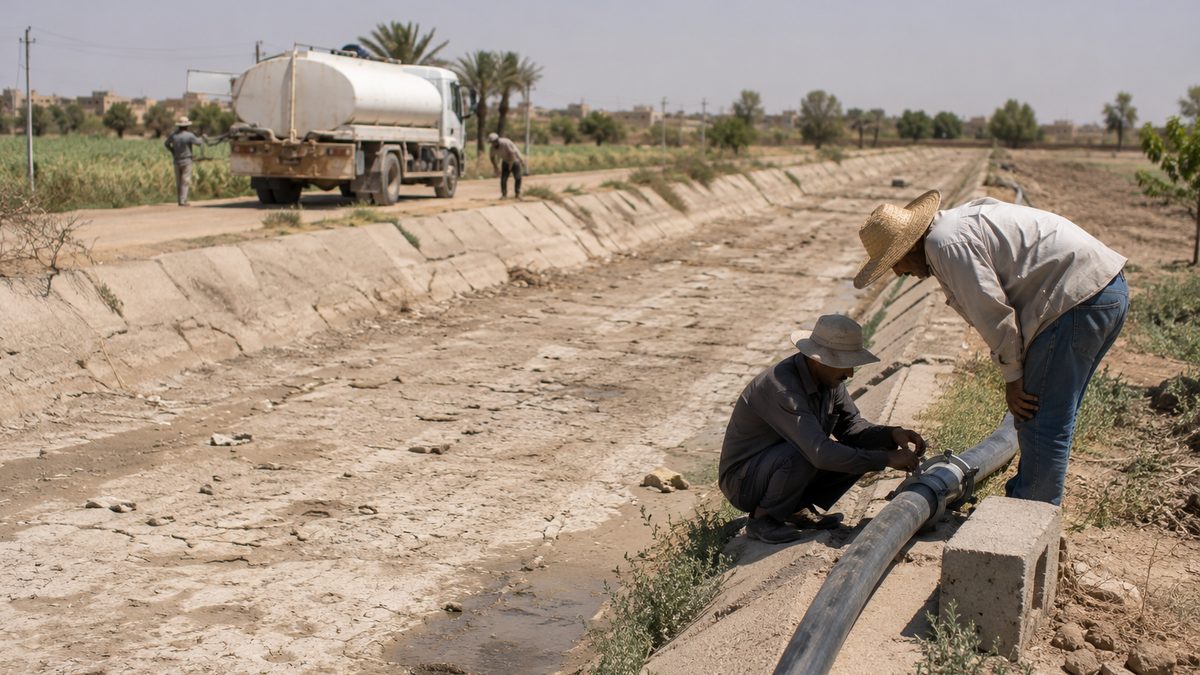
One of the most immediate concerns involves access to water. According to UNICEF's situation reporting, dozens of water treatment facilities were affected by the flooding, reducing the ability of communities to access treated water through normal systems.
When water infrastructure is damaged, the consequences can spread quickly. Families may have to travel farther for safe water, rely on emergency deliveries, or use less reliable sources. Schools, health facilities, and local businesses can also be affected when regular water service becomes unreliable.
In regions where infrastructure has already faced years of strain from conflict and underinvestment, repairing damaged facilities can be more difficult than in areas with stronger public systems and larger maintenance budgets.
Flooding Disrupted More Than Homes
The impact extends beyond water treatment plants. Humanitarian organizations reported damage to roads, farmland, and transportation routes that communities depend on for daily life. Flooded roads can slow aid deliveries, limit access to medical care, and make it harder for displaced families to reach support services.
Agriculture is another concern. Many communities along the Euphrates depend on farming for both income and food production. Damage to fields and irrigation systems can create challenges that continue long after floodwaters recede.
For families already coping with economic hardship, even temporary disruptions to farming activity can place additional pressure on household finances and local food supplies.
Children and Vulnerable Groups Face Added Risks
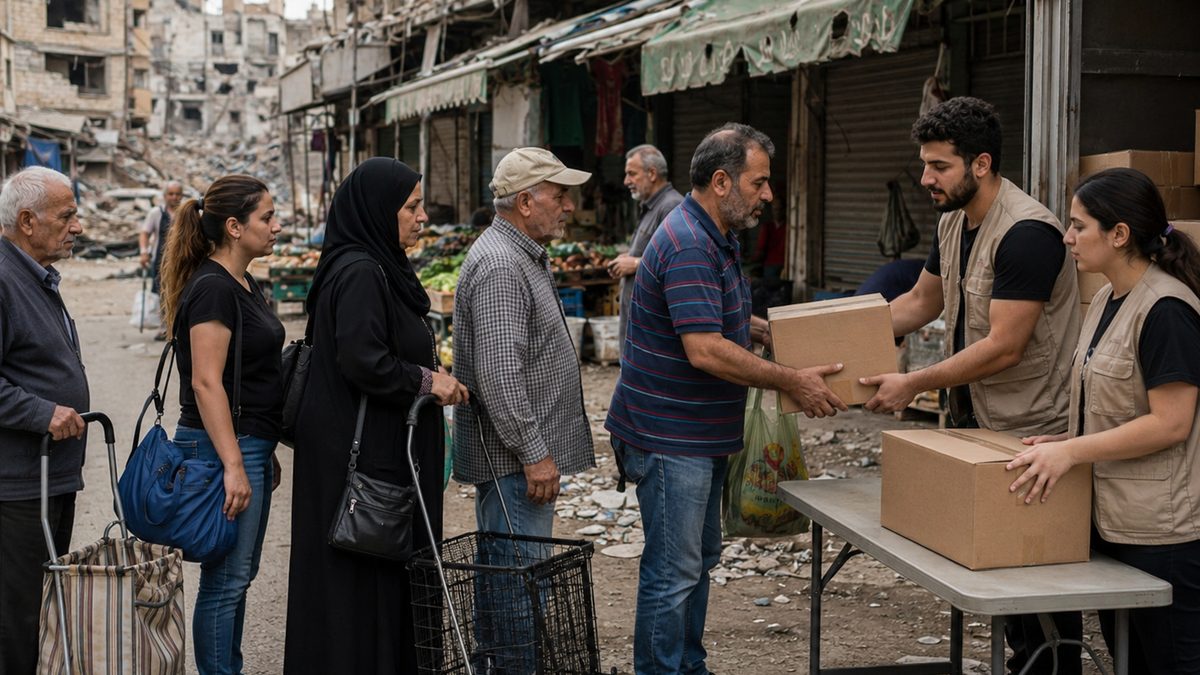
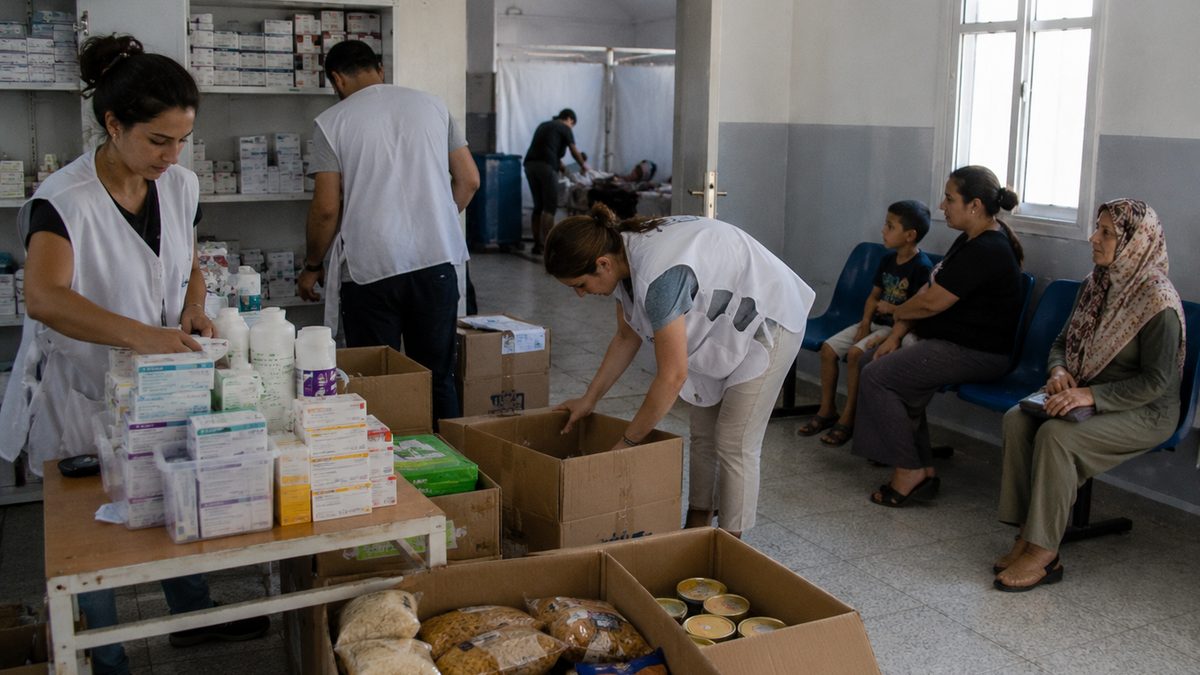
UNICEF reported that thousands of affected children were among the displaced population. Meanwhile, UNFPA highlighted concerns involving access to health services and the specific challenges faced by women and girls during displacement and recovery efforts.
Humanitarian agencies often pay close attention to these groups during disasters because disruptions to transportation, water access, and healthcare can affect them differently than the broader population. Temporary displacement can also make it more difficult for families to access routine services they normally rely on.
Aid organizations have been working to assess needs and coordinate support, but field conditions continue to evolve as damage assessments are updated.
Why This Matters Beyond Syria
The flooding illustrates a broader issue that appears in many parts of the world: infrastructure weakened by conflict or economic hardship can be especially vulnerable to environmental events. A flood that might be manageable in one location can become a larger humanitarian challenge where roads, water systems, and public services are already under strain.
For U.S. readers, the story offers a practical example of how climate events, infrastructure resilience, and humanitarian recovery often intersect. Flooding is not only about rising water levels. It can affect transportation, agriculture, public health, and access to basic services all at once.
What Remains Unclear
Several important questions remain unanswered. Humanitarian agencies continue to update assessments, and reported figures may change as additional information becomes available. Damage estimates can vary depending on when surveys are conducted and which areas are included.
It is also unclear how quickly damaged water systems, roads, and other infrastructure can be restored. Agencies have warned that prolonged service disruptions could create additional challenges if repairs take longer than expected.
What To Watch Next
The next updates from UNICEF, UNFPA, and other humanitarian organizations will likely focus on three issues: restoration of water services, changes in displacement figures, and any emerging public-health concerns linked to damaged infrastructure.
As recovery efforts continue, the most important measure may not be the floodwaters themselves but how quickly communities regain access to the systems that support everyday life. In parts of Syria, rebuilding those systems remains an ongoing challenge even before the next emergency arrives.
Reporting note: Reporting draws on humanitarian agency reports, official situation updates, field assessments, and reviewed background materials. This article was produced with AI-assisted research and reviewed by an editor before publication.