Iraq's Water Crisis Is Becoming a Public-Health and Food-Security Problem
Years of drought, shrinking water reserves, and uneven access to clean water are turning Iraq's water shortage into a challenge that reaches far beyond the environment.
Save Article
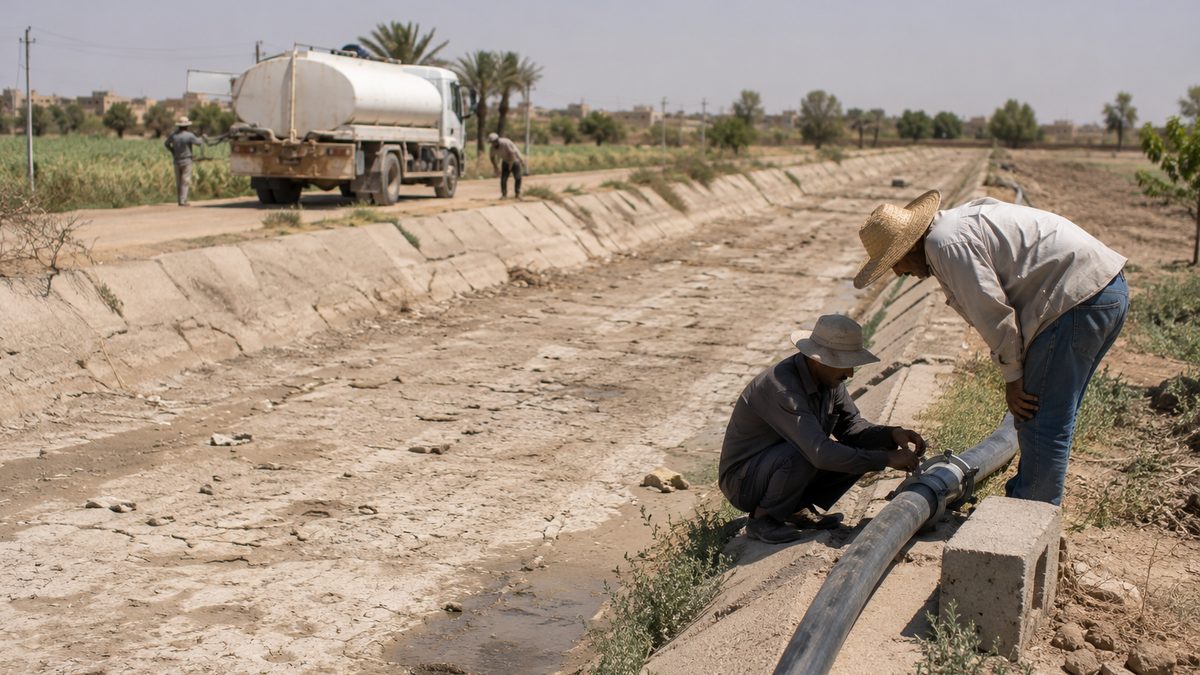
Iraq's water crisis is putting pressure on health, farming, energy and rural livelihoods. Editorial illustration by TheDailyGlobe.
Key Facts
- United Nations Iraq says water scarcity threatens health, food security, energy production, and economic stability.
- United Nations Iraq reported that national water reserves fell to about 4 billion cubic meters before a recent flood event.
- The U.N. agency attributes the decline to consecutive years of drought, declining rainfall, and reduced water inflows.
- UN-Water's 2026 report says unequal access to water and sanitation affects health, education, livelihoods, and safety.
- Chatham House research points to both upstream water pressures and domestic governance challenges as contributors to Iraq's water problems.
When people think about water shortages, they often picture dry riverbeds or empty reservoirs. But for many families, the effects show up in more ordinary ways: crops that fail to grow, unreliable electricity, concerns about drinking water, and difficult decisions about whether to stay in a community or move elsewhere.
That broader reality is becoming increasingly important in Iraq, where international organizations and policy researchers warn that water scarcity is affecting far more than the country's environment. The issue is increasingly tied to public health, food production, energy systems, and economic stability.
While Iraq's water challenges have developed over many years, recent warnings from United Nations agencies have highlighted the scale of the pressures facing the country and the difficulty of finding quick solutions.
More Than an Environmental Problem
The United Nations Iraq mission has described the country's situation as an unprecedented water crisis. That description reflects the growing recognition that water shortages create ripple effects across multiple parts of society.
Agriculture depends on reliable water supplies. Communities depend on safe drinking water and sanitation systems. Power generation can also be affected when water resources become strained. When several of those pressures occur at the same time, shortages can become a broader public-services challenge rather than a purely environmental one.
For Iraq, those concerns are particularly important because agriculture remains a major source of livelihoods in many areas. Reduced water availability can place additional pressure on farming communities already dealing with difficult weather conditions.
Why Water Reserves Matter
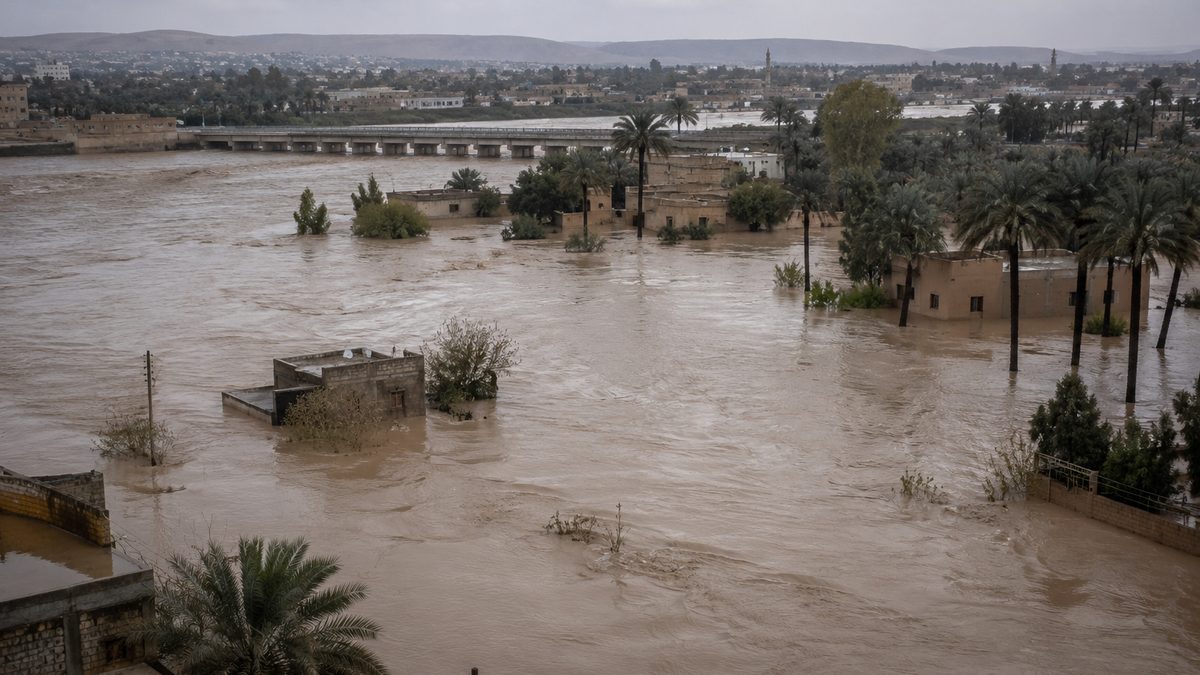
One of the clearest warning signs cited by United Nations Iraq involves the country's water reserves. According to the agency, consecutive years of drought, declining rainfall, and reduced inflows contributed to water reserves falling to roughly 4 billion cubic meters before a recent flood event.
That figure was described by the agency as the lowest level seen in roughly 80 years. The number does not, by itself, predict future shortages, but it helps explain why officials and aid organizations are paying close attention to water management.
Reservoir levels often serve as a buffer against future dry periods. When reserves decline, governments have fewer options available if drought conditions continue or worsen.
A Crisis With More Than One Cause
One of the challenges in understanding Iraq's water situation is that there is no single explanation for it.
Chatham House research highlights a combination of factors, including upstream pressures affecting river flows as well as domestic governance and infrastructure challenges. At the same time, United Nations agencies point to prolonged drought and changing climate conditions as major contributors.
Those overlapping causes make simple explanations difficult. The available evidence does not support blaming one government, one neighboring country, or one policy decision for the entire problem. Instead, researchers generally describe a system under pressure from multiple directions at once.
What It Means for Daily Life
Water scarcity affects more than household water use. UN-Water's 2026 report notes that unequal access to water and sanitation can influence health, education, livelihoods, and safety.
In practical terms, that can mean communities facing greater difficulty maintaining reliable services, farmers coping with reduced water supplies, or local governments struggling to balance competing demands from households, agriculture, and industry.
The effects are not always visible in a single dramatic event. Often they appear gradually, making the issue easy to overlook until conditions become severe.
What Remains Uncertain
Several important questions remain unanswered. It is unclear how quickly Iraq can improve water infrastructure and governance systems. Future rainfall patterns and drought conditions are also uncertain.
Another unknown is how changing water availability will affect different regions and farming sectors during the coming years. Current reporting does not provide clear answers about which communities could face the greatest pressure.
Readers should watch future updates on reservoir levels, agricultural conditions, regional water-sharing discussions, and U.N. assessments of water access. Those indicators may provide the clearest picture of whether conditions are improving or becoming more difficult.
For now, Iraq's water crisis serves as a reminder that shortages of a basic resource can affect almost every part of daily life. Long before water becomes a geopolitical issue or a headline abroad, it often begins as a local challenge involving farms, homes, schools, and public services.
Reporting note: Reporting draws on United Nations Iraq materials, UN-Water reporting, policy research from Chatham House, and reviewed background materials. This article was produced with AI-assisted research and reviewed by an editor before publication.