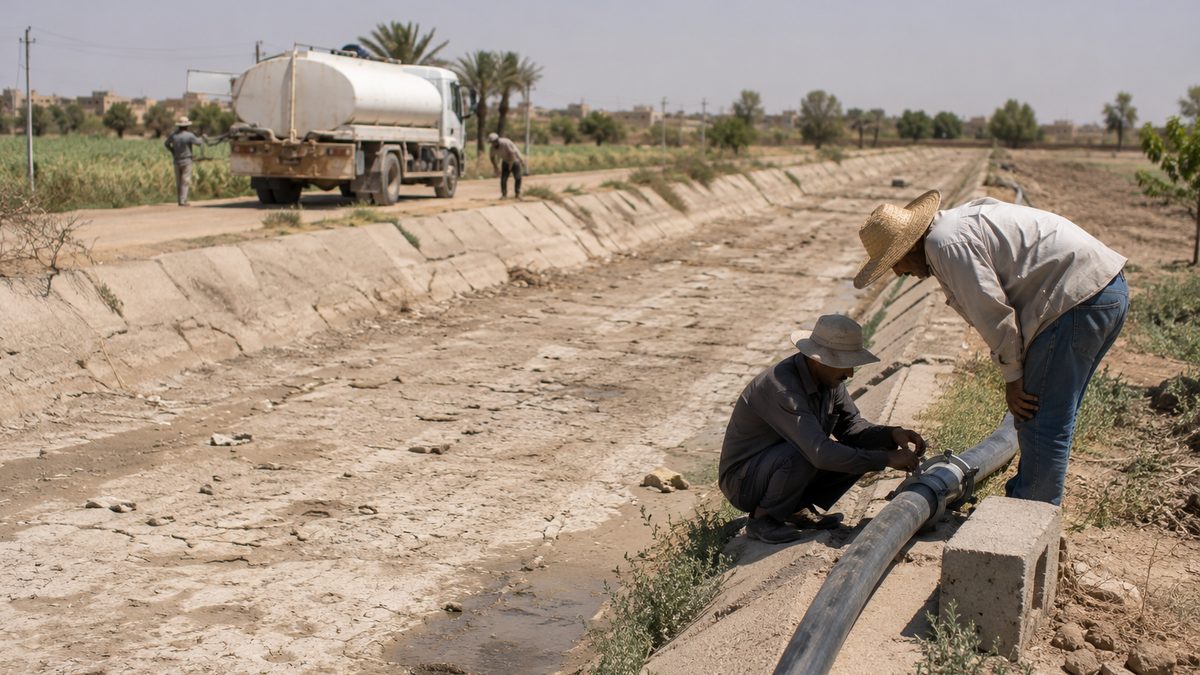
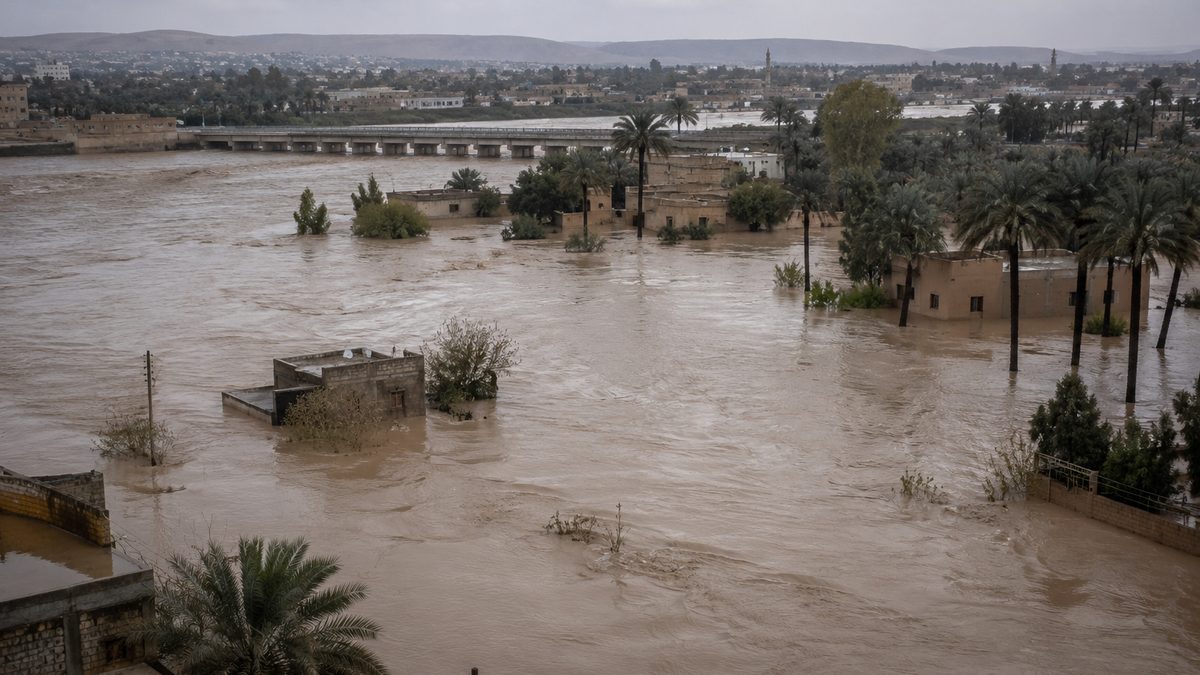
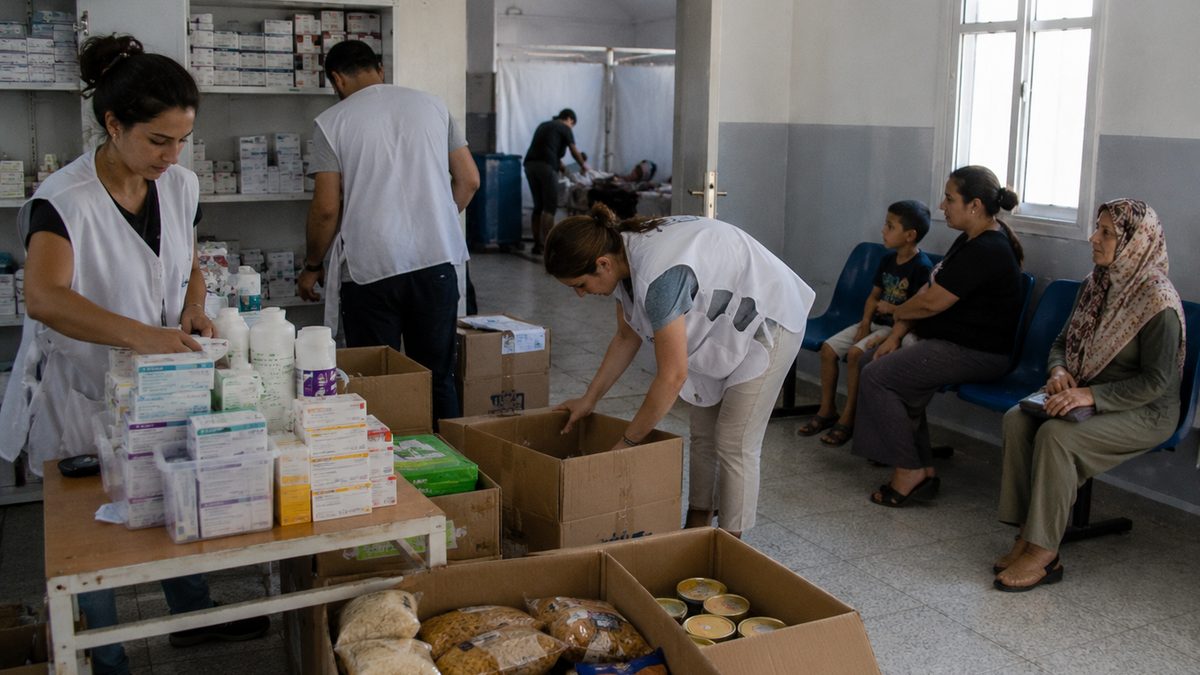
Lebanon's Displacement Crisis Is Becoming a Food Crisis
More than one million people remain displaced in Lebanon as disrupted markets, high prices and difficult aid access deepen food insecurity.
Save Article
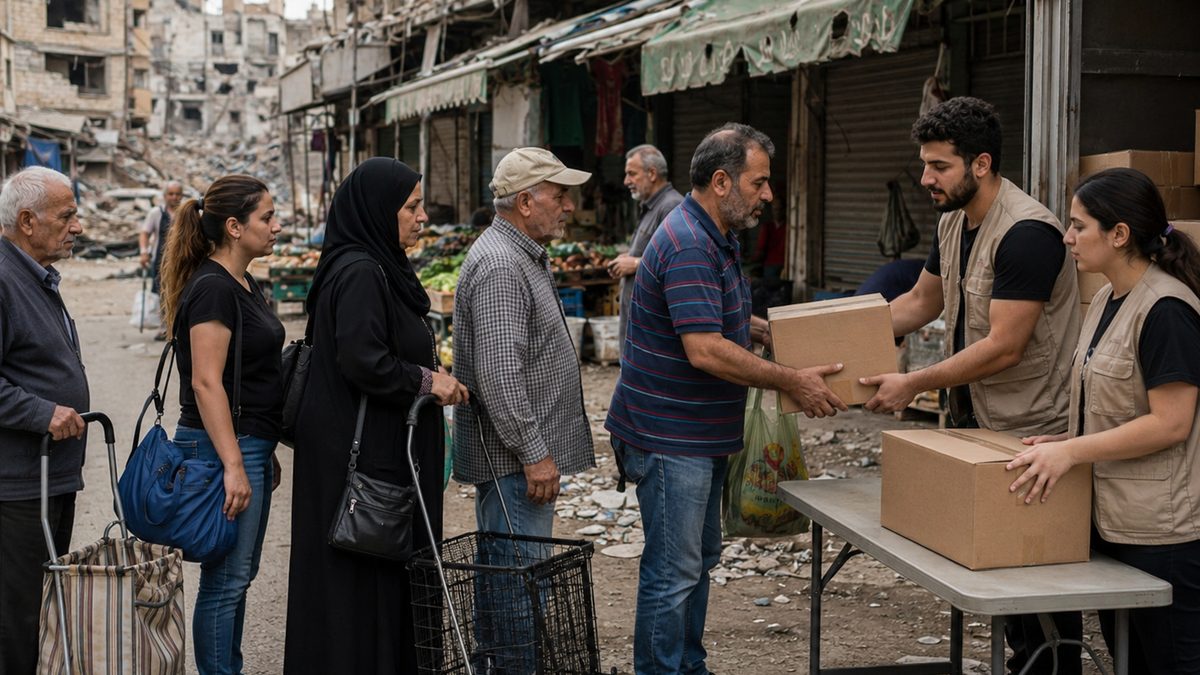
Food insecurity is rising in Lebanon as displacement, market disruption and aid-access limits strain civilians. Editorial illustration by TheDailyGlobe.
Key Facts
- The World Food Programme says 1.24 million people in Lebanon face acute food insecurity during the April-August 2026 period.
- WFP says more than one million people remain displaced in Lebanon.
- The agency says markets in parts of southern Lebanon have been heavily disrupted and aid access has been difficult.
- Associated Press field reporting has described Israeli warnings and nearby strikes prompting people in Tyre to flee and seek protection.
- It remains unclear whether humanitarian access will improve enough for aid groups to scale support consistently.
For families displaced inside Lebanon, the crisis is not only about finding a safer place to sleep. It is also about whether the market is open, whether food is affordable, whether aid can reach the area and whether tomorrow's meal depends on a convoy getting through.
The World Food Programme says 1.24 million people in Lebanon are facing acute food insecurity from April through August 2026, while more than one million people remain displaced. The agency has also reported heavy disruption to markets in parts of southern Lebanon and difficult aid access as the displacement crisis continues.
How Displacement Becomes a Food Problem
Displacement changes the basics of daily life quickly. A family that leaves home may lose access to its kitchen, income, local shops, stored food, nearby relatives and regular transportation. Even when food is available somewhere in the country, it may not be available where displaced families have gone.
That is why Lebanon's crisis is also a food-security story. WFP's assessment links acute food insecurity to displacement, disrupted markets and rising costs. When markets in affected areas are damaged, closed or too risky to reach, families have fewer normal ways to buy food. When aid access is limited, humanitarian groups have fewer ways to fill the gap.
The problem is especially hard in southern Lebanon, where WFP says market disruption has been heavy in some areas. A working food system depends on more than food itself. It depends on roads, trucks, storage, fuel, open shops, cash, safety and predictable access. Conflict pressure can damage all of those at once.
What WFP Says It Is Seeing
WFP's latest public updates describe a large and continuing humanitarian need. The agency says more than one million people remain displaced, and it has been scaling up its response as rising costs push food further out of reach for many households.
The 1.24 million figure covers people facing acute food insecurity during the April-August 2026 period. That estimate may change as conditions shift, but it gives a clear sense of scale: this is not a small group of families temporarily missing a few supplies. It is a broad strain on food access across a country already under pressure.
Humanitarian agencies also operate with limits. WFP can report needs, distribute assistance and call for access, but it cannot make roads safe, reopen markets or end the fighting by itself. That is the practical limit of aid in a conflict-driven food crisis.
The Human Picture in Southern Lebanon
Associated Press reporting from Tyre has described people fleeing after Israeli warnings and nearby strikes, with local Christian leaders calling for quick international action. Those reports add a human layer to the agency numbers: displacement happens family by family, often with little time to plan.
Specific military claims, casualty figures and responsibility for particular strikes require careful attribution, especially in an active conflict. But the civilian pattern is clear enough to report: warnings, strikes and fear of further violence have pushed people from homes and communities, increasing the need for shelter, food and protection.
For displaced people, food insecurity can become a daily calculation. Some may depend on relatives. Others may rely on aid distributions. Some may still have money but face closed shops or higher prices. Others may be cut off from income entirely.
What Remains Uncertain
The next question is whether aid access will improve enough for WFP and other groups to scale support consistently. Humanitarian response depends on funding, safe movement, local coordination and enough access to reach people where they are.
It is also unclear how long displacement and market disruption will last if fighting continues. Food-security estimates can worsen or improve as people move, markets reopen or close, prices shift and aid groups gain or lose access.
That uncertainty is one reason the food crisis should not be treated as a side effect. In a prolonged conflict, food access can become one of the clearest measures of civilian harm.
What to Watch Next
The most important signals now are practical ones: whether WFP receives enough funding, whether convoys can move more reliably, whether markets in affected areas begin functioning again and whether updated food-security numbers show the situation easing or worsening.
Ceasefire steps, if they materialize, would matter not only for military reasons but for ordinary routines: getting back to a home, reopening a shop, moving food safely and restoring some predictability. Until then, Lebanon's displacement crisis will keep showing up in the most basic place possible: the struggle to get food.
Reporting note: Reporting draws on World Food Programme updates, humanitarian assessments, reputable wire reporting, and reviewed background materials. This article was produced with AI-assisted research and reviewed by an editor before publication.