Gulf Missile Intercepts Show Why Strait of Hormuz Tensions Are Still High
Bahrain said Iranian missiles and drones were intercepted after launches toward Bahrain and Kuwait, keeping attention on Gulf security, U.S. forces and a key energy shipping route.
Save Article
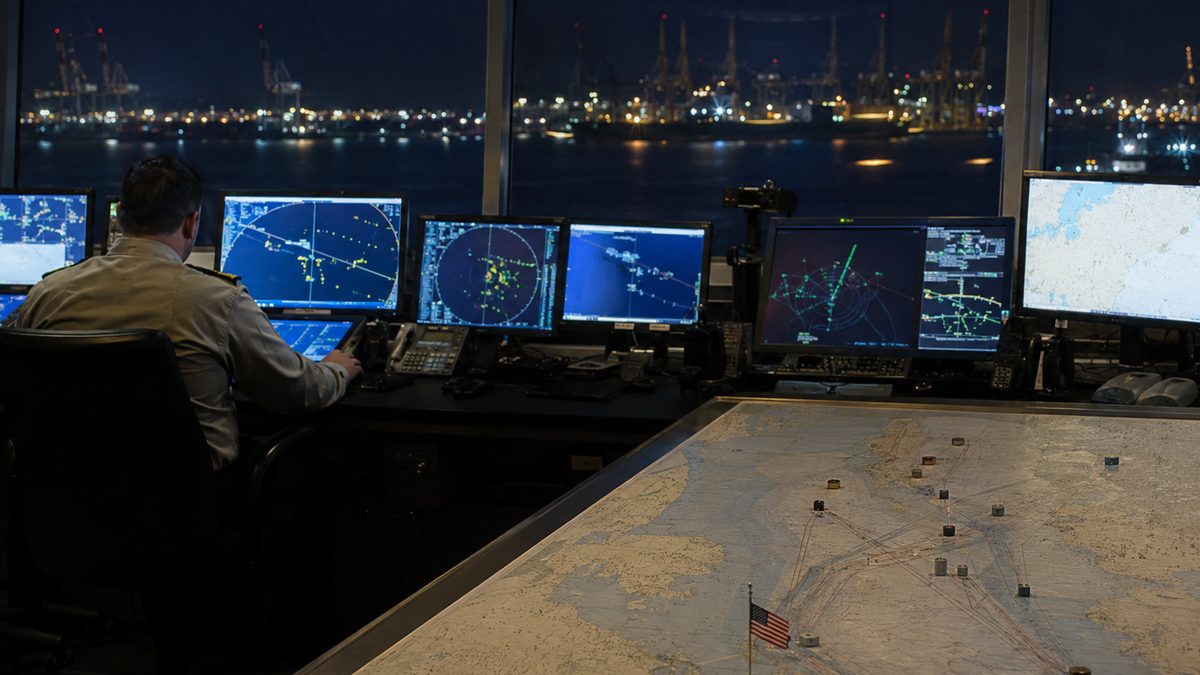
Security in the Gulf often matters most when it threatens shipping lanes, energy markets and military personnel far from public view. Editorial illustration by TheDailyGlobe.
Key Facts
- Bahrain said Iran fired ballistic missiles and drones toward Bahrain and Kuwait.
- Bahrain said the threats were intercepted and described the launches as a serious escalation.
- The Associated Press reported the incident as a new test of a fragile Gulf ceasefire.
- The Strait of Hormuz remains a major shipping route tied to energy markets and maritime security.
- Claims about damage to U.S. military sites have not been independently confirmed in the available reporting.
A missile interception in the Gulf can sound far away until it touches the things people recognize quickly: fuel prices, shipping routes, U.S. service members overseas and the risk that a regional conflict spreads beyond the governments directly involved.
That is why the latest reports from Bahrain matter. Bahrain said Iran fired ballistic missiles and drones toward Bahrain and Kuwait, and that the threats were intercepted. Bahraini officials called the launches a serious escalation. The Associated Press reported the incident as another test of a fragile Gulf ceasefire.
The confirmed public picture is still limited. Bahrain has described launches and interceptions. Reporting has tied the exchange to wider Gulf tensions involving Iran, Gulf states and U.S. forces. But claims about damage to U.S. military sites remain disputed or unverified in the available reporting and should not be treated as established fact without independent confirmation.
What Bahrain Says Happened
Bahrain said Iranian ballistic missiles and drones were launched toward Bahrain and Kuwait, setting off air raid sirens and triggering interceptions. In a fast-moving military exchange, those details matter because they separate what has been publicly attributed from what remains uncertain.
The Bahraini account establishes the core event: launches toward Gulf neighbors and interceptions before impact. It does not, by itself, settle every claim being made by governments involved in the conflict. That distinction is especially important in regional military confrontations, where official statements can serve both public safety and political messaging.
The Associated Press framed the incident as a new pressure point for a fragile ceasefire. That does not mean the ceasefire has collapsed. It does mean the public signals are tense enough that governments, shippers and military planners will be watching for whether the exchange stays contained or becomes part of a wider pattern.
Why the Strait of Hormuz Keeps Coming Up
The Strait of Hormuz is one of the world’s most important energy chokepoints. Oil and other energy products move through the narrow waterway between Iran and the Arabian Peninsula, linking Gulf producers to global markets. When security conditions around that route worsen, the concern is not only military. It is also commercial.
For readers in the United States, the connection is indirect but real. Trouble near the Strait of Hormuz can affect shipping risk, insurance costs, energy market expectations and the decisions companies make when moving fuel and goods. That does not mean one interception will automatically raise gas prices or disrupt travel. It does mean the region remains one of the places where military risk and household costs can eventually meet.
The Gulf is also home to U.S. military personnel and facilities, which gives Washington a direct stake in how far any exchange goes. When missiles and drones are reported near Bahrain and Kuwait, the concern is not just whether a target was hit. It is whether U.S. forces, Gulf civilians, commercial shipping and regional governments can avoid a cycle of retaliation.
What Is Confirmed, And What Is Not
The safest reading of the situation is narrow. Bahrain has said missiles and drones were launched toward Bahrain and Kuwait and intercepted. That is the confirmed center of the story as publicly reported. The wider meaning depends on what governments say and do next.
Iranian claims about damage to U.S. military sites should be treated as claims unless independently confirmed. In any conflict, damage assessments can be incomplete, delayed or contested. U.S., Bahraini, Kuwaiti and Iranian statements may not line up neatly, and outside verification may take time.
It is also not yet clear whether shipping, airports or fuel markets will face sustained disruption from this exchange. A single incident can raise concern without producing immediate economic effects. The question is whether it remains isolated or becomes part of repeated attacks, alerts or military responses around the Gulf.
What To Watch Next
The next signals will likely come from several places at once: official statements from Bahrain, Kuwait, Iran and the United States; any military damage assessments; shipping advisories; airport updates; and market reaction tied to Gulf energy risk.
Ceasefire talks or diplomatic contacts will also matter. The AP described the exchange as a test of a fragile ceasefire, which makes the response as important as the launch itself. If officials keep their statements narrow and avoid further action, the incident may remain a warning sign. If more launches, interceptions or strikes follow, the risk calculation changes.
For now, the clearest takeaway is not panic. It is attention. The Gulf remains one of the places where a military exchange can quickly become a shipping story, an energy story and a U.S. security story. That is why missile intercepts near the Strait of Hormuz still matter well beyond the waterway itself.
Reporting note: Reporting draws on Associated Press reporting, international reporting, government statements, regional security context, and reviewed background materials. This article was produced with AI-assisted research and reviewed by an editor before publication.