Yemen’s Health System Strains Under Outbreaks, Funding Cuts and Supply Shortages
Years of conflict have left Yemen’s health system fragile. New humanitarian reporting shows disease outbreaks, funding cuts and supply disruptions are making that weakness harder to manage.
Save Article
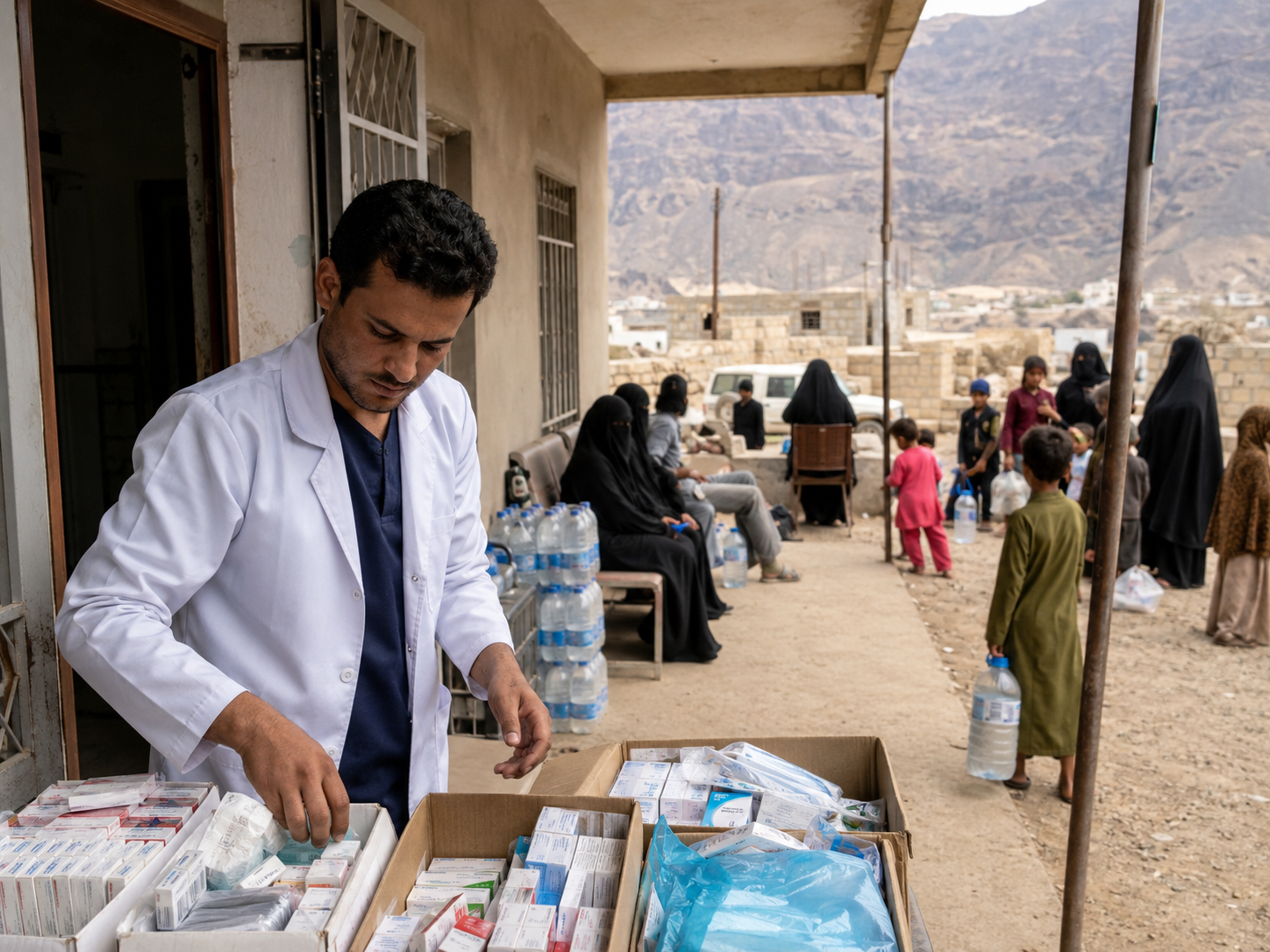
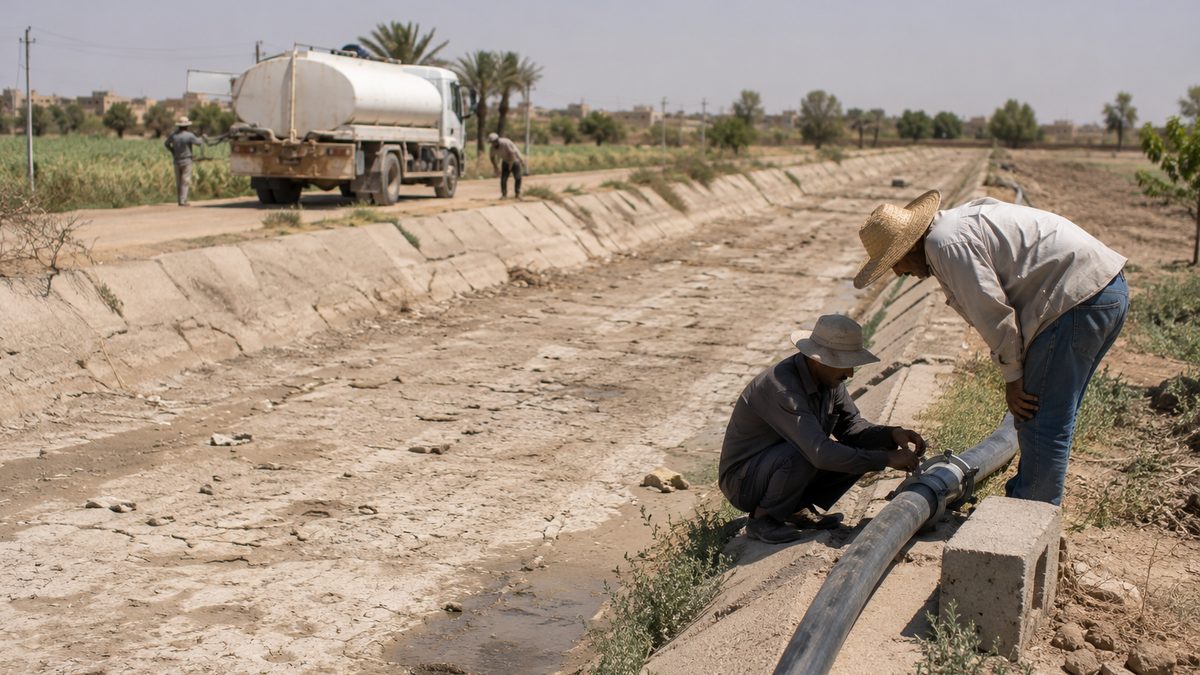
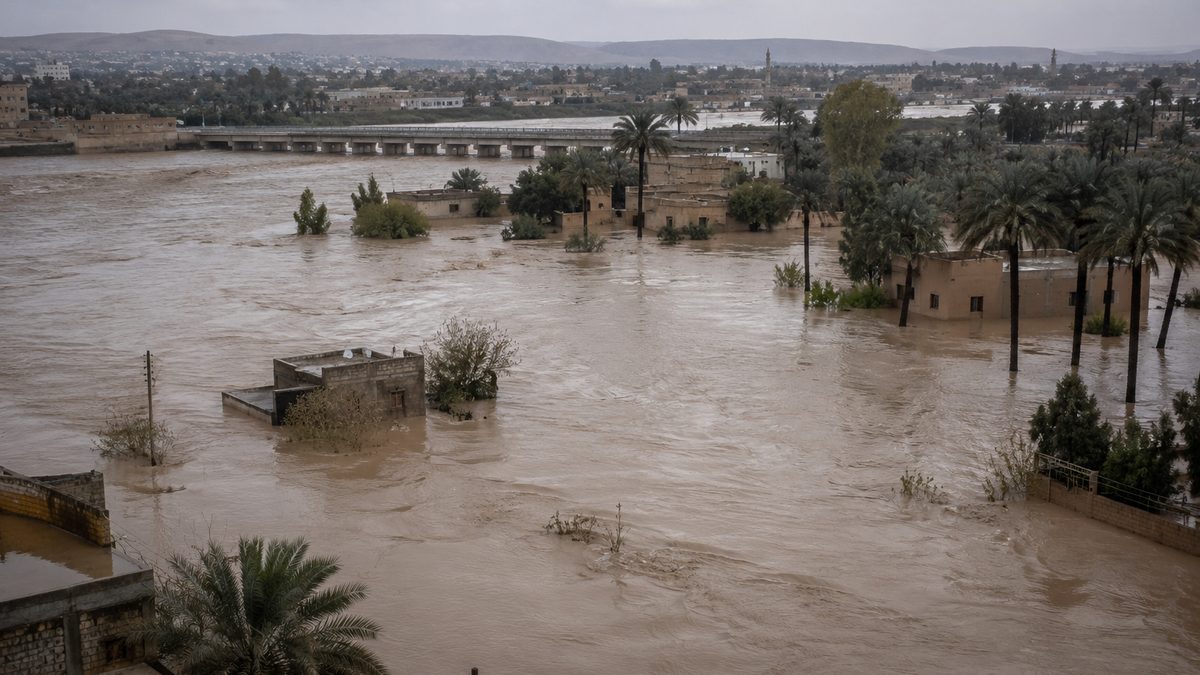
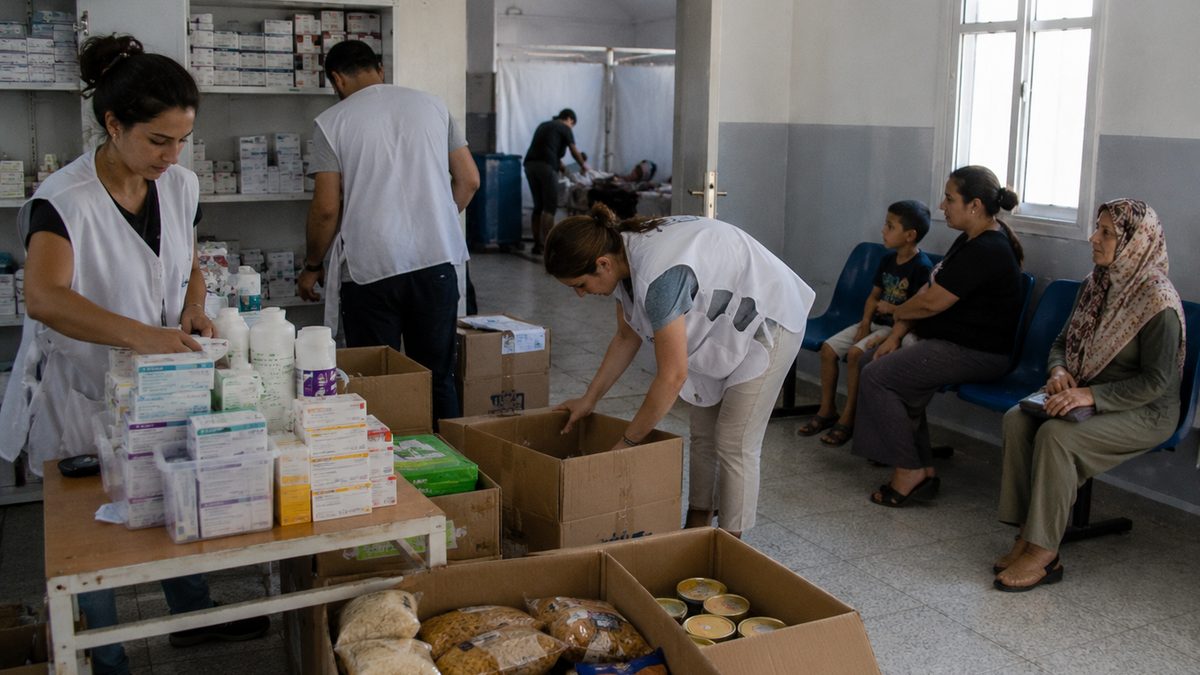
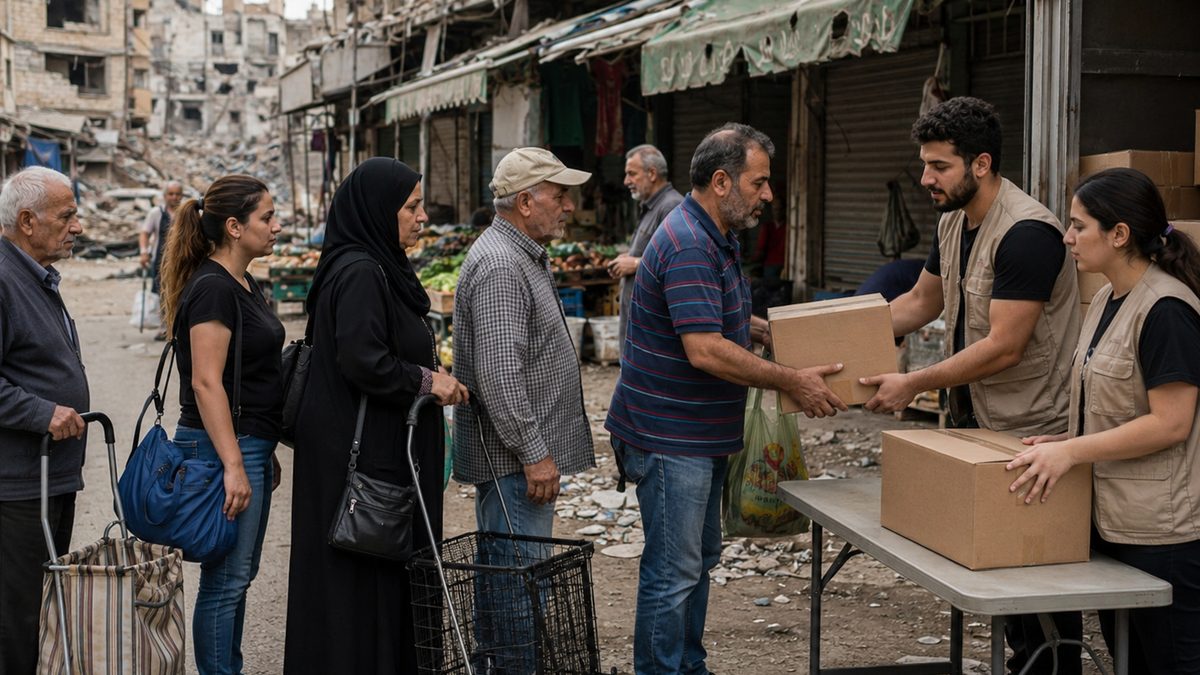
Years of conflict have left Yemen’s health system fragile. New humanitarian reporting shows disease outbreaks, funding cuts and supply disruptions are making that weakness harder to manage. Editorial illustration by TheDailyGlobe.
Key Facts
- WHO says 23.1 million people in Yemen will need humanitarian assistance in 2026, with 10.5 million targeted for assistance.
- UNICEF says more than 17.8 million people in Yemen lack access to healthcare and water, sanitation and hygiene services.
- UNICEF projects that about 500,000 children in Yemen will suffer from severe wasting in 2026.
- OCHA says Yemen’s health system is under strain from funding cuts, outbreaks and supply disruptions.
- United Nations planning materials say only 59.3 percent of health facilities in Yemen are fully functional.
Yemen’s health crisis is entering another difficult stretch, not because of a single new disaster, but because several long-running pressures are converging at once: disease outbreaks, shrinking aid budgets, supply disruptions, weak water and sanitation systems, and a health network that has already been worn down by years of conflict.
The latest humanitarian reporting from the United Nations Office for the Coordination of Humanitarian Affairs describes Yemen’s 2026 outlook as one of rising needs and shrinking resources. OCHA’s April update says the country’s health system is under strain as funding cuts, outbreaks and supply disruptions deepen humanitarian needs. That warning is not isolated. The World Health Organization’s 2026 Yemen emergency appeal describes Yemen as one of the world’s most severe humanitarian crises, driven by prolonged conflict, economic collapse, food insecurity, recurrent disease outbreaks and climate shocks.
The health-system problem is especially serious because Yemen’s crisis does not move in a straight line. A funding gap can force a clinic to reduce hours. A supply shortage can limit medicines or vaccines. A water-system failure can fuel cholera or other waterborne disease. A family that cannot afford transportation may wait until an illness is severe before seeking care. Each problem makes the next one harder to contain.
WHO says Yemen will need emergency health assistance for millions of people this year. Its 2026 appeal says cholera, malaria, dengue and vaccine-preventable diseases continue to pose risks, while only part of the health system remains fully functional. The agency is seeking $38.8 million to deliver emergency health assistance to 10.5 million people. In a country where basic services have been repeatedly damaged by war and economic breakdown, the gap between what is needed and what can be funded can quickly become a public-health risk.
Children face some of the sharpest consequences. UNICEF’s Yemen appeal says one in every 25 children dies before age 5, and more than 17.8 million people lack access to healthcare and WASH services. WASH — water, sanitation and hygiene — is not a side issue in Yemen’s health crisis. When clean water and sanitation systems are weak, disease spreads faster, malnutrition becomes more dangerous, and health facilities face more patients with preventable illnesses.
UNICEF also projects that approximately 500,000 children will suffer from severe wasting in 2026. Severe wasting is a life-threatening form of acute malnutrition. It leaves children more vulnerable to disease and makes ordinary infections more dangerous. In that setting, a clinic without enough supplies, staff or fuel is not simply inconvenient. It can determine whether children receive treatment early enough to survive.
The 2026 Yemen Humanitarian Needs and Response Plan adds more detail to the scale of the problem. It says essential services remain under severe strain, with only 59.3 percent of health facilities fully functional and complete vaccination coverage at 63 percent. The plan says Yemen continues to face a high burden of epidemic-prone diseases. Those figures help explain why humanitarian officials are worried about funding cuts: when a system is already operating with limited capacity, even small disruptions can have wide effects.
The crisis also reflects Yemen’s fractured political and economic landscape. Years of conflict have divided authority, damaged infrastructure, weakened public institutions and made aid delivery more complicated. Economic decline has eroded household purchasing power, leaving families less able to pay for transportation, medicines, food or private care. Climate shocks, including flooding and drought conditions, can add new pressure by damaging shelters, contaminating water sources or displacing families.
The result is a health emergency that is both acute and chronic. Yemen has immediate needs — medicines, outbreak response, nutrition treatment, vaccines, clean water and functioning clinics. But it also has deeper structural needs: stable funding, supply chains, health workers, reliable electricity, transportation access and safer operating conditions for humanitarian groups. Without those basics, emergency aid can slow deterioration, but it cannot rebuild the system by itself.
That is why the language in recent humanitarian updates matters. OCHA’s phrase — rising needs, shrinking resources — captures the central risk. If needs grow while money, supplies and staff shrink, humanitarian organizations must prioritize the most urgent cases. That can leave less visible services underfunded, including preventive care, routine vaccinations, maternal care, mental health support, rehabilitation and community health outreach.
The consequences can appear slowly. A missed vaccination campaign may not make headlines immediately. A clinic that closes two days a week may not look like a national emergency. A water system that breaks down in one district may seem local. But together, those failures can create the conditions for larger outbreaks and higher mortality, especially among children, pregnant women, older adults and people already weakened by hunger.
There are still uncertainties. Humanitarian funding may improve, or it may fall further behind. Disease outbreaks could be contained, or they could spread if WASH services weaken. Supply chains may stabilize, or regional tensions and access restrictions could make imports and aid delivery more difficult. What is clear from the latest source material is that Yemen’s health crisis is not over, and the country’s health system remains too fragile to absorb many more shocks.
For readers outside the region, Yemen can sometimes disappear from view because the war is no longer a daily front-page story. But the health emergency continues whether or not global attention stays fixed on it. The practical question now is whether humanitarian support can keep enough clinics, vaccination programs, nutrition services and water systems functioning to prevent a long crisis from becoming a deeper public-health collapse.
Reporting note: Reporting draws on OCHA, WHO, UNICEF and United Nations Yemen humanitarian planning materials. This article was produced with AI-assisted research and must be reviewed by an editor before publication.