World Bank Growth Cut Shows How War Can Reach Prices Far Beyond the Region
The World Bank lowered its 2026 global growth forecast as conflict-related energy, inflation and borrowing pressures weigh on the economy.
Save Article
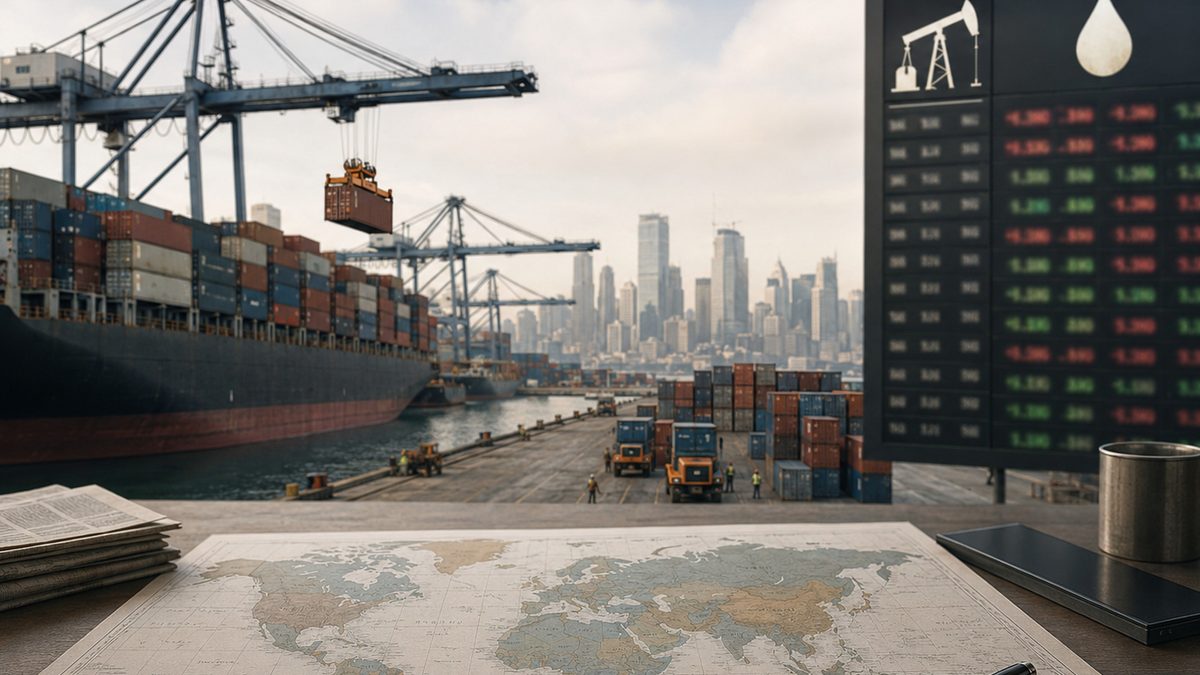
The World Bank says conflict-related energy and financial pressures are weighing on global growth. Editorial illustration by TheDailyGlobe.
Key Facts
- The World Bank lowered its 2026 global growth outlook and cited conflict-related economic pressures.
- Associated Press reported the World Bank expects global growth of 2.5%, the weakest pace since the pandemic period.
- The bank's Global Economic Prospects report points to risks from energy-market disruption, inflation and borrowing costs.
- The forecast is a projection, not a certainty, and can change as conflict, markets and policy decisions shift.
- Direct effects on households vary by country and should not be read as the same everywhere.
A war that begins as a security crisis can become an economic story quickly. The path is not mysterious: energy prices move, shipping gets riskier, inflation pressure can return, and borrowing costs can stay higher for longer.
That is the connection behind the World Bank's latest global outlook. The bank cut its 2026 global growth forecast and linked the weaker projection to the Middle East conflict and related pressure on energy markets, inflation, borrowing costs and trade.
What the World Bank Changed
The World Bank's new forecast gives the global economy less room to absorb shocks. According to Associated Press reporting, the bank expects global growth of 2.5% in 2026, the weakest since the pandemic period.
That number is not a guarantee of what will happen. Economic forecasts are estimates built from current data, assumptions and models. They are useful because they show how major institutions are reading the risks, but they can improve or worsen as conditions change.
In this case, the World Bank is pointing to the fallout from conflict in the Middle East as part of the reason for a weaker outlook. The concern is not only damage inside the conflict zone. It is the way a regional crisis can push through the global economy.
How Conflict Reaches Prices
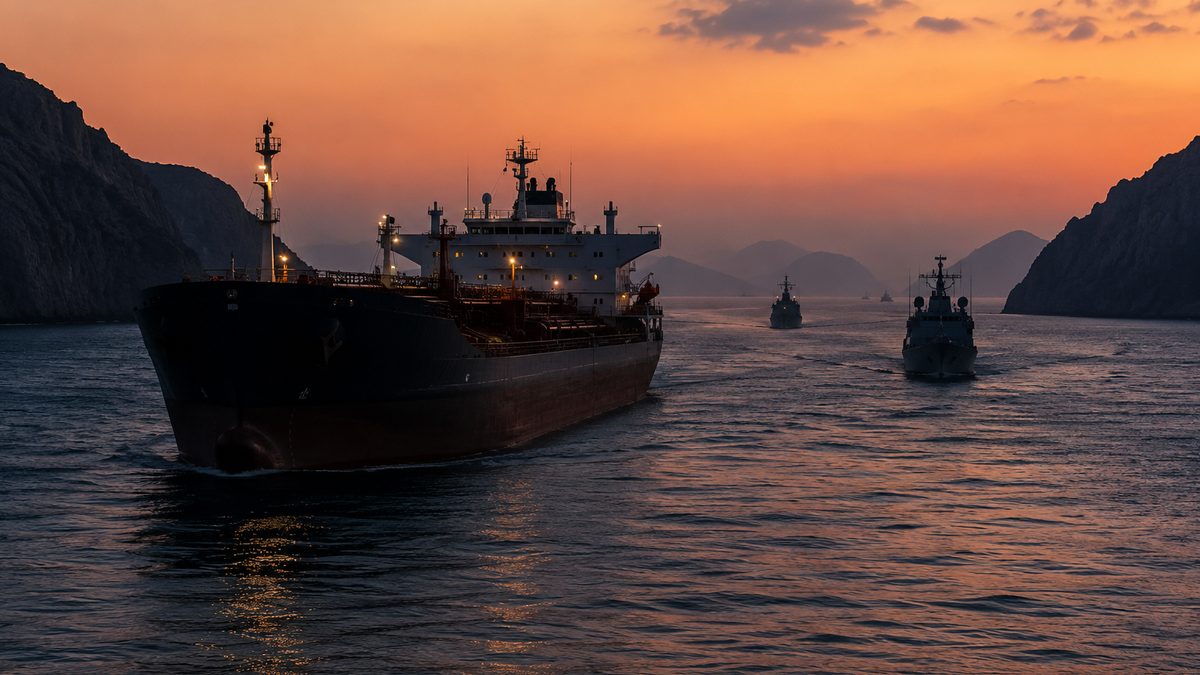
Energy is the most direct channel. When war raises uncertainty around oil, gas or major shipping routes, markets often price in risk. Even when supply keeps moving, the possibility of disruption can affect prices.
Higher energy costs can then show up in other places. Fuel affects shipping, farming, manufacturing and commuting. Businesses that pay more to move goods may try to pass some of that cost along. Families may feel it at the pump, in utility bills or in the prices of goods that depend on transport.
That does not mean every household immediately sees the same increase, or that one conflict explains every price change. Local taxes, currency values, supply chains, company decisions and domestic policy all matter. But energy is one of the reasons a distant conflict can become visible in everyday costs.
Why Borrowing Costs Matter
Inflation pressure can also affect borrowing. If central banks worry that energy shocks will keep prices elevated, they may be slower to ease interest rates. Higher or stickier rates make borrowing more expensive for governments, businesses and households.
That can slow growth in ordinary ways. Companies may delay expansion. Governments with heavy debt may have less budget room. Consumers may pull back on major purchases if loans remain costly. The World Bank's concern is that conflict-related pressure can add to an already difficult environment for growth.
The effect is especially important for countries with weaker finances. Wealthier economies may absorb higher costs more easily. Poorer countries, or countries that import energy and borrow in foreign currencies, can face sharper pressure when fuel, food or debt costs rise at the same time.
Trade Is Another Pressure Point
Shipping and trade are another way conflict spreads economically. If companies reroute ships, pay higher insurance costs or face delays, the cost of moving goods can rise. That does not always produce a dramatic shortage, but it can add friction to a system built on timing and predictability.
The World Bank's Global Economic Prospects report highlights risks from energy disruption, inflation and financial pressure. Those are not separate problems. They can feed into one another: energy raises costs, costs affect inflation, inflation shapes interest-rate decisions, and higher borrowing costs can slow investment and trade.
That is why a growth forecast is more than an abstract number. It is a summary of many smaller pressures that can reach jobs, prices, public budgets and business decisions over time.
What Remains Uncertain
The biggest unknown is how long the conflict's market effects will last. A short disruption that eases quickly can have a different economic effect than a prolonged crisis that keeps energy prices elevated or shipping routes under pressure.
It is also unclear whether sanctions, shipping disruptions or energy-market strain will ease quickly enough to improve the forecast. Forecasts can move in either direction as new data comes in.
For readers, the useful takeaway is not that one report predicts everyone's financial future. It is that conflict can travel through the economy by several clear routes, and those routes are now part of the World Bank's weaker 2026 outlook.
What to Watch Next
The next signals to watch are oil prices, shipping routes, central-bank statements and updated forecasts from the World Bank or International Monetary Fund. Those indicators will show whether the shock is easing or becoming more durable.
For now, the World Bank's message is cautious: the global economy is growing, but more slowly than previously expected, and conflict-related energy and financial pressures are part of the reason. The story is not only about war. It is about how war can reach prices, borrowing and growth far beyond the battlefield.
Reporting note: Reporting draws on World Bank economic forecasts, the Global Economic Prospects report, reputable wire reporting, and reviewed background materials. This article was produced with AI-assisted research and reviewed by an editor before publication.