Iran Deal Opens a Pause, Not a Final Settlement
The initial agreement is aimed at ending hostilities, reopening the Strait of Hormuz and creating a 60-day window for nuclear talks, but major questions remain unresolved.
Save Article
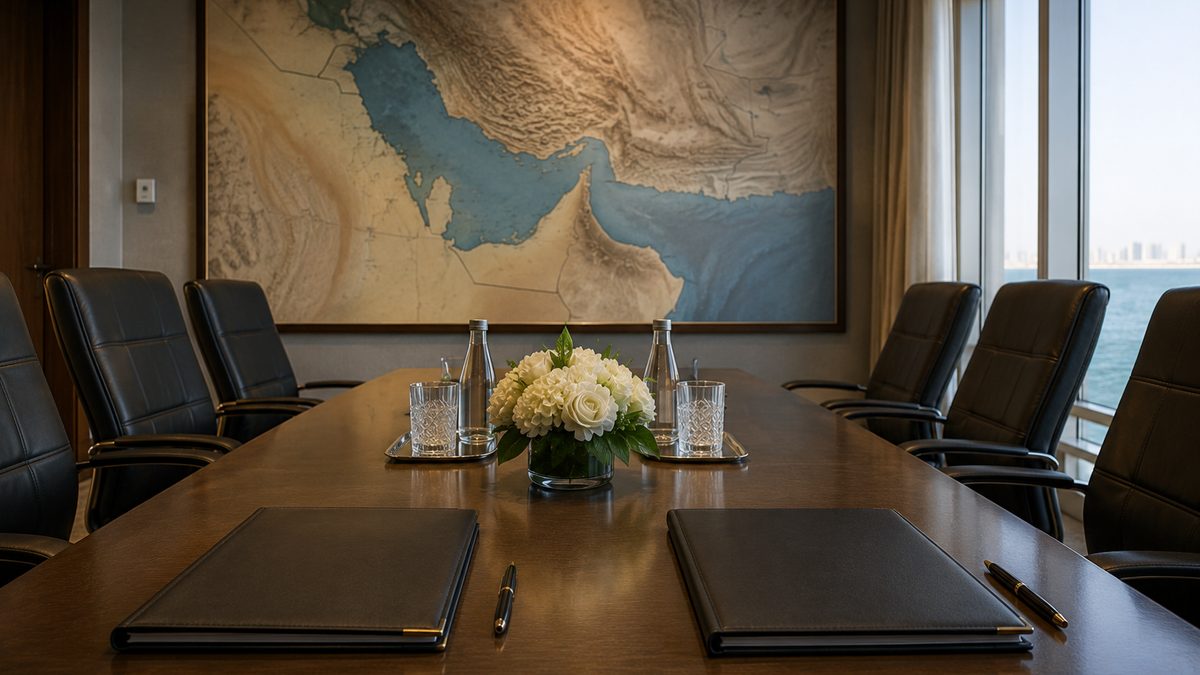
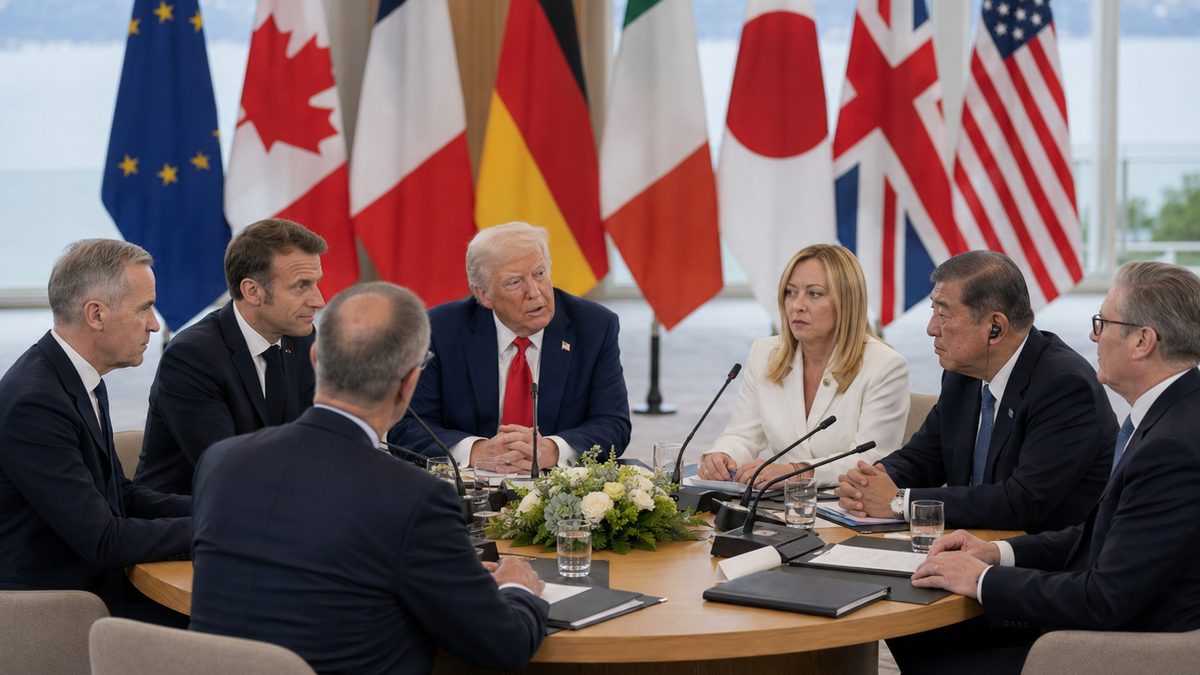
The U.S.-Iran agreement creates a pause in hostilities while leaving major nuclear and regional security questions unresolved. Editorial illustration by TheDailyGlobe.
Key Facts
- The U.S. and Iran have signed an initial agreement aimed at ending hostilities and reopening the Strait of Hormuz.
- Vice President JD Vance said the U.S. Navy has allowed more than a dozen ships through to Iranian ports under the deal.
- The agreement starts a 60-day period for talks toward a broader nuclear arrangement.
- Reports say Iran is expected to dilute highly enriched uranium while U.S.-backed sanctions relief allows Iranian oil sales to resume more freely.
- Major details remain unsettled, including verification, long-term enrichment limits and how the agreement will be enforced.
The United States and Iran have moved into a fragile diplomatic pause after signing an initial agreement intended to stop hostilities, reopen the Strait of Hormuz and begin a 60-day period for more detailed nuclear talks.
The agreement is the most significant step yet toward ending the recent conflict, but it is not a final settlement. It appears to trade immediate de-escalation and economic relief for a temporary framework that still leaves the hardest questions unresolved: Iran’s uranium stockpile, future enrichment limits, inspection rules, sanctions relief and what happens if either side says the other has broken the deal.
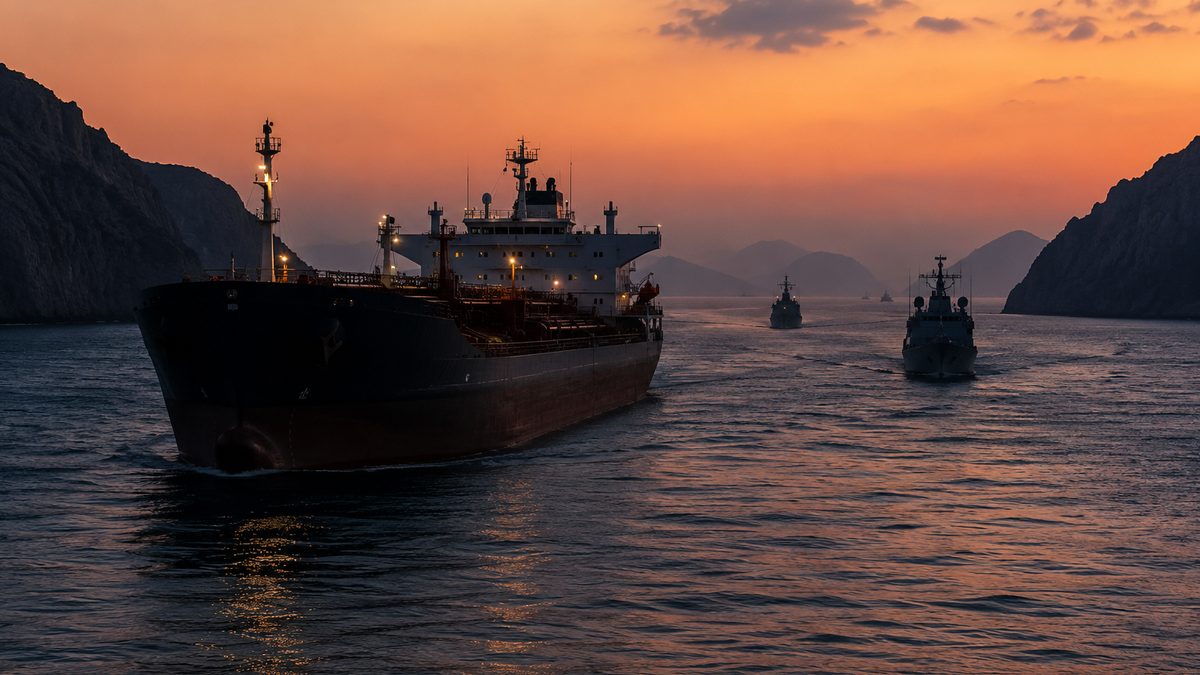
Vice President JD Vance said Thursday that the U.S. Navy had allowed more than a dozen ships through to Iranian ports, lifting a blockade as part of the agreement. The move is one of the first visible signs that the deal is being implemented rather than only announced. Associated Press reporting said the agreement also calls for Tehran to dilute its stockpile of highly enriched uranium while U.S.-backed sanctions are waived in a way that allows Iran to sell oil more freely.
For governments and markets, the Strait of Hormuz is the most immediate issue. The narrow waterway is one of the world’s most important energy routes. When shipping there is threatened or blocked, oil markets react quickly and the effects can move into fuel prices, shipping costs and inflation pressure. Reopening the route does not guarantee immediate relief for consumers, but it reduces one of the largest short-term risks hanging over the global economy.
That is why the agreement matters beyond Washington and Tehran. A prolonged closure or unstable reopening of Hormuz would affect countries that depend on imported oil, businesses that move goods across oceans, and families already dealing with high costs for food, transportation and energy. Even a partial return of normal shipping gives governments more breathing room while diplomats try to settle the nuclear and security terms.
The harder part is the nuclear file. Reports on the agreement indicate that Iran would dilute highly enriched uranium and continue negotiations toward a final deal, but the current arrangement does not appear to settle the long-term future of Iran’s nuclear program. The scope of international inspections, the limits on enrichment, the timeline for sanctions relief and the consequences for violations are still central questions.
That makes the next 60 days critical. If negotiators can turn the memorandum into enforceable terms, the deal could become a bridge to a more durable settlement. If they cannot, it may function only as a temporary pause that lowers immediate risk while leaving the underlying conflict intact.
The agreement is already drawing sharply different interpretations. The White House has presented it as a way to end the fighting, reopen a major shipping route and keep pressure on Iran through continued negotiations. U.S. officials have also warned that military options remain available if Iran fails to comply.
Iranian officials have framed the deal differently, presenting it as proof that Tehran did not surrender its position under pressure. That split is common in ceasefire diplomacy. Each government needs to show its own public that it gained something from the same document.
Critics in the United States and Israel are likely to focus on what Washington gave up before a final nuclear agreement was secured. Sanctions relief, renewed oil sales and the lifting of the blockade could be seen as major concessions if Iran’s long-term nuclear limits remain vague. Supporters will argue that stopping a war and reopening Hormuz were urgent priorities, especially with energy markets and shipping routes under strain.
Israel’s position could also shape what happens next. Israeli officials have expressed concern about agreements that leave Iran with too much nuclear capacity or regional room to maneuver. If Israeli operations continue elsewhere in the region, or if Iran-backed groups test the boundaries of the pause, the agreement could come under pressure before nuclear negotiators finish their work.
For now, the clearest way to understand the deal is as a pause with conditions, not a finished peace. It lowers the temperature, reopens a critical shipping route and creates space for nuclear talks. But it also delays the most difficult decisions.
The immediate question is whether both sides follow through on the first steps: ships moving, fighting stopping, uranium dilution beginning and negotiators meeting. The larger question is whether those first steps can become something lasting. Until the nuclear terms are written, verified and enforced, the deal remains a meaningful breakthrough — but a fragile one.
Reporting note: Reporting draws on Associated Press coverage, CBS News reporting, live updates from major international outlets, and official statements described by U.S. officials. This article treats the agreement as an initial memorandum and separates confirmed terms from unresolved nuclear, sanctions and enforcement questions. All claims must be reviewed by an approved editor before publication under TheDailyGlobe editorial standards.