U.S. Oil Sanctions Put Cuba's Energy Crisis Under New Pressure
The United States has sanctioned Cuba's state-owned oil and gas company, adding new uncertainty to an island already struggling with fuel shortages and recurring power outages.
Save Article
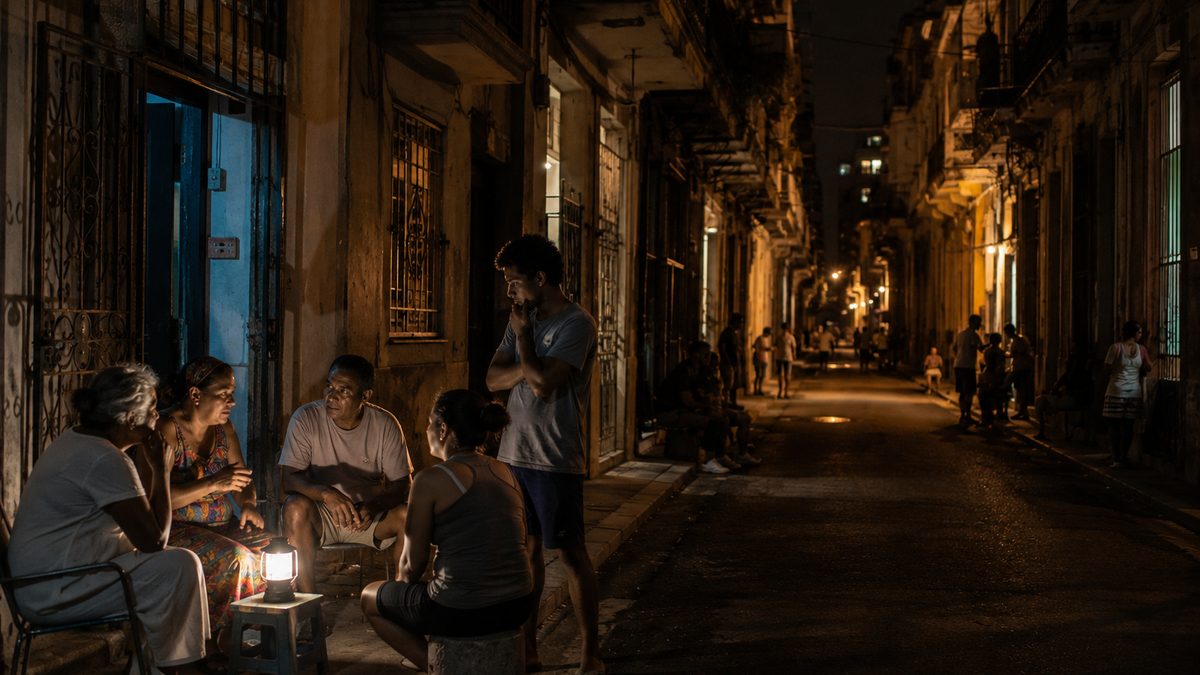
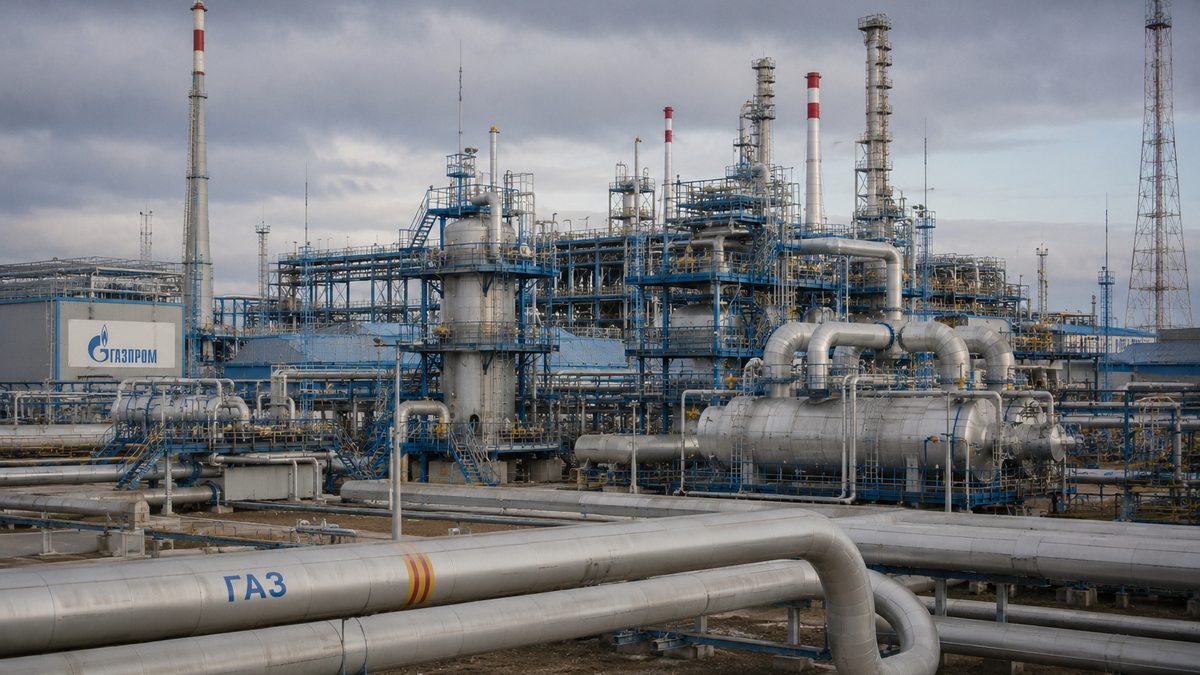
U.S. sanctions on Cuba's state oil company come as the island faces fuel shortages and recurring blackouts. Editorial illustration by TheDailyGlobe.
Key Facts
- The U.S. Department of State announced sanctions on Cuba's state-owned oil and gas company, Union Cuba-Petroleo, on June 11.
- OFAC added Union Cuba-Petroleo to its Specially Designated Nationals list the same day.
- The sanctions target Cuba's state energy company rather than the Cuban population directly.
- Associated Press reporting noted concerns that additional pressure on the energy sector could worsen hardships for vulnerable Cubans.
- The practical effects of the sanctions on fuel supplies and public services remain uncertain.
When fuel becomes scarce, the effects can spread quickly through daily life. Power outages become more common. Deliveries slow down. Small businesses struggle to operate. Hospitals, transportation systems, and households all feel the strain.
Those concerns are already familiar in Cuba, where recurring blackouts and energy shortages have become a major challenge in recent years. Now a new U.S. sanctions action is adding another layer of uncertainty to an already fragile situation.
On June 11, the U.S. Department of State announced sanctions against Cuba's state-owned oil and gas company, Union Cuba-Petroleo, commonly known as CUPET. The same day, the Treasury Department's Office of Foreign Assets Control, or OFAC, added the company to its Specially Designated Nationals list, a sanctions registry that restricts dealings involving designated entities.
What Washington Changed
The sanctions are part of a broader U.S. policy approach toward Cuba that seeks to apply economic pressure on the Cuban government. In announcing the action, U.S. officials described the measure as targeting a state-controlled company that plays a central role in the country's energy sector.
Adding an organization to the SDN list generally limits its ability to engage in transactions involving U.S. persons and can make international business relationships more difficult. The exact commercial consequences often depend on how financial institutions, suppliers, and other companies respond.
What is confirmed is that CUPET has been formally designated under U.S. sanctions authorities. What remains less clear is how quickly those restrictions will affect day-to-day energy operations inside Cuba.
Why Energy Matters Beyond Politics
For many Cubans, the story is not primarily about diplomacy. It is about electricity, transportation, refrigeration, and access to basic services.
Cuba has faced recurring energy shortages that have contributed to blackouts across parts of the country. Fuel availability affects power generation, public transportation, food distribution, and many other systems that people rely on every day.
That connection helps explain why sanctions involving the energy sector attract attention beyond government offices. Changes affecting fuel supplies can eventually influence how reliably essential services operate, even if the immediate effects are not visible right away.
Different Views of the Likely Impact
The sanctions action is also accompanied by competing interpretations about what may happen next.
U.S. officials have framed the move as pressure directed at Cuba's government and state-controlled institutions. Supporters of sanctions often argue that economic restrictions can influence government behavior by limiting access to resources and international transactions.
At the same time, Associated Press reporting cited experts and observers who expressed concern that additional pressure on the energy sector could deepen hardships for ordinary Cubans already coping with shortages. Those concerns are forecasts and opinions rather than established outcomes, but they are part of the debate surrounding the policy.
The available evidence does not yet show whether the sanctions will produce either result. The action itself is confirmed; its broader consequences are still developing.
Questions That Remain Unanswered
Several important questions remain unresolved. It is not yet clear how much the sanctions will affect fuel availability, whether power shortages will worsen, or how quickly any changes might appear.
Officials have not established a public timeline showing what effects, if any, the designation could have on electricity generation, private delivery services, transportation systems, or health-care operations.
Another open question is whether the policy will influence migration patterns. Some analysts have previously linked economic hardship and service disruptions to migration pressures, but there is currently no evidence showing that this specific sanctions action has produced such effects.
What to Watch Next
The next clues will likely come from developments inside Cuba's energy system rather than from additional political statements. Reports about fuel availability, power generation, and blackout frequency may provide a clearer picture of whether the sanctions are affecting daily operations.
Readers should also watch for future Treasury guidance, responses from Cuban officials, and updates from organizations that track economic and humanitarian conditions on the island.
For now, the sanctions announcement represents a confirmed policy change. Whether it remains primarily a diplomatic signal or becomes a factor in Cuba's already difficult energy situation is a question that has yet to be answered.
Reporting note: Reporting draws on U.S. government sanctions records, Treasury Department materials, Associated Press reporting, and reviewed background materials. This article was produced with AI-assisted research and reviewed by an editor before publication.