Why A U.S.-Philippine Patrol Near Scarborough Shoal Still Matters
Recent U.S., Philippine and Chinese patrols near Scarborough Shoal show why a small reef area remains tied to fishing access, shipping routes and U.S. security commitments.
Save Article
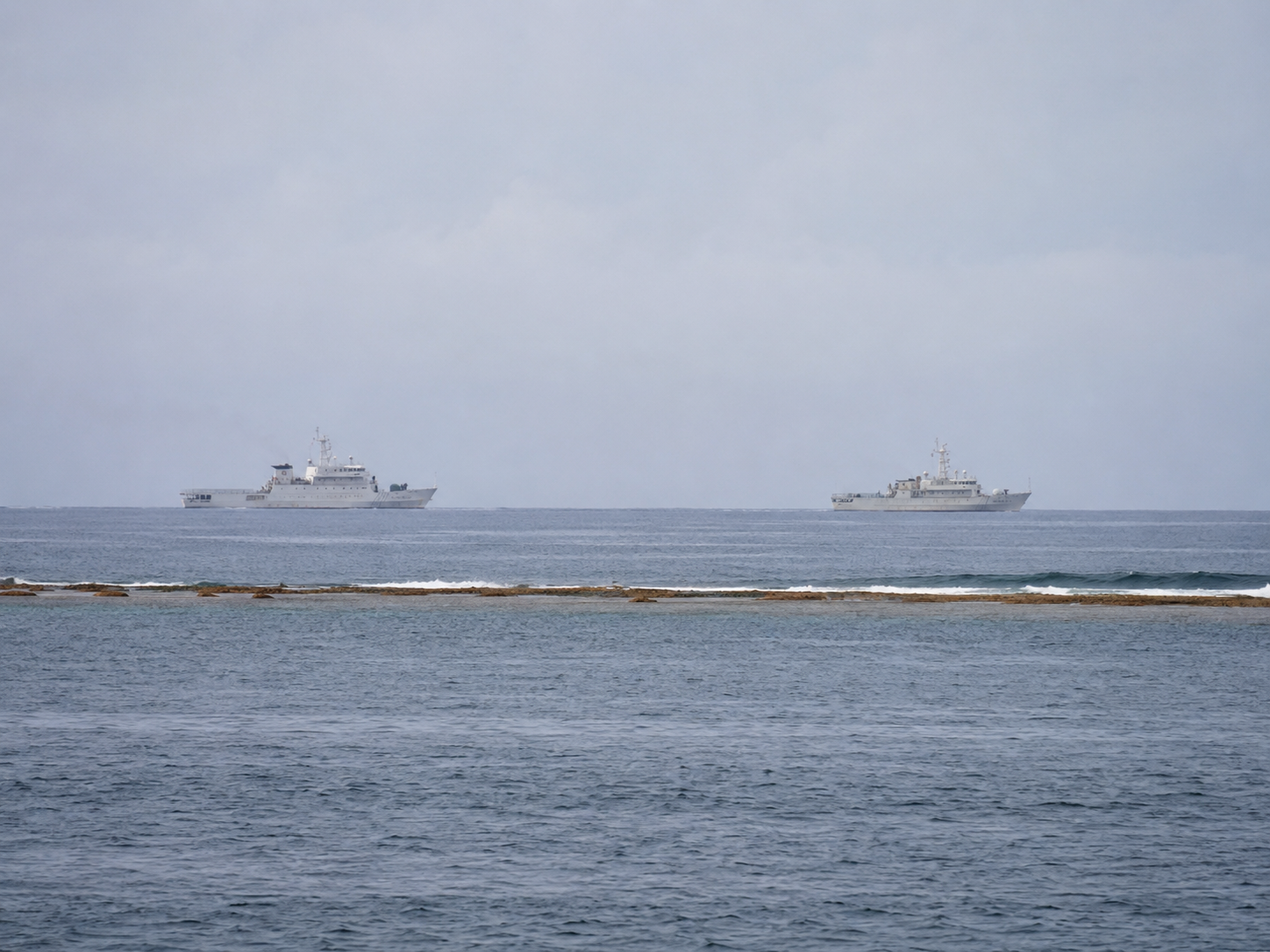
Small maritime patrols can carry larger stakes when they happen near disputed waters and treaty-linked security commitments. Editorial illustration by TheDailyGlobe.
Key Facts
- USNI News reported that U.S. and Philippine forces patrolled near Scarborough Shoal from May 26 to 30.
- The Straits Times reported that China's military and coast guard carried out patrols near Scarborough Shoal on May 31.
- The Associated Press reported in April that the Philippines opened a coast guard base on Thitu Island in the disputed South China Sea.
- U.S.-Philippines defense guidelines identify South China Sea threats as part of bilateral defense planning.
- It remains unclear whether recent patrols will become routine or lead to more frequent confrontations.
Scarborough Shoal is small on a map, but the questions around it are not small for the people and governments watching it. The area touches fishing access, coast guard patrols, shipping security and the United States' defense relationship with the Philippines.
U.S. and Philippine forces patrolled near Scarborough Shoal from May 26 to 30, according to USNI News. The Straits Times reported that China's military and coast guard also carried out patrols near the shoal on May 31.
The patrols do not mean a wider conflict is inevitable. They do show why the South China Sea remains a practical security issue, not just a dispute over lines on a map.
Why This Shoal Gets So Much Attention
Scarborough Shoal sits in one of the world's most contested maritime areas. China and the Philippines have competing claims there, and patrols around the shoal have become a visible way for each side to show presence without necessarily using direct military force.
For Filipino fishermen, the dispute can affect access to waters they have long depended on. For coast guard crews, it can mean repeated encounters with vessels from another country. For regional governments, it becomes a test of how much pressure can build at sea before diplomacy has to catch up.
That is why a patrol near a reef can matter more than it first appears. The concern is not only the patrol itself. It is whether repeated patrols, warnings and close encounters create more chances for a mistake.
The U.S.-Philippines Link
The United States is involved because of its defense relationship with the Philippines. U.S.-Philippines defense guidelines identify threats in the South China Sea as part of bilateral defense planning, which means maritime pressure near disputed areas can quickly become a Washington concern.
That does not mean every coast guard encounter would automatically trigger a larger U.S. response. The details of any incident would matter, including what happened, who was involved, whether force was used and how both governments interpreted the event.
Still, the patrol shows why U.S. readers should pay attention. A place many Americans may never have heard of can sit inside a chain of commitments, military planning and diplomatic signals that connect Manila, Beijing and Washington.
China And The Philippines Are Showing Presence
China's reported patrols near Scarborough Shoal came after the U.S.-Philippine activity. The timing keeps attention on a familiar pattern in the South China Sea: one side conducts a patrol or opens a facility, another side answers with its own presence, and each government frames the move through its own claims.
The Philippines has also been strengthening its coast guard posture in the disputed waters. The Associated Press reported in April that Manila opened a key coast guard base on Thitu Island, another location tied to the South China Sea dispute.
Those actions do not settle sovereignty claims. They do show that the dispute is being managed day by day through patrols, bases, statements and maritime operations rather than through a final political agreement.
What Is Still Unclear
The biggest unknown is whether the recent patrols signal a temporary show of presence or a longer-term shift. Patrol schedules are not always public, and governments may choose to increase or reduce activity without announcing every decision.
It is also unclear how China or the Philippines will adjust their patterns near Scarborough Shoal. More routine patrols could be managed without a major incident, but closer or more frequent encounters could raise the chance of confrontation.
The U.S. role is another open question. Washington's defense relationship with Manila is clear, but the response to a serious maritime clash would depend on the facts of the incident and the decisions made by U.S. and Philippine leaders at the time.
What To Watch Next
The next signs to watch are coast guard encounters, diplomatic protests and official U.S.-Philippine statements. Those will help show whether the latest patrols are treated as routine presence operations or as part of a more active phase around the shoal.
China's response will matter as well. If Chinese patrols continue or become more visible, the area could remain a regular flashpoint even without a single dramatic incident.
For now, Scarborough Shoal is a reminder that maritime disputes are not only about maps. They are about fishermen, patrol crews, shipping lanes, national claims and security promises that can turn a small reef area into a much larger test.
Reporting note: Reporting draws on defense reporting, regional reporting, official U.S.-Philippines defense guidance, maritime security reporting, and reviewed background materials. This article was produced with AI-assisted research and reviewed by an editor before publication.