Tuvalu's Climate Visa Shows What Planned Migration Looks Like
A new migration pathway between Tuvalu and Australia offers a rare example of governments trying to manage climate-related mobility before a crisis forces people to leave.
Save Article
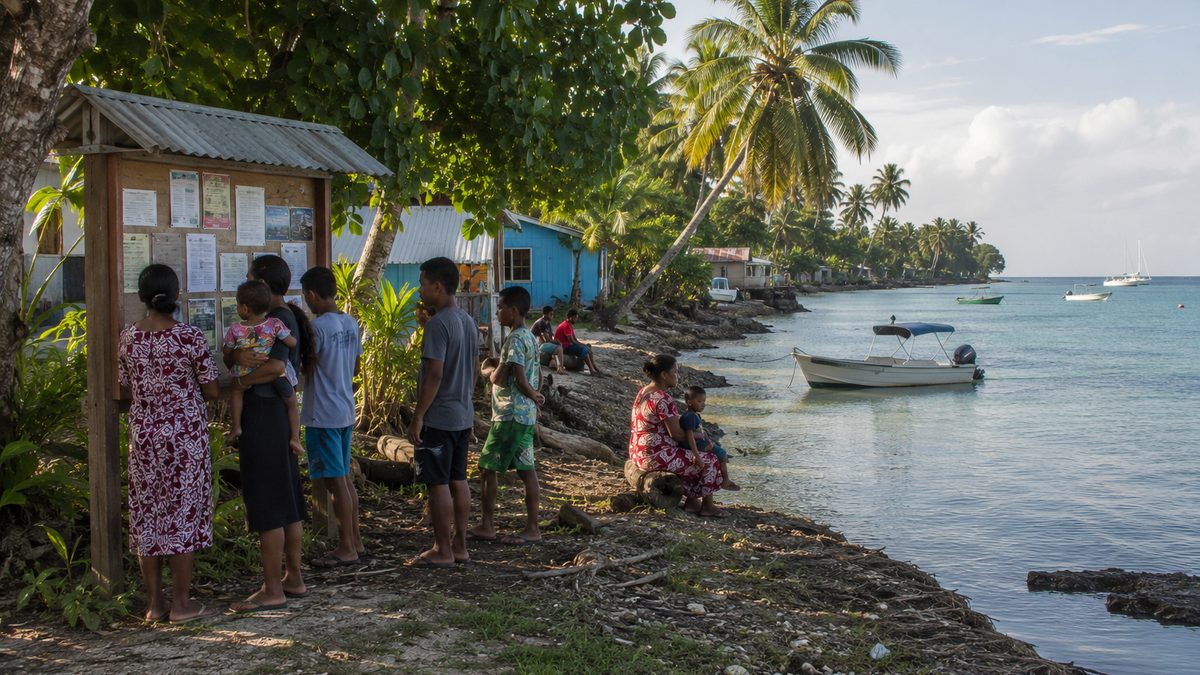
Tuvalu's migration pathway with Australia offers a concrete example of climate adaptation through planned mobility. Editorial illustration by TheDailyGlobe.
Key Facts
- The Australia-Tuvalu Falepili Union includes a pathway that allows eligible Tuvaluans to live, work, and study in Australia as permanent residents.
- Australian immigration materials say ballot selections for the 2026-27 program year began on June 9, 2026.
- ABC News Australia reported that a majority of Tuvalu's population had applied for the pathway.
- Australian government materials say the program is intended to support mobility, resilience, livelihoods, and skills development.
- Selection through the ballot process does not automatically guarantee visa approval.
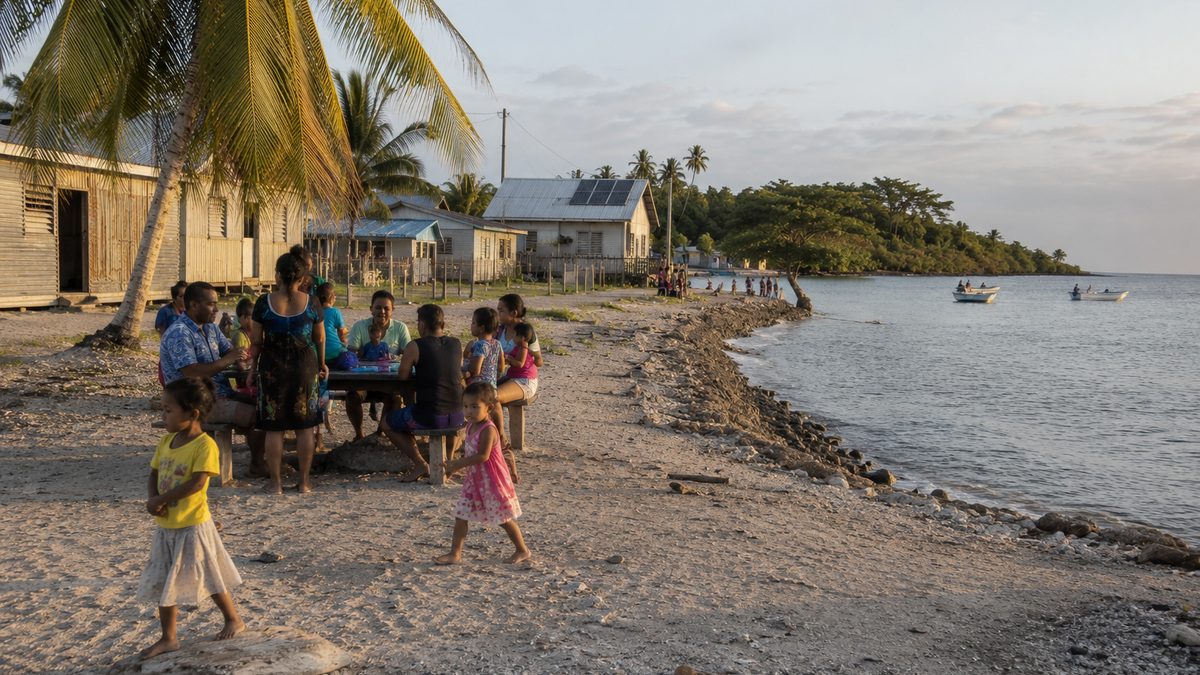
For many families in Tuvalu, the question is not simply whether climate change is real. It is whether to build part of their future somewhere else while still remaining connected to home. That choice has become more tangible through a new migration pathway that allows eligible Tuvaluans to seek permanent residency in Australia.
The program has attracted international attention because it offers something rarely seen in climate discussions: a real-world policy designed to provide mobility before a large-scale displacement emergency occurs. Rather than responding after a crisis, Australia and Tuvalu are testing a model that gives people an option to move through a structured system while their country continues pursuing adaptation efforts at home.
A Different Kind of Climate Policy
Many climate discussions focus on sea levels, storms, infrastructure projects, or emissions targets. The Falepili pathway approaches the issue from a different angle. It recognizes that some people may want the opportunity to live and work elsewhere while maintaining ties to their home country.
Under the arrangement, eligible Tuvaluans can pursue a pathway to permanent residency in Australia. According to official Australian materials, participants may live, work, and study there if they successfully move through the program's requirements.
The current news development is the opening of the ballot selection process for the 2026-27 program year. Australian immigration information says selections began from June 9, creating the next step in a program that has drawn considerable interest from Tuvalu residents.
Why Interest Has Been So High
ABC News Australia reported that a majority of Tuvalu's population had applied for the pathway. That figure does not mean a majority of the country will move. It does, however, suggest that many people view the option as valuable enough to pursue.
The appeal likely extends beyond climate concerns alone. Migration decisions are often tied to education opportunities, employment prospects, family connections, healthcare access, and financial stability. For some households, the pathway may represent a chance to diversify risk rather than permanently leave their country behind.
Families can maintain ties across borders through travel, communication, and remittances sent back home. Those connections have long been part of migration patterns throughout the Pacific region.
The Question of Identity and Sovereignty
One reason the program has attracted attention outside the Pacific is that it raises questions larger than immigration policy. How does a small nation preserve its identity if more citizens spend part of their lives abroad? How can migration support resilience without weakening local communities?
Neither Australia nor Tuvalu presents the pathway as a plan to empty the country. Official materials emphasize mobility and resilience rather than relocation of an entire population. At the same time, public discussions about national identity, culture, and long-term population trends remain active.
Those concerns are understandable because the long-term effects are not yet known. A program that helps families today may also shape demographics, labor markets, and community life in ways that will take years to understand.
What Remains Unclear
Several important questions remain unanswered. It is not yet clear how many applicants will ultimately be selected during the current ballot cycle. Selection also represents only one step in a larger immigration process.
It is also unclear how migration, remittances, domestic adaptation projects, and population trends will interact over time. Public information does not yet provide a complete picture of how the pathway could affect Tuvalu's long-term social and economic future.
What To Watch Next
The next developments will come through ballot results, future annual intake numbers, and updates from both governments about how the program is functioning in practice.
Beyond Tuvalu, policymakers around the world may be paying attention as well. The pathway offers a practical example of how governments can approach climate-related mobility through planning rather than emergency response. Whether other countries adopt similar models remains uncertain, but the program is already providing a real-world test of an idea that until recently was discussed mostly in theory.
Reporting note: Reporting draws on Australian government treaty materials, immigration program information, regional reporting, and reviewed background materials. This article was produced with AI-assisted research and reviewed by an editor before publication.