Asia-Pacific Aid Systems Are Being Stretched by Disasters and Funding Gaps
Humanitarian organizations say repeated disasters, growing needs, and funding pressures are making it harder for local responders across Asia and the Pacific to keep pace.
Save Article
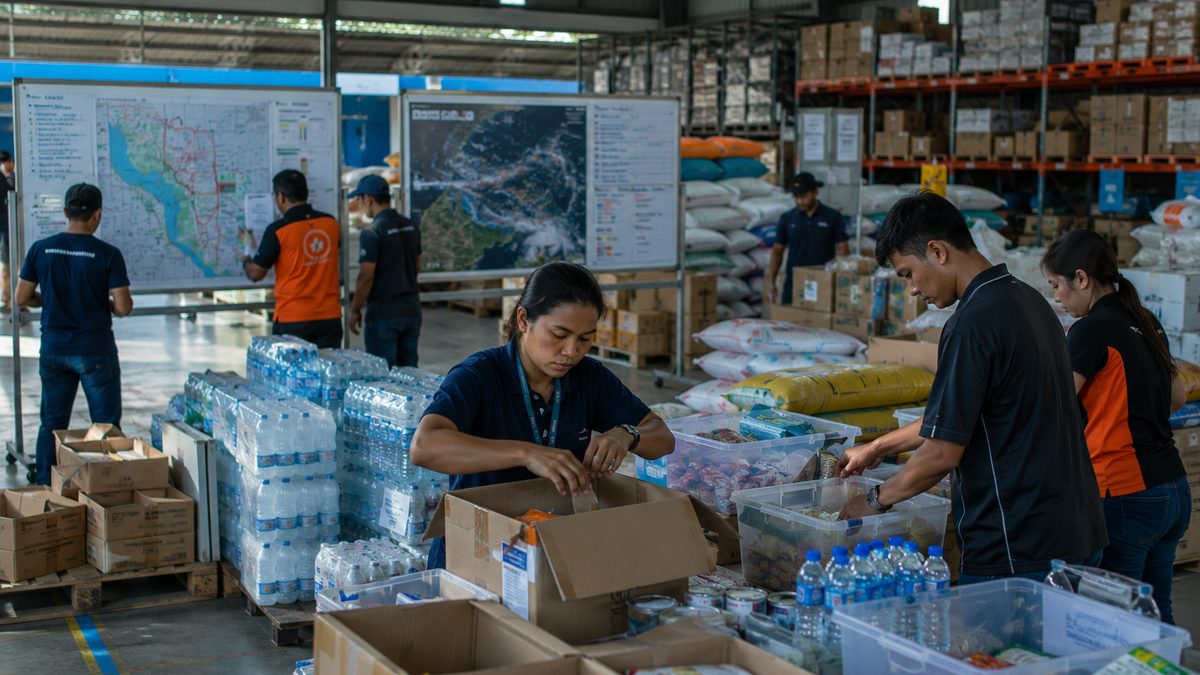
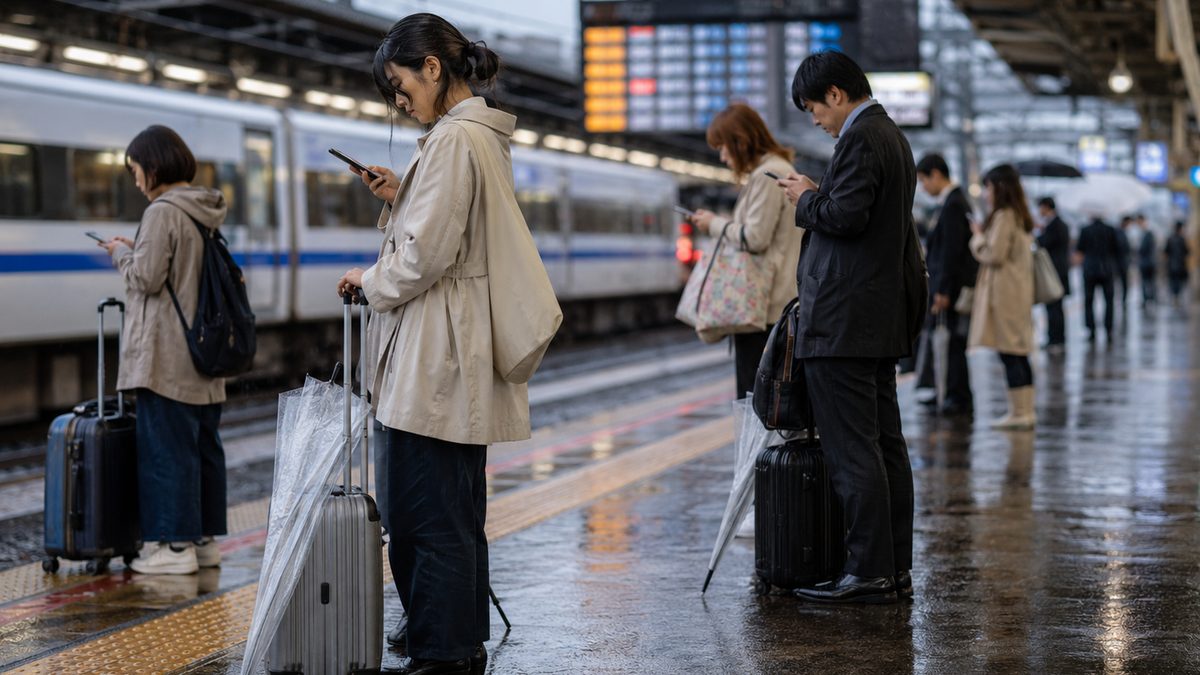
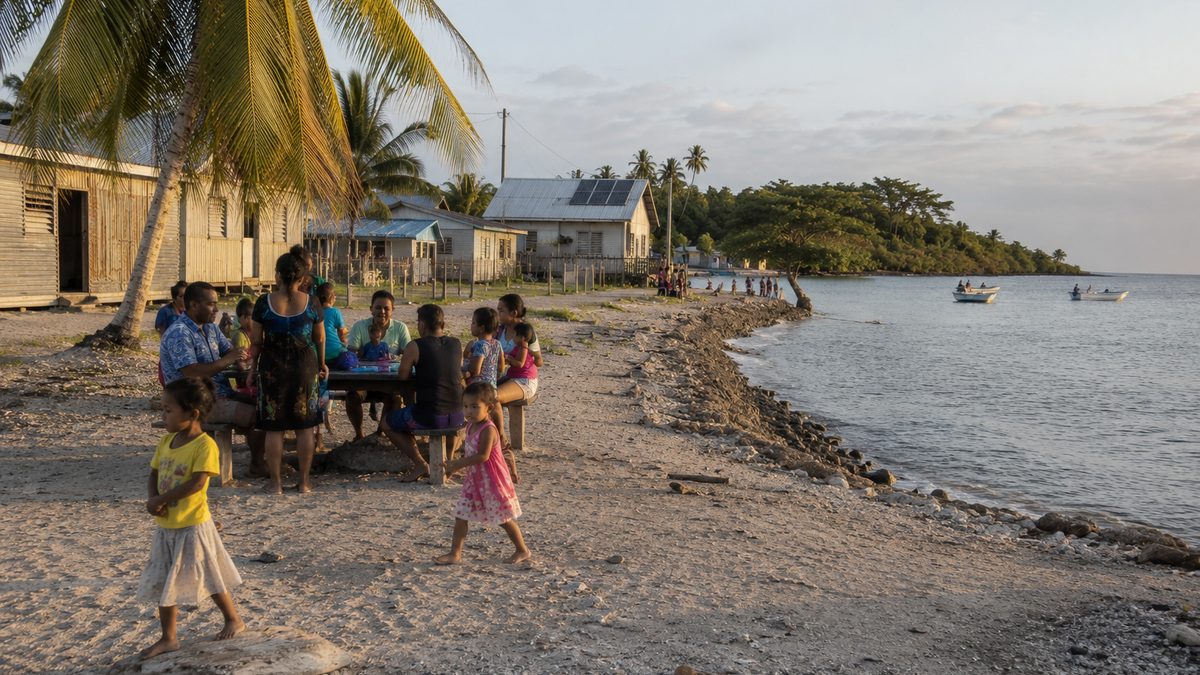
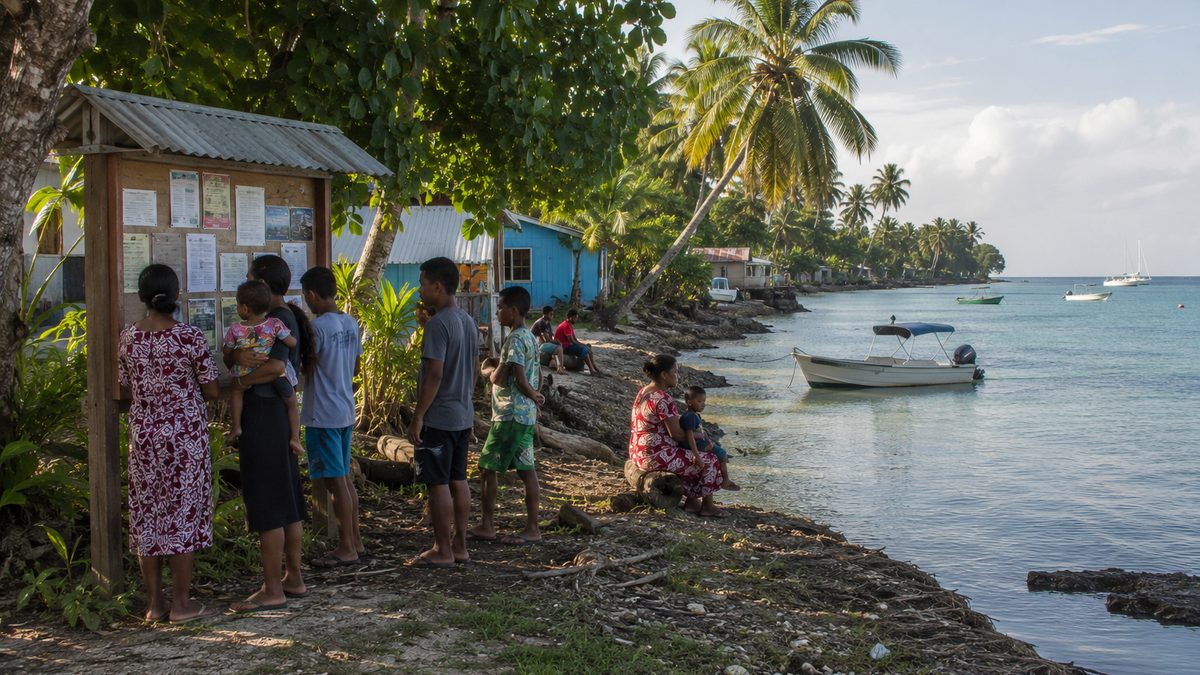
Aid groups say repeated disasters and funding pressure are stretching response systems across Asia and the Pacific. Editorial illustration by TheDailyGlobe.
Key Facts
- OCHA describes Asia and the Pacific as the world's most disaster-prone region.
- OCHA says humanitarian partners appealed for nearly $3.6 billion in 2026 to assist more than 46 million people needing life-saving aid.
- The IFRC says communities across the region are facing more frequent floods, cyclones, and heatwaves.
- The IFRC warns that shrinking resources are increasing pressure on local responders and affected communities.
- Humanitarian organizations caution that risks vary significantly between countries and disaster types across the region.
Floods, storms, heatwaves, and displacement rarely arrive one at a time. For emergency workers across Asia and the Pacific, one crisis often overlaps with another, forcing local responders to manage multiple challenges while preparing for whatever comes next.
That reality is becoming a growing concern for humanitarian organizations that operate throughout the region. Recent assessments from the United Nations and the International Federation of Red Cross and Red Crescent Societies suggest that the challenge is no longer just the number of disasters. It is also whether aid systems can continue keeping up with repeated demands while funding remains uncertain.
The issue matters because Asia and the Pacific include some of the world's most disaster-exposed communities, home to major population centers, critical trade routes, and millions of people vulnerable to severe weather and other humanitarian shocks.
A Region Facing Different Risks
One challenge in understanding Asia-Pacific humanitarian conditions is the sheer diversity of the region. A cyclone threat facing island communities is very different from drought conditions affecting agricultural areas or flooding that strikes densely populated cities.
For that reason, aid agencies caution against viewing the region as a single crisis zone. Countries face different hazards, have different response capabilities, and experience different levels of vulnerability. Some areas may be dealing with recovery from previous disasters while others are preparing for seasonal threats that have not yet arrived.
Even so, humanitarian organizations see a common pattern: repeated shocks can strain local systems over time, particularly when recovery efforts overlap with new emergencies.
Why Funding Matters Beyond Emergency Relief
The scale of need outlined by the United Nations helps explain why funding has become a central concern. OCHA's 2026 regional overview notes that humanitarian partners appealed for nearly $3.6 billion to assist more than 46 million people across Asia and the Pacific.
Those figures are not simply budget requests. They reflect planning for food assistance, emergency shelter, health services, water access, protection programs, and other forms of support that communities may need after disasters.
When funding falls short, organizations often face difficult decisions about where resources can be deployed and which needs can be addressed first. Humanitarian groups have repeatedly warned that local responders are frequently asked to do more with limited resources.
The Pressure on Local Responders
The IFRC says many communities across Asia-Pacific are experiencing more frequent and severe floods, cyclones, and heatwaves while displacement pressures continue to rise. At the same time, the organization warns that available resources are not always keeping pace with growing needs.
Local emergency workers are often the first people responding when disasters occur. They distribute supplies, help families reach safety, support temporary shelters, and coordinate with government agencies and aid organizations.
As disasters become more frequent in some locations, those systems can face cumulative strain. Recovery from one event may still be underway when another emergency begins, leaving responders with fewer opportunities to rebuild capacity between crises.
Why U.S. Readers Should Pay Attention
Many Americans may never directly experience the disasters affecting communities across Asia and the Pacific, but the region plays a major role in global trade, manufacturing, migration, and international economic activity.
Disruptions caused by severe disasters can affect shipping routes, supply chains, and economic activity that extend well beyond national borders. Humanitarian conditions can also influence migration patterns and regional stability, although the specific effects vary greatly from country to country.
The story is ultimately about resilience: whether communities and response systems can continue functioning when disasters occur repeatedly over time.
What Remains Unclear
Several important questions remain unresolved. It is not yet clear how much of the humanitarian funding appeal will ultimately be met or which countries may face the greatest pressure during the remainder of 2026.
Future weather conditions are also uncertain. Storm seasons, flooding risks, drought conditions, and heatwaves can vary considerably across the region, making it difficult to predict where needs may grow fastest.
Readers should watch future OCHA funding updates, IFRC operational reports, national disaster alerts, and assessments from local response agencies. Those indicators may provide the clearest picture of whether humanitarian systems are keeping pace with rising demands.
For now, aid organizations are emphasizing a simple point: disasters are often reported as separate events, but the people responding to them frequently experience them as part of a continuous challenge that tests resources, planning, and resilience across an enormous region.
Reporting note: Reporting draws on United Nations humanitarian materials, International Federation of Red Cross and Red Crescent Societies reporting, regional humanitarian planning documents, and reviewed background materials. This article was produced with AI-assisted research and reviewed by an editor before publication.