G7 Backs U.S.-Iran Deal as Questions Remain
The tentative agreement could reopen the Strait of Hormuz and extend a ceasefire, but major questions remain over sanctions, nuclear terms, enforcement and regional security.
Save Article
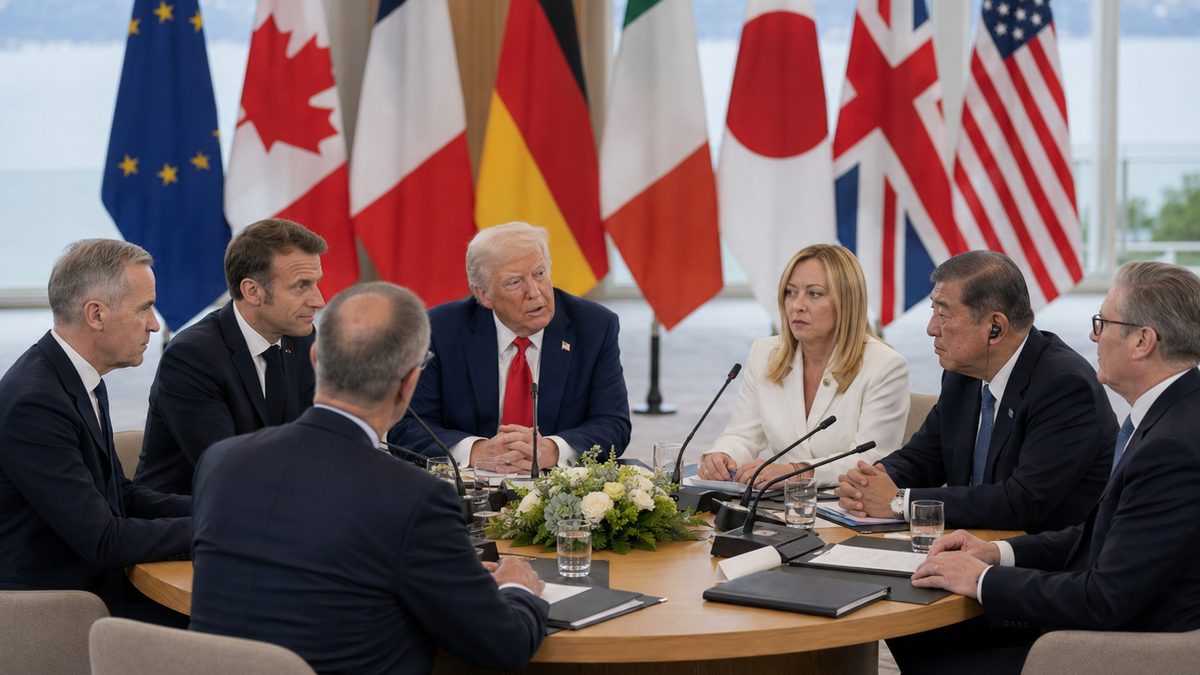
G7 leaders backed a tentative U.S.-Iran framework as officials and analysts questioned how the agreement would be implemented. Editorial illustration by TheDailyGlobe.
Key Facts
- G7 leaders backed a tentative U.S.-Iran framework during the summit in France.
- The agreement is expected to be signed Friday, June 19, in Switzerland, according to CBS News reporting.
- Reported terms include steps to reopen the Strait of Hormuz and allow Iranian oil sales.
- The full final text has not been publicly released.
- Major unresolved issues include sanctions relief, nuclear limits, enforcement, Iran’s missile program and regional conflict involving Lebanon and Hezbollah.
Leaders of the Group of Seven backed a tentative U.S.-Iran agreement Wednesday that could reopen the Strait of Hormuz, extend a fragile ceasefire and begin another round of negotiations over Iran’s nuclear program, sanctions and regional security. The agreement quickly became one of the day’s leading international stories because it touches several pressure points at once: global energy markets, U.S. diplomacy, Iran’s nuclear ambitions, Israel’s security concerns and the possibility of a wider regional conflict easing, at least temporarily.
The framework, described in multiple reports as a memorandum of understanding, is not yet a final peace agreement. CBS News reported that the United States and Iran are expected to meet Friday in Switzerland for a signing ceremony. Associated Press reporting said G7 leaders supported President Donald Trump’s tentative plan, while also noting that the administration has offered limited public detail about how the deal would be enforced.
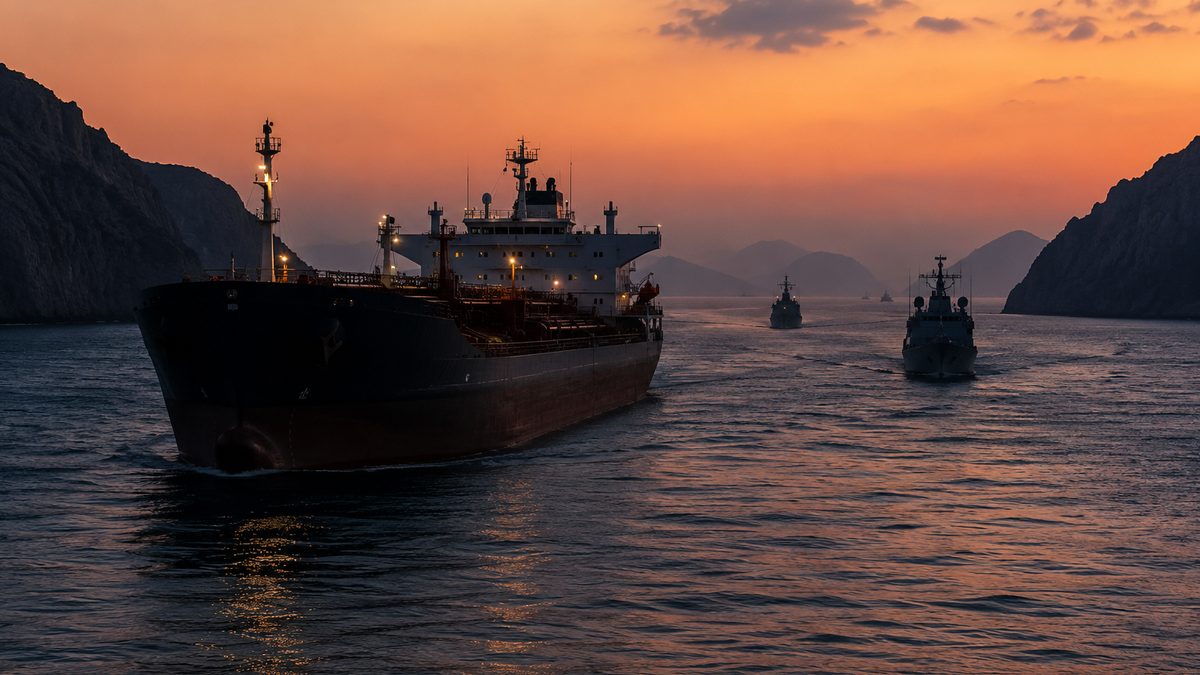
At the center of the agreement is the Strait of Hormuz, the narrow waterway that carries a major share of the world’s seaborne oil and gas traffic. AP reported that leaked copies of an interim agreement describe steps for Iran to reopen the strait and resume oil sales without restrictions once the deal is signed. If those terms hold, the deal could reduce pressure on energy prices and shipping routes. But the practical timeline remains uncertain, including how quickly vessels could move normally and what security guarantees would be in place.
ABC News reported that G7 leaders said they support the U.S.-Iran memorandum of understanding and are ready to contribute to its implementation. That support gives the framework broader diplomatic weight, but it does not remove the core uncertainty. The agreement appears to stop short of settling the hardest long-term questions, including what limits Iran would accept on uranium enrichment, what inspections would be allowed, how sanctions relief would be staged and what would happen if either side accused the other of violating the deal.
Trump defended the framework at the G7 while warning that the United States could resume military action if Iran failed to comply. The Guardian reported that Trump described the agreement as conditional and pushed back on concerns that it would require a major U.S. financial commitment to Iran. That posture reflects the political challenge facing the administration: presenting the deal as a diplomatic breakthrough while reassuring skeptics that Washington has not given away leverage too early.
The criticism is not limited to the president’s political opponents. Some Republicans and foreign-policy analysts have questioned whether the framework gives Iran immediate economic benefits before securing firm commitments on nuclear restrictions, missile development or support for armed groups in the region. Their concern is that reopening the strait and easing oil restrictions could deliver early relief to Tehran while postponing the most difficult security questions.
Supporters of the framework argue that diplomacy often moves in stages. From that view, the first priority is to stop active fighting, reduce the risk of disruption in a critical shipping corridor and create enough room for more detailed talks. A temporary agreement can be useful if it freezes the most dangerous conditions and gives negotiators a path toward a broader settlement. The risk is that a temporary agreement can also become a pause without a solution.
Lebanon remains one of the biggest complications. Some reported descriptions of the framework include language tied to a wider ceasefire involving Israel and Hezbollah. That could make implementation more difficult because the agreement would depend not only on Washington and Tehran, but also on actors and battlefield conditions outside the direct U.S.-Iran channel. Iran’s position, Israel’s security demands and Hezbollah’s role could all affect whether the deal lowers regional tensions or simply shifts them into a new phase.
For Americans, the most immediate effects would likely be economic rather than diplomatic. The Strait of Hormuz matters because instability there can ripple into fuel prices, shipping costs and broader market confidence. A credible reopening could help calm energy markets. A contested reopening, or a collapse of the agreement, could quickly restore uncertainty.
For now, the story sits between breakthrough and warning sign. The G7 has endorsed the framework, and a signing is expected later this week. But without a public final text, verified implementation steps and clear enforcement terms, the agreement remains tentative. It may become a major diplomatic opening. It may also become another temporary pause in a conflict whose central disputes are still unresolved.
Reporting note: Reporting draws on Associated Press coverage of the G7 statement and reported interim U.S.-Iran terms, ABC News live reporting on G7 support for the memorandum of understanding, CBS News reporting on the expected signing timeline, and The Guardian reporting on political reaction and unresolved diplomatic questions. The full final text of the agreement has not been publicly released, and several reported terms are based on preliminary or leaked descriptions. This draft This article was produced with AI-assisted research and reviewed by an editor before publication..