G7 Pressure on Russian Oil Signals a Renewed Focus on Sanctions and Air Defense for Ukraine
As G7 leaders meet, discussions around Russian oil revenue, new European sanctions, and Ukraine's air-defense needs suggest allies are leaning again on economic pressure alongside military support.
Save Article
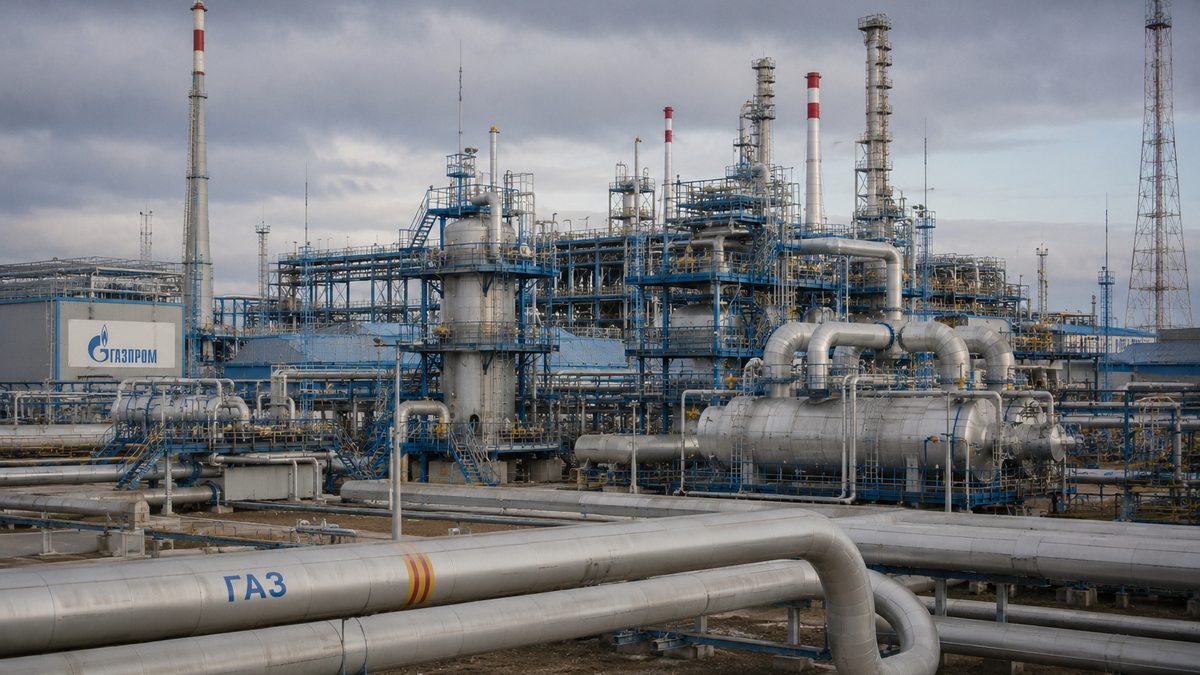
G7 leaders are weighing sanctions and air-defense support as Russia’s war in Ukraine remains central to alliance talks. Editorial illustration by TheDailyGlobe.
Key Facts
- President Donald Trump signaled a possible swift return of sanctions on Russian oil during G7 discussions, according to Associated Press reporting.
- G7 leaders discussed ongoing support for Ukraine, including air-defense requirements.
- The European Union announced a new package of sanctions targeting Russian energy revenues and networks that support the war effort.
- No formal new U.S. sanctions package had been announced as of June 16.
- Questions remain about the timing of additional air-defense deliveries and future allied commitments.
For much of the war in Ukraine, allied governments have relied on two main tools: helping Ukraine defend itself and trying to reduce the revenue Russia can use to sustain the conflict. At this week's Group of Seven summit, those same tools appear to be moving back to the center of the conversation.
Leaders gathering at the G7 discussed Ukraine's continuing need for air-defense support while also signaling renewed interest in economic pressure aimed at Russian energy exports. The combination suggests that, rather than introducing a dramatically new strategy, Western governments are once again emphasizing sanctions and military assistance as the most immediate levers available.
Why Oil Revenue Remains a Focus
Russian oil exports continue to play a major role in generating revenue for the Russian state. Since the invasion of Ukraine, Western governments have repeatedly tried to limit that revenue through sanctions, price caps, restrictions on shipping services, and other measures designed to make it harder for Russia to profit from energy sales.
The renewed attention at the G7 reflects a view shared by many allied governments that financial pressure remains one of the few tools available short of direct military involvement. By targeting energy income, policymakers hope to increase economic costs without expanding the conflict beyond Ukraine's borders.
At the same time, sanctions are rarely simple. Energy markets are global, and governments must weigh pressure on Russia against concerns about supply disruptions and price volatility. That balancing act has shaped sanctions policy throughout the war and remains a factor today.
Europe Moves Ahead With New Measures
While U.S. policy discussions continue, the European Union has already announced additional sanctions. According to the Council of the European Union, the new measures are aimed at Russia's energy revenues as well as networks that support the country's war effort.
European officials have argued that maintaining economic pressure is necessary as the conflict continues into another year. The latest actions fit within a broader pattern of gradually expanding restrictions while attempting to close loopholes that may allow sanctioned activity to continue through third parties or alternative channels.
For Ukraine, continued sanctions are viewed as a way to complement military support. Ukrainian officials have consistently argued that economic pressure and battlefield assistance work best together rather than as separate strategies.
Air Defense Remains a Critical Need
Alongside sanctions, G7 discussions also included Ukraine's air-defense needs. Protecting cities, infrastructure, and civilian areas from missile and drone attacks has remained a major challenge throughout the conflict.
Air-defense systems are often less visible in public debate than tanks, aircraft, or other military equipment, but they play a central role in protecting population centers and key facilities. For Ukraine, additional air-defense support can affect both military operations and daily civilian life.
Leaders have emphasized support for Ukraine's defense capabilities, though public reporting has not yet established exactly what new commitments, if any, may emerge from the current discussions.
What Is Still Unclear
Despite the attention surrounding the summit, several important questions remain unanswered. Most notably, President Trump signaled the possibility of renewed sanctions on Russian oil, but no formal U.S. sanctions action had been announced as of Tuesday.
It is also unclear how quickly additional air-defense assistance could reach Ukraine if new commitments are made. Announcements at international summits do not always translate immediately into operational support on the ground.
Another open question is how closely future U.S. actions would align with the new sanctions package already announced by the European Union.
What Readers Should Watch Next
The next developments are likely to be more important than the summit rhetoric itself. Readers should watch for any formal U.S. sanctions announcements, details of new G7 commitments, and specific air-defense support packages tied to Ukraine.
Those decisions will provide a clearer picture of whether allied governments are simply reaffirming existing policies or preparing to increase pressure on Russia through new economic measures and additional military assistance. For now, the clearest signal from the G7 is that sanctions and air defense remain at the heart of the international response to the war.
Reporting note: Reporting draws on government statements, official European Union materials, reputable international reporting, and reviewed background materials. This article was produced with AI-assisted research and reviewed by an editor before publication.