China's Ban on a Philippine Defense Chief Moves a Sea Dispute Onto Land
China's sanctions against Philippine Defense Secretary Gilberto Teodoro Jr. turn a maritime dispute into a diplomatic and personal restriction, adding another point of tension between the two countries.
Save Article
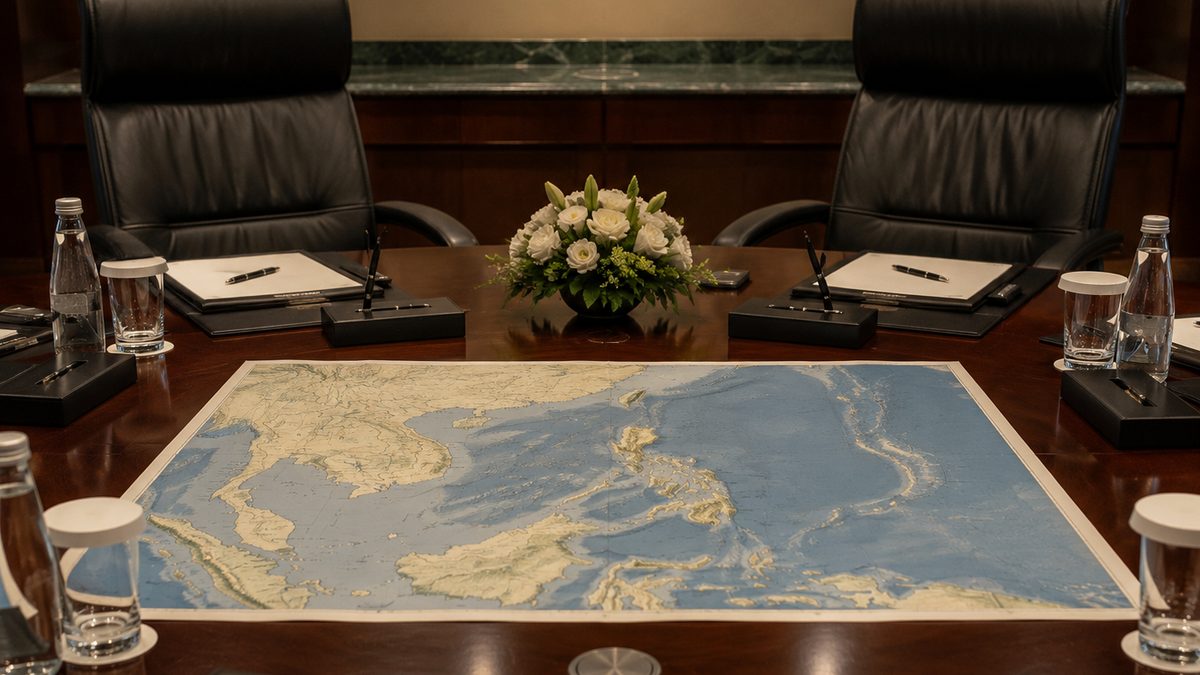
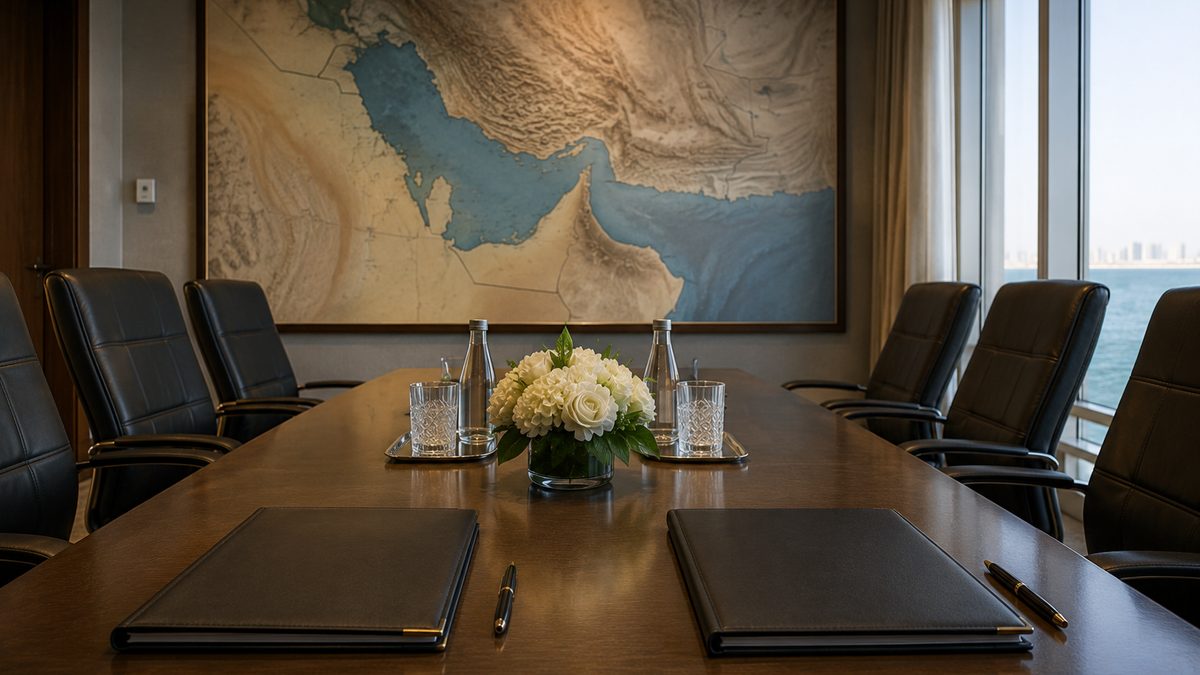
China's sanctions on a Philippine defense official add a new diplomatic layer to South China Sea tensions. Editorial illustration by TheDailyGlobe.
Key Facts
- China announced sanctions against Philippine Defense Secretary Gilberto Teodoro Jr. and his relatives.
- The sanctions include restrictions on entry into mainland China, Hong Kong, and Macao.
- China said the sanctions also restrict transactions or cooperation with Chinese entities and individuals.
- The Philippine Department of Foreign Affairs called the move an unfriendly act.
- The practical impact on security cooperation and maritime operations remains unclear.
Most territorial disputes play out on maps, at sea, or in diplomatic meetings. This week, one of Asia's most closely watched maritime disputes reached somewhere more personal: the travel and business activities of a senior government official and his family.
China announced sanctions against Philippine Defense Secretary Gilberto Teodoro Jr. and his relatives, marking an escalation in an already tense relationship between Beijing and Manila. The move shifts attention from disputed waters in the South China Sea to restrictions aimed directly at a top official in a U.S. treaty-allied country.
What China Announced
According to China's Foreign Ministry, the sanctions bar Teodoro and his relatives from entering mainland China, Hong Kong, and Macao. The ministry also said they would be prohibited from conducting transactions or cooperation with organizations and individuals in China.
Chinese officials presented the action as a response to remarks and positions they say have harmed China's interests. Beijing's statement framed the sanctions as a defensive measure, though the announcement did not outline broader enforcement details beyond the restrictions themselves.
The action stands out because sanctions are more commonly associated with major geopolitical disputes involving states, companies, or entire sectors. In this case, China directed the measures at an individual cabinet-level official and his family members.
How Manila Responded
The Philippine government reacted sharply. The Department of Foreign Affairs described the sanctions as an unfriendly act and said the decision complicates relations between the two countries.
Manila's response reflects a broader pattern in recent years as disagreements over the South China Sea have expanded beyond maritime encounters. Diplomatic protests, public statements, military cooperation initiatives, and competing legal and political claims have increasingly become part of the dispute.
While both governments continue to communicate through diplomatic channels, the exchange highlights how tensions can move beyond ships and coast guards into measures aimed at political leaders themselves.
Why U.S. Readers Should Pay Attention
For many Americans, the South China Sea can feel distant. Yet the Philippines occupies an important place in U.S. foreign policy because the two countries are linked by a longstanding mutual defense treaty.
That does not mean the United States is directly involved in this sanctions dispute. However, developments between China and the Philippines are often watched closely in Washington because they can influence regional security planning and alliance relationships throughout the Asia-Pacific region.
The sanctions also illustrate a broader reality of modern international competition. Disputes that begin over territory, shipping routes, or military presence can expand into travel restrictions, economic measures, and diplomatic pressure campaigns.
What Remains Unclear
Several important questions remain unanswered. China has not announced whether additional Philippine officials could face similar restrictions. There is also little public information about how the measures will affect Teodoro's official duties in practice.
It is also unclear whether the sanctions will influence ongoing discussions between Beijing and Manila or affect future interactions in disputed areas of the South China Sea. The available information does not establish any immediate change in maritime operations, defense planning, or regional security arrangements.
What Comes Next
The next developments will likely come through diplomatic channels rather than dramatic events at sea. Observers will be watching for any further sanctions announcements, Philippine government responses, or new diplomatic initiatives aimed at reducing tensions.
For now, the sanctions represent a notable shift in how the dispute is being expressed. The disagreement over reefs, waterways, and maritime claims remains unresolved, but the latest action shows that the consequences can extend beyond the sea itself and into the lives of the officials at the center of the conflict.
Reporting note: Reporting draws on official government statements, diplomatic materials, wire reporting, and reviewed background materials. This article was produced with AI-assisted research and reviewed by an editor before publication.