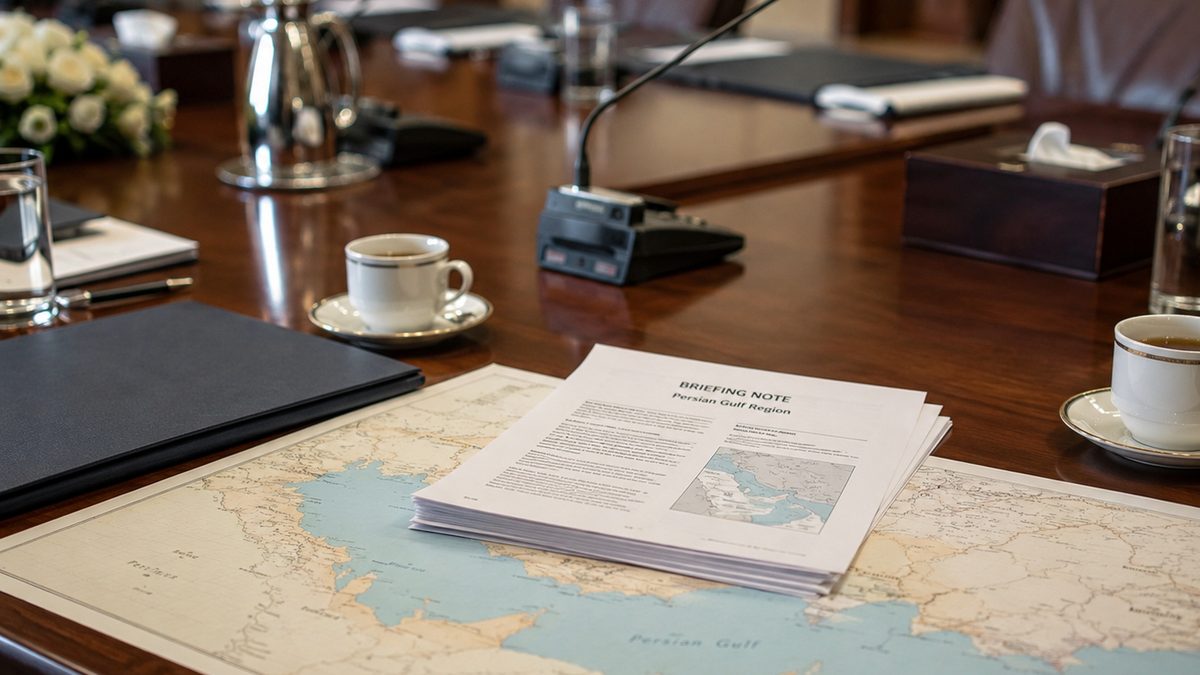
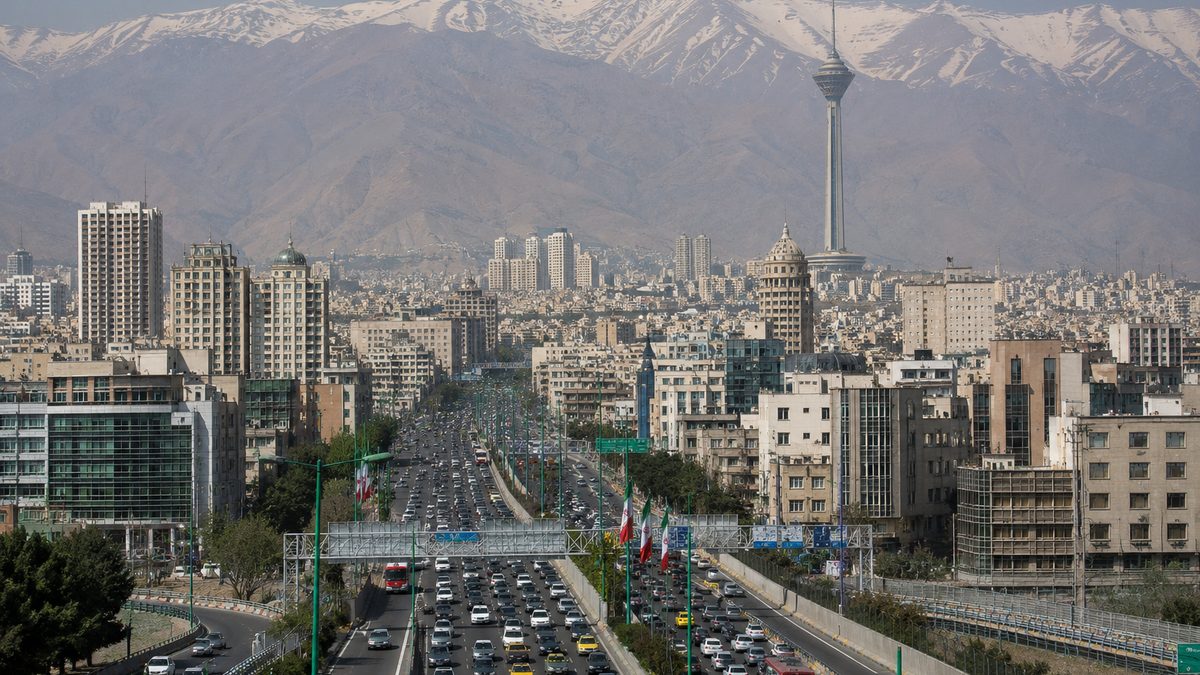
U.S.-Iran Talks Face New Strain After Reported Strikes
Reported U.S. strikes, Iranian warnings, and incoming fire described by Kuwait are testing fragile diplomacy around a conflict tied to U.S. forces and energy routes.
Save Article
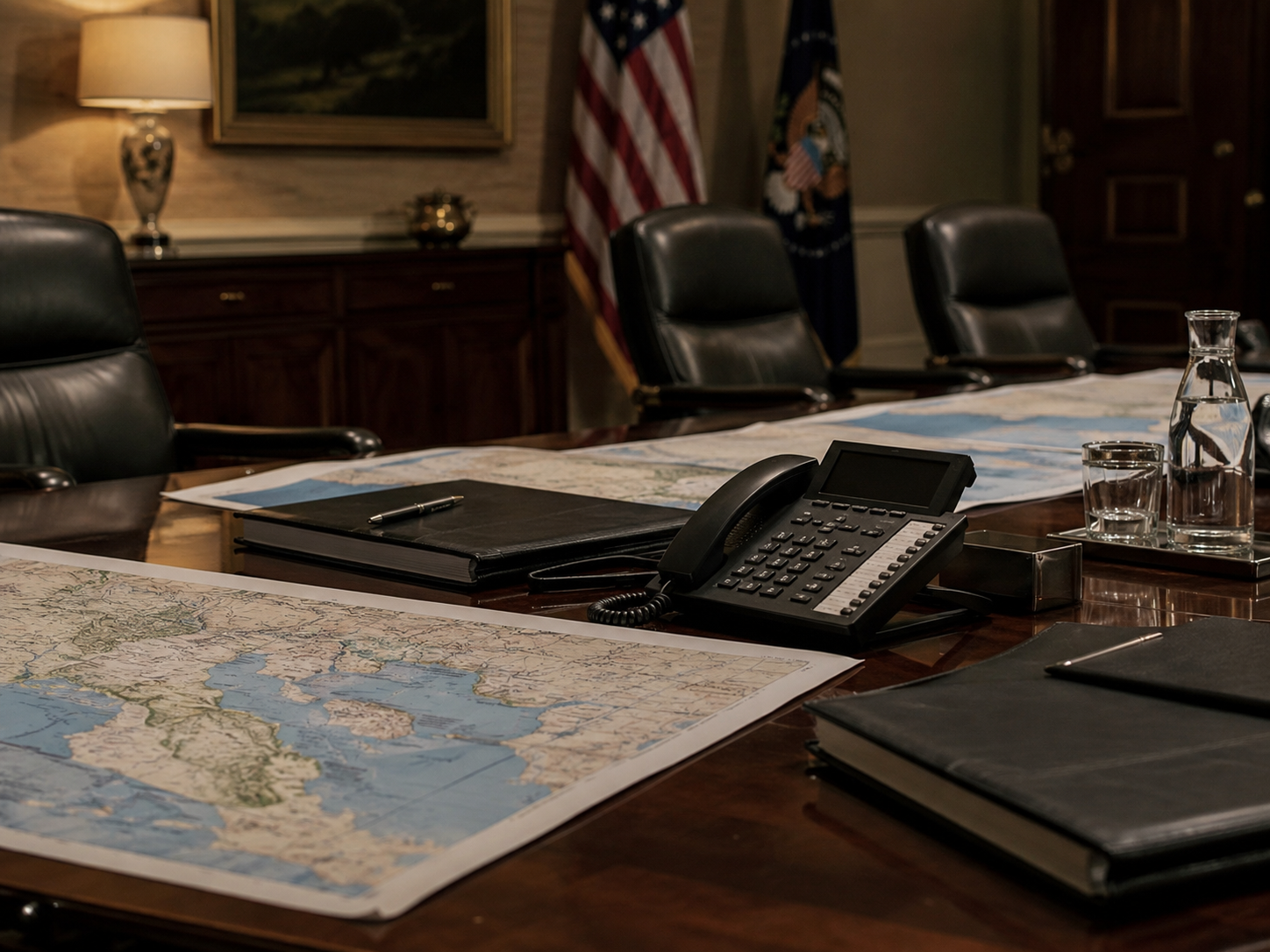
Fragile ceasefires are tested not only by statements, but by what governments do next. Editorial illustration by TheDailyGlobe.
Key Facts
- The Associated Press reported that the U.S. said it bombed radar and drone sites in Iran after Tehran shot down an American drone.
- AP also reported that Kuwait described incoming drone and missile fire.
- The Guardian reported in live coverage that Iran said it would suspend talks until Israeli operations cease.
- The U.S. State Department recently announced sanctions tied to Iran’s oil trade.
- The status of back-channel talks, the full military details, and the connection between reported attacks remain unclear.
A fragile ceasefire matters most when the people and systems around it cannot afford a mistake: service members stationed nearby, civilians in the region, governments trying to avoid a wider war, and energy routes that affect prices far beyond the Middle East.
That is the setting around renewed strain in U.S.-Iran diplomacy after reports of military action, incoming fire described by Kuwait, and Iranian statements that talks would be suspended until Israeli operations cease. The picture is tense, but it also requires caution. Some details are confirmed by official statements or major reporting; others remain claims that need further verification.
The central point for readers is not that talks have collapsed. The available record does not establish that. It is that reported military exchanges are making already difficult diplomacy harder at a moment when U.S. forces, regional governments, and energy markets are all exposed to the consequences of miscalculation.
What Was Reported
AP reported that the United States said it struck Iranian radar and drone sites after Iran shot down an American drone. That account places the U.S. action in the context of a direct military exchange, but the details should still be handled carefully because they involve active military claims.
AP also reported that Kuwait described incoming fire involving drones and missiles. It is not clear from the available record whether that fire was directly connected to Iran, whether it was part of the same sequence of events, or how governments in the region will characterize it after further review.
The Guardian’s live coverage reported that Iran said it would suspend talks until Israeli operations cease. That does not, by itself, prove that all diplomatic contact has ended. It does show that Iran is publicly linking its willingness to talk to military activity elsewhere in the region.
Why the Talks Matter
Ceasefire talks are often tested by the gap between public statements and military actions. Governments can say they want diplomacy while also taking steps they describe as defensive, retaliatory, or necessary. That gap is where misunderstandings can grow.
For U.S. readers, the immediate concern is not only foreign policy in the abstract. The story involves American forces, regional partners, energy trade, and the possibility that conflict could affect shipping and fuel markets. Those connections should not be overstated, but they are real enough to make the status of talks worth watching.
The Strait of Hormuz is part of that concern because it is a major route for global energy shipments. Claims about disruption or future restrictions need careful sourcing, but even the possibility of instability around Gulf shipping can draw attention from governments and markets.
The Pressure Around Iran’s Oil Trade
The military reports are unfolding alongside U.S. economic pressure on Iran. The State Department recently announced sanctions tied to what it described as Iran’s shadow oil economy, saying the measures were aimed at reducing revenue available to Tehran.
That sanctions context matters because diplomacy with Iran is rarely about one channel at a time. Military actions, oil revenue, sanctions, regional partners, and ceasefire conditions can all shape what governments are willing to say publicly and what they are willing to discuss privately.
Still, sanctions alone do not explain the latest military reports, and the available record should not be stretched to claim a direct cause-and-effect relationship. They are part of the wider pressure surrounding the talks, not proof of what caused any one decision.
What Is Still Unclear
Several key questions remain unresolved. It is unclear whether talks are formally suspended across all channels or paused through some contacts. It is also unclear whether Kuwait’s reported incoming fire was directly connected to Iran.
The exact military details also require caution. In fast-moving conflicts, governments often release partial information quickly, while independent verification takes longer. That does not mean the claims are false. It means they should be attributed until there is stronger confirmation.
Energy effects are another open question. Reports of instability can move markets, but it is not yet clear whether disruptions will continue, ease, or spread. Readers should watch for official shipping updates, energy-market data, and statements from governments directly involved.
What to Watch Next
The next useful signals will come from U.S., Iranian, Kuwaiti, Israeli, and international statements. The clearest updates would answer whether negotiations are still happening through any channel, whether governments provide more evidence about the reported strikes and incoming fire, and whether energy routes remain stable.
Until those details are clearer, the safest conclusion is measured: reported military action has put new pressure on already fragile U.S.-Iran talks, but the record does not yet support treating the talks as fully collapsed or the region as moving toward a settled next phase.
Reporting note: Reporting draws on wire reporting, live international coverage, official U.S. sanctions materials, and reviewed background materials. This article was produced with AI-assisted research and reviewed by an editor before publication.