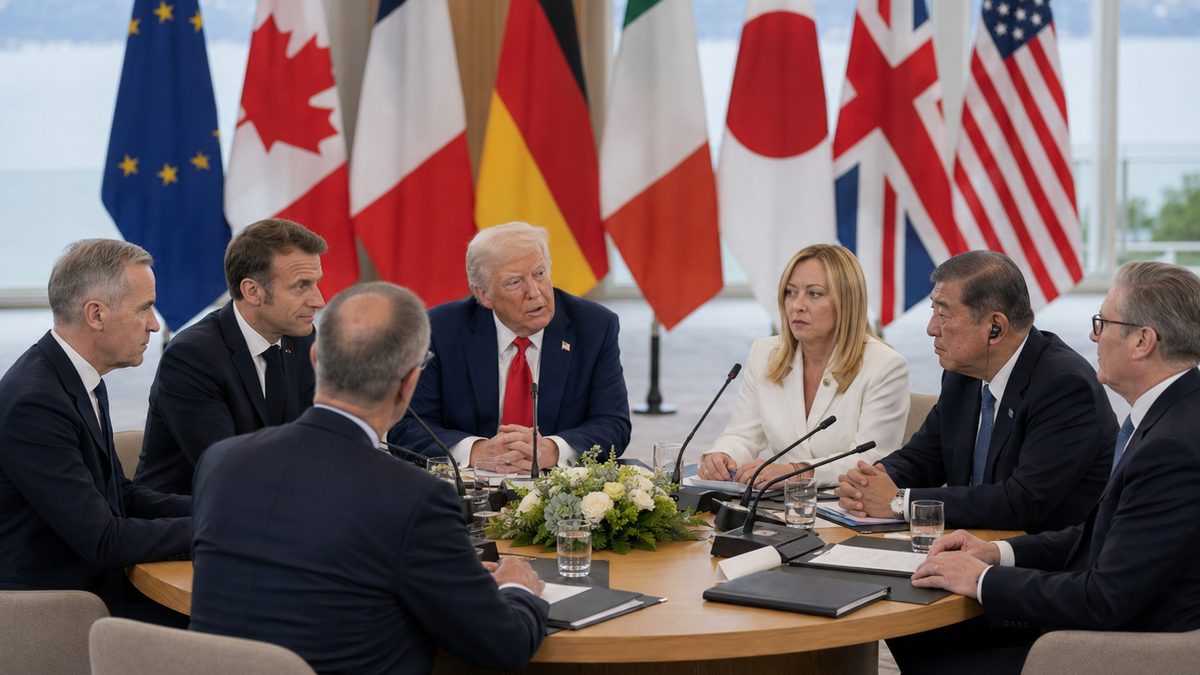
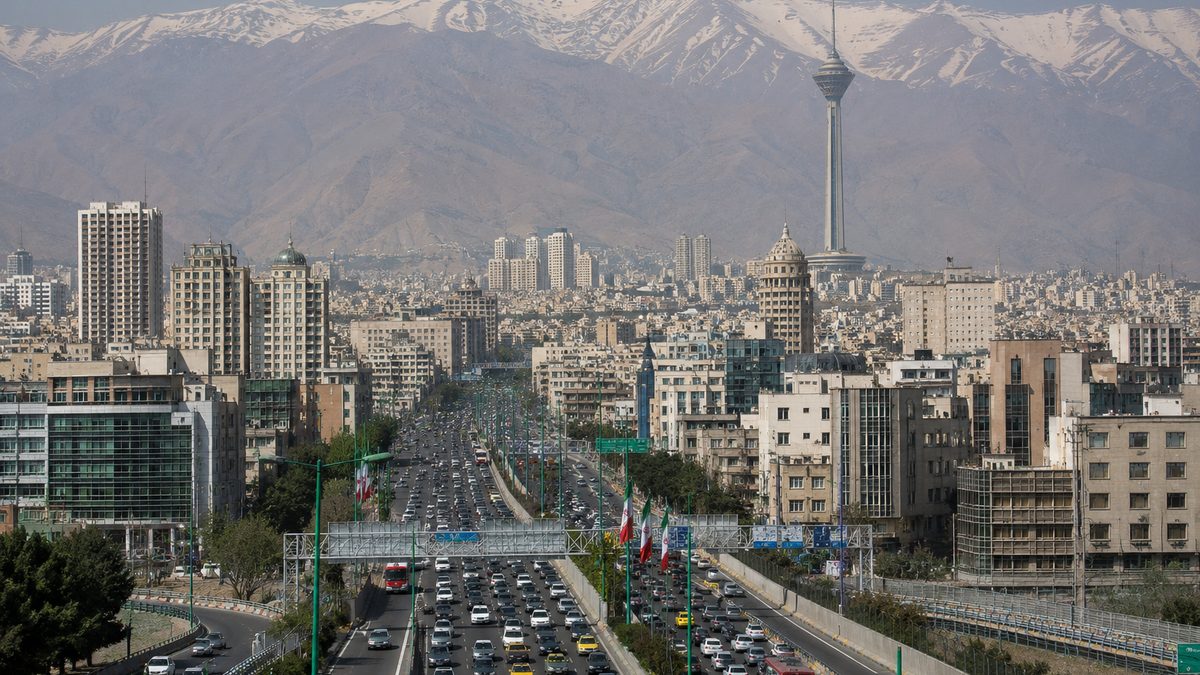
U.S.-Iran Talks Look Close, but a Final Deal Is Still Not Clear
Officials are signaling progress toward an agreement, but public statements from Washington, Tehran and mediators still leave key questions unresolved.
Save Article
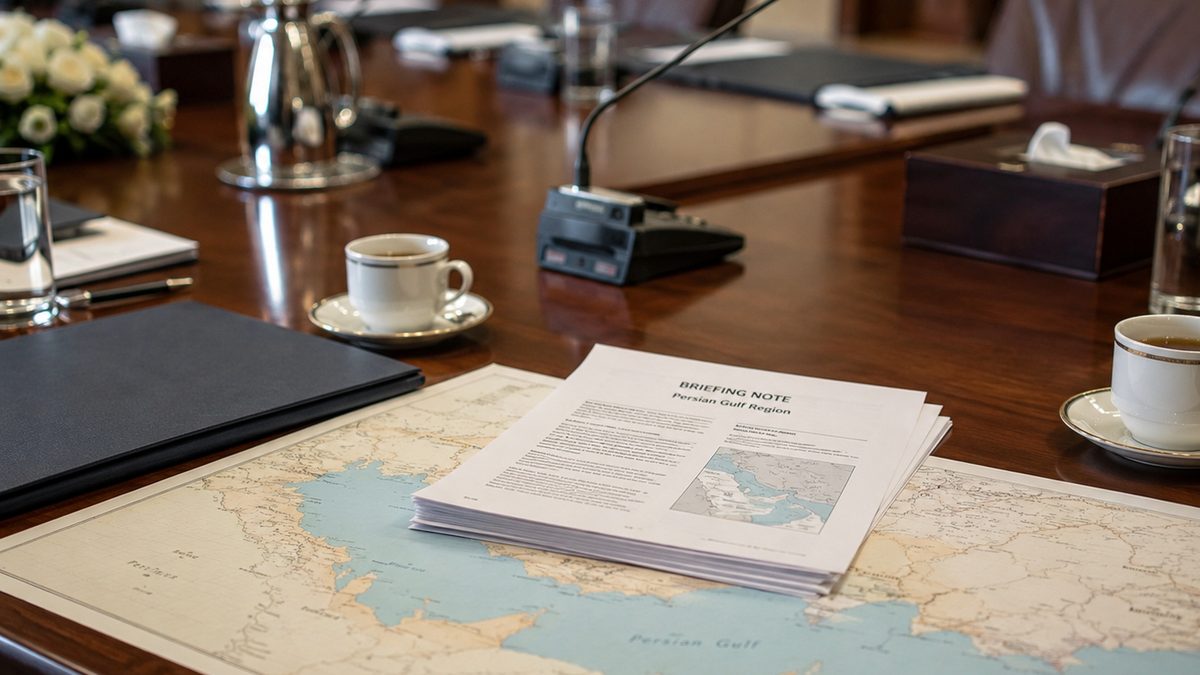
Diplomatic talks over conflict, sanctions and shipping routes remain unresolved as officials signal progress. Editorial illustration by TheDailyGlobe.
Key Facts
- Regional officials told The Associated Press that the United States and Iran were close to signing an agreement aimed at ending their war.
- Pakistan's prime minister said a final agreed text had been reached and that Islamabad was working with both sides on next steps.
- Public statements from Washington and Tehran still leave the final status unresolved.
- Reported terms involving nuclear material, sanctions and the Strait of Hormuz should be treated as proposals or claims unless formally confirmed by both governments.
- The next clear markers would be official statements from Washington and Tehran, public agreement text and specific implementation steps.
A possible U.S.-Iran agreement matters well beyond the negotiating room. If the talks produce a real deal, it could affect the risk of renewed fighting, sanctions pressure, shipping through the Strait of Hormuz and energy markets that touch households far from the Middle East.
But the most important word right now is possible. Officials and mediators are signaling progress, and Pakistan says a final text has been reached. Public statements from Washington and Tehran, however, still do not establish that both governments have formally accepted and begun implementing the same agreement.
What Changed in the Talks
The latest development is not a signed public agreement. It is a narrowing gap between diplomatic claims, mediator statements and public messaging from the two governments involved.
The Associated Press reported that regional officials said the United States and Iran were close to signing an agreement. Pakistan's prime minister went further, saying a final agreed text had been reached and that Pakistan was working with both sides on next steps. That makes the talks more concrete than ordinary diplomatic chatter.
Still, a mediator saying text has been agreed is not the same thing as both governments publicly confirming, signing and carrying out a deal. That distinction matters in a conflict where public statements can move faster than the actual process of implementation.
Why the Status Is Confusing
The confusion comes from the gap between claims of progress and proof of completion. U.S. messaging has pointed to movement toward a deal. Pakistan has presented the talks as nearing a result. Iranian statements, according to public reporting, have been more cautious about declaring the matter settled.
That does not mean the talks are fake or meaningless. It means readers should separate three different stages: negotiators getting close, mediators saying text exists, and governments formally accepting terms. Only the last step would make this a completed agreement.
The difference is especially important because the reported subjects are not small. Public reporting has pointed to possible terms involving nuclear material, sanctions and shipping through the Strait of Hormuz. Those are sensitive issues, and each would require more than a broad statement of progress.
What a Deal Could Touch
For U.S. readers, the practical stakes include military risk, energy prices and the possibility of wider instability if the talks fail. The Strait of Hormuz is one of the world's most closely watched shipping chokepoints for oil and gas. Any agreement that affects shipping commitments there would draw attention from governments, shipping operators and energy markets.
Sanctions are another major piece. If sanctions relief is part of the talks, the details would matter: which restrictions are eased, when they are eased, what Iran must do first and how compliance is checked. None of that should be treated as settled until it is confirmed in a formal way.
Nuclear issues would require the same caution. Reports of terms involving nuclear material are important, but the public record does not yet provide a full, verified account of what both governments have accepted. Any final deal would need clear language about obligations, timing and verification.
What Is Still Not Settled
The central unresolved question is whether Washington and Tehran have formally accepted the same final text. Pakistan's statement points to a possible breakthrough, but it does not independently prove that both governments have completed the process.
It is also unclear what implementation would look like. A ceasefire term is only meaningful if the parties stop fighting and if violations can be identified. Sanctions relief only matters once governments name the specific steps. Shipping commitments need practical follow-through, not just diplomatic wording.
That is why this story should be read as a serious diplomatic opening, not a finished peace agreement. The talks may be close. They may even have agreed language in some form. But the public evidence still leaves the final status unsettled.
What to Watch Next
The next test is whether Washington and Tehran issue matching formal statements. If they do, readers should look for public agreement text, a signing process, ceasefire terms, sanctions steps and any commitments tied to the Strait of Hormuz.
Until then, the safest reading is this: the talks appear closer than before, but close is not the same as complete. In a high-pressure conflict, that distinction is not nitpicking. It is the difference between diplomatic momentum and a deal that has actually begun to change events on the ground.
Reporting note: Reporting draws on government statements, reputable wire reporting, regional reporting, and reviewed background materials. This article was produced with AI-assisted research and reviewed by an editor before publication.