U.S. and Iran Move Closer to Possible Peace Deal, but Major Questions Remain
Pakistan says U.S. and Iranian negotiators have agreed on the wording of a possible peace agreement, but neither government has publicly confirmed a final signed deal.
Save Article
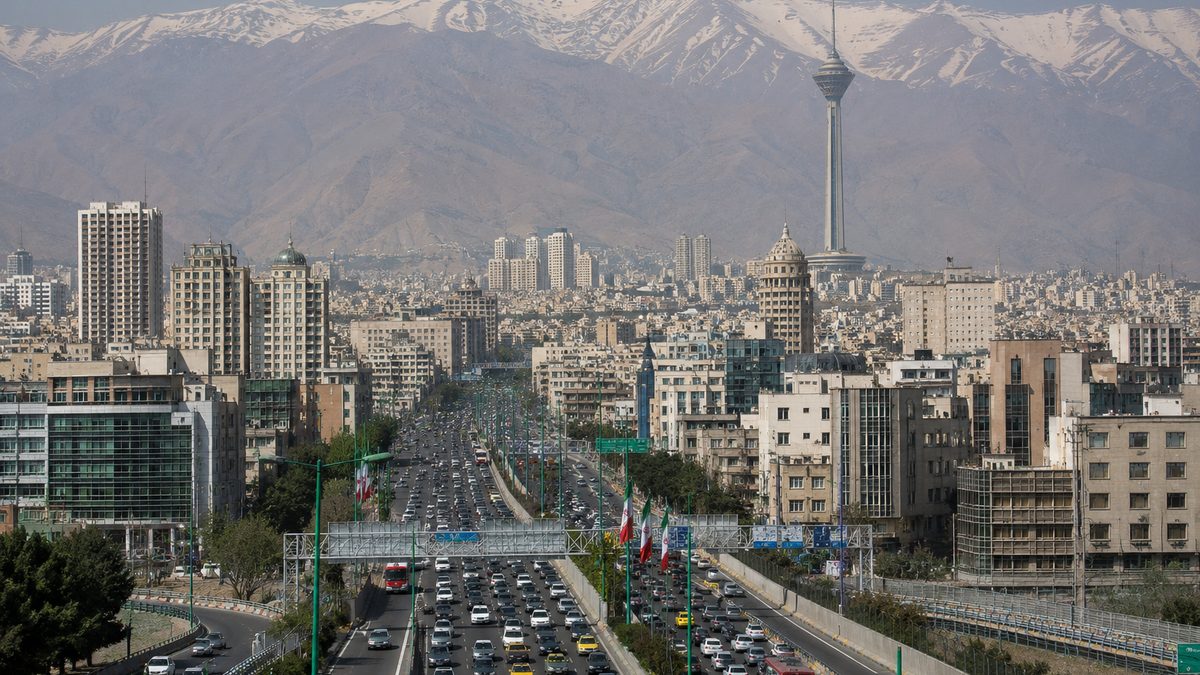
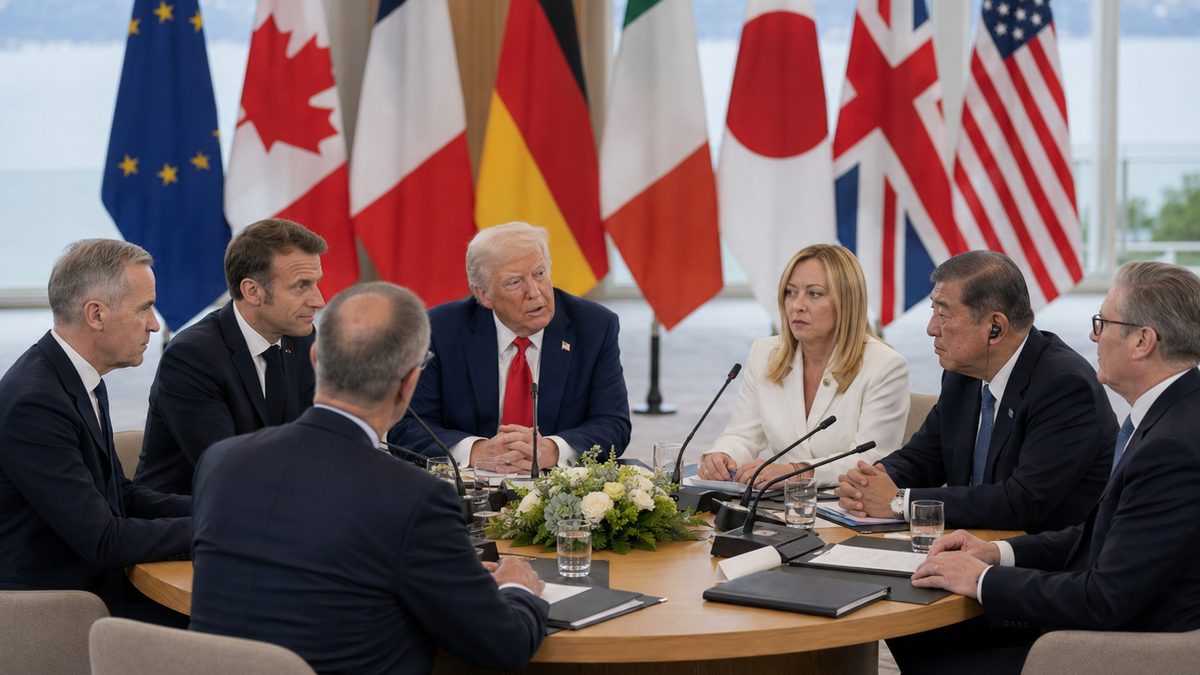
Pakistan said the United States and Iran had agreed to wording for a possible peace deal, though key steps remain unresolved. Editorial illustration by TheDailyGlobe.
Key Facts
- Pakistan's prime minister said the United States and Iran agreed on the wording of a peace agreement.
- Associated Press reported that mediators were working with both sides to finalize next steps.
- President Trump said Thursday that the United States and Iran could reach an agreement over the weekend.
- UPI and regional outlets reported Sharif's statement that negotiators had reached agreement on the text.
- No publicly released final signed agreement had been confirmed by both governments as of Friday.
A potentially important breakthrough emerged Friday in efforts to end the conflict between the United States and Iran, but the announcement came with an important caveat: the strongest claim came from a mediator rather than from the two governments themselves.
Pakistani Prime Minister Shehbaz Sharif said the United States and Iran had agreed on the wording of a peace agreement and that negotiators were working through the next steps. If accurate, the development would mark one of the most significant diplomatic advances in the conflict so far. Yet as of Friday, public reporting indicated that key questions about signing, implementation and verification remained unanswered.
For readers trying to understand the significance of the news, the distinction matters. Agreeing on language for a deal is not the same as signing it, carrying it out or proving that both sides will follow its terms.
What Changed in the Negotiations
The most important development was Sharif's public statement that negotiators had agreed on the language of a potential peace agreement. Multiple news organizations reported the statement, and Associated Press reporting indicated that mediators were continuing discussions with both sides about how to move the process forward.
President Trump added to expectations of a possible breakthrough by saying Thursday that an agreement could be reached over the weekend. Associated Press reporting also indicated that Vice President JD Vance was expected to attend a signing ceremony if an agreement is completed, though those plans remain preliminary and could change.
Taken together, the statements suggest negotiations may have moved beyond broad discussions and into the final stages of drafting and approval. What remains uncertain is whether all political, legal and security issues have been resolved.
Why the Talks Matter Beyond Diplomacy
A successful agreement would matter far beyond the negotiating table. Relations between Washington and Tehran affect military tensions across the Middle East, regional security calculations, global energy markets and long-running disputes connected to Iran's nuclear program.
For Americans, the story is primarily about foreign policy and stability. Any reduction in the risk of direct conflict could influence military planning, diplomatic relationships and energy-market expectations. Oil markets often react to developments involving Iran because of the country's role in global energy production and its position near key shipping routes.
At the same time, history offers reasons for caution. Diplomatic announcements frequently generate optimism before difficult implementation questions emerge. Agreements that appear close can still encounter political resistance, technical disputes or disagreements over enforcement.
The Biggest Questions Still Unanswered
The central uncertainty is whether both governments publicly confirm the same final text. Pakistan's statement confirms what the mediator believes has been achieved, but public reporting had not yet established that Washington and Tehran had jointly announced a completed agreement.
The actual contents of any deal also remain largely unknown. Reporting has not yet provided a complete public text outlining potential commitments involving sanctions, security arrangements, nuclear-related provisions, financial measures or compliance requirements.
Another unresolved issue is verification. Even if an agreement is signed, governments, international organizations and regional partners will want to understand how any commitments would be monitored and enforced over time.
What to Watch Next
The next stage of the story is likely to be defined by official confirmation. Readers should watch for direct statements from the U.S. and Iranian governments, details about a possible signing event and the release of any official agreement text.
Beyond that, attention will shift to implementation. A signed document would answer only one question. Governments, markets and regional partners would then focus on timelines, verification procedures and whether both sides follow through on their commitments.
For now, the clearest conclusion is that diplomacy appears to have advanced. Whether that progress results in a durable agreement remains the question that negotiators, governments and observers will be trying to answer in the days ahead.
Reporting note: Reporting draws on government statements, reputable wire reporting, regional reporting, diplomatic updates, and reviewed background materials. This article was produced with AI-assisted research and reviewed by an editor before publication.