U.S.-Iran Talks Near Framework as Hormuz and Nuclear Questions Remain Unsettled
Talks appear to be moving toward a possible framework to end the war and reopen the Strait of Hormuz, but Iran says a final agreement is not imminent and key nuclear details remain unresolved.
Save Article
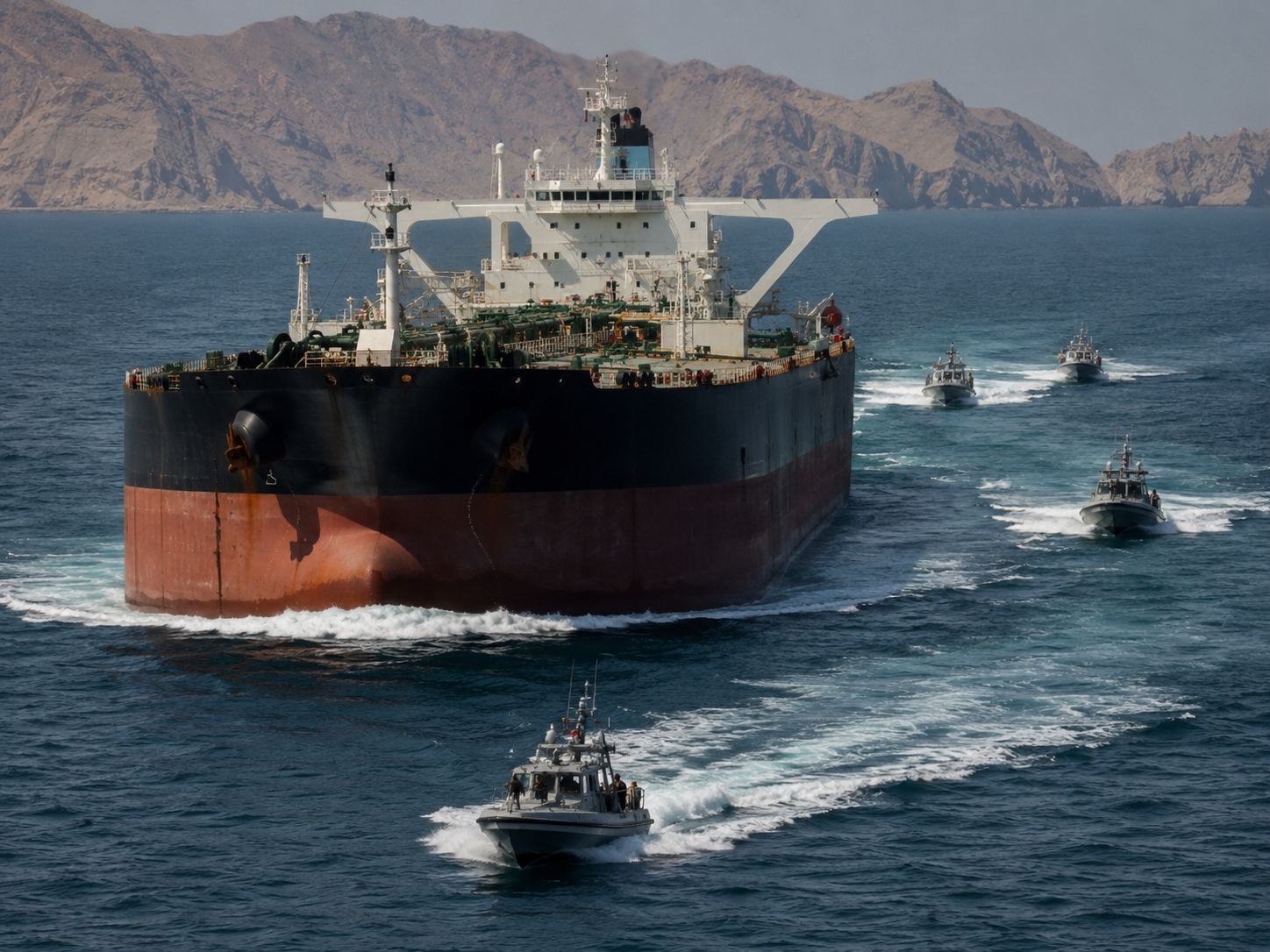
Talks appear to be moving toward a possible framework to end the war and reopen the Strait of Hormuz, but Iran says a final agreement is not imminent and key nuclear details remain unresolved. Editorial illustration by TheDailyGlobe.
Key Facts
- AP reported that the United States and Iran appear to be closing in on a deal to end the war and open the Strait of Hormuz.
- AP reported that Trump said negotiations were “proceeding nicely,” while warning fighting could resume if no deal is reached.
- AP reported regional officials described a possible framework involving Iran giving up its stockpile of highly enriched uranium, with details and timelines still to be worked out.
- The Guardian reported that Iran denied a final agreement was imminent, while acknowledging partial progress.
- The State Department said earlier in May that the United States and Gulf partners had drafted a UN Security Council resolution on freedom of navigation in the Strait of Hormuz.
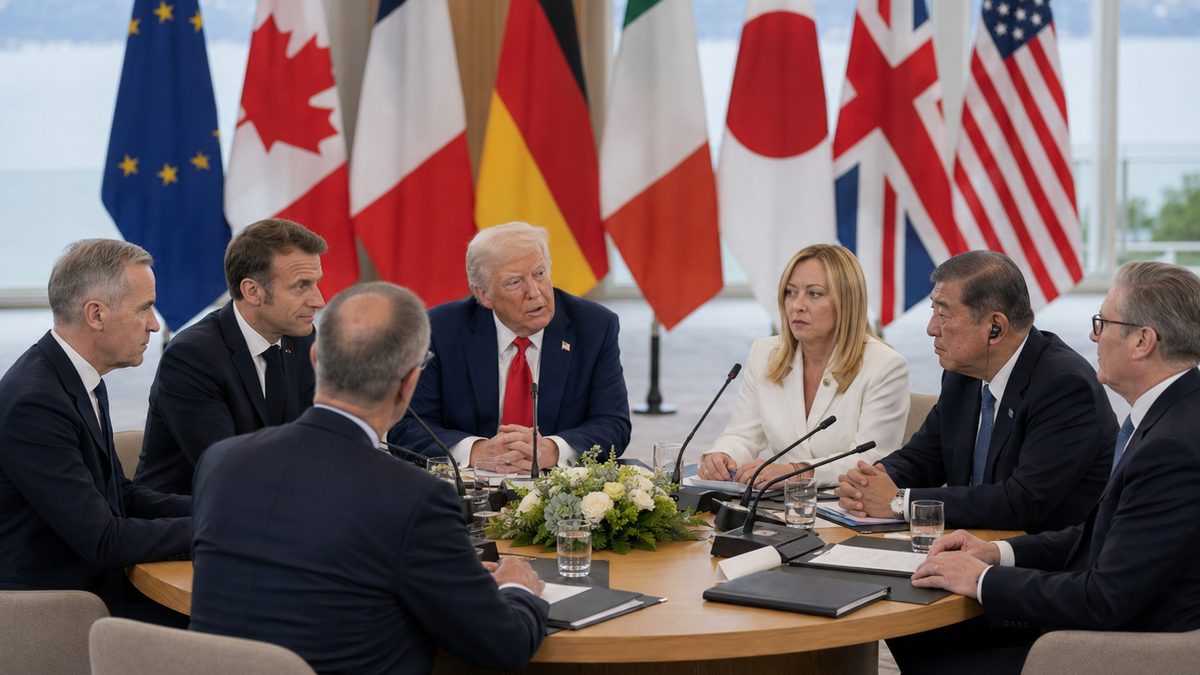
The United States and Iran appear to be moving closer to a possible framework to end the war and reopen the Strait of Hormuz, but the available reporting does not show a final deal.
The Associated Press reported that U.S. and regional officials described talks that could involve Iran giving up its stockpile of highly enriched uranium, with details and timelines still unresolved. President Donald Trump said negotiations were “proceeding nicely,” while warning fighting could resume if no agreement is reached, according to AP.
Iran has been more cautious in public. The Guardian reported that Iran denied a final agreement was imminent, while acknowledging some progress. That difference is the center of the story: talks may be advanced, but the most difficult questions have not been publicly settled.
Why Hormuz Is at the Center
The Strait of Hormuz is not just another shipping route. It is one of the world’s most important energy chokepoints, connecting the Persian Gulf to global markets. When the strait is threatened or restricted, the concern reaches beyond the Gulf because oil and gas shipments, insurance costs, shipping schedules, and market expectations can all be affected.
That is why reopening or securing Hormuz is central to the reported talks. A ceasefire or diplomatic framework would have limited value if ships remain at risk or if regional governments cannot count on predictable passage through the waterway.
The State Department said earlier in May that the United States and Gulf partners had drafted a UN Security Council resolution to defend freedom of navigation and secure the Strait of Hormuz. That official statement shows the maritime issue has been treated as a formal diplomatic priority, not just a side concern.
The Nuclear Question Is Still the Hard Part
The nuclear issue remains the most sensitive piece of the reported framework. AP reported that regional officials described a possible arrangement involving Iran giving up its stockpile of highly enriched uranium. But the source material does not confirm how that would happen.
That distinction matters. Giving up a stockpile could mean different things depending on the final terms. It could involve dilution, transfer, monitoring, a phased process, or another arrangement. The available source material does not settle which path is on the table or what verification would look like.
Iran’s public caution also matters. If Iranian officials say a final agreement is not imminent, readers should not treat the talks as finished. Negotiations can be close on broad language while still far apart on sequencing, inspections, sanctions relief, military posture, or public commitments.
For regular readers, the key point is simple: a nuclear framework is only as meaningful as its details. A phrase like “giving up” a stockpile sounds clear, but the real test is who controls the material, who verifies the process, and what happens if either side says the other is not complying.
What Each Side Is Saying
Trump’s public comments point to progress. AP reported that he said negotiations were moving well, while also warning that fighting could resume if a deal is not reached. That combination sends two messages at once: the White House wants to show momentum, but it is not taking military pressure off the table.
Iran’s public position, as reported by The Guardian, is more guarded. Tehran acknowledged some progress but denied that a final agreement was imminent. That is not a minor difference in tone. It signals that the parties may not agree on how close the talks really are, or at least may not want to describe the same moment in the same way.
Al Jazeera reported earlier that Trump said an Iran agreement was largely negotiated and awaiting finalization. That reporting fits the broader picture of advanced talks, but it should still be read alongside Iran’s denial that a final agreement is close.
The White House has also framed the recent conflict through its own military and diplomatic posture, including materials describing Operation Epic Fury and a ceasefire. Those materials are useful for understanding the administration’s stated position, but they should not be treated as neutral descriptions of the full diplomatic picture.
What a Framework Might Not Settle
Even if a framework is announced, it may not answer every major question. A framework can set broad commitments while leaving technical terms for later. That is often where difficult diplomacy either becomes real or begins to stall.
The unresolved issues include whether a final U.S.-Iran agreement will be signed, whether Iran’s enriched uranium stockpile would be diluted or transferred, and what monitoring system would apply. It also remains unclear whether the Strait of Hormuz would fully reopen and under what maritime rules.
Other questions may sit outside the core agreement or be handled separately. The available source material does not confirm whether Lebanon, Israel, Gulf states, or sanctions relief would be formally included in the final framework. Those issues are connected to the regional security picture, but they should not be folded into the deal unless the text or officials confirm it.
Why This Matters Beyond Washington
A U.S.-Iran framework would matter far beyond the negotiating table because the war, Hormuz, sanctions, and Iran’s nuclear program all touch different parts of the global system.
For energy markets, the Strait of Hormuz is the immediate concern. If ships can move more freely and safely, that can reduce pressure tied to supply fears. If the route remains uncertain, markets may continue pricing in risk.
For regional governments, the questions are security and credibility. Gulf states have a direct interest in keeping shipping lanes open. Israel and Lebanon could be affected by how any de-escalation is framed or whether other regional files are included. But the source material does not confirm how those issues would be handled in a final agreement.
For the United States, the talks carry both diplomatic and military stakes. A deal could reduce the chance of renewed fighting. A failed negotiation could leave the region facing the same dangerous questions, with the added pressure of public expectations raised by reports of progress.
What Happens Next
The next test is whether the talks produce a public agreement with specific terms. A broad announcement would not be enough on its own. The important details would include nuclear material, verification, sanctions, Hormuz access, enforcement and what each side agrees to do first.
If the parties announce only a framework, the follow-up documents may matter more than the headline. If they fail to reach one, Trump has warned that fighting could resume, according to AP.
For now, the clearest reading is cautious. The talks appear serious and advanced. Hormuz and nuclear stockpile questions are at the center. But Iran says a final agreement is not imminent, and the source material leaves key parts of the possible deal unresolved.
Reporting note: Reporting draws on wire reporting, U.S. State Department materials, White House materials, regional reporting, international reporting, and reviewed diplomatic context. This article was produced with AI-assisted research and reviewed by an editor before publication.