U.S.-Iran Standoff Deepens as Strait Closure Puts Diplomacy, Oil Markets and Trump-Xi Talks Under Pressure
The conflict has moved beyond a military and diplomatic crisis, with the closed Strait of Hormuz adding pressure to oil markets, inflation concerns and high-stakes talks between Washington and Beijing.
Save Article
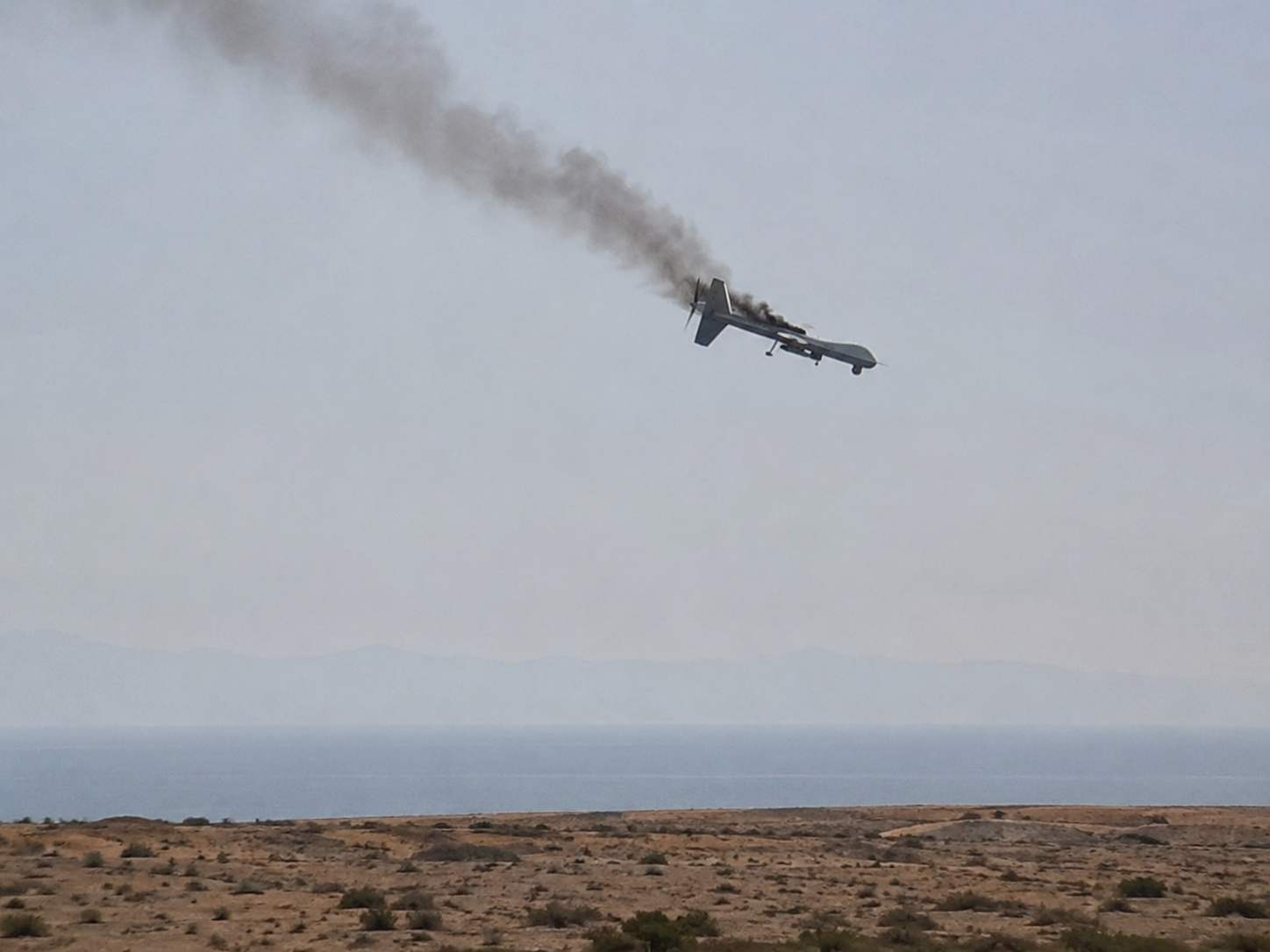
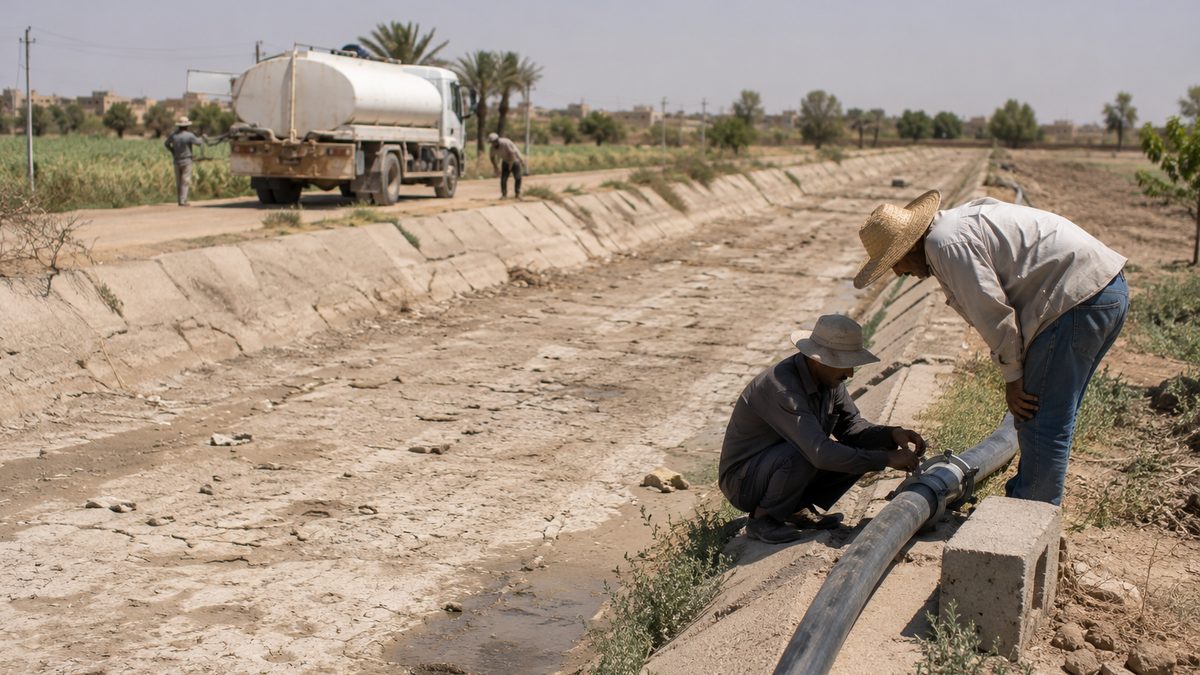
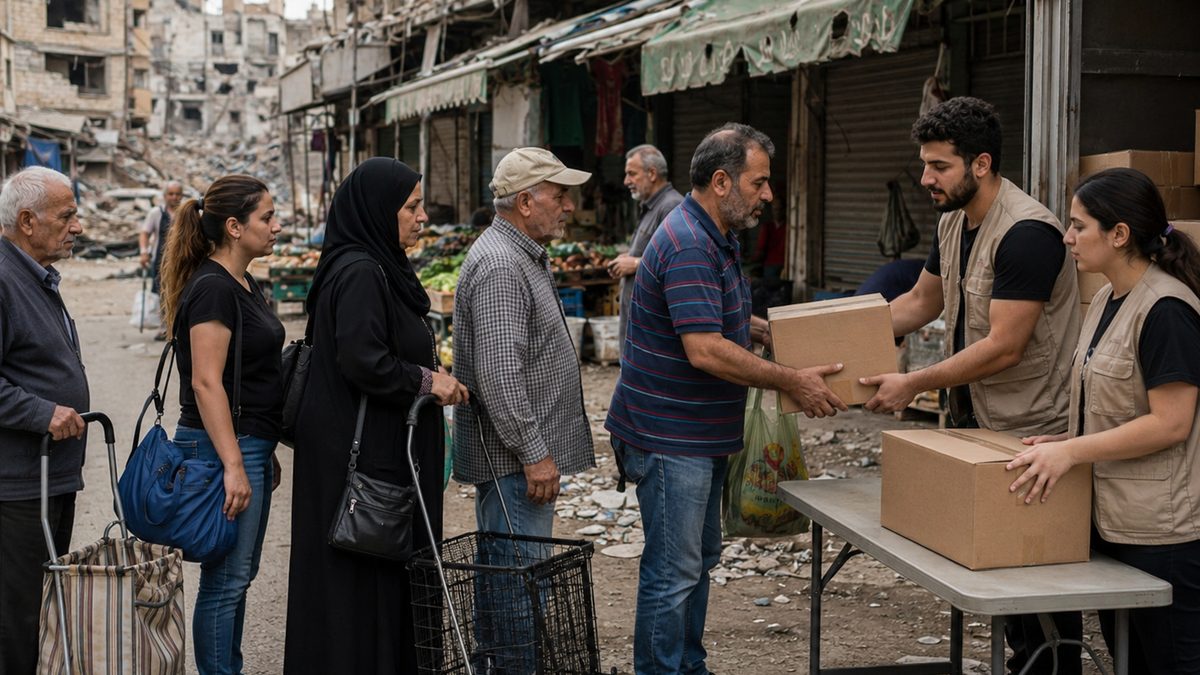
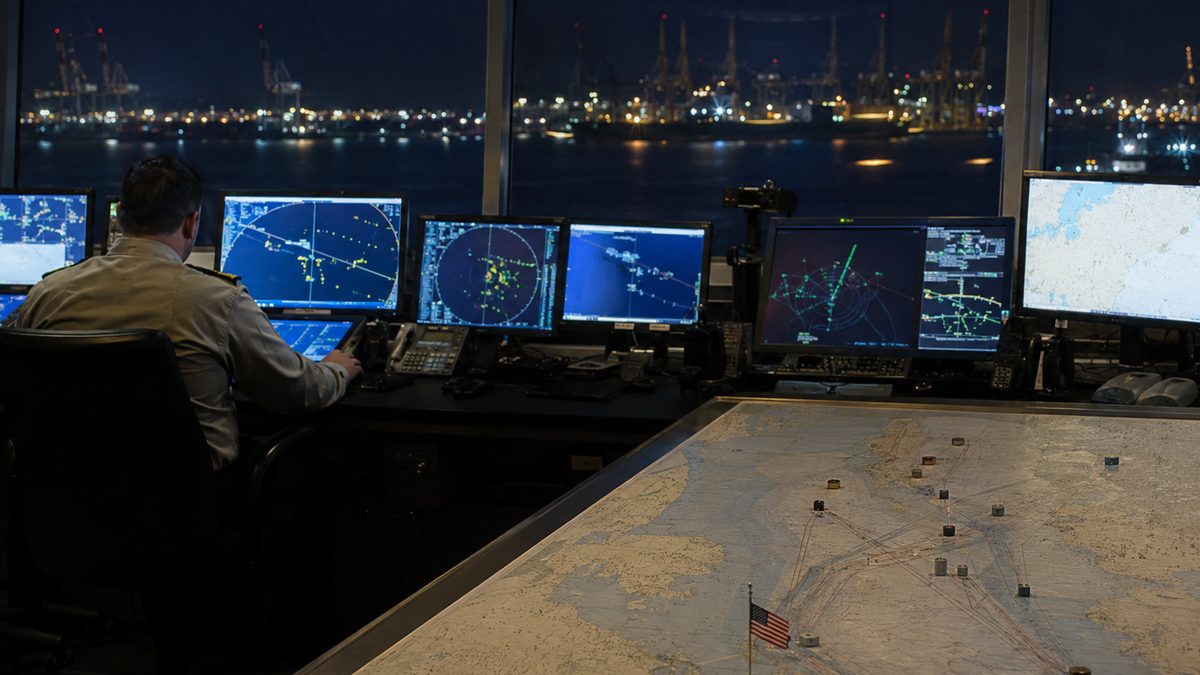
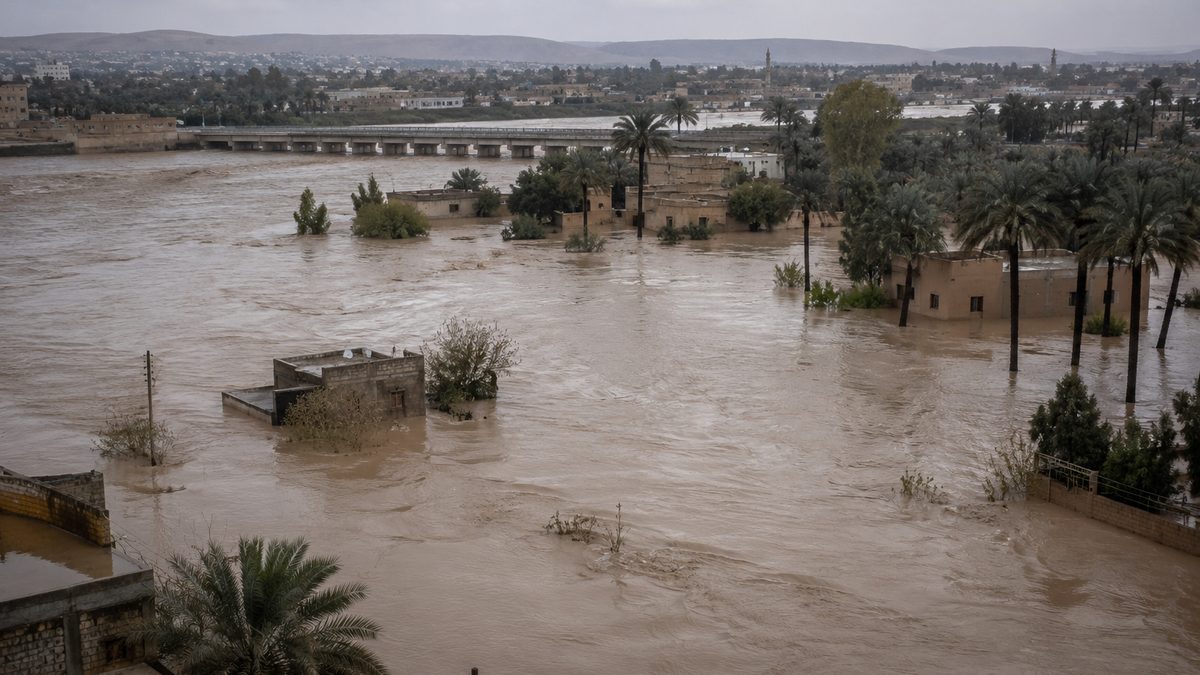
The U.S.-Iran standoff has widened from diplomacy to energy markets and global trade concerns. Editorial illustration by TheDailyGlobe.
Key Facts
- Trump rejected Iran's latest proposal to end the war, leaving the two countries at an impasse.
- The Strait of Hormuz remains closed, disrupting a major route for global energy shipments.
- Oil prices rose after Trump dismissed Iran's response.
- Trump is expected to meet Xi Jinping as Iran, trade, Taiwan and energy security shape the agenda.
- Pakistan has been involved in mediation efforts, but a clear path to a settlement has not emerged.
The standoff between the United States and Iran has deepened after President Donald Trump rejected Iran's latest proposal to end the war, leaving diplomacy stuck and the Strait of Hormuz still closed.
The crisis now reaches well beyond the battlefield. The closed strait is disrupting global energy flows, oil prices have risen, and the dispute is expected to follow Trump into his upcoming meeting with Chinese President Xi Jinping. That puts Iran, trade, Taiwan and energy security into the same high-pressure diplomatic frame.
For American readers, the main question is not only whether Washington and Tehran can find a way back to negotiations. It is also how long the energy disruption lasts, whether it adds pressure to fuel prices and inflation, and whether China can or will play a meaningful role in easing the crisis.
A Conflict With Wider Consequences
The U.S.-Iran confrontation is now a military crisis, a diplomatic test and an economic problem at the same time. The latest proposal from Tehran did not meet Washington's demands, and Trump's rejection left the ceasefire effort in a fragile position.
According to the source basis for this report, Iran's offer included nuclear-related concessions but also demands that the United States was not prepared to accept. The most difficult issues include the future of Iran's nuclear material, sanctions relief, reparations, control and access around the Strait of Hormuz, and the wider regional conflict involving Israel and Hezbollah.
The Strait of Hormuz is central because it is one of the world's most important energy chokepoints. When shipping through the strait is disrupted, the effects can move quickly into oil markets. Even before drivers see changes at the pump, traders, shipping companies, airlines, manufacturers and central banks start trying to price in the risk.
That does not mean every oil price move becomes a long-term household cost. Energy markets can swing sharply on fear and then settle if diplomacy improves. But the longer the strait remains closed, the harder it becomes to treat the disruption as a short shock.
What Washington Wants
The United States has pushed for a settlement that addresses Iran's nuclear program and restores secure shipping through the Strait of Hormuz. Trump has rejected Iran's latest response as unacceptable, signaling that Washington believes Tehran's offer falls short of what would be needed to end the conflict.
The nuclear issue remains one of the core sticking points. Public reporting says the United States wants stronger limits on Iran's nuclear material and nuclear facilities than Tehran has offered. Iran has sought sanctions relief, protection from further attacks and recognition of its interests in the region.
Those positions leave a large gap. Washington wants a deal that can be presented as a durable limit on Iran's nuclear ambitions and a reopening of a major shipping route. Tehran wants a deal that ends the war without looking like surrender. Neither side has publicly accepted the other's basic terms.
That is why the situation remains difficult to resolve. A ceasefire can stop shooting for a time, but it does not by itself settle the questions underneath the conflict. If the underlying issues stay unresolved, every new military incident or political statement can put the fragile pause at risk.
Why the Strait Matters
The Strait of Hormuz sits between the Persian Gulf and the Gulf of Oman. It is a narrow route, but it carries outsize importance because of the volume of oil and gas that normally moves through it. A closure does not only affect countries in the region. It affects global buyers, shipping insurers, energy companies and consumers far from the Middle East.
When energy shipments are blocked or delayed, prices often rise because buyers worry about supply. Some countries and companies may have reserves or alternate routes, but those options are not always enough to replace normal traffic through the strait. Even partial disruptions can change market expectations.
For Americans, the possible effects are easiest to understand through fuel and inflation. Gasoline prices depend on many things, including refinery capacity, taxes, regional supply and seasonal demand. Still, oil is a major input. If crude prices stay high, that can eventually show up in transportation costs and consumer prices.
Businesses also feel the pressure. Airlines, shipping firms, trucking companies and manufacturers that rely on energy-intensive operations can face higher costs. Some absorb those costs. Others pass part of them to customers. That is one reason a conflict overseas can become part of a domestic economic story.
The China Factor
Trump's expected meeting with Xi gives the crisis another layer. China has major energy interests, including ties to Iran and a strong interest in stable global shipping. Washington also has its own list of issues with Beijing, including trade disputes, technology tensions and Taiwan.
That makes the summit more than a side conversation. If the United States wants China to pressure Iran, the request will be shaped by everything else on the table. Beijing may see the crisis through energy security, regional influence and its broader rivalry with Washington. The United States may see it as a chance to test whether China is willing to help stabilize a conflict that affects the world economy.
Taiwan also adds weight to the meeting. U.S.-China talks rarely stay limited to one issue, and a summit held during a Middle East crisis gives both governments reason to measure each other's broader intentions. A meeting meant to address one emergency can become a test of the larger relationship.
There is no confirmed deal or breakthrough at this stage. The safer way to read the summit is as a diplomatic opening, not a solution. It may clarify where China stands, but it cannot by itself settle the U.S.-Iran dispute unless Tehran and Washington also move closer together.
What Remains Unclear
Several major questions remain unresolved. It is unclear whether Iran will revise its proposal, whether the United States will soften any demands, or whether mediation efforts can produce direct talks. It is also unclear how long the Strait of Hormuz will remain closed.
Another open question is whether the conflict will stay contained. Regional disputes involving Israel, Hezbollah and other actors can complicate any U.S.-Iran settlement. Even if Washington and Tehran narrow their differences, events elsewhere in the region could still disrupt diplomacy.
Oil markets are also hard to predict. Prices can respond quickly to headlines, but long-term costs depend on shipping access, supply alternatives, demand, investor expectations and whether governments release reserves or take other steps to calm markets.
That uncertainty is exactly why the story matters. The danger is not only one dramatic headline. It is the way diplomatic failure, blocked shipping and market anxiety can reinforce one another.
How to Read the Next Few Days
The most important signals will be concrete ones. Readers should watch for whether the Strait of Hormuz reopens, whether mediators announce new talks, whether Iran changes its nuclear or sanctions position, and whether the Trump-Xi meeting produces any public alignment on Iran.
Military language from either side matters, but it should not be read alone. Leaders often use hard language during negotiations. What matters more is whether their governments keep channels open, whether shipping conditions change, and whether the terms on the table become more realistic.
The same caution applies to oil prices. A one-day spike can show market fear. A sustained climb can show a deeper supply problem. Readers should separate immediate reaction from lasting economic damage.
For now, the confirmed picture is serious but not simple. The U.S. and Iran remain far apart. The Strait of Hormuz remains closed. Oil markets are reacting. Trump is preparing for talks with Xi as the crisis spreads into the wider U.S.-China agenda.
That combination makes the standoff one of the most important international stories of the moment. It is a test of diplomacy, a risk for the global economy and a reminder that conflicts far from home can still reach American households through prices, markets and political decisions.
Reporting note: Reporting draws on Associated Press coverage of the U.S.-Iran standoff and Strait of Hormuz closure, AP live updates on diplomacy, Reuters-syndicated reporting on the Trump-Xi summit, and market reporting on oil prices. All claims This article was produced with AI-assisted research and reviewed by an editor before publication.