UN Report Names Israel And Russia In Conflict Sexual Violence List
The United Nations action drew denials and criticism from named governments, highlighting the careful attribution required in conflict-abuse reporting.
Save Article
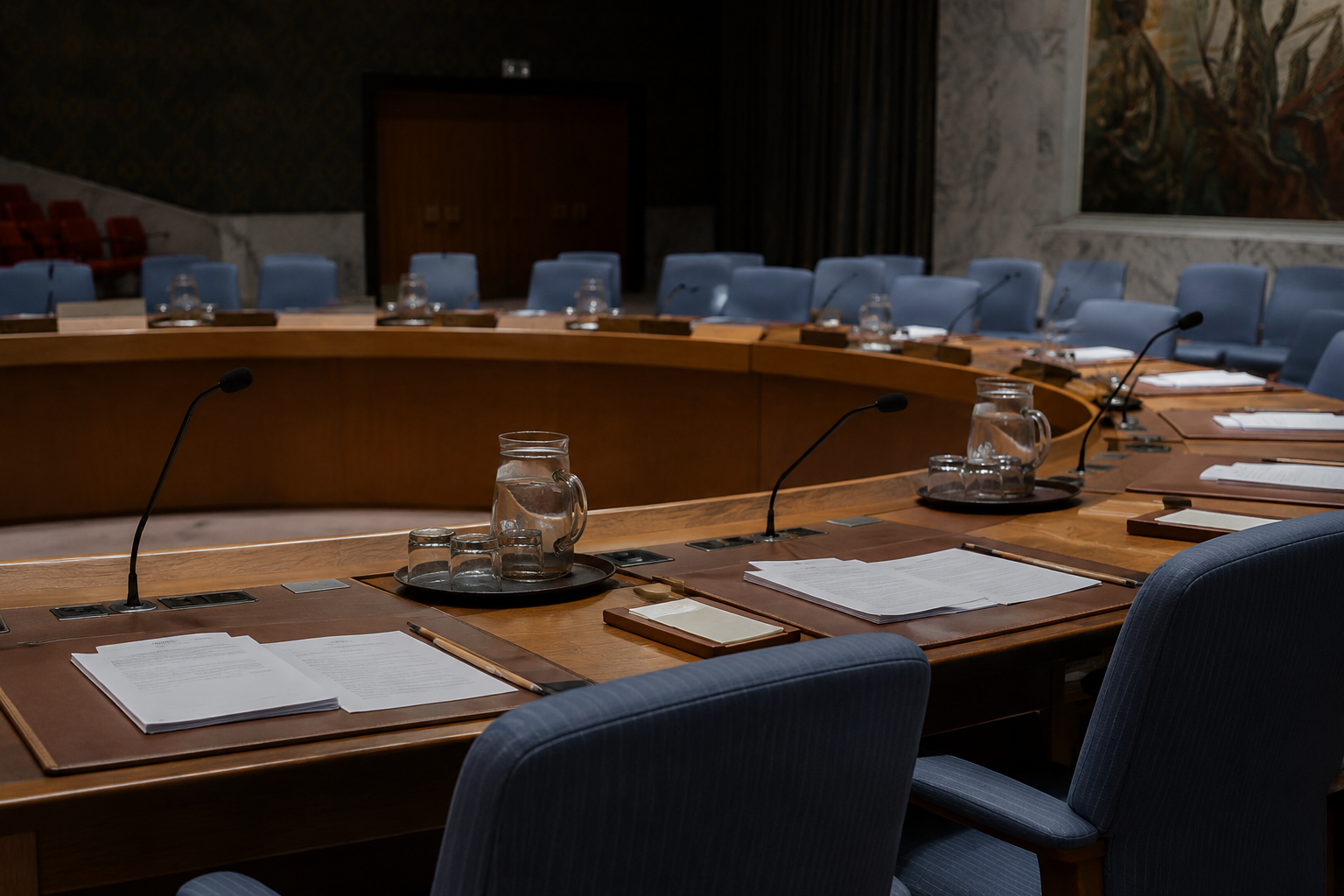
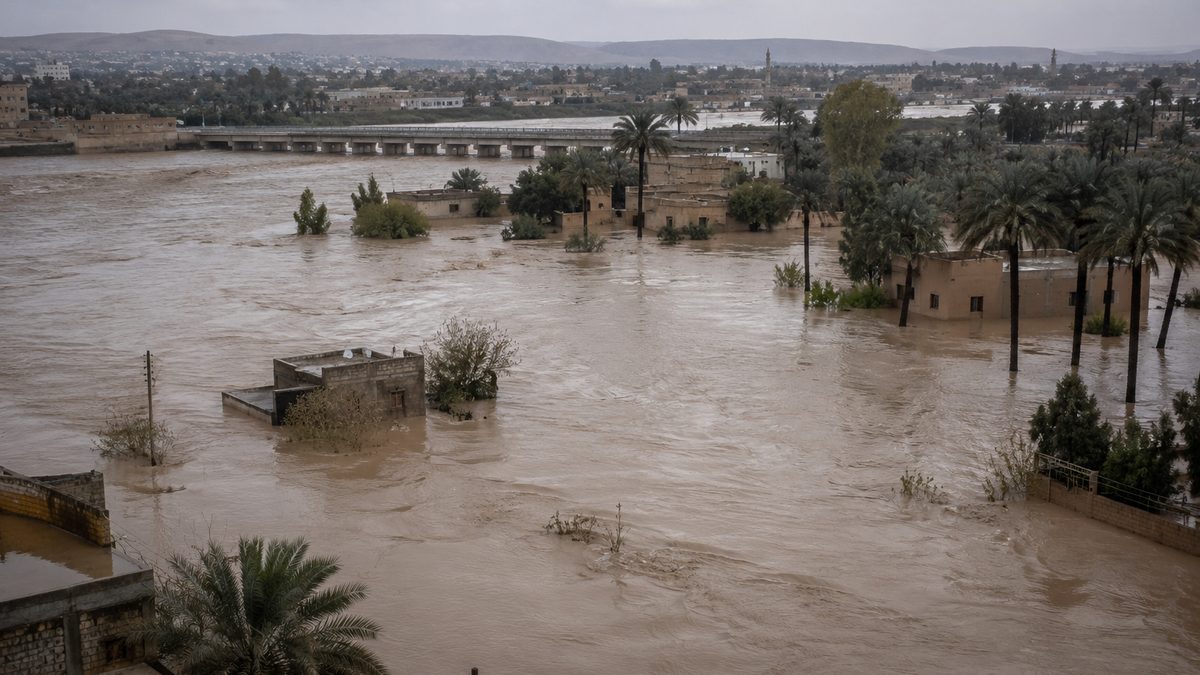
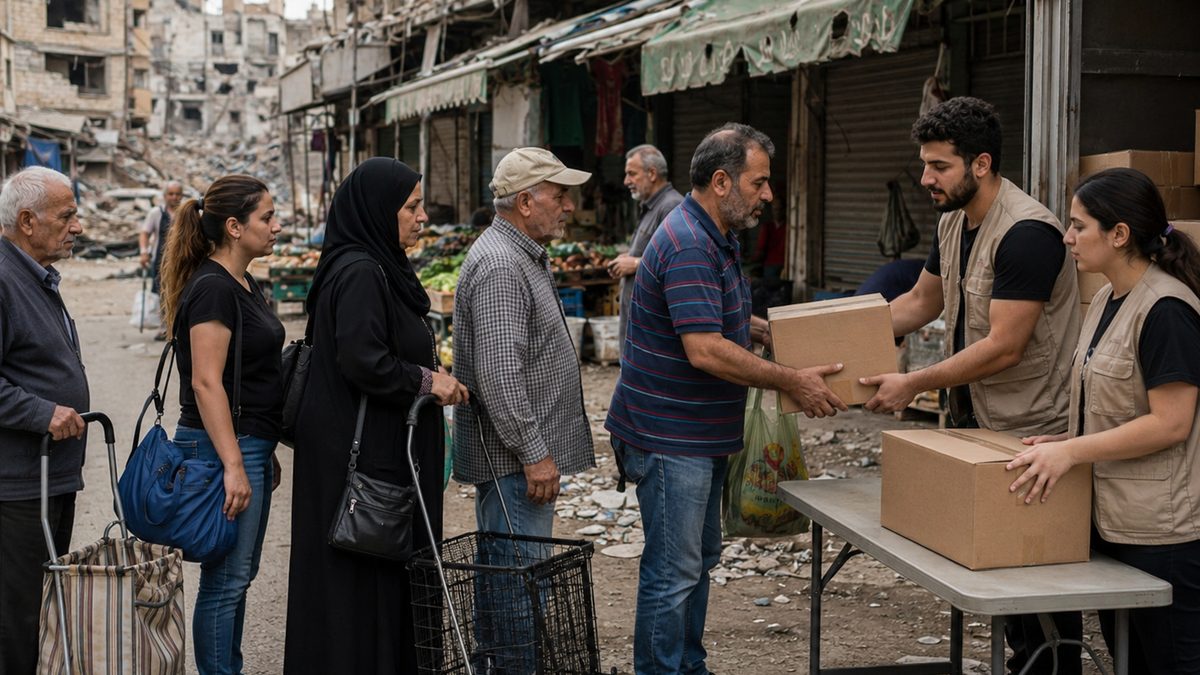
Conflict-related abuse reports require careful attribution, official responses and clear limits on what has been independently verified. Editorial illustration by TheDailyGlobe.
Documenting abuse in war is difficult, slow and politically charged. Reports about conflict-related sexual violence often rely on interviews, access to detainees or survivors, medical and legal records, and the ability of investigators to work in places where governments and armed forces may deny wrongdoing.
The United Nations has added Israel and Russia to a list connected to conflict-related sexual violence, according to reporting from The Guardian and the Financial Times. The reporting said the UN action involved alleged abuses in conflict settings.
The allegations should be read as findings and claims reported through the UN process, not as independent findings by TheDailyGlobe. Israel and Russia denied or rejected the allegations, according to the same reporting.
What The UN Action Means
Being named in a UN conflict-related sexual violence report can increase diplomatic pressure and bring more attention from governments, rights monitors and international bodies. It does not by itself establish a domestic criminal conviction or determine the outcome of any future legal proceeding.
That distinction matters because the subject is highly sensitive. Conflict-related sexual violence reporting requires careful wording: the UN report may document allegations and patterns based on its own process, while named governments may dispute the evidence, methodology or conclusions.
The UN Secretary-General’s annual report tracks verified incidents and lists parties deemed responsible for patterns of conflict-related sexual violence in armed conflict settings. The report defines conflict-related sexual violence to include rape, sexual slavery, forced prostitution, and other comparable forms of violence.
The 2026 report, released on May 29, 2026, verified 9,788 cases of conflict-related sexual violence during 2025, marking a significant increase. The listing of Israeli and Russian armed forces places these major state actors under heightened scrutiny regarding alleged abuses in detention and conflict settings.
What Remains Unclear
Several questions remain unresolved, including how much of the underlying evidence will be available publicly, whether named governments will cooperate with follow-up UN processes and whether any domestic or international legal proceedings will follow.
The next developments to watch are any UN Security Council discussion, further responses from Israel and Russia, and whether international or domestic legal bodies take additional action. Until then, the central fact is narrow but serious: the UN action has placed new accountability pressure on both governments while both have rejected the allegations.
Reporting note: Reporting draws on international reporting, United Nations report coverage, government responses, and reviewed background materials. This article was produced with AI-assisted research and reviewed by an editor before publication.