Uganda’s Congo Border Closure Tests Ebola Response
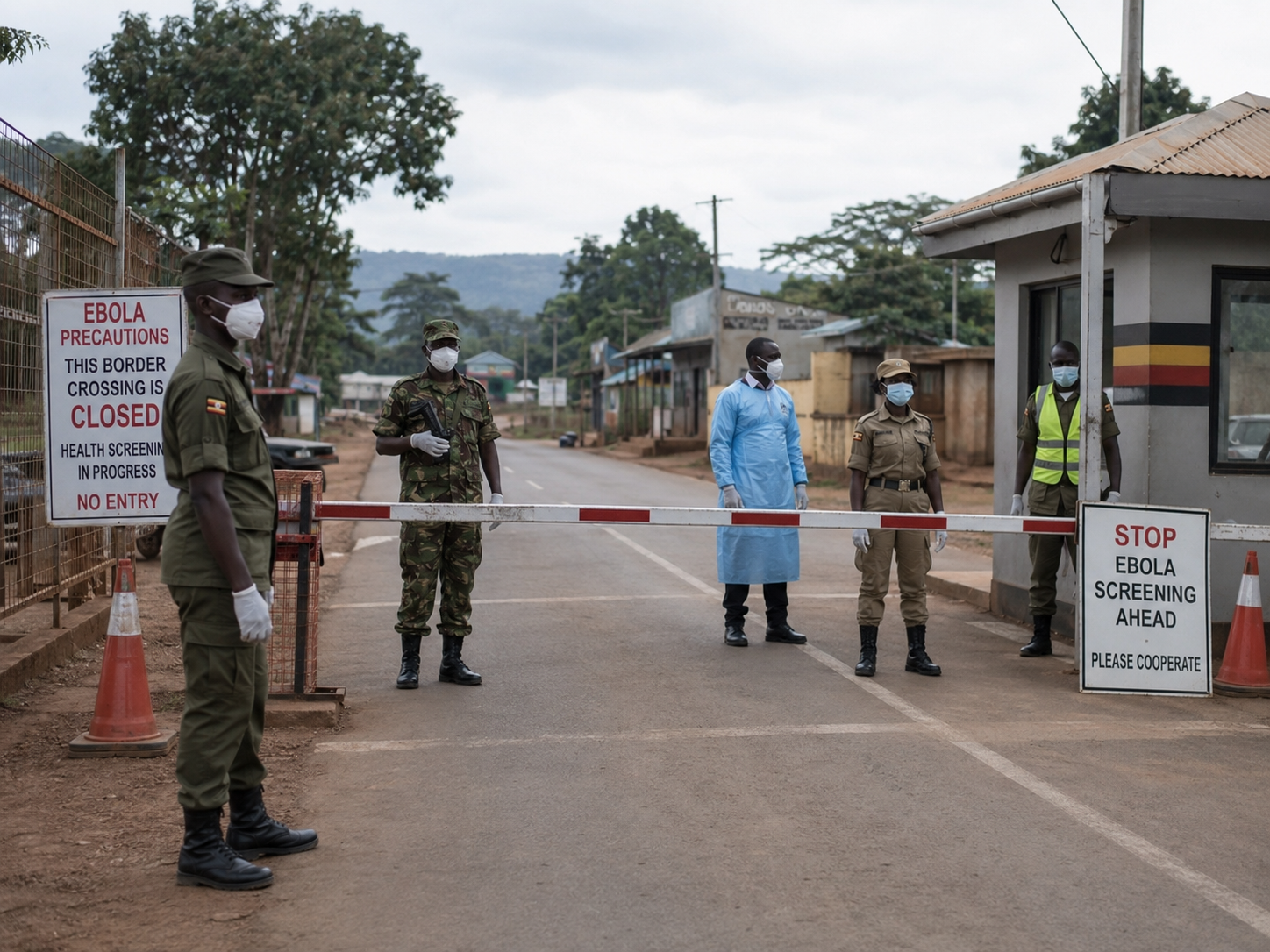
Uganda closed its border with Congo as a rare Ebola outbreak spreads, raising a hard public-health question: when does movement control help, and when does it make response harder?
Save Article
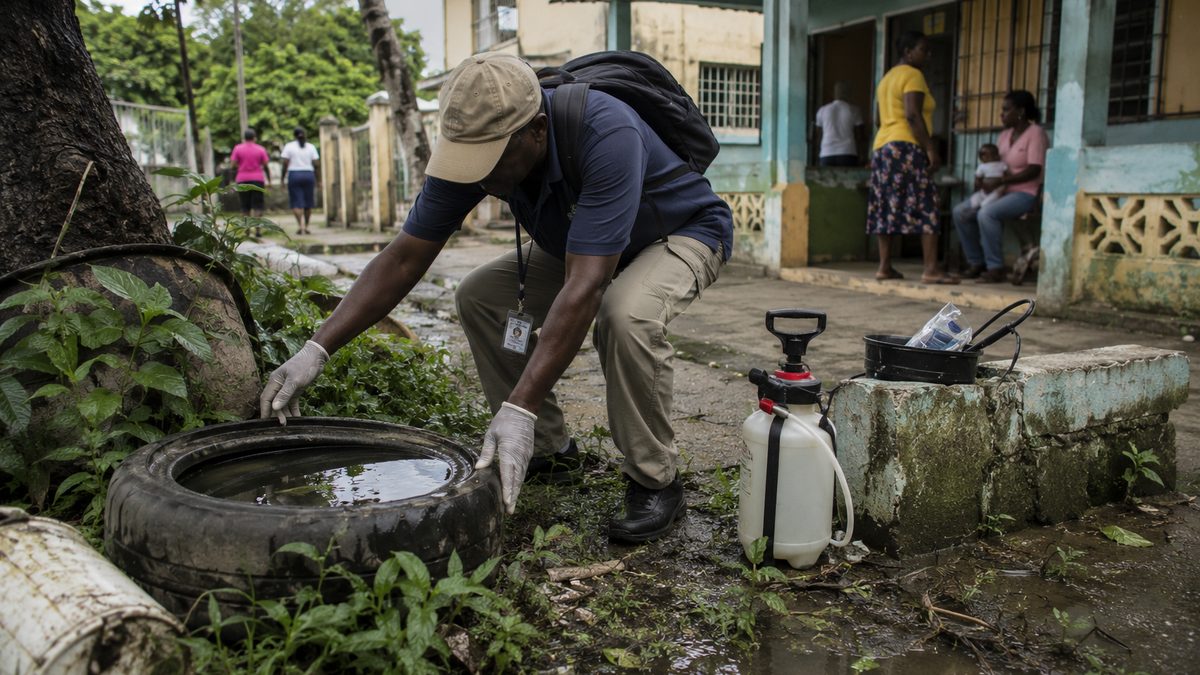
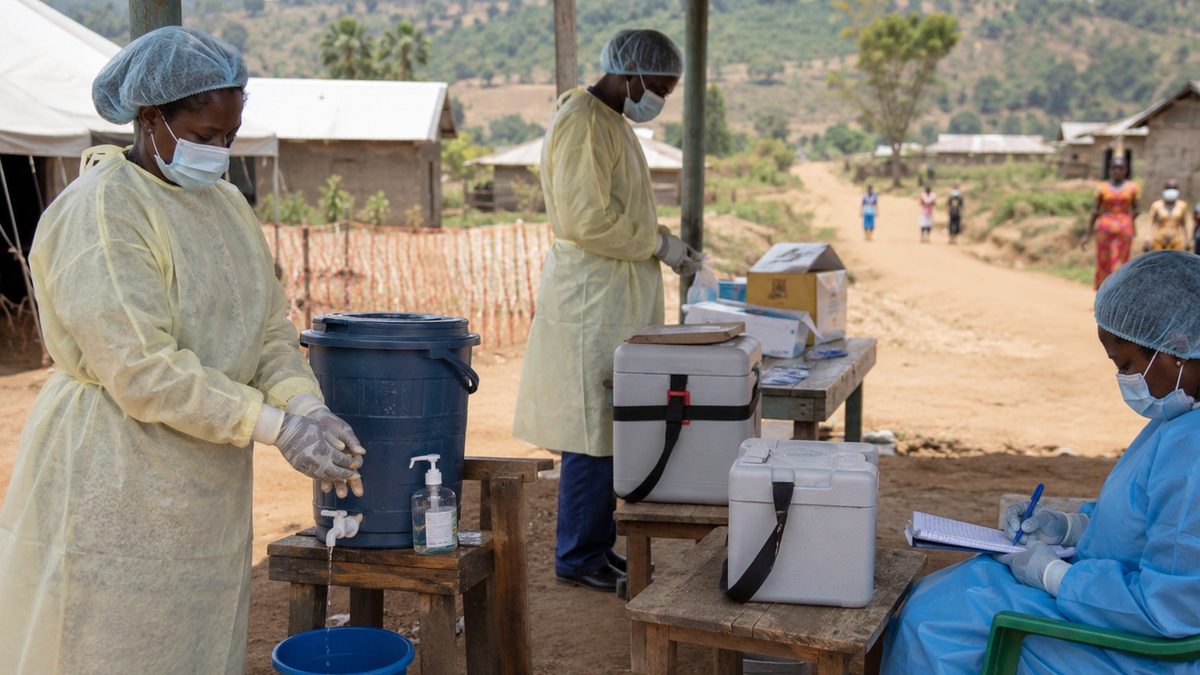
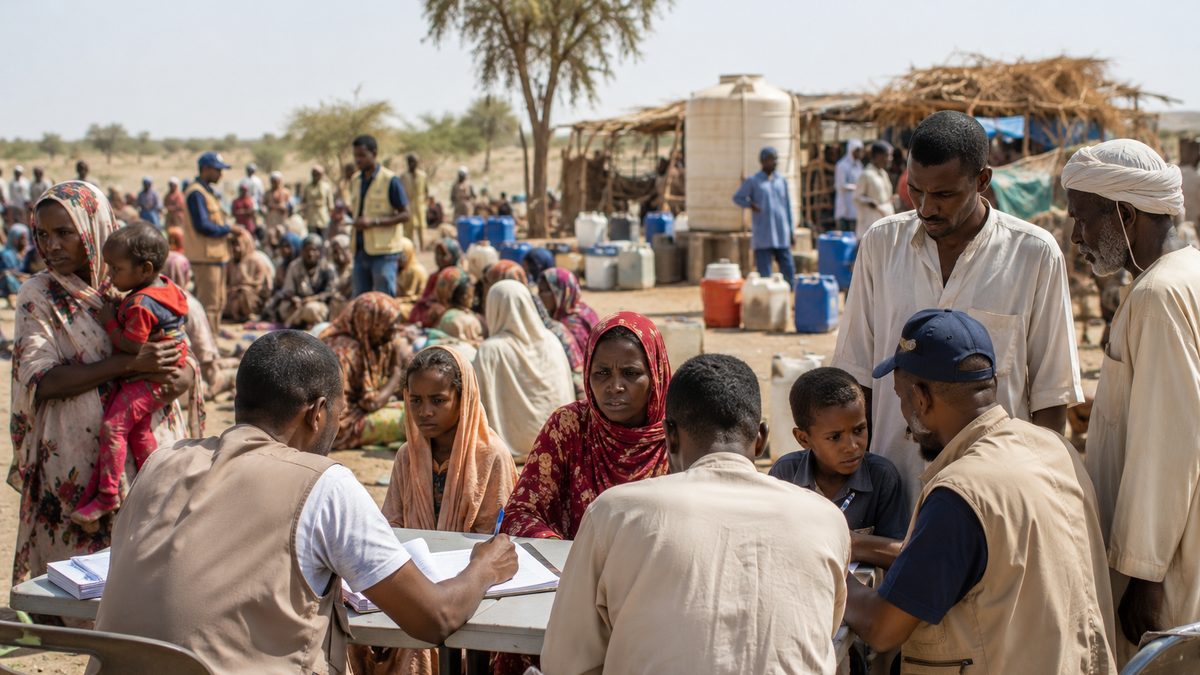
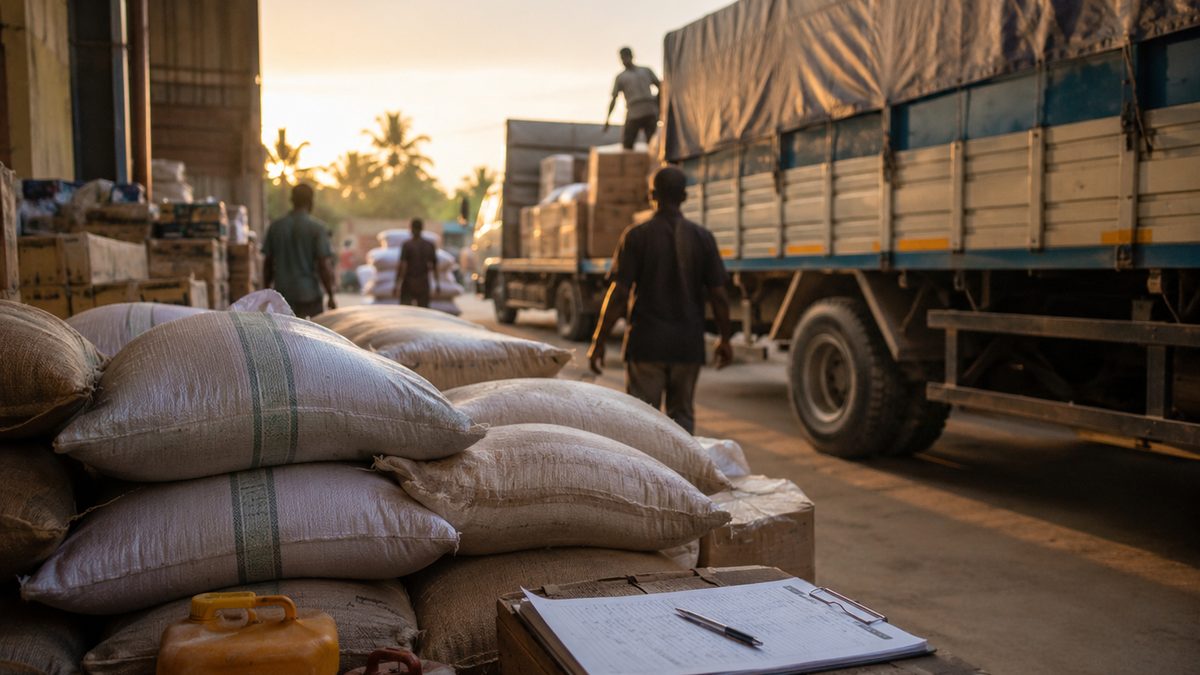
Outbreak response depends on trust, supplies, surveillance and safe coordination across borders. Editorial illustration by TheDailyGlobe.
Key Facts
- Associated Press reported on May 27 that Uganda closed its border with Congo amid rising Ebola concerns.
- WHO says the outbreak involves Bundibugyo ebolavirus disease in DRC and Uganda.
- WHO determined the outbreak is a Public Health Emergency of International Concern.
- WHO said the outbreak did not meet pandemic-emergency criteria.
- WHO guidance discourages broad travel or trade restrictions during this type of outbreak response.
For families, health workers and border communities in parts of Uganda and Congo, an Ebola outbreak is not an abstract public-health alert. It changes how people travel, how clinics prepare, how officials trace contacts, and how much trust communities place in the people asking them to report symptoms or limit movement.
Uganda has closed its border with Congo amid rising concern over cases of a rare Ebola type, according to Associated Press reporting on May 27. The move comes as the World Health Organization says the outbreak involves Bundibugyo ebolavirus disease in the Democratic Republic of the Congo and Uganda.
What Uganda Changed at the Border
The border closure is the clearest government action so far visible to people outside the region. It signals the seriousness with which Uganda is treating the outbreak and the pressure officials face when a disease can move with people across a shared frontier.
But border closures are not simple tools in outbreak control. They can feel decisive because they create a visible barrier. Public-health response, however, often depends on less visible work: finding contacts, moving supplies, supporting clinics, giving communities accurate information and keeping people connected to care.
That is where the tension begins. WHO has discouraged broad travel or trade restrictions, a position rooted in the concern that hard limits on movement can disrupt surveillance and make people less likely to report illness through official channels. That does not mean a government faces an easy choice. It means the effect of the closure will have to be judged by what happens next, not by how firm it looks on day one.
Why WHO’s Emergency Label Matters
WHO’s emergency committee determined that the outbreak is a Public Health Emergency of International Concern. That label is serious. It is meant to alert governments and health systems that an outbreak requires coordinated international attention.
At the same time, WHO said the outbreak did not meet pandemic-emergency criteria. That distinction matters for readers trying to understand the level of risk without sliding into panic. The emergency designation says the outbreak needs urgent coordination. It does not mean the situation should be treated as a global pandemic.
Case and death counts in an active outbreak can change quickly, so the more important point for now is the direction of the response: health authorities are dealing with a cross-border disease event involving a rare Ebola type, and international public-health officials are treating it as serious enough to require formal emergency attention.
The Hard Part Is Trust and Tracking
Ebola response depends heavily on whether health workers can find people who may have been exposed, monitor symptoms, move protective supplies, and make treatment available where it is needed. That work is slower and less dramatic than closing a border, but it is often where containment succeeds or fails.
Border communities can be especially difficult places to manage an outbreak because daily life often crosses official lines. Families, trade, work, clinics and transportation routes may not fit neatly inside one country’s response plan. A closure may reduce some formal movement, but it may also push some travel through informal routes if people feel cut off from work, family or care.
That possibility remains uncertain. Available information does not show yet whether Uganda’s closure will reduce transmission, complicate surveillance, or do some of both. The answer will depend on how the policy is carried out and how quickly health teams can keep up with contact tracing, supplies and treatment needs.
What Readers Should Watch Next
The next useful signals will come from WHO updates, Uganda and DRC case reports, and details on whether response teams can expand contact tracing and supply deployment. Readers should also watch for whether candidate vaccines or treatments become available, since the handoff of medical tools can change the shape of an outbreak response.
For U.S. readers, the story is a reminder that global health preparedness is built before a crisis looks global. Travel screening, aid policy, health-worker protection and international coordination all depend on clear information and steady response systems. The central question now is not whether the border closure looks tough. It is whether the full public-health response can move faster than the outbreak.
Reporting note: Reporting draws on Associated Press reporting, World Health Organization emergency committee materials, WHO outbreak updates, WHO Africa materials, and reviewed background context. This article was produced with AI-assisted research and reviewed by an editor before publication.