Japan's Early Storm Season Shows Why Typhoon Risk Is Also a Travel Planning Issue
Severe Tropical Storm Jangmi brought heavy rain, wind and flood risks to parts of Japan, offering an early reminder that Pacific storm season can affect travel, families and military communities.
Save Article
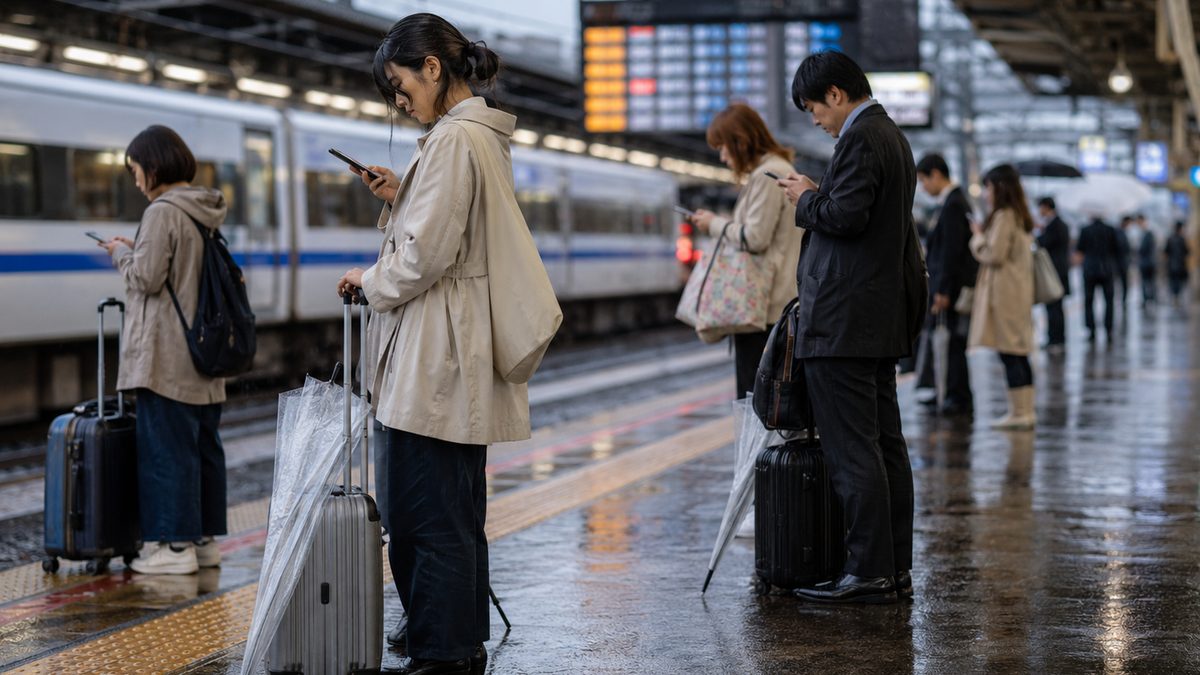
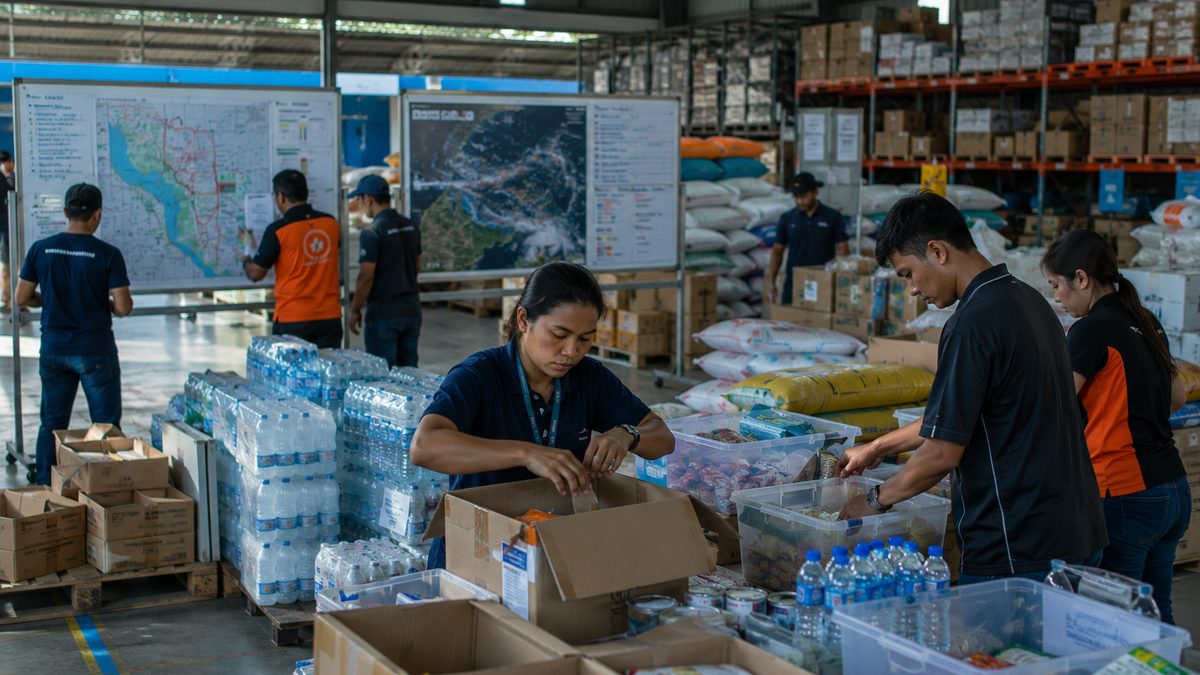
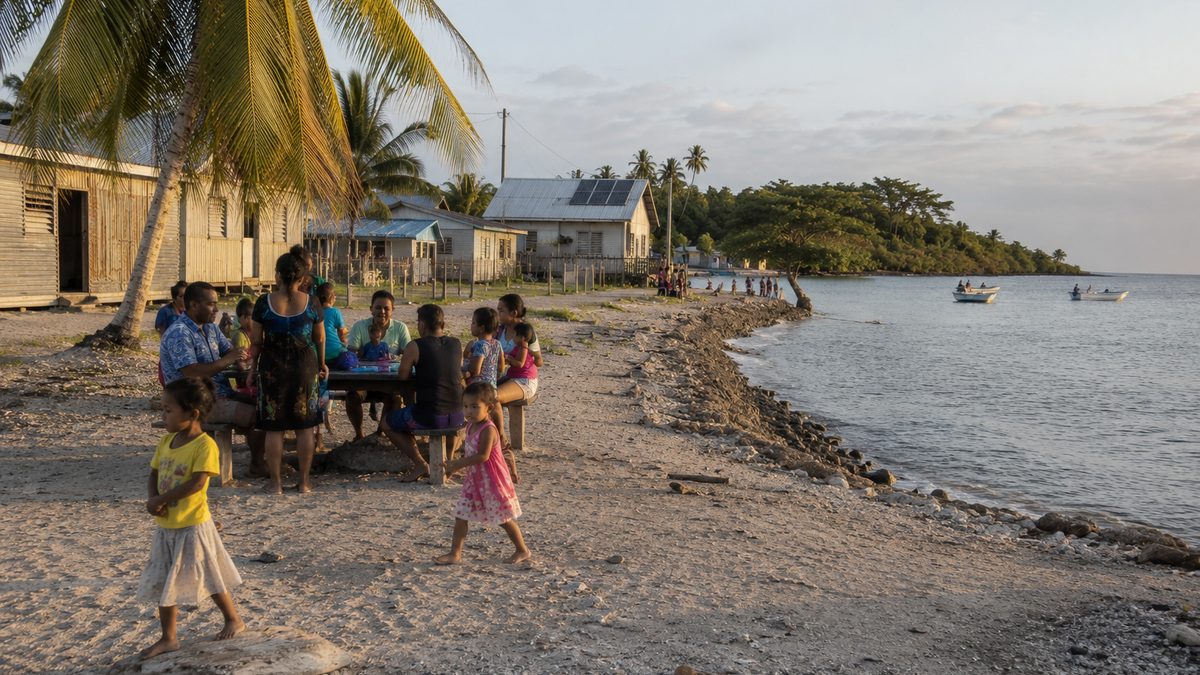
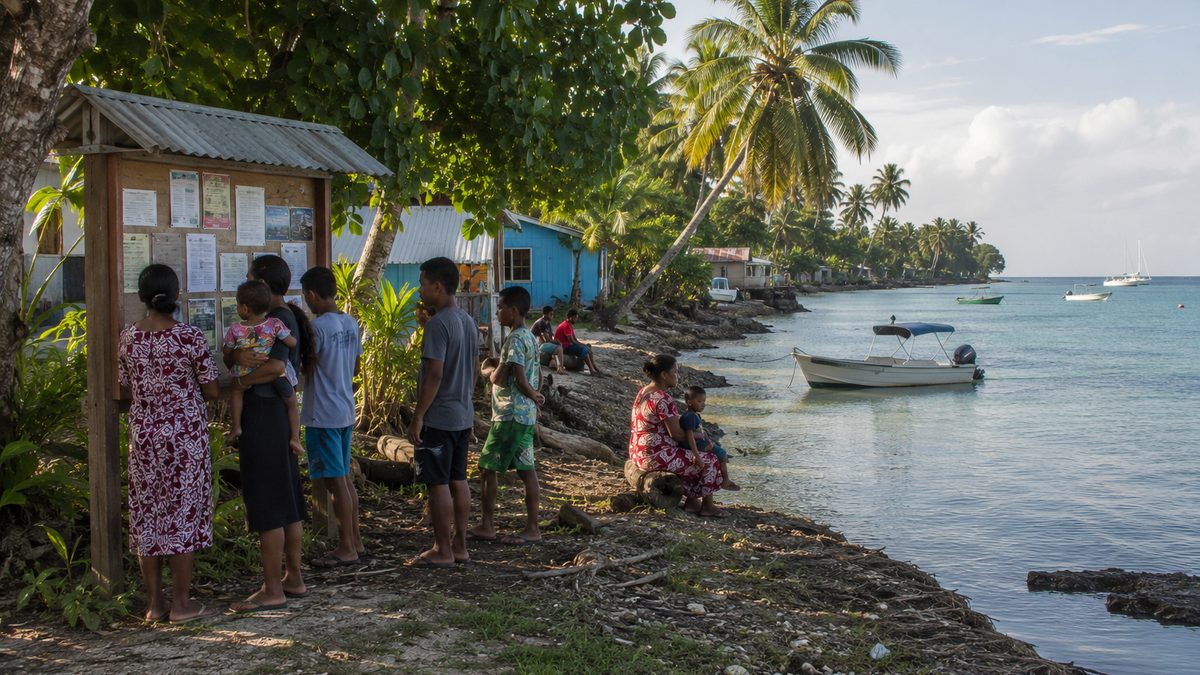
Storm season can turn routine travel into a planning question for families, visitors and communities across the Pacific. Editorial illustration by TheDailyGlobe.
Key Facts
- OCHA reported that Severe Tropical Storm Jangmi affected large parts of Japan with torrential rainfall, strong winds and heightened flood and landslide risks.
- Stars and Stripes reported a final warning for Tropical Storm 06W Jangmi on June 3, Japan time.
- The western Pacific typhoon season is ongoing and can affect travel, ports, bases and local communities.
- Full local damage totals from Jangmi were not established in the available reporting.
- Future typhoon activity should be understood as seasonal risk, not a specific forecast for any one place.
Storm season matters most when it changes ordinary plans: a delayed flight, a canceled train, a base notice, a family checking alerts before a trip, or a local community preparing for rain that can turn dangerous fast.
That is the practical lesson from Severe Tropical Storm Jangmi, which affected large parts of Japan with torrential rainfall, strong winds and heightened risks of flooding and landslides, according to the United Nations Office for the Coordination of Humanitarian Affairs.
Stars and Stripes reported a final warning for Tropical Storm 06W Jangmi on June 3, Japan time. That detail matters because it keeps the story from sounding more alarming than it is. Jangmi is not being described here as an ongoing direct threat. It is a recent reminder that the western Pacific storm season can quickly become a travel, safety and preparedness issue.
What Jangmi Showed
Jangmi’s reported impacts were the kind that often make storms dangerous even when they do not become the largest weather event of the season. Torrential rain can raise flood risk in low-lying areas. Strong winds can disrupt travel and local services. Landslide risk can grow quickly in mountainous or saturated terrain.
Those risks are familiar in Japan and across the western Pacific, where storm systems can affect dense cities, island communities, ports, rail networks, airports and military installations. The challenge is not only whether a storm makes landfall. It is how rain, wind and warnings move through daily life.
The final warning reported by Stars and Stripes helps frame the moment clearly. The immediate alert period for Jangmi had ended in that reporting, but the season itself had not. For travelers and families with ties to Japan, that is the useful distinction: one storm can pass while the broader need to watch conditions remains.
Why This Matters For Travelers And Families
For U.S. readers, Japan’s storm season can matter in several practical ways. Some readers have family in Japan. Some have business or school travel. Others are connected to U.S. military communities in Okinawa and elsewhere in the region. Even people without direct ties may see Pacific storm activity affect shipping, ports or regional travel routes.
The most useful response is not to cancel plans because a storm season exists. It is to build flexibility into plans when traveling during months when tropical systems are more common. That can mean checking airline and rail alerts, knowing hotel cancellation rules, keeping medication and documents accessible, and paying attention to local emergency guidance rather than relying only on broad weather headlines.
Storms can also affect communities before the most dramatic images appear. Heavy rain can close roads. Rail lines can slow or pause service. Ports can adjust operations. Schools, bases or local governments may issue notices that matter more on the ground than a regional forecast does from far away.
What Is Still Unknown
The full local damage picture from Jangmi across affected areas was not established in the reporting used for this article. That is important because early storm summaries can describe risk and reported conditions without giving a complete accounting of damage, recovery needs or local disruptions.
It is also not possible to say from Jangmi alone how active the rest of the typhoon season will be. The western Pacific has a long storm season, and future activity depends on conditions that can change. A recent storm is a reason to pay attention, not a reason to predict a specific outcome for the months ahead.
The same caution applies to U.S. military communities and major travel hubs. They can be affected by storms, but whether additional systems will disrupt bases, airports or ports depends on the track, timing and strength of future storms.
What To Watch Next
The most practical next step is to follow official and local updates. Travelers should watch Japan Meteorological Agency information, airline alerts, rail and airport notices, base advisories where relevant, and local emergency warnings in the specific area they plan to visit.
Families with relatives in Japan or the wider Pacific may also want to agree in advance on basic communication plans during severe weather. That can be as simple as knowing which local alerts matter, where official notices are posted, and how to check in if power, phones or transportation are disrupted.
Jangmi is a recent weather story, but the larger point is about readiness. In Japan and across the western Pacific, storm season can turn quickly from a forecast into a planning problem. The people who fare best are usually not the most alarmed. They are the ones paying attention early enough to adjust.
Reporting note: Reporting draws on United Nations humanitarian reporting, military-community weather reporting, regional storm tracking, public safety context, and reviewed background materials. This article was produced with AI-assisted research and reviewed by an editor before publication.