Trump Rejects Iran Response as Fragile Ceasefire Faces New Pressure
The latest U.S.-Iran dispute puts renewed strain on a ceasefire already under pressure, with nuclear demands, regional security and oil prices all in the balance.
Save Article

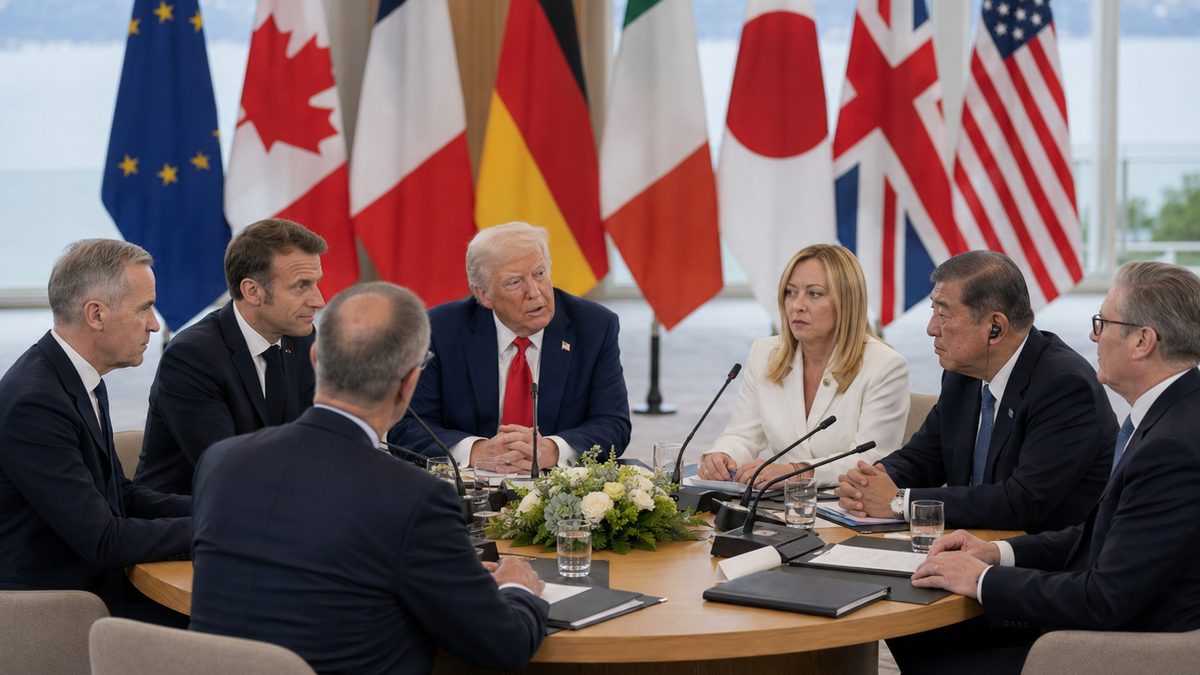
Diplomatic tensions over Iran's ceasefire response remained under scrutiny Monday. Image generated for TheDailyGlobe.
Key Facts
- Trump rejected Iran's latest response to a U.S. peace proposal on May 11.
- AP reported the rejection amid pressure on the ceasefire, oil prices and Trump's planned China trip.
- Al Jazeera reported that Trump called Iran's response "totally unacceptable."
- The dispute centers partly on nuclear concessions and the future of the ceasefire.
- The next phase of diplomacy could affect regional security and global energy markets.
President Donald Trump rejected Iran's latest response to a U.S. peace proposal on Monday, putting fresh pressure on a fragile ceasefire and raising new questions about whether diplomacy can keep a wider Middle East conflict from escalating.
The rejection was reported by AP as part of a fast-moving set of developments involving the ceasefire, oil prices and Trump's planned trip to China. Al Jazeera also reported the May 11 development, saying Trump called Iran's response "totally unacceptable."
The dispute appears to center in part on nuclear concessions and the broader terms needed to preserve the ceasefire. The exact shape of the diplomacy remains unsettled, but the public breakdown matters because it touches three areas with direct consequences beyond the region: the risk of renewed fighting, the direction of global energy prices and the ability of outside powers to keep talks alive.
What Changed Monday
Monday's development does not mean the ceasefire has ended. It does mean the diplomatic space around it has narrowed. A ceasefire can hold even while negotiators argue over the next step, but it becomes harder to maintain when the main parties publicly reject each other's terms.
The U.S. position, as reported by AP and Al Jazeera, is that Iran's latest answer did not go far enough. The handoff did not provide a full text of Iran's response, and TheDailyGlobe is not independently publishing the terms of the proposal as established fact. What is confirmed is the U.S. rejection, the connection to nuclear concessions, and the fact that the ceasefire is now facing renewed pressure.
That distinction matters. In a tense international standoff, there is often a difference between what officials say publicly, what negotiators are discussing privately and what each side is willing to accept in the final version of a deal. Readers should treat sweeping claims about the talks with caution unless they are tied to named officials, official documents or reliable reporting.
Why the Nuclear Issue Is Central
The nuclear issue sits at the center of the dispute because it is one of the few questions that could determine whether a temporary ceasefire becomes a more durable pause or collapses into renewed confrontation.
For Washington, the concern is not only whether fighting stops today. It is whether Iran makes concessions that U.S. officials view as strong enough to reduce future nuclear risk. For Iran, nuclear limits are tied to national sovereignty, sanctions relief and the broader balance of power in the region. Those positions are difficult to bridge because each side is asking the other to give up leverage before trust has been restored.
The latest rejection suggests that the U.S. did not see Iran's response as meeting the moment. But the exact gap between the two sides remains important and still unclear. There may be disagreement over how much nuclear material should be moved, diluted or restricted; how inspections would work; what sanctions relief would be offered; and how any promises would be enforced. Without a full public agreement, those details remain open questions.
The Ceasefire Is Still the Main Test
The most immediate question is whether the ceasefire can survive the public rejection. Ceasefires are not peace agreements. They are usually temporary arrangements meant to stop or reduce fighting while talks continue. That makes them useful, but also fragile.
A ceasefire under strain can fail in several ways. One side may formally walk away. A military incident may trigger retaliation. Proxy forces or regional partners may act in ways that pull the larger players back into conflict. Or negotiations may simply stall long enough that leaders decide they gain more from pressure than from patience.
None of those outcomes is confirmed here. The confirmed news is narrower: Trump rejected Iran's response, and the rejection has intensified scrutiny of the ceasefire. That is serious enough on its own, but it is not the same as saying a wider war is inevitable.
Why Oil Prices Are Part of the Story
The reason this story reaches American households is simple: instability around Iran can affect global energy markets. Iran sits near key shipping routes, and tensions in the region can make traders, governments and shipping companies more nervous about supply risks.
Oil prices do not move for only one reason. They can rise or fall because of supply, demand, refinery capacity, currency shifts, investor expectations or decisions by major producers. But a fragile ceasefire involving Iran adds another layer of risk. Even the possibility of disruption can influence prices before any physical shortage appears.
That does not mean gasoline prices will immediately spike everywhere in the United States. Local fuel prices depend on many factors. But it does mean the diplomacy is not remote or symbolic. If the ceasefire weakens further, energy markets are likely to watch closely.
China Trip Adds Another Layer
AP reported the Iran development alongside Trump's planned trip to China, which gives the story another diplomatic dimension. China has major interests in energy security and regional stability, and any U.S.-China discussion of Iran could become part of a wider negotiation over pressure, trade and global influence.
That does not mean China controls the outcome. Iran, the United States, regional governments and other international actors all have their own interests. But when a standoff affects oil markets and Middle East security, major powers rarely stay on the sidelines.
For Trump, the timing creates a difficult diplomatic split screen. He is trying to show strength toward Iran while also managing a major relationship with Beijing. If he pushes China to help pressure Iran, he may also have to balance that request against other U.S.-China issues.
What Remains Unclear
Several important questions remain unanswered. It is not yet clear whether Iran will revise its response, whether mediators are still actively working on a compromise, or whether the U.S. rejection was meant to end this round of talks or push Iran back to the table.
It is also unclear how close the ceasefire is to breaking. Public language can be sharper than private diplomacy, especially when leaders are trying to show resolve to domestic audiences. At the same time, harsh public statements can make it harder for negotiators to compromise without appearing weak.
The details of Iran's nuclear position also need careful handling. The assignment confirms that nuclear concessions are part of the dispute, but it does not establish a complete list of what Iran offered, what the U.S. demanded or what outside monitors could verify. Those details should not be filled in by assumption.
What to Watch Next
The next signals will likely come from three places: official U.S. statements, Iranian responses and reporting from mediators or regional governments. If either side describes the talks as still active, that would suggest the rejection was not necessarily the end of the process. If military alerts, attacks or retaliatory threats increase, the ceasefire may come under more serious strain.
Energy markets are another practical indicator. A sharp move in oil prices would not prove the ceasefire is failing, but it would show that traders see higher risk. Shipping advisories, regional security alerts and statements from major importers could also reveal whether governments are preparing for disruption.
For now, the most accurate reading is cautious: diplomacy is still possible, but the room for agreement appears tighter than it was before Monday's rejection. The ceasefire remains the key line between a tense diplomatic fight and a more dangerous regional crisis.
For readers, the takeaway is not panic. It is attention. The U.S.-Iran dispute is one of the few international stories that can move quickly from diplomatic language to military risk to household costs. That makes the facts worth following carefully, without overstating what is known.
Reporting note: Reporting draws on AP live updates, Al Jazeera Middle East reporting, and reviewed background context on the ceasefire dispute, nuclear concessions, energy-market risks and regional security concerns. All claims This article was produced with AI-assisted research and reviewed by an editor before publication.