Trump Ties Emerging Iran Deal to Broader Israel Normalization Push
President Trump says talks with Iran are moving forward, but new demands for regional normalization with Israel could complicate a fragile diplomatic push.
Save Article
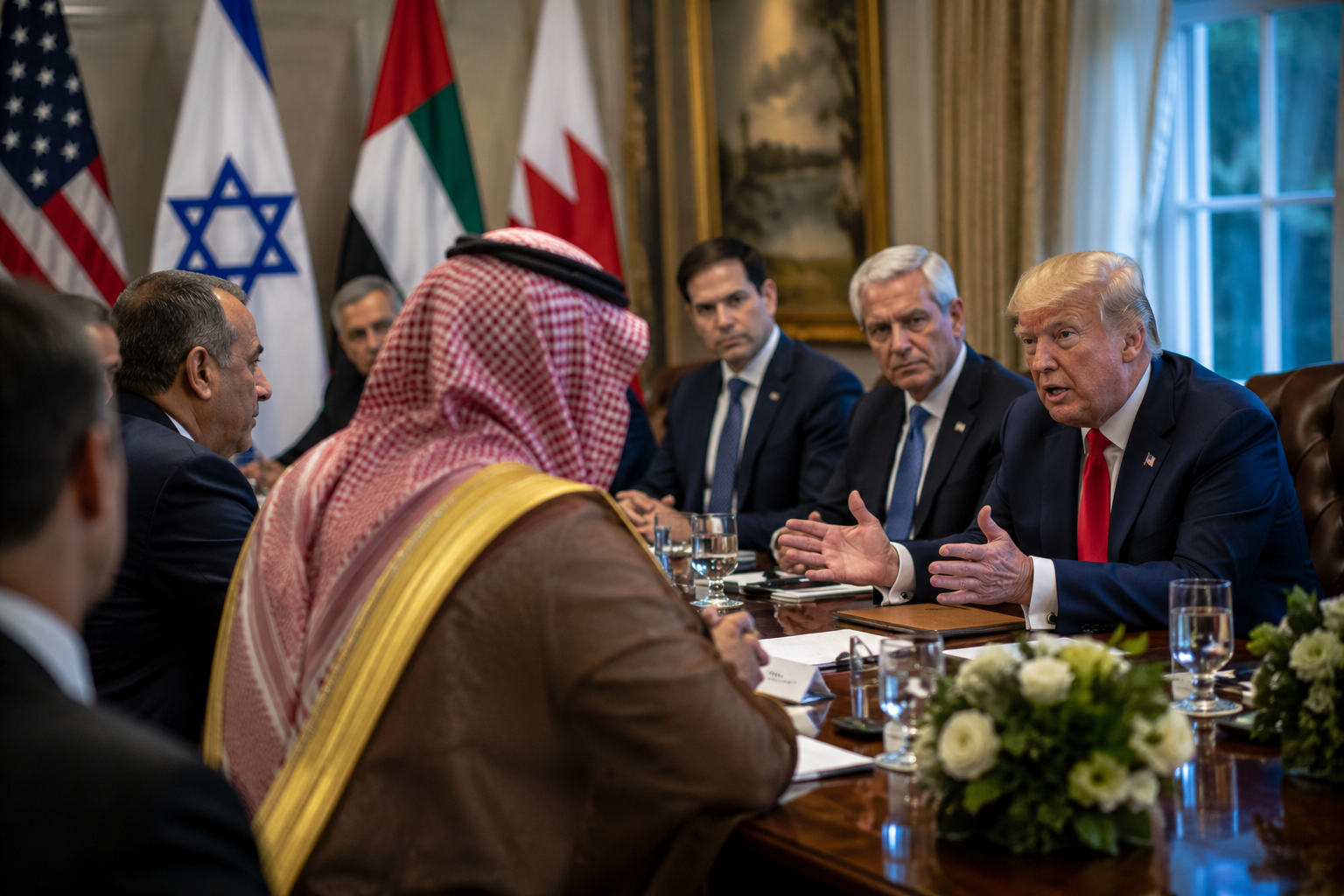
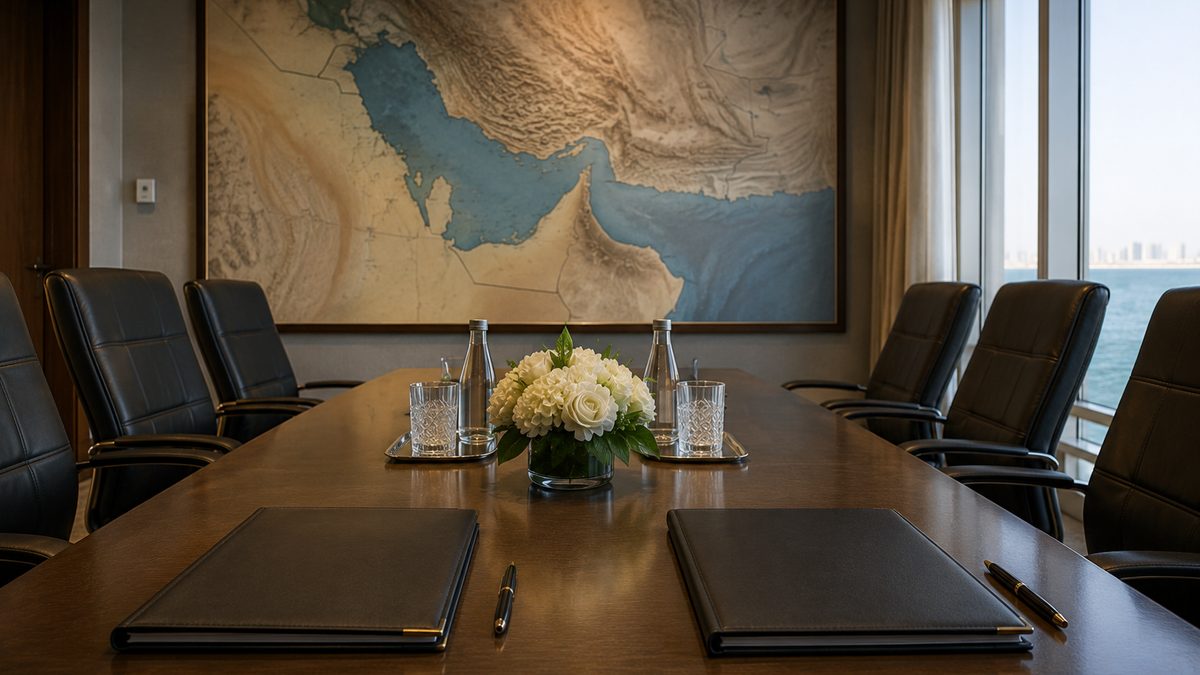
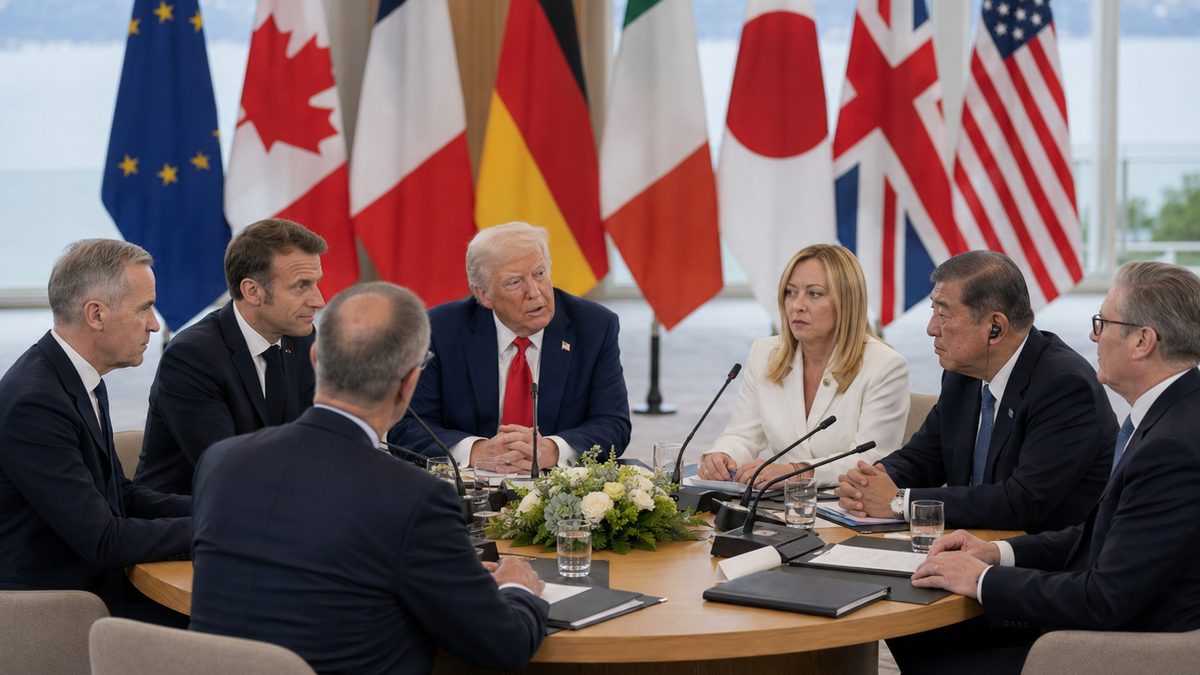
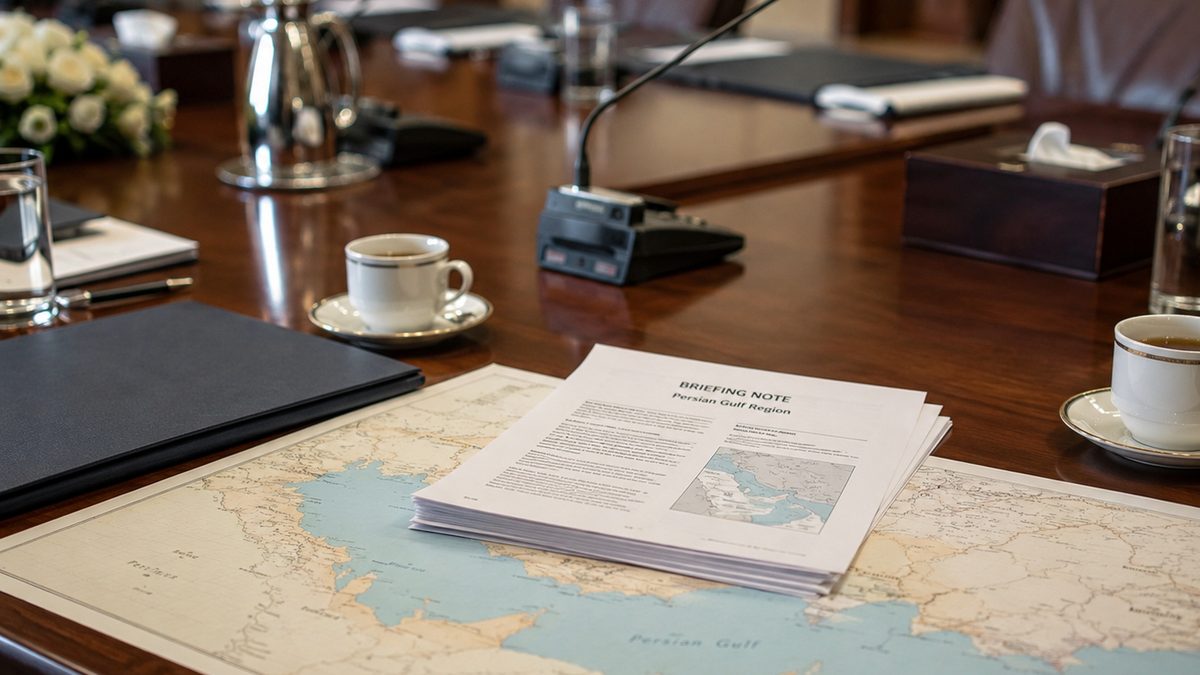
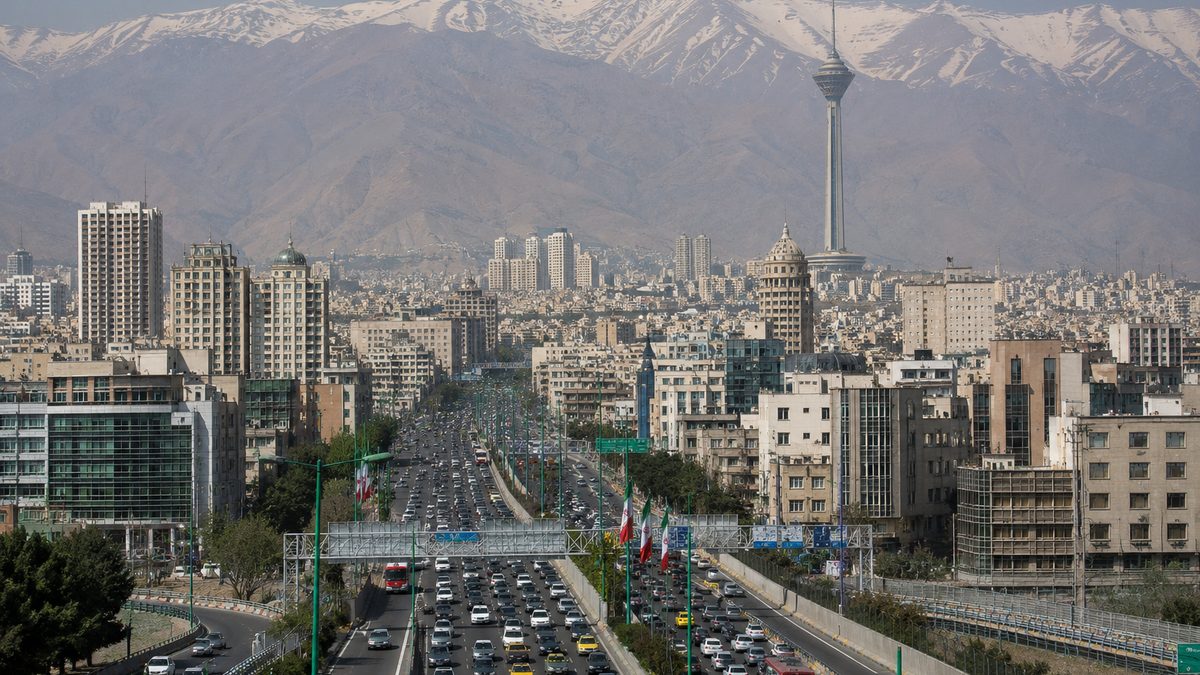
The emerging Iran talks now sit at the center of wider regional diplomacy involving nuclear issues, shipping access, sanctions, and Israel normalization. Editorial illustration by TheDailyGlobe.
President Donald Trump said Monday that a potential agreement with Iran should be tied to a wider regional normalization push with Israel, adding a new political layer to talks already centered on nuclear issues, sanctions relief and access through the Strait of Hormuz.
The comments came as U.S. and Iranian officials continued to signal movement in negotiations, while also warning that important disagreements remain unresolved. Trump said talks were proceeding well and argued that countries including Saudi Arabia, Qatar, Egypt, Pakistan, Turkey and Jordan should move toward joining the Abraham Accords as part of a broader regional settlement.
- Trump said a future Iran agreement should include wider participation in the Abraham Accords or related normalization steps with Israel.
- Iran has acknowledged some progress but denied that a final deal is imminent.
- The proposed framework has involved discussions over the Strait of Hormuz, U.S. sanctions or blockade relief, and a later period for nuclear negotiations.
- Israeli political figures have raised concerns that an emerging deal may leave major security issues unresolved.
- The talks remain fragile because nuclear limits, regional security, shipping access and Israeli-Arab normalization are now overlapping in the same diplomatic process.
What Trump Is Asking For
Trump’s latest public comments suggest he wants an Iran agreement to do more than pause a confrontation or reopen a shipping route. He is pushing for a broader regional package that would bring more Muslim-majority countries into formal or practical normalization with Israel.
The Abraham Accords were first reached during Trump’s first term and normalized relations between Israel and several countries, including the United Arab Emirates and Bahrain. Expanding that framework has remained a major U.S. diplomatic goal, though Saudi Arabia and other regional powers have historically tied full normalization to wider conditions involving Palestinians, regional security and domestic political constraints.
Trump’s position could make the emerging Iran framework more ambitious, but also harder to complete. A narrow agreement over Iran, sanctions and maritime access would already require difficult concessions. Adding a broader Israel-normalization requirement gives regional partners more to consider and more reasons to hesitate.
Where the Iran Talks Stand
Iranian officials have pushed back on the idea that a final agreement is near. Iran has said there has been partial progress, but that major questions remain unresolved. Those questions include what happens to Iran’s enriched uranium, how any nuclear talks would be structured, and what role the Strait of Hormuz would play in a first-stage agreement.
The framework reported in recent days has centered on a memorandum that could create space for a longer negotiation. One version under discussion would involve easing tensions around the Strait of Hormuz and gradually reducing U.S. pressure on Iranian ports while setting up a defined period for broader nuclear talks.
That kind of arrangement would not be the same as a completed nuclear agreement. It would be a bridge meant to keep diplomacy alive, lower the risk of renewed conflict and create a timeline for the harder questions.
Why the Strait of Hormuz Matters
The Strait of Hormuz is one of the world’s most important energy routes. Any disruption there can affect oil markets, shipping costs and global economic confidence. That is why even partial progress over maritime access can have consequences far beyond the immediate U.S.-Iran talks.
U.S. officials have expressed concern about Iranian proposals involving control, fees or management responsibilities in the strait. Iran has described some of its ideas as related to navigation, safety and environmental services rather than tolls. The distinction matters because any arrangement that looks like coercive control over a major shipping lane would face resistance from Washington and other governments.
Israel and Regional Allies Are Watching Closely
Israeli political reaction has been cautious to sharply critical. Opposition leader Yair Lapid criticized the emerging framework, arguing that it could be harmful if it leaves Iran’s missile program or support for armed groups insufficiently addressed. Israeli officials and political figures are likely to scrutinize any agreement that offers Iran sanctions relief without clear limits on what they view as broader security threats.
At the same time, Trump’s insistence on wider normalization with Israel creates another test for Arab and Muslim-majority governments. Some may support deeper regional coordination in principle but still face public, diplomatic or security constraints that make rapid normalization difficult.
What Remains Unclear
Several central questions remain unanswered. It is not clear whether Iran would agree to surrender, transfer or limit its highly enriched uranium stockpile. It is not clear whether the United States would lift sanctions, reduce a blockade or offer other relief before a full nuclear framework is complete. It is also not clear whether regional governments named by Trump are prepared to join the Abraham Accords as part of the same diplomatic package.
Another uncertainty is whether the deal being discussed is a final agreement, a temporary memorandum or a political understanding that still needs to be converted into enforceable terms. Those are very different outcomes. A short document that lowers tensions would not necessarily resolve the nuclear dispute or the wider regional security questions.
Why This Matters
The talks matter because they combine several high-stakes issues at once: Iran’s nuclear program, the risk of renewed military conflict, energy shipping routes, sanctions, Israel’s security concerns and the future of regional normalization. Any one of those issues can be difficult on its own. Together, they create a negotiation that could either reduce tensions or collapse under its own weight.
For readers, the key point is that public optimism from Washington does not mean a deal is finished. Iran is still signaling caution. Israeli leaders and opposition figures are still raising concerns. Regional governments have not all publicly accepted Trump’s normalization demand. The diplomacy is active, but the outcome is not settled.
What Happens Next
The next signs to watch are whether U.S. and Iranian negotiators announce a written framework, whether Iran agrees to concrete terms on uranium and maritime access, and whether regional governments respond publicly to Trump’s call for wider Abraham Accords participation.
If talks advance, the first result may be a limited agreement designed to keep negotiations alive rather than a sweeping settlement. If they stall, the same unresolved questions — nuclear limits, sanctions, shipping routes and Israel’s security concerns — could quickly return to the center of the crisis.
Reporting note: Reporting draws on Associated Press coverage of President Trump’s public comments, Guardian reporting on Iran’s response, ABC News background on the proposed U.S.-Iran framework, and regional reporting on reactions from Israel and Middle East officials. This article was produced with AI-assisted research and reviewed by an editor before publication.